







01


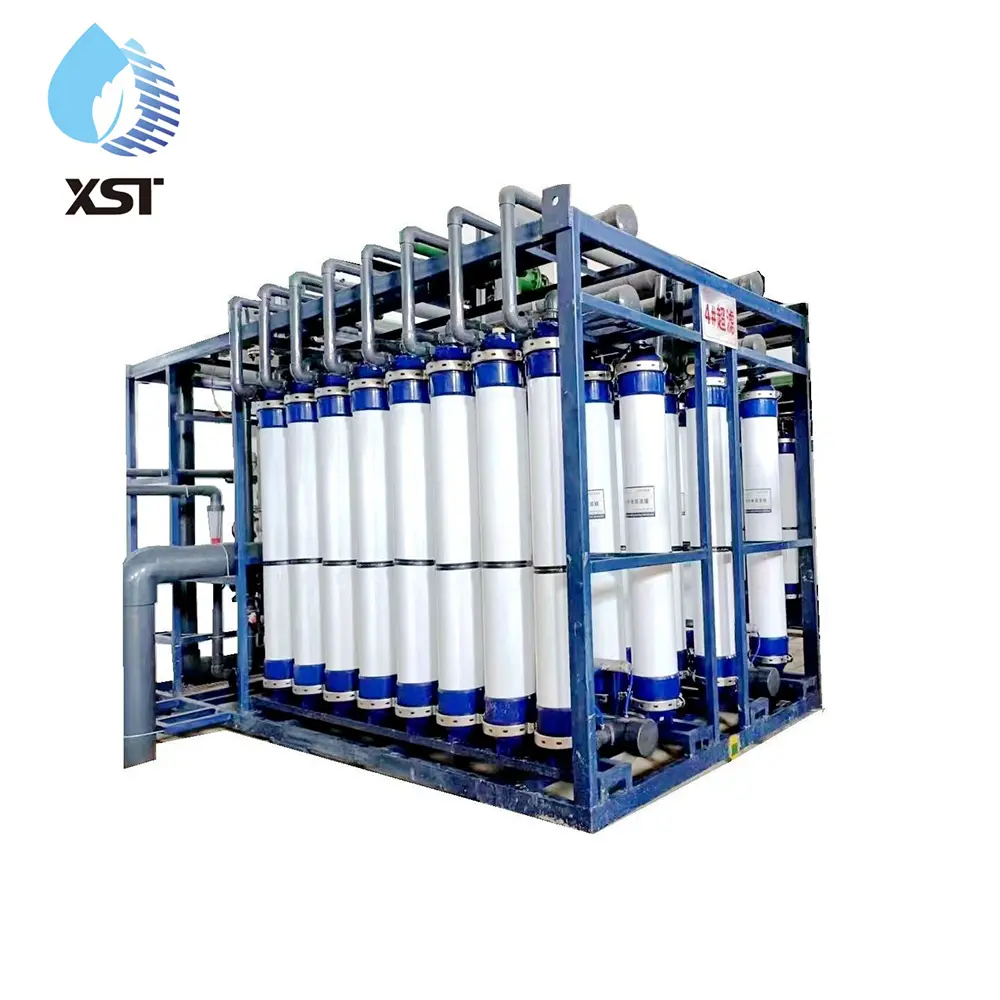
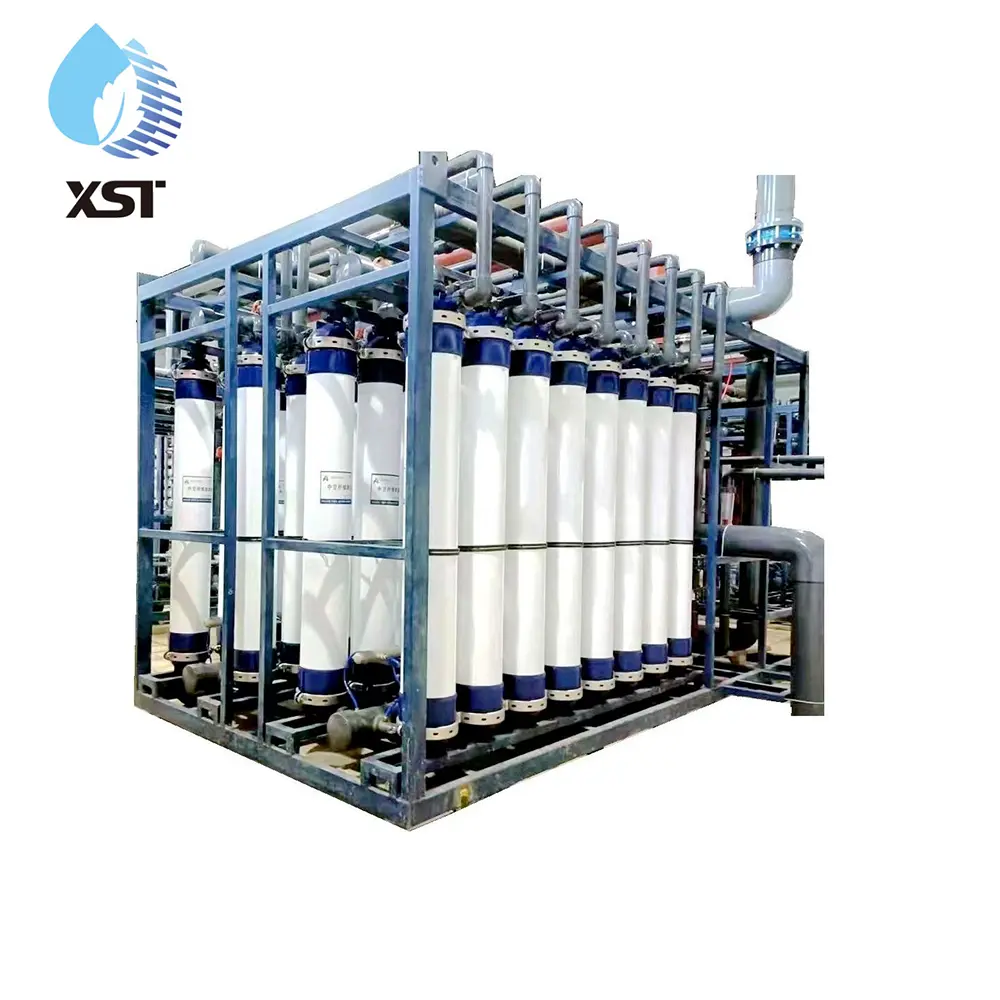
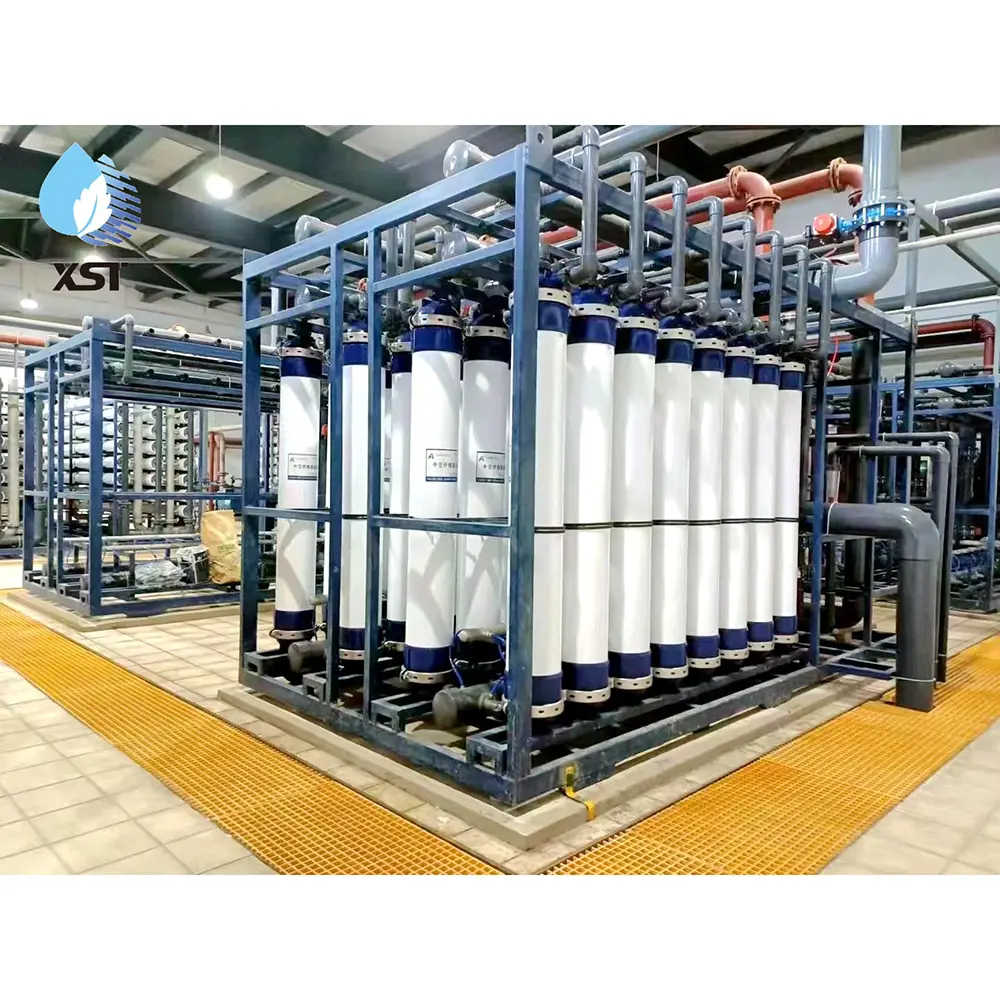
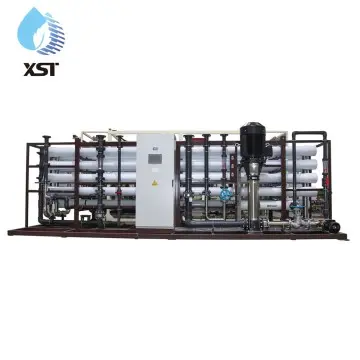
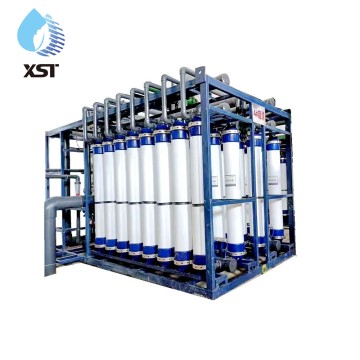
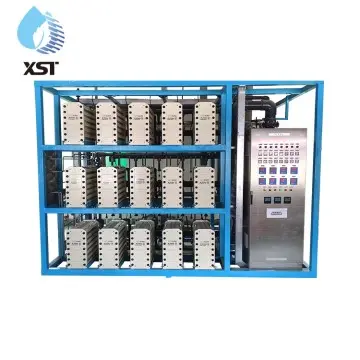
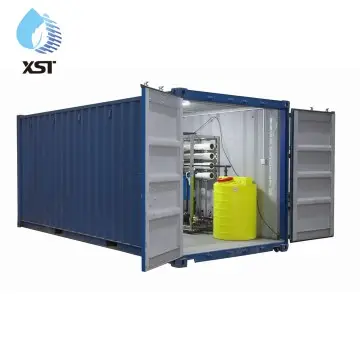
Ultrafiltration Membrane System Drinking Water Purification Machine
products Video
products description
Ultrafiltration is a kind of membrane separation technology between nanofiltration and microfiltration. Ultrafiltration uses a pressure-active membrane to trap colloids, particles and relatively high molecular weight substances in water under the action of external driving force (pressure), while water molecules and small solute particles pass through the membrane separation process. The material with molecular weight of 500-500000 Dalton can be intercepted by screening through micropores on the membrane surface. When the treated water passes through the membrane surface at a certain flow rate with the help of external pressure, water molecules and solutes with molecular weight less than 300-500 pass through the membrane, and particles and macromolecules larger than the membrane pores are intercepted due to the screening effect, so that the water is purified. That is to say, when the water passes through the ultrafiltration membrane, most of the colloidal silicon contained in the water can be removed, and a large amount of organic matter can be removed, so as to achieve the purpose of purification, separation and concentration of the stock solution.;
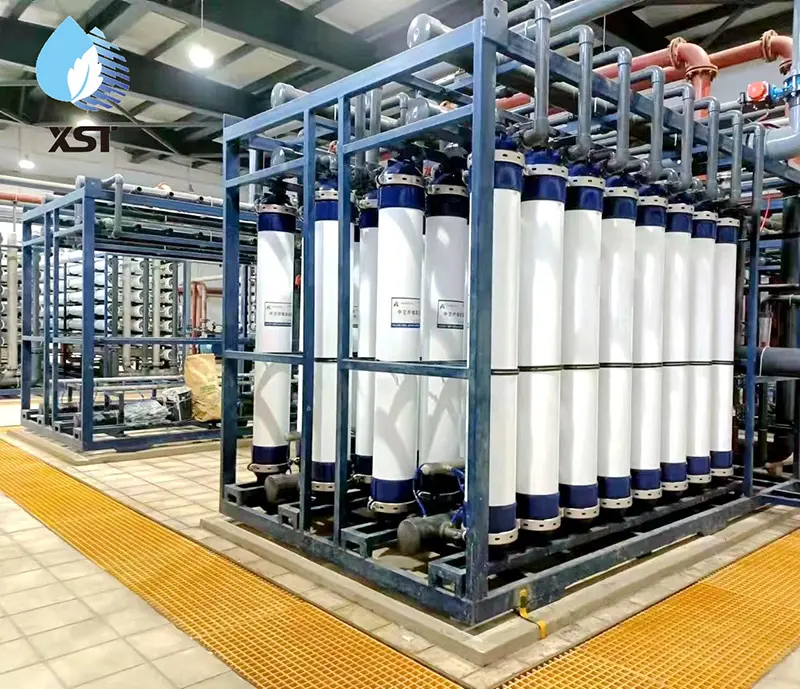
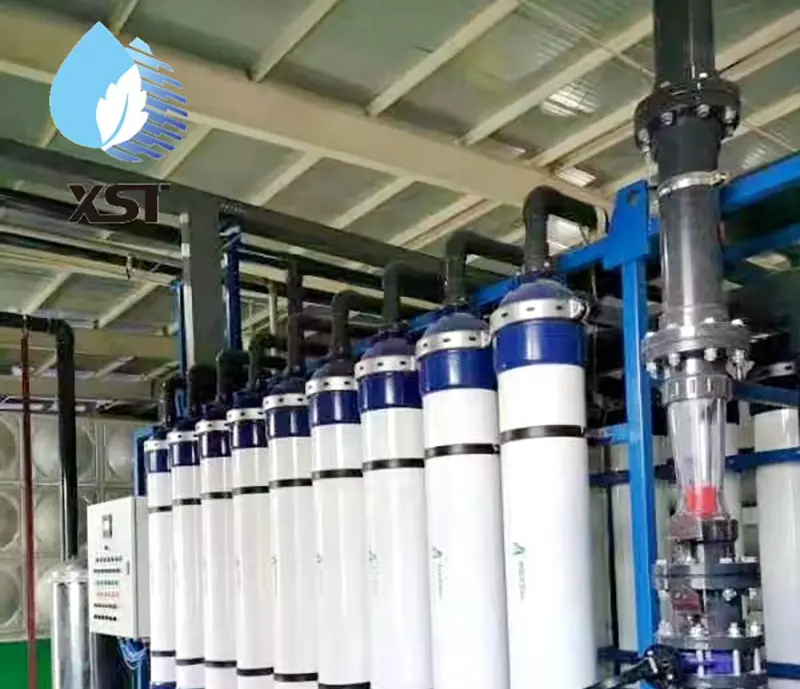
Major ComponentS
1. The separation process does not involve phase changes, with low-pressure pumps serving as the driving force, resulting in minimal energy consumption.
2. Separation can occur at room temperature, making it suitable for heat-sensitive substances.
3. The equipment and process design are simple, facilitating operation, management, and maintenance.
4. The effective membrane area per unit volume is large, ensuring high work efficiency and a reduced footprint.
Operating Conditions
1. Inlet Water Temperature: 10-60°C
2. Inlet pH: 2-11
3. Operating Pressure: 0.11-0.6 MPa
4. Water Turbidity: < 10 NTU
5. Inlet TSS: < 20 mg/L
6. Inlet COD (Gr method): < 30 mg/L (O₂)
Advantages
1. Efficient Separation: Capable of effectively separating macromolecular substances.
2. Easy Operation: High degree of automation, simplifying operation and maintenance.
3. Environmental Protection and Energy Saving: No chemical reagents required, with low energy consumption.
4. Wide Application Range: Suitable for various liquid separation and concentration processes.
Scope of Application
1. Water Treatment: Used for drinking water purification, sewage treatment, and seawater desalination pretreatment.
2. Food Industry: Concentration of fruit juices, separation of whey proteins, clarification of wines, etc.
3. Pharmaceutical Industry: Separation and purification of proteins, enzymes, vaccines, and other biological products.
4. Chemical Industry: Recovery of valuable substances from wastewater and separation of emulsions.
It is particularly suited for further purification of water containing low levels of impurities (turbidity less than 2-5 degrees). Its applications span industrial water treatment, municipal drinking water projects, beverages, wines, and biopharmaceutical industries.