







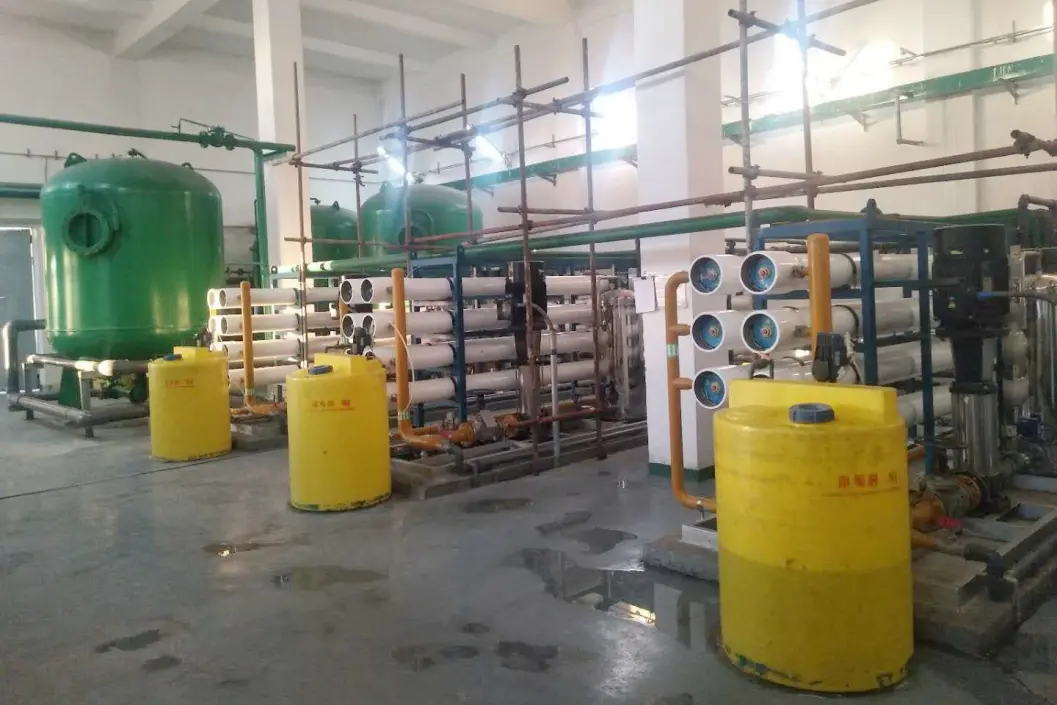
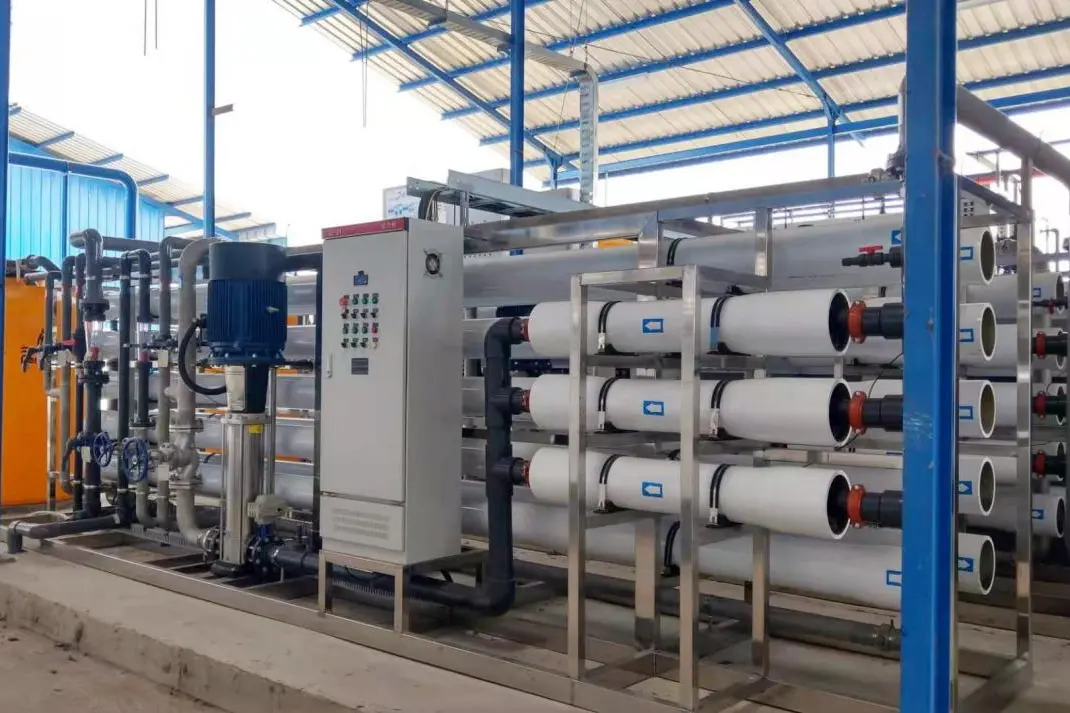
Seawater Desalination
Seawater Desalination is the production of freshwater by desalting seawater. It is an open-source incremental technology that realizes the utilization of water resources. It can increase the total amount of fresh water, is not affected by time, space, or climate, and can ensure a stable water supply, such as drinking water for coastal residents and industrial boilers.
The process of obtaining fresh water from seawater is called desalination. The seawater desalination methods used include freezing of seawater, electrodialysis, distillation, reverse osmosis, and ammonium carbonate ion exchange. The application of reverse osmosis membrane method and distillation method is the mainstream of the market.
There are more than 100 scientific research institutions in more than 10 countries in the world conducting seawater desalination research, and hundreds of desalination facilities with different structures and different capacities are working. A modern large-scale desalination plant can produce thousands, tens of thousands, or even nearly one million tons of fresh water daily. The cost of water is constantly falling, and in some countries, it has fallen to the price of tap water. In some areas, the amount of desalinated water reaches the scale of national and city water supplies.
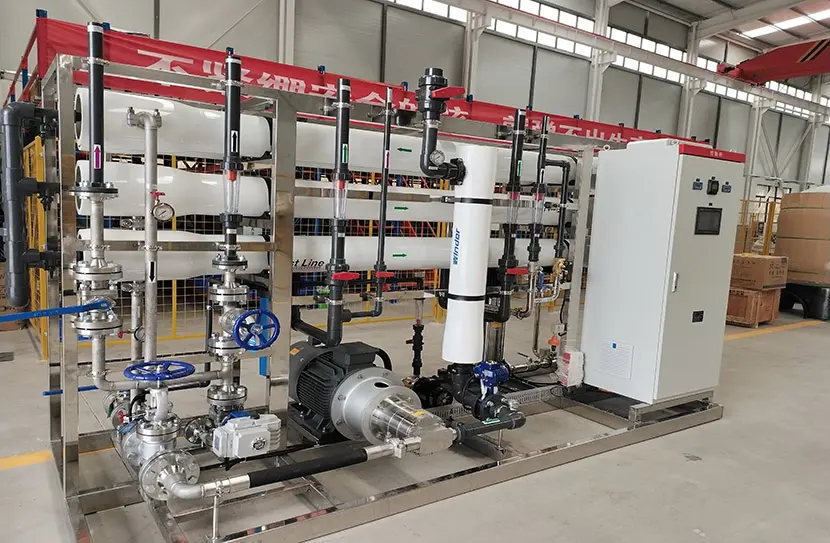
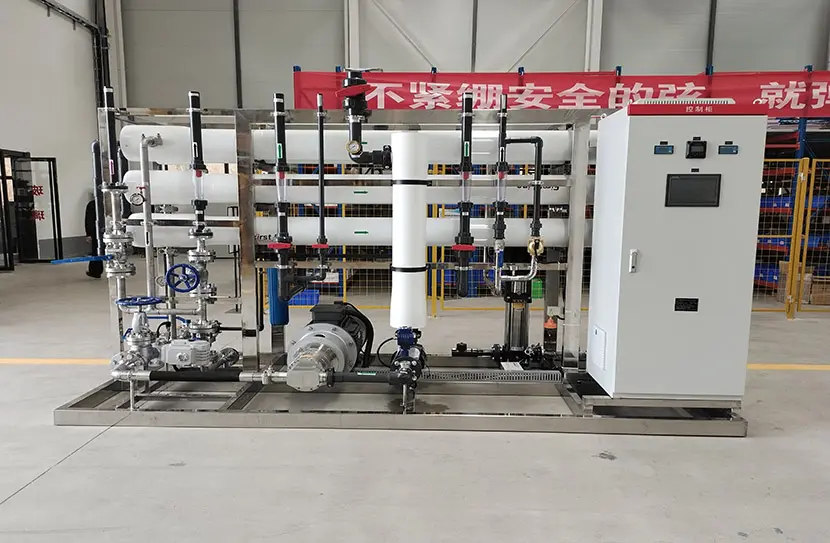
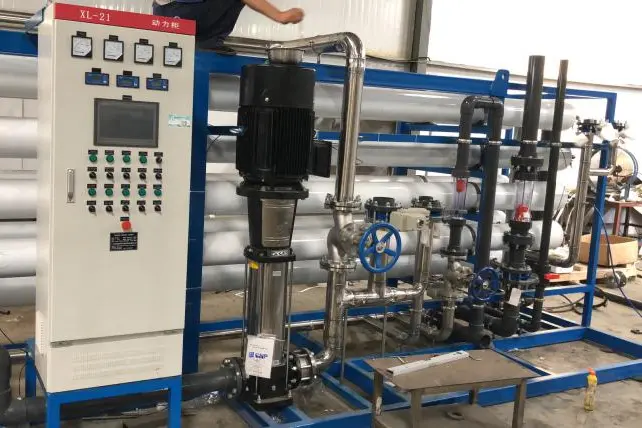
5 tons of seawater desalination equipment in Morocco
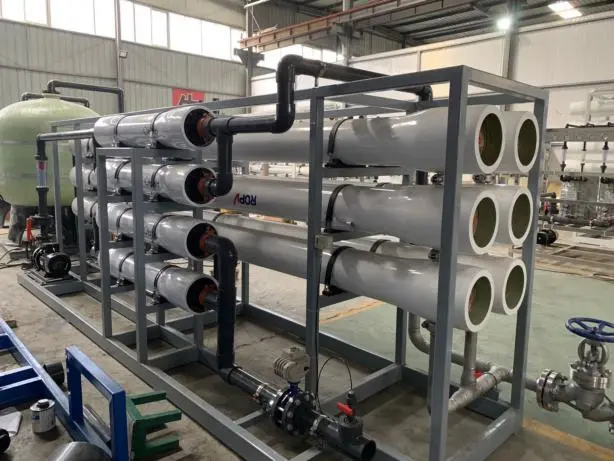
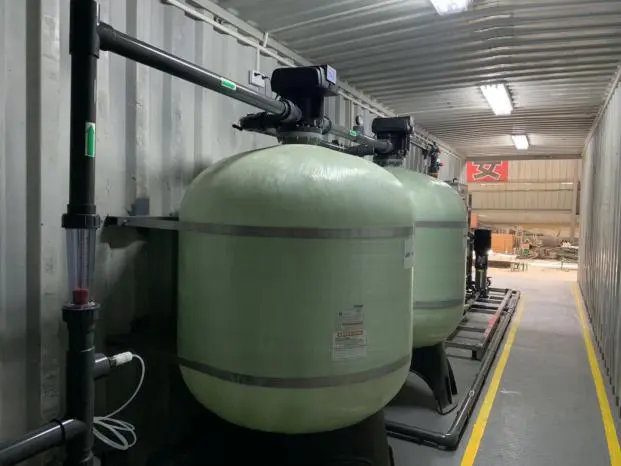
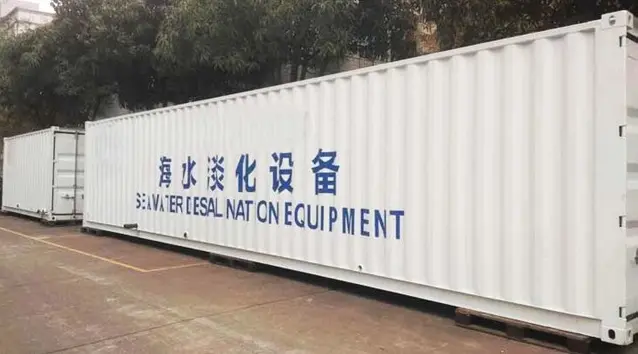
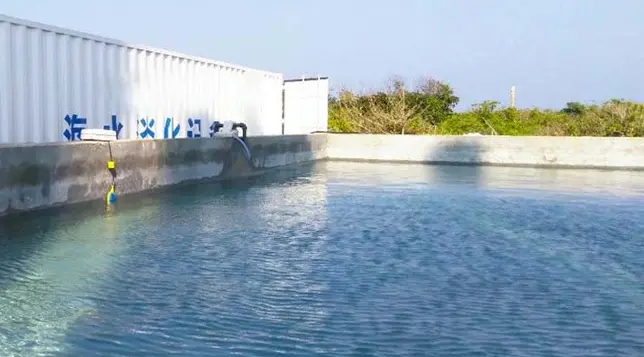
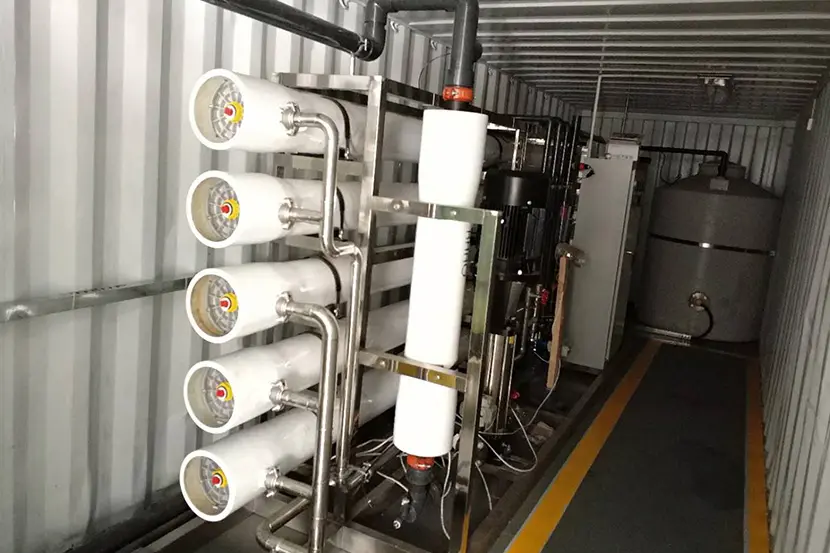
France OFW company desalination high purity water project
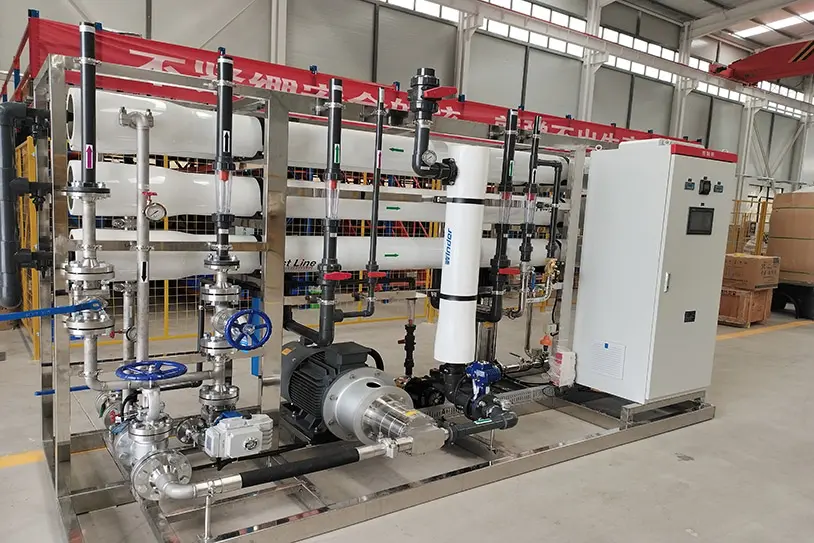
Installation city: Poland
Installation equipment: single double stage reverse osmosis +EDI system
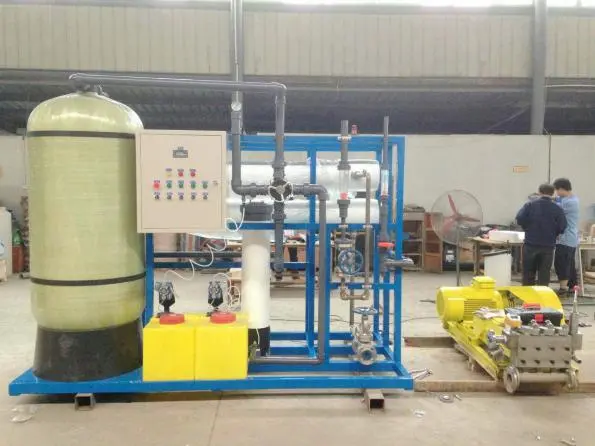
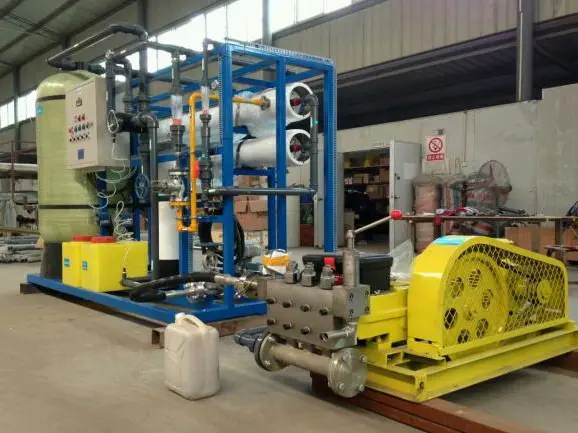
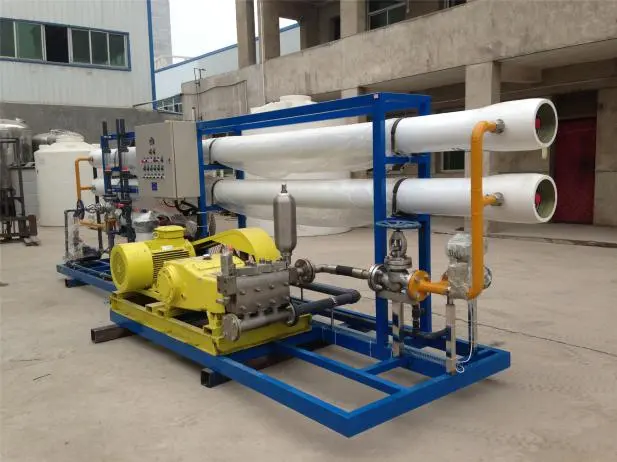
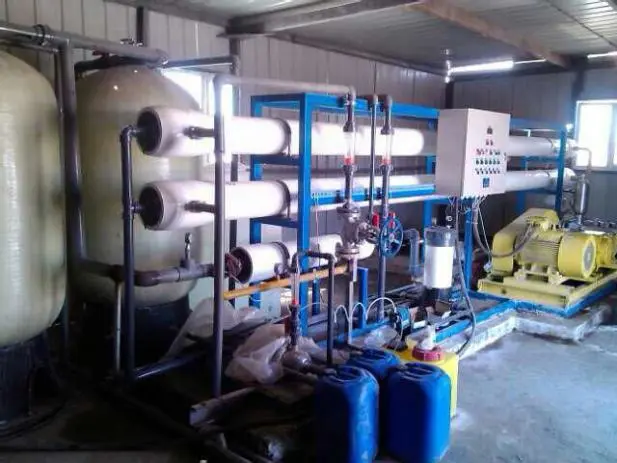
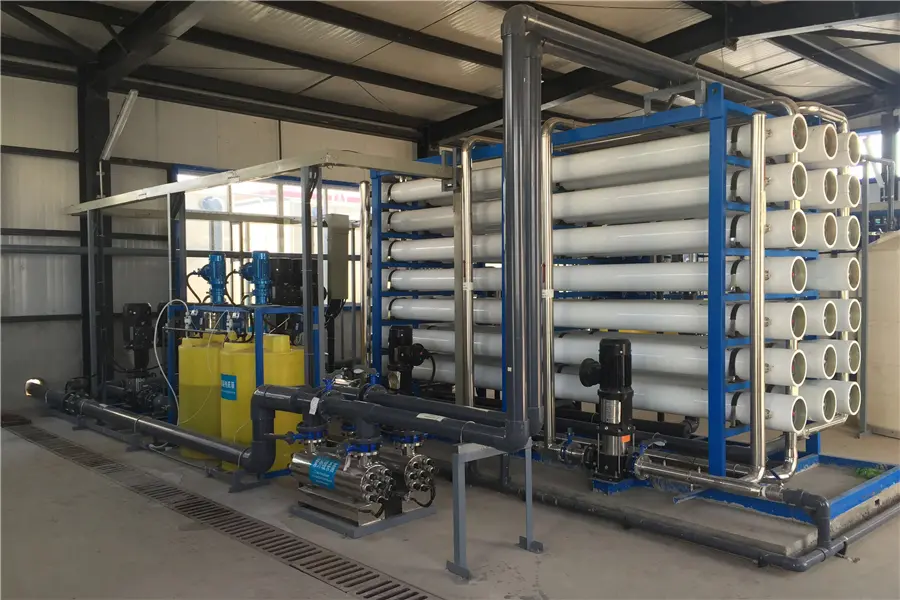
IKKI desalination project in Thailand
Installation city: Bangkok
Installation equipment: 2 sets of seawater desalination systems