







01


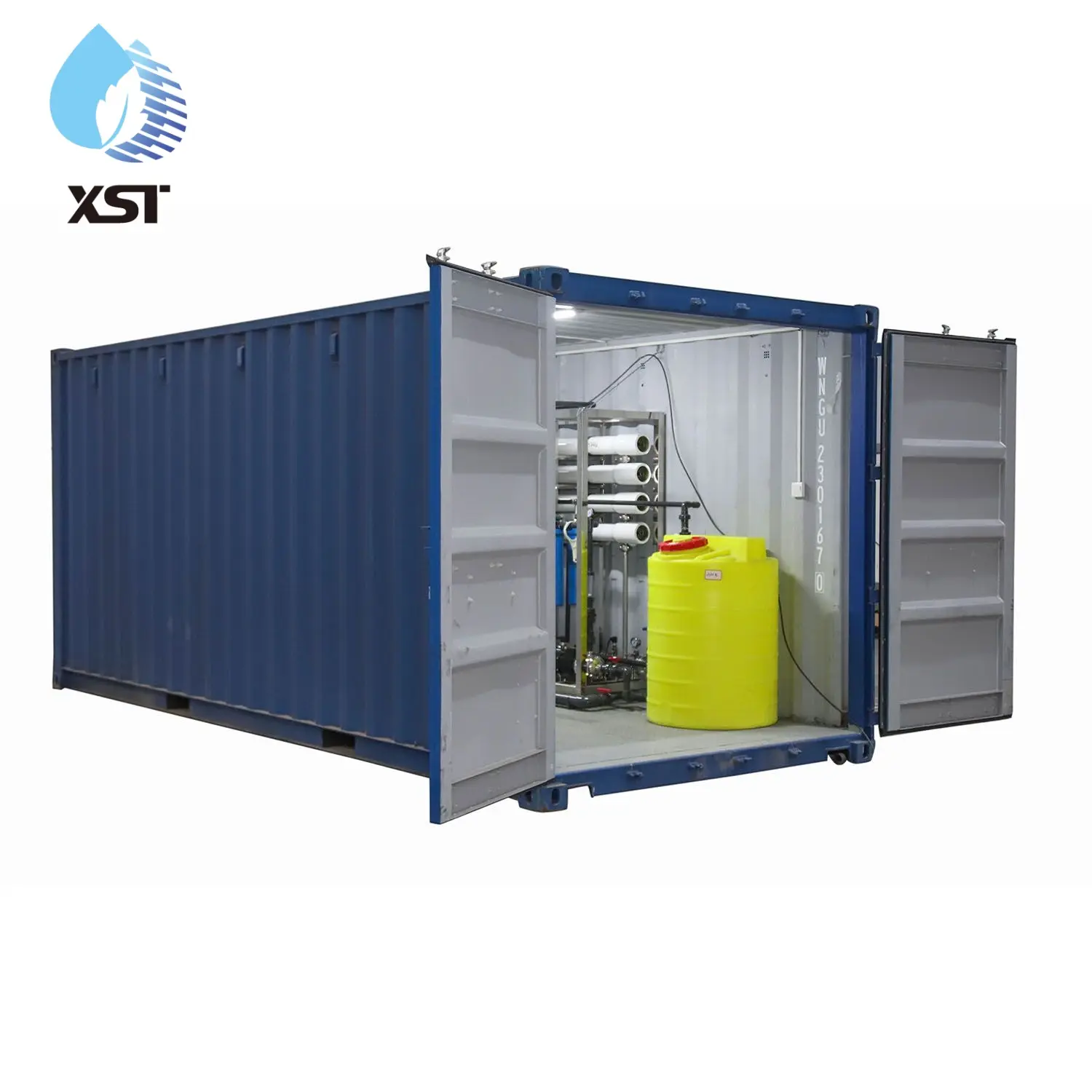
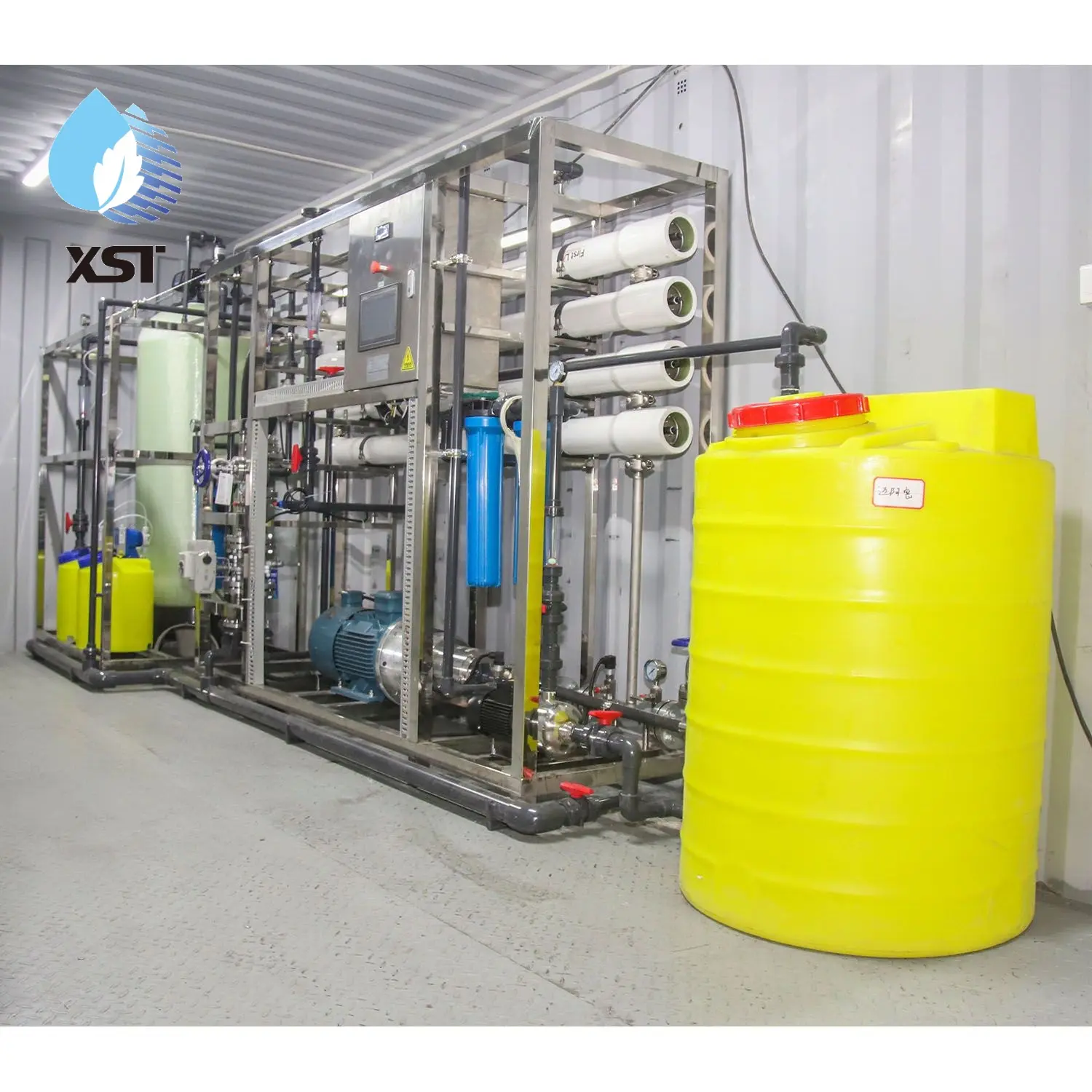
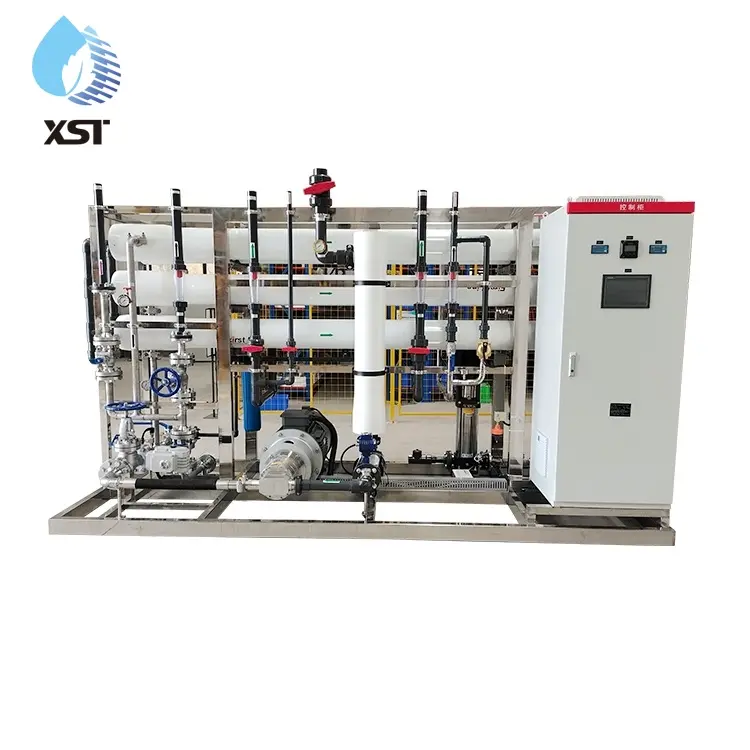
Seawater Desalination System for Seafood/boiler/cooling Tower
products Video
products description
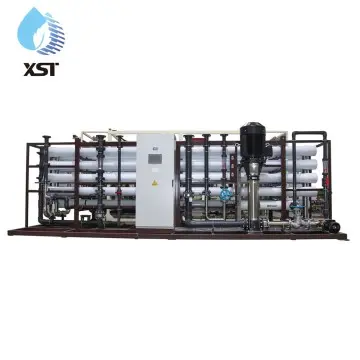
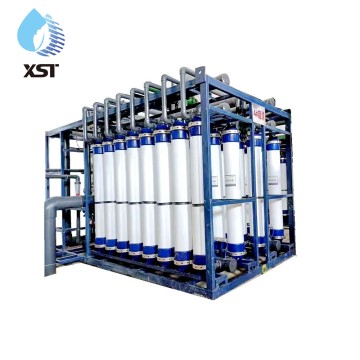
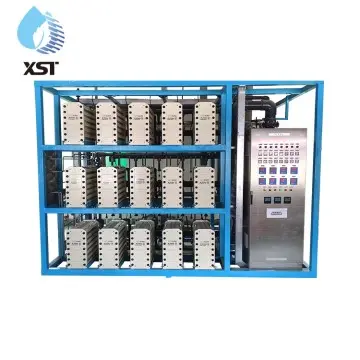
Desalination refers to the production of fresh water by desalting seawater. It is an open-source incremental technology for realizing water resource utilization, capable of increasing the total amount of fresh water while being unaffected by time, space, or climate. This technology offers excellent water quality at a reasonable cost and ensures stable water supply for coastal residents and industrial boilers. The process of obtaining fresh water from seawater is termed desalination. Currently, methods such as freezing, electrodialysis, distillation, and reverse osmosis are employed for seawater desalination. Among these, reverse osmosis using reverse osmosis membranes has rapidly gained market dominance due to its advantages of simple equipment, ease of maintenance, and modular design, gradually replacing distillation as the most widely adopted method.
Seawater reverse osmosis, also known as ultrafiltration, is a membrane separation desalination method first introduced in 1953. Seawater and fresh water are separated by a semi-permeable membrane that allows only the solvent to pass through while blocking the solute. The key advantage of reverse osmosis is energy savings; its energy consumption is only half that of electrodialysis and one-fortieth that of distillation. Consequently, since 1974, developed countries like the United States and Japan have shifted their focus toward reverse osmosis development.
Reverse osmosis desalination technology is advancing rapidly, with both engineering and operational costs continuously decreasing. Key trends include reducing the operating pressure of reverse osmosis membranes, enhancing the recovery rate of reverse osmosis systems, developing low-cost pretreatment technologies, and improving the system's anti-pollution capabilities.
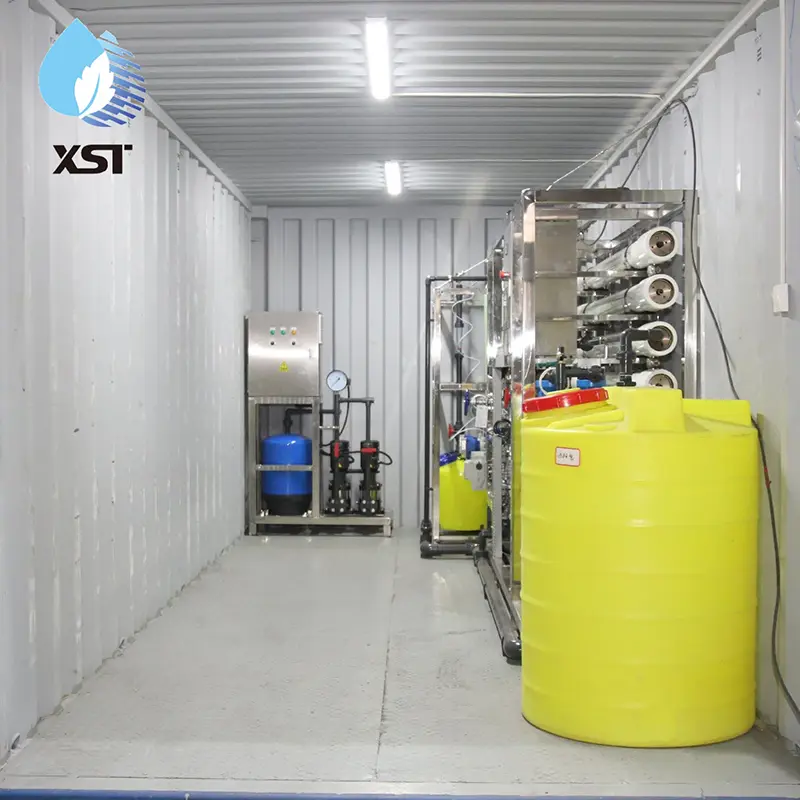
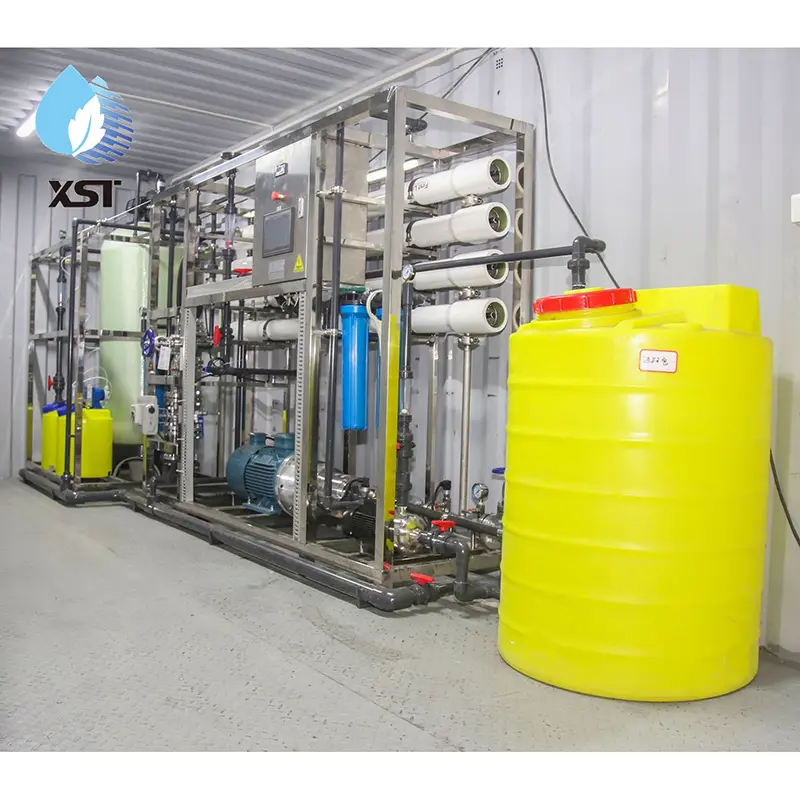
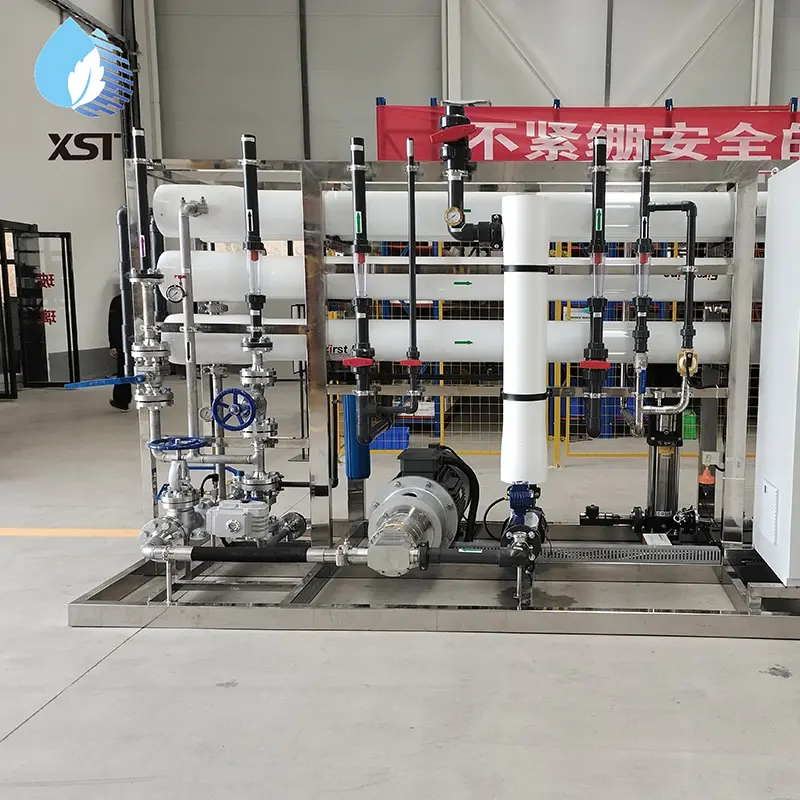
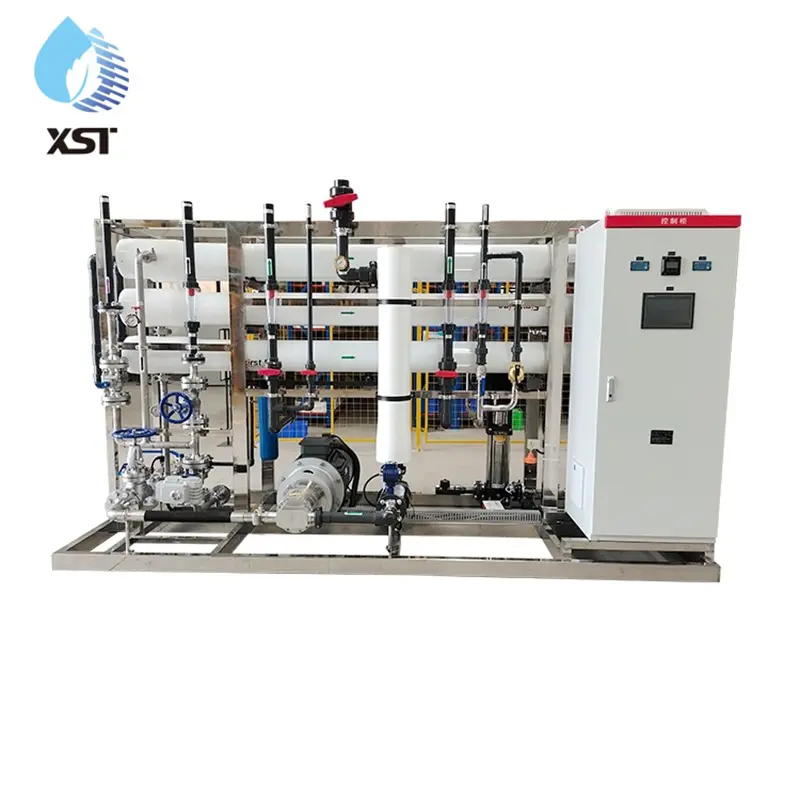
Main Features
1. Broad removal of impurities, including not only inorganic salt ions but also various organic contaminants.
2. No phase change during the water separation process, with a high desalination rate (up to 99.7%).
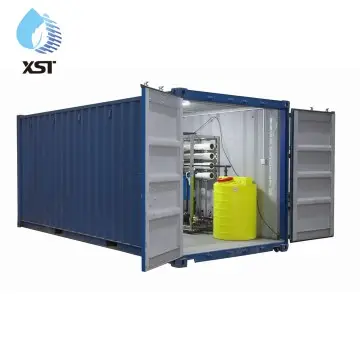
3. High water production capacity, compact equipment size, enabling skid-mounted installation or customization based on actual site dimensions.
4. Low energy consumption, self-controlled operation, and low investment costs.
5. Strong adaptability, wide application range, and no environmental pollution.
Operating Conditions
To ensure the stable and safe operation of the reverse osmosis system, the following water intake requirements (effluent requirements of pretreatment equipment) are specified:
(1) Pollution Index (SDI): ≤5
(2) Residual Chlorine: < 0.1 mg/L (OT Method)
(3) Oxygen Consumption: < 2 mg/L (Mn Method)
(4) Turbidity: < 1.0 NTU
(5) Langlier Saturation Index (LSI): < 0
(6) Water temperature range: 5 ~ 35°C
Scope of Application
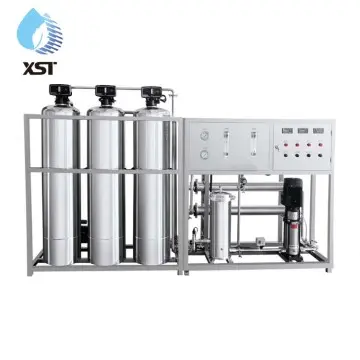
Seawater reverse osmosis equipment, as the core treatment component of seawater desalination systems, combined with pretreatment and subsequent desalination systems, has been widely applied in desalination treatment, electronics, chemicals, pharmaceuticals, food and beverages, metallurgy, and environmental protection fields.