







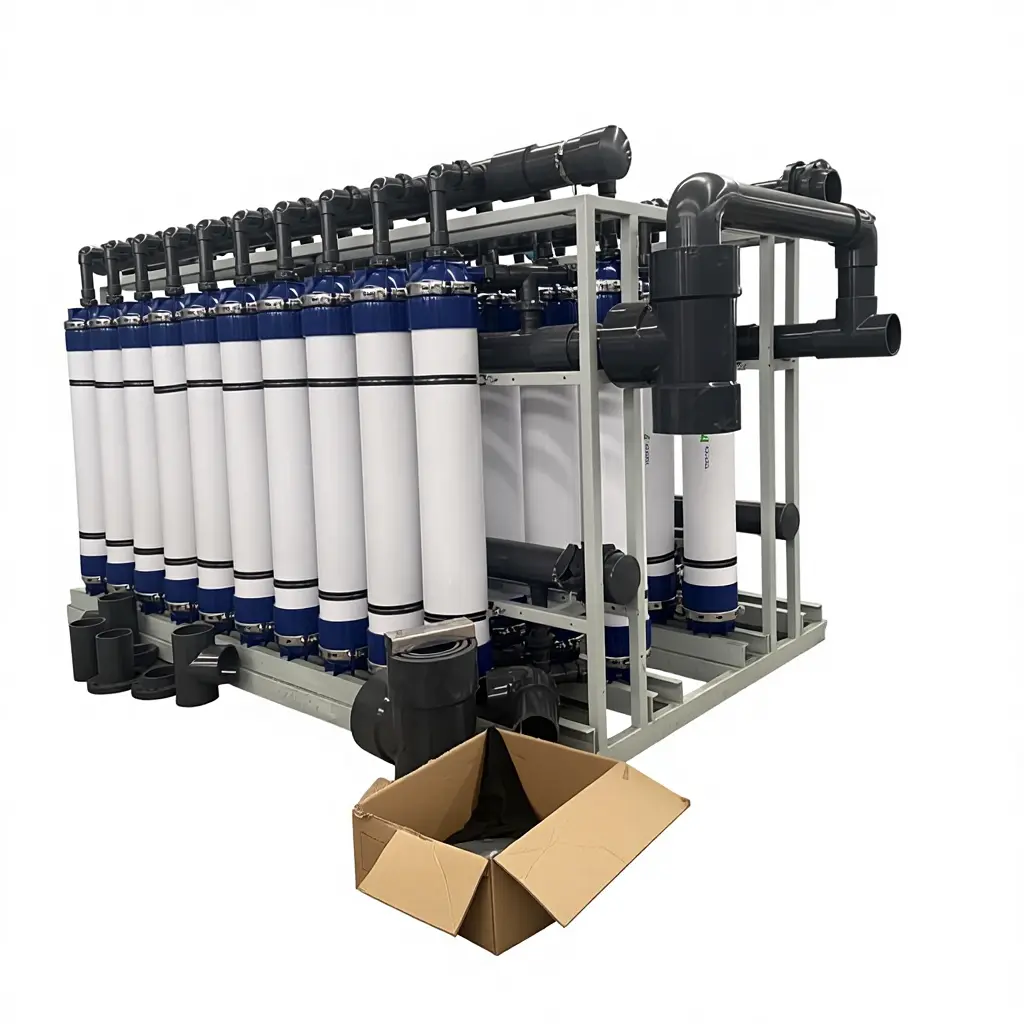
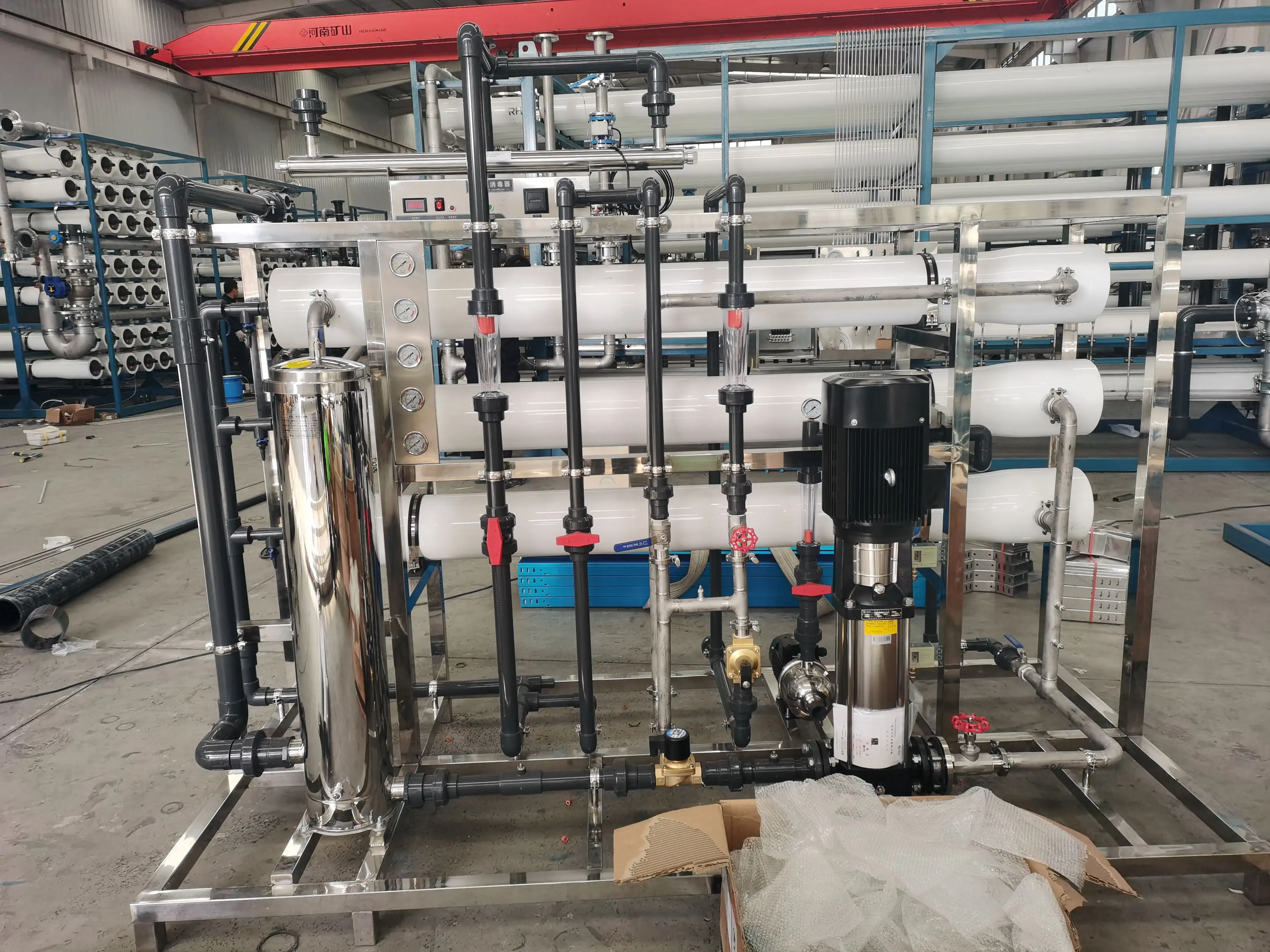
Product News
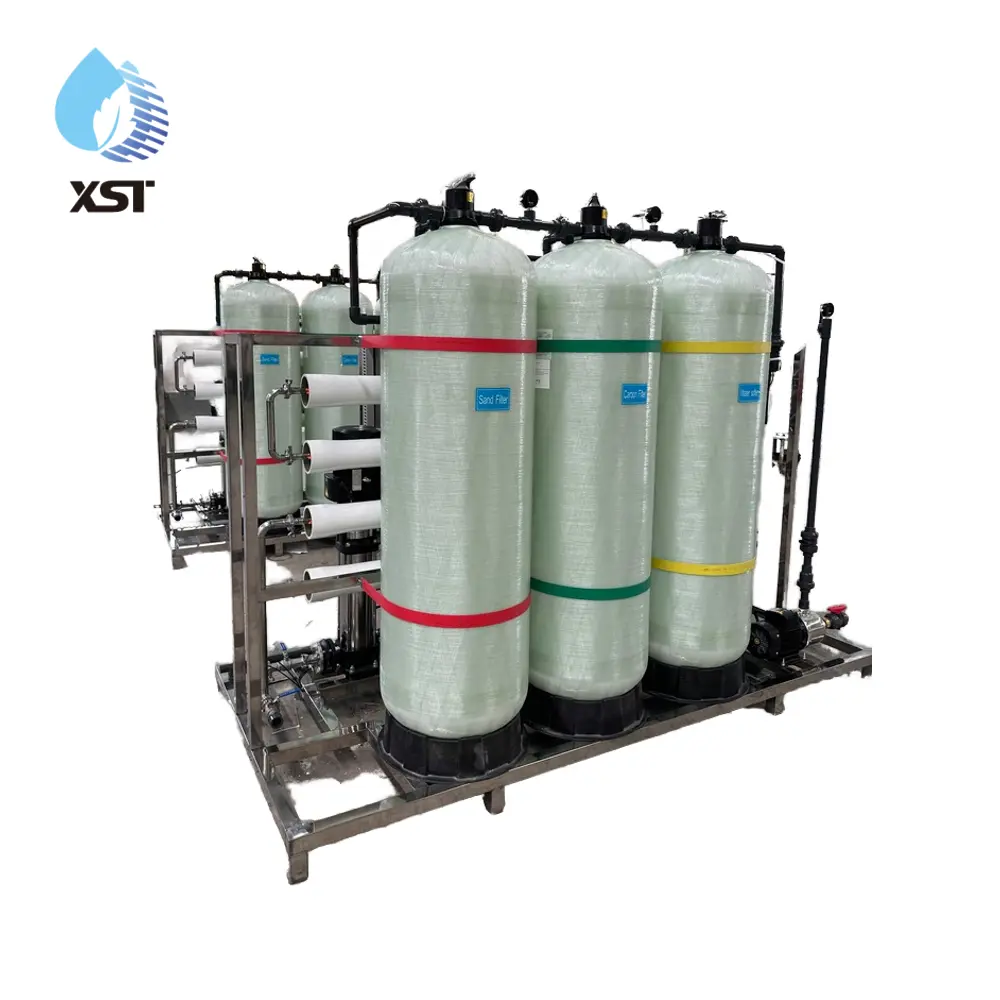
How to protect the reverse osmosis device when it is shut down?
The purpose of the Reverse Osmosis device shutdown protection is: ① to avoid the growth and contamination of organisms; ② to prevent the formation of metastable salts and scaling in the presence of scale inhibitors when the membrane is shut down, resulting in performance degradation.
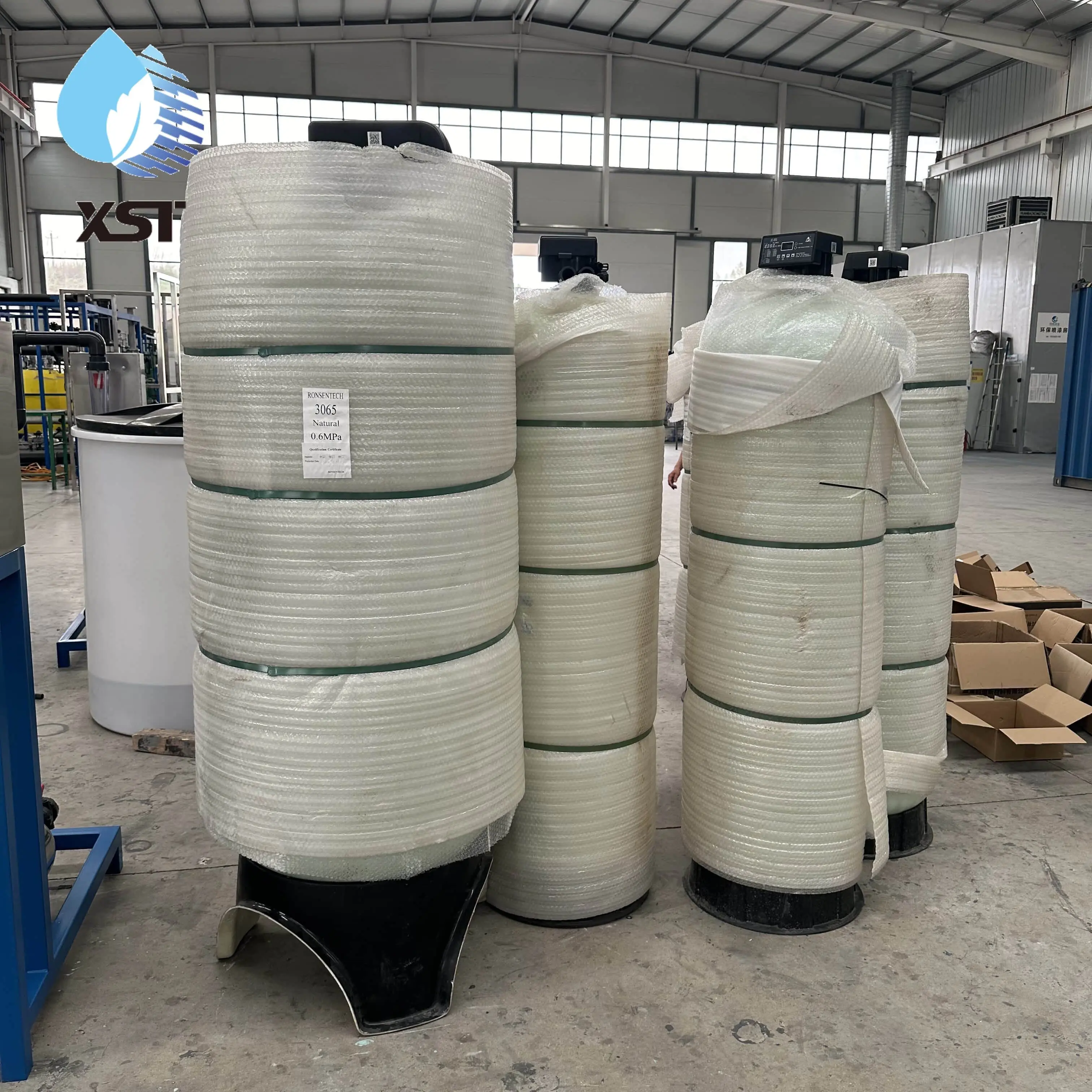
Common processes for softening pretreatment of high-salt wastewater 1
High-salt wastewater usually contains high concentrations of calcium, magnesium, silicon ions and heavy metals, and needs to be softened pretreatment to reduce the water hardness to meet the requirements of subsequent membrane concentration or evaporation crystallization processes. The current mainstream softening technologies include chemical precipitation, membrane separation and ion exchange.
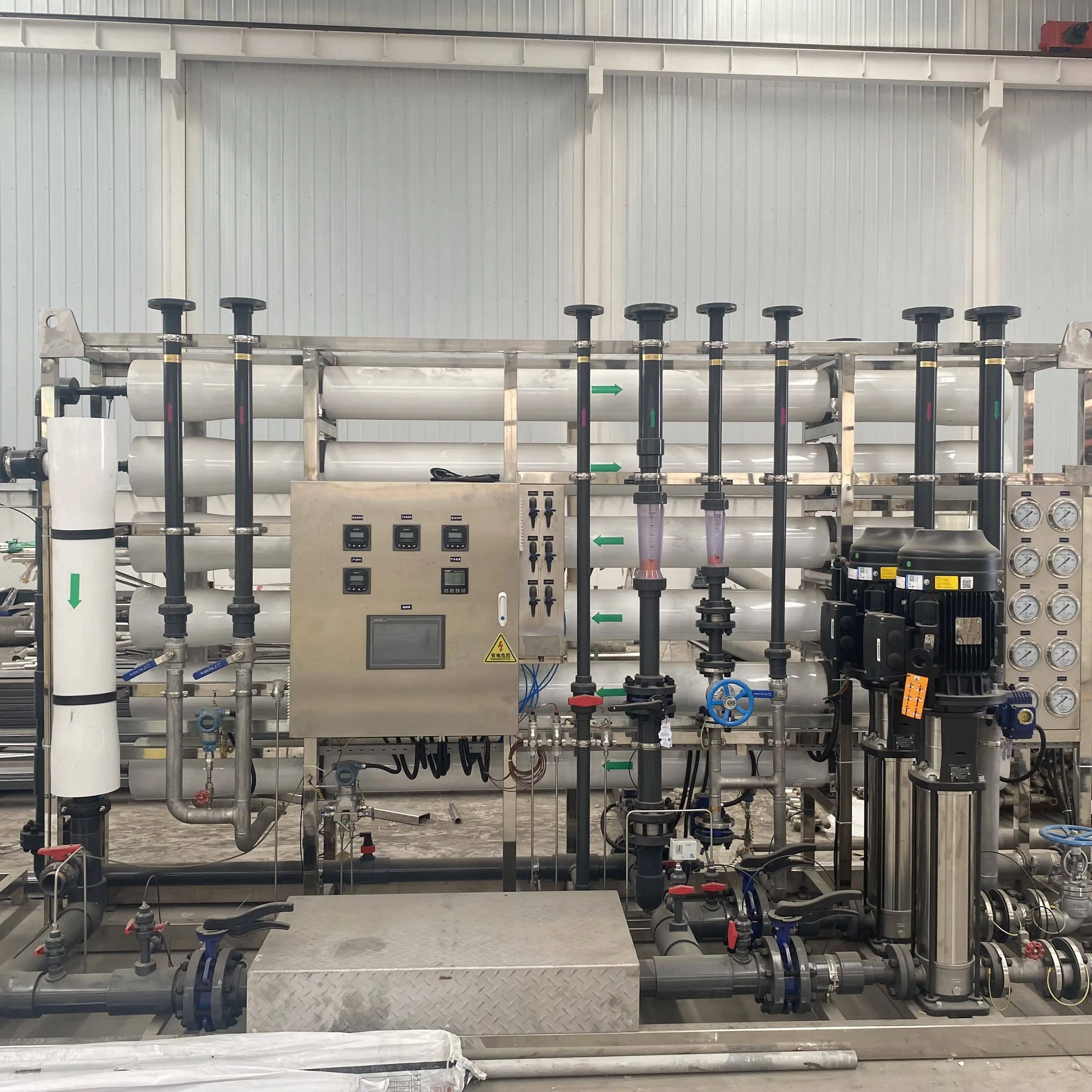
How to understand water quality based on the relationship between hardness and alkalinity?
Hardness and alkalinity in natural water are important indicators of water quality. Hardness mainly refers to the total concentration of calcium ions (Ca²⁺) and magnesium ions (Mg²⁺) in water, while alkalinity is mainly determined by bicarbonate ions (HCO₃⁻). The relationship between the two directly affects the composition of dissolved salts in water, and thus reflects the chemical properties of the water body. According to the concentration ratio of the two, it can be divided into the following three situations:
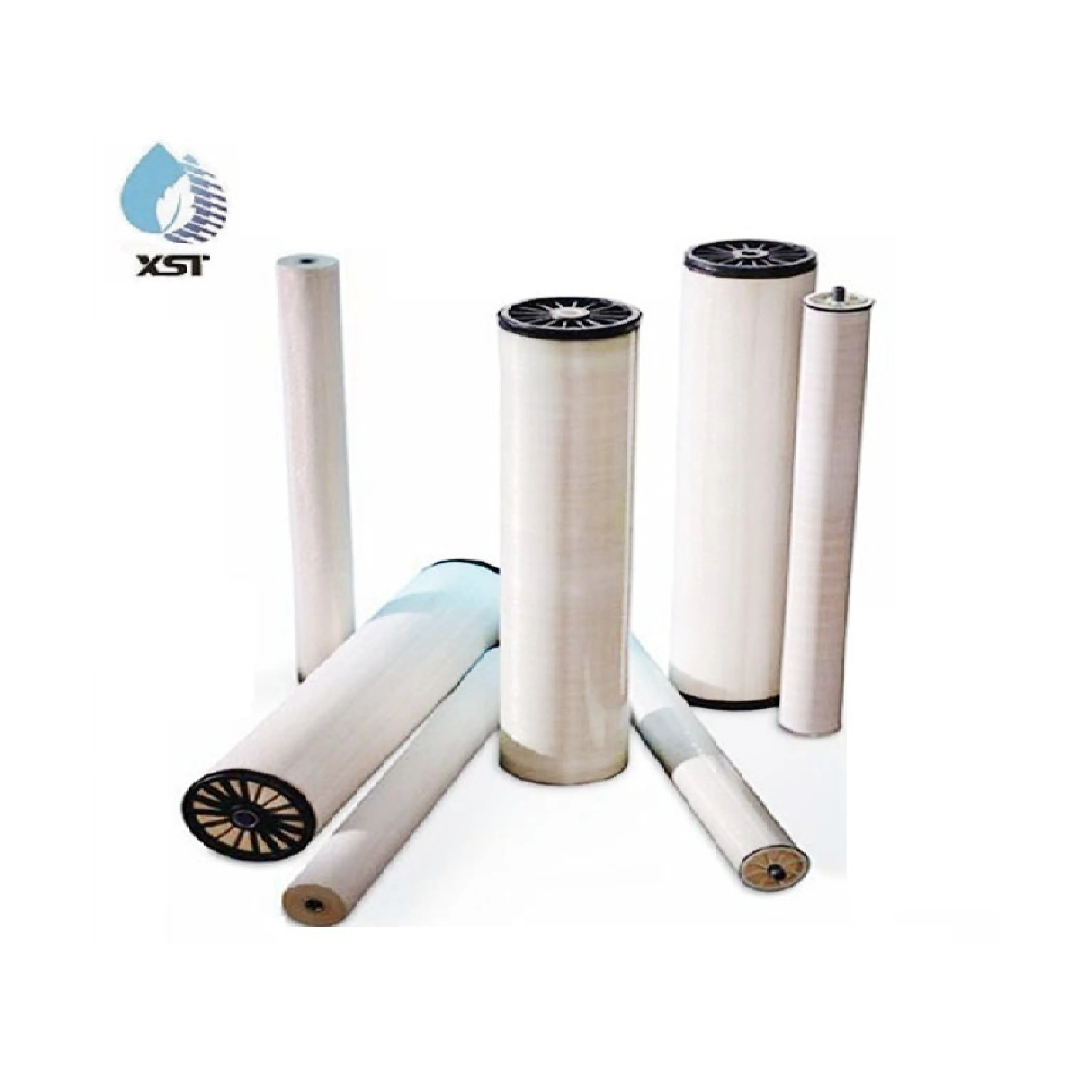
Analysis of the main factors affecting the performance of reverse osmosis membranes
1. The influence of inlet water pressure on Reverse Osmosis Membranes
The inlet water pressure itself does not affect the salt permeation, but the increase in inlet water pressure increases the net pressure driving reverse osmosis, which increases the water production. At the same time, the salt permeation remains almost unchanged. The increased water production dilutes the salt permeating the membrane, reduces the salt permeability, and increases the desalination rate.
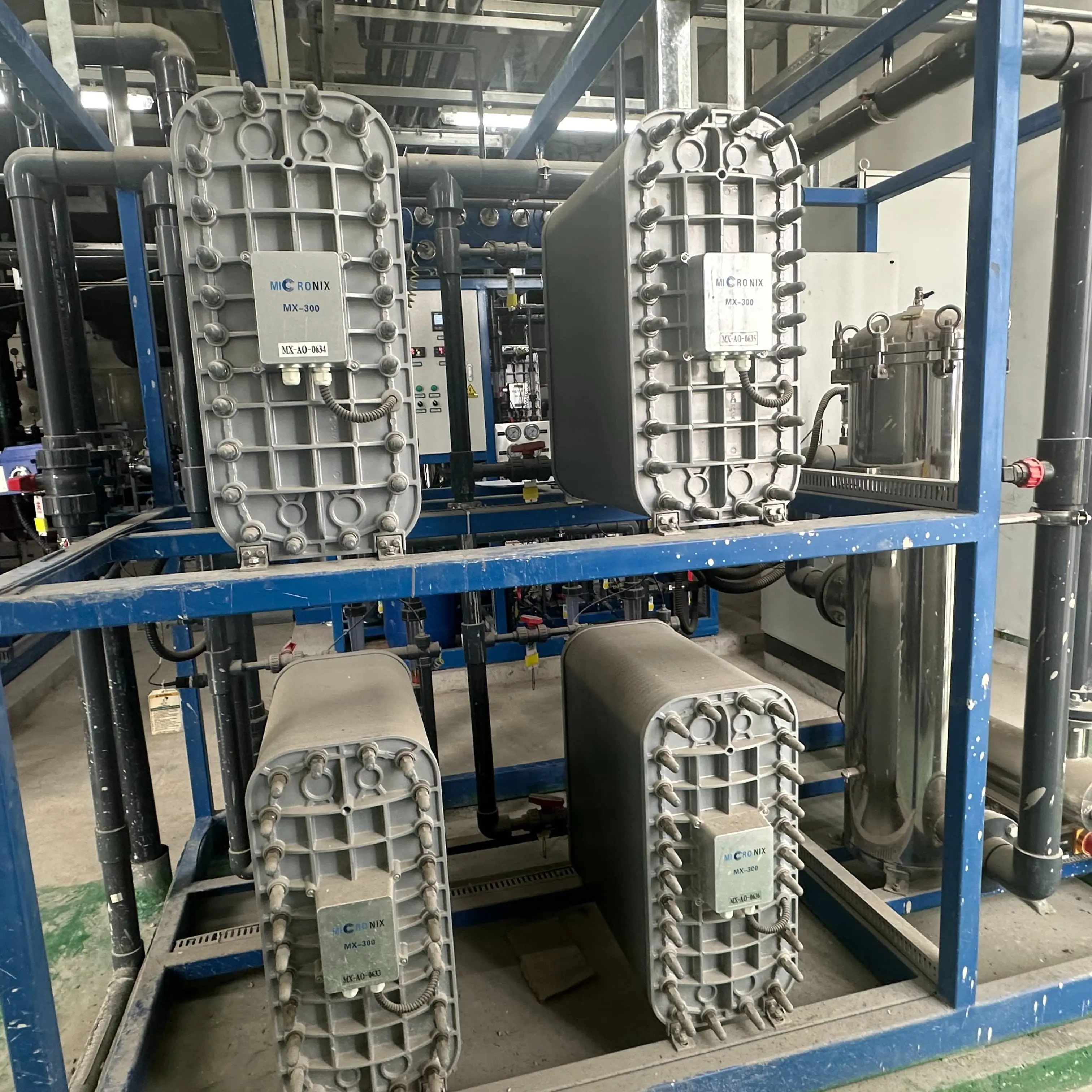
EDI ultrapure water system deionization technology
EDI technology combines two mature Water Treatment technologies - electrodialysis technology and ion exchange technology. my country calls this packed bed electrodialysis or electrodeionization technology. It mainly replaces the traditional ion exchange mixed bed to produce high-purity water.
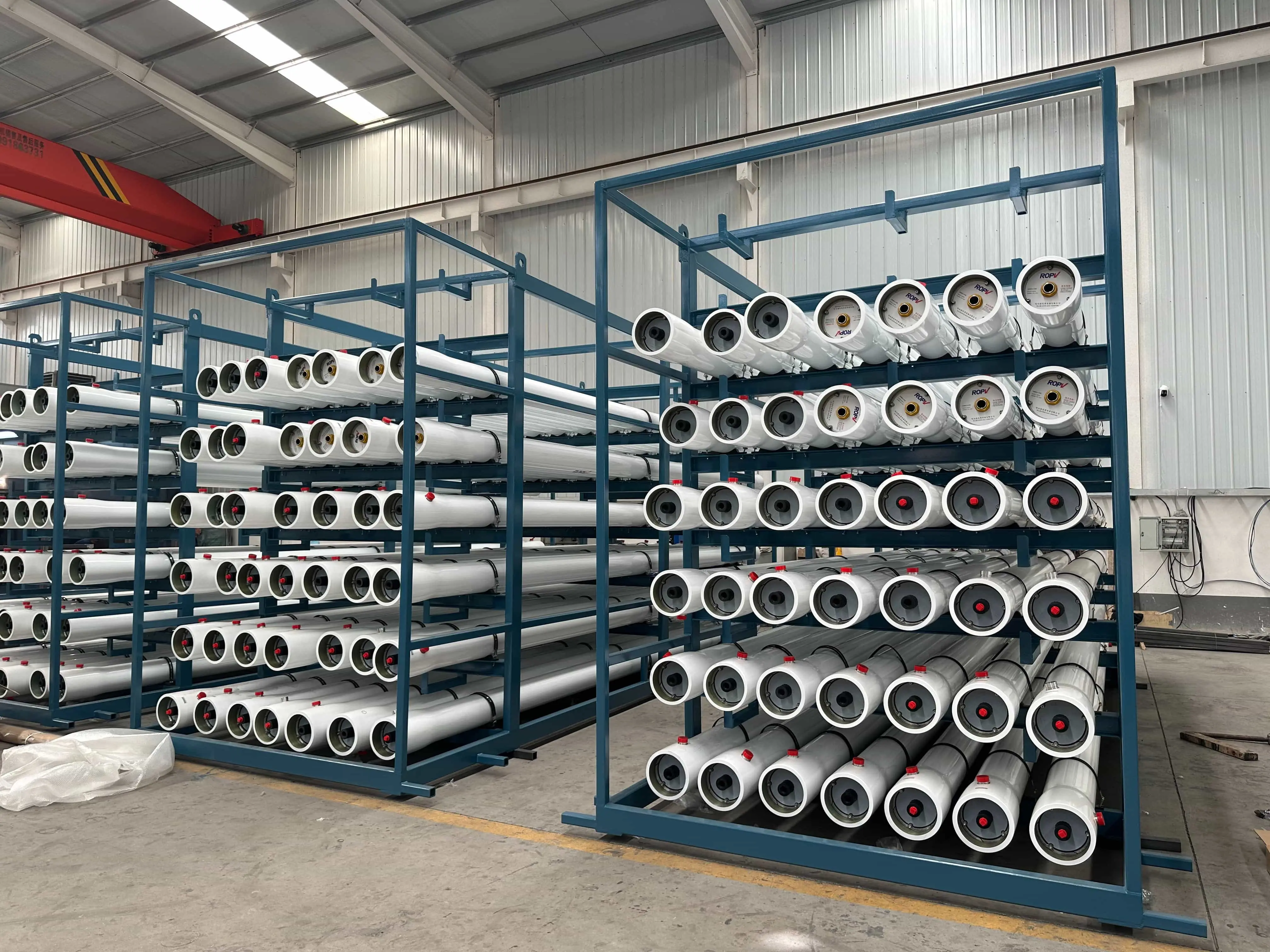
Several processes for pure water treatment (2)
IV. Ion exchange (IX) pure water treatment process
The principle of ion exchange is to exchange inorganic salt anions and cations in water, such as calcium ions Ca2+, magnesium ions Mg2+, sulfate SO42-, nitrate NO3-, etc., with ion exchange resins, so that the anions and cations in the water are exchanged with the anions and cations in the resin, thereby purifying the water.
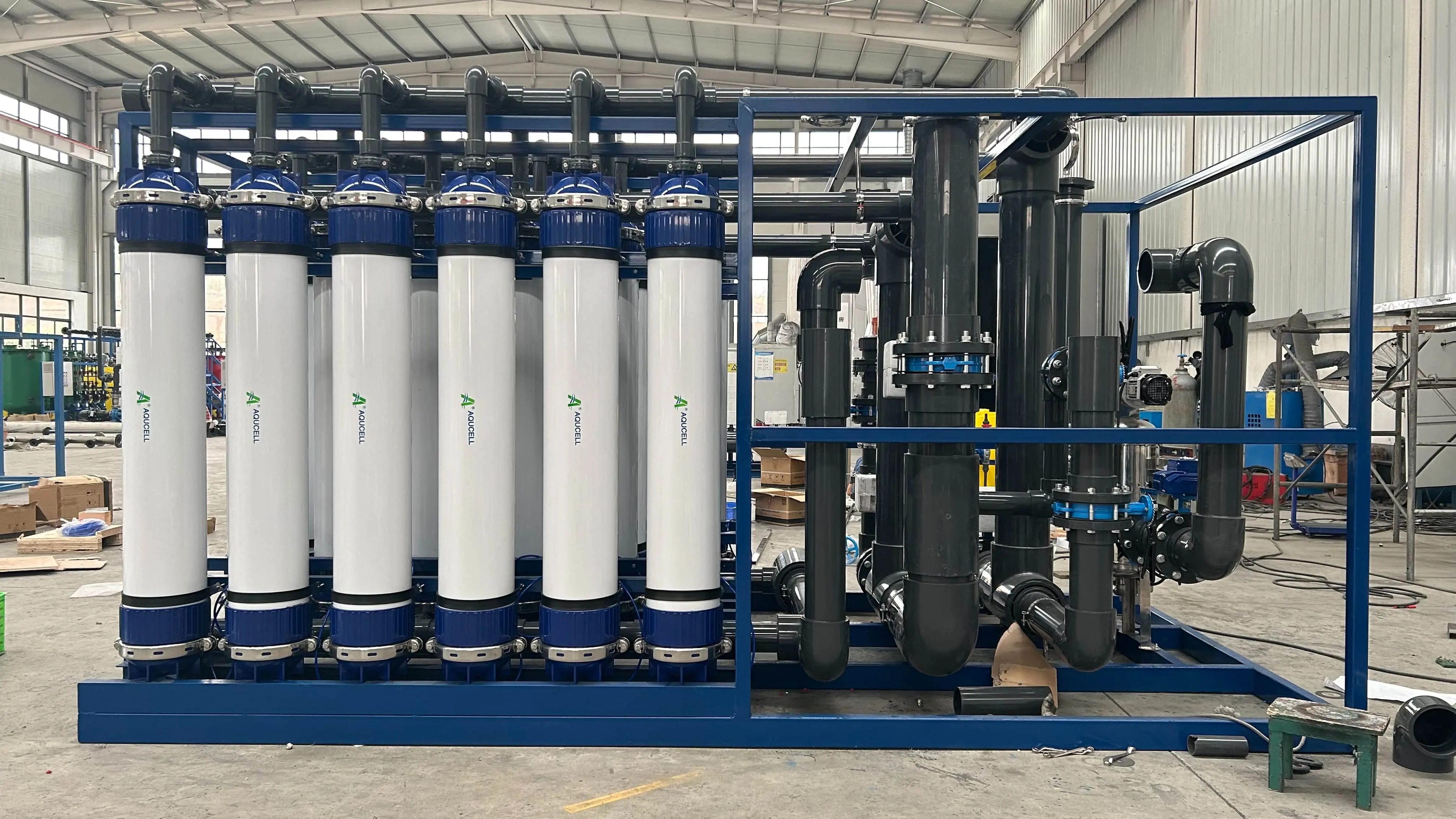
Application of ultrafiltration membrane technology in water treatment for environmental protection projects
Urban drinking water purification:
With the development of society, people have higher and higher requirements for drinking water safety, but at the same time, the pollution of urban water sources in my country is becoming increasingly serious. The water quality of direct water is increasingly unable to meet the standards of drinking water, so it is necessary to purify urban drinking water.
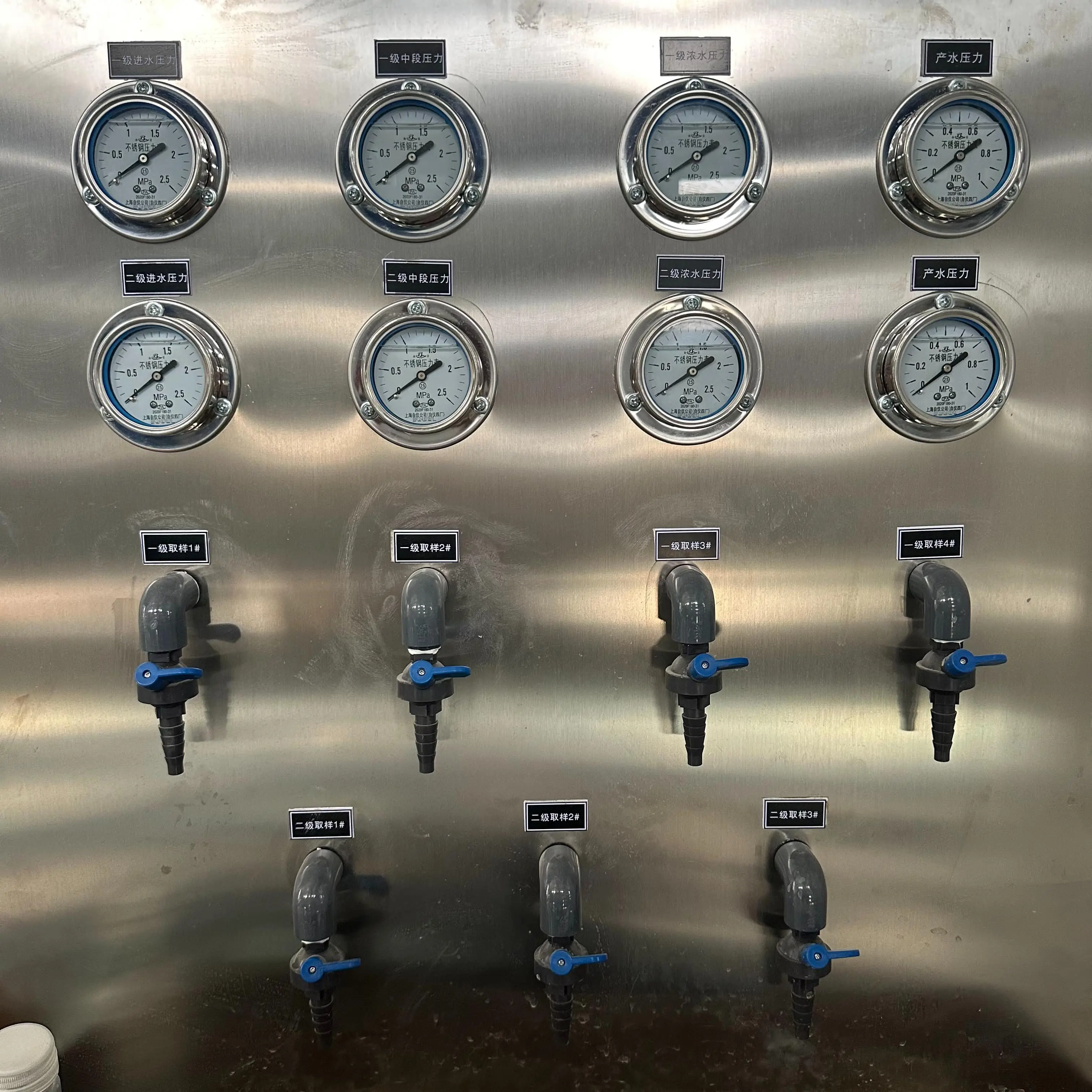
What common instruments are needed for reverse osmosis systems?
In order to ensure safe and reliable operation of the RO device and facilitate monitoring during operation, necessary instruments and control devices should be installed. Generally, the instruments that need to be installed are temperature meters, flow meters, pressure gauges, conductivity meters, oxidation potential meters, chlorine meters, and pH meters. The details are as follows:

The water softener softens hard water through ion exchange.
Calcium and magnesium ions in natural water are the main causes of hard water, and they are prone to scale formation. The water softener is equipped with resin beads, which are negatively charged and adsorb sodium ions. When hard water flows through the resin, calcium and magnesium ions with stronger positive charges will replace the sodium ions on the resin and combine with the resin. The replaced sodium ions flow out with the water, resulting in "soft" water.

What adverse effects will the increase in water temperature have on ultrapure water equipment?
The normal operation of ultrapure water equipment has certain requirements for the inlet water temperature. Too high or too low will affect its performance. So, when the water temperature rises, what specific adverse effects will it have on the ultrapure water equipment?