







Product News
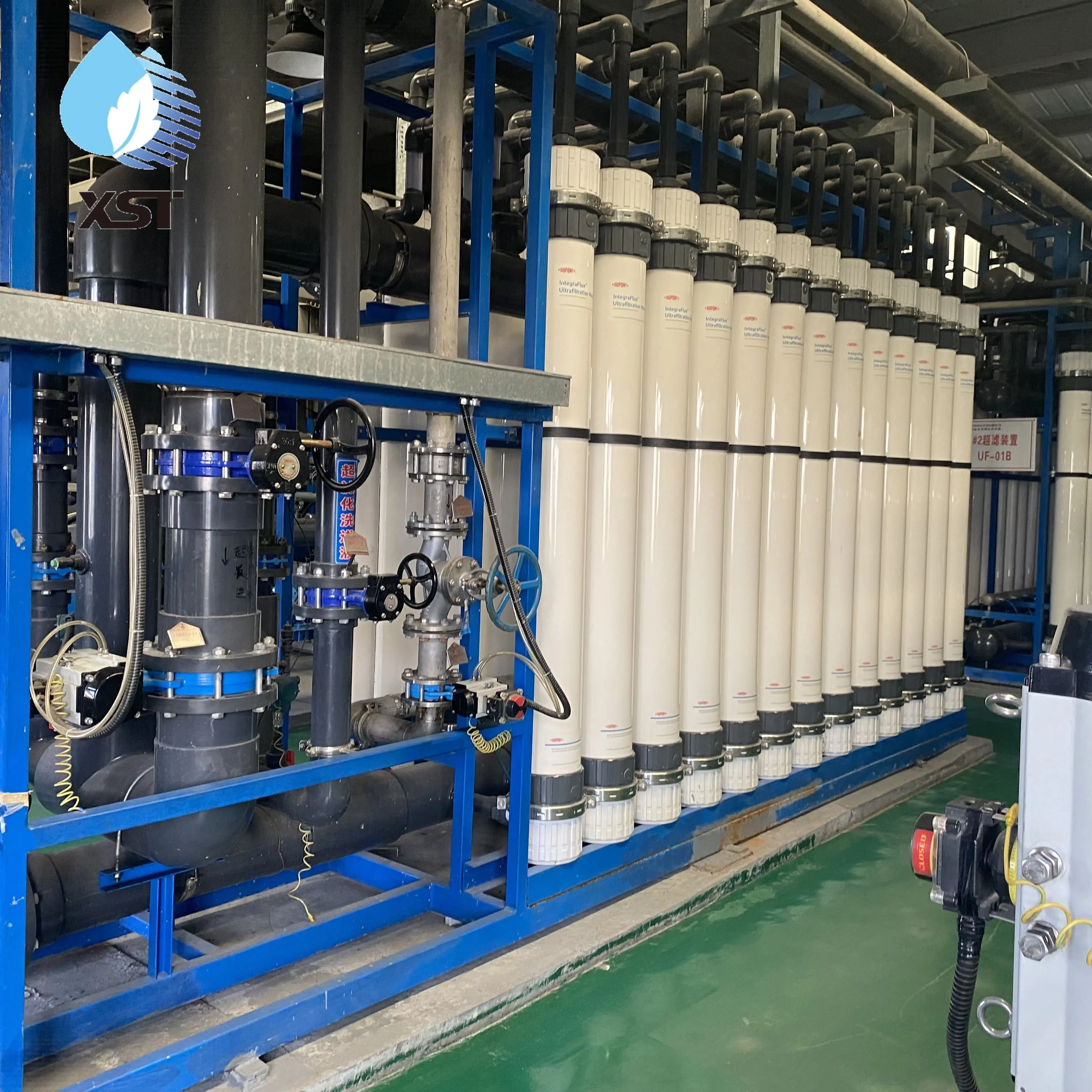
The Impact of Excessive Reducing Agent Addition on Reverse Osmosis
The impact of excessive reducing agent addition on Reverse Osmosis (RO) systems is a very practical and important issue in RO operation and maintenance. Many operators mistakenly believe that "more is better," but this is not the case.
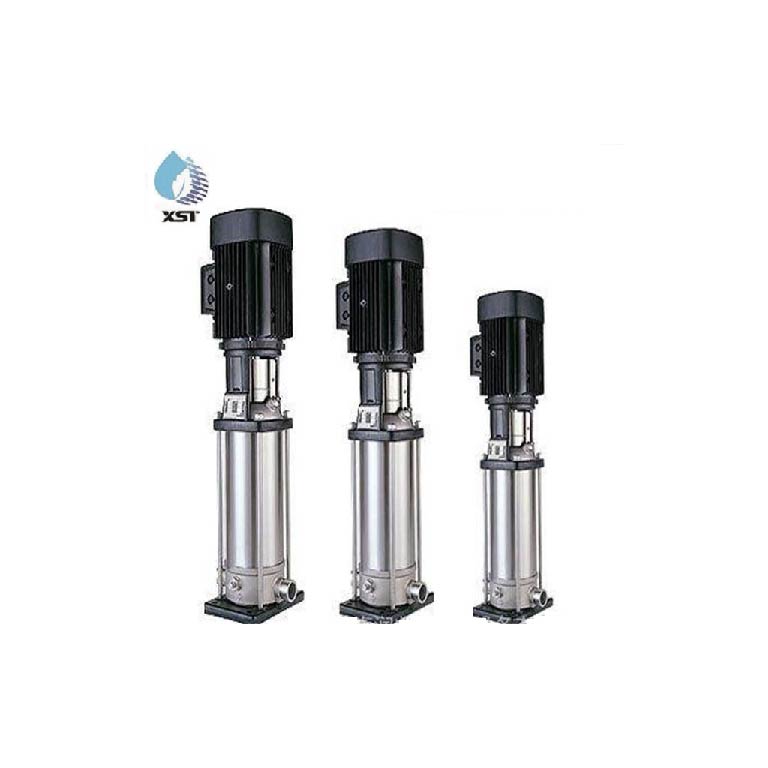
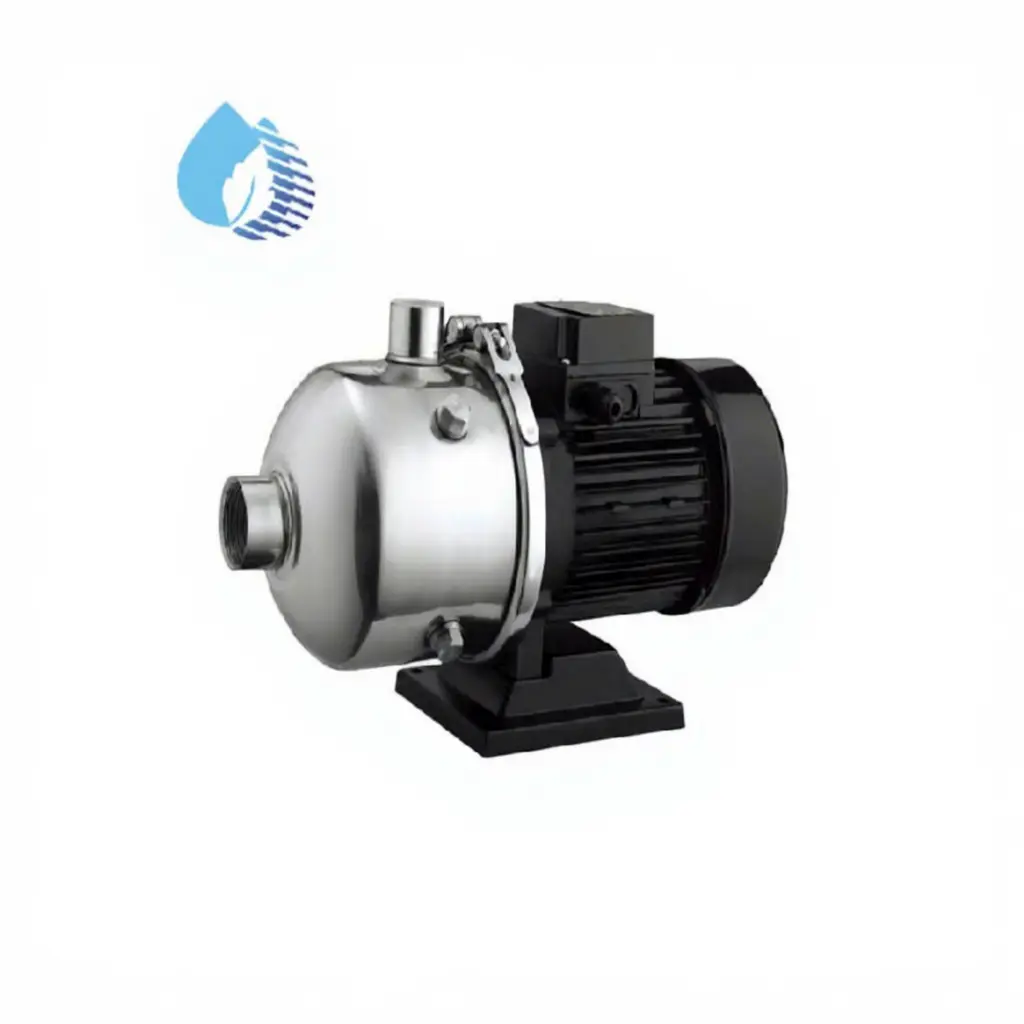
Common Sewage Pump Failures and Solutions
As the most fundamental component of all Sewage Treatment Plant equipment, the proper functioning of the pump directly impacts the plant's economic performance. Given the diverse types of sewage, such as industrial and domestic wastewater, and the varying composition of industrial wastewater, the pump requirements for each sewage treatment process also vary. However, the general goal is to achieve non-clogging, slow wear, a relatively long lifespan, corrosion resistance, energy conservation, environmental protection, and high efficiency.
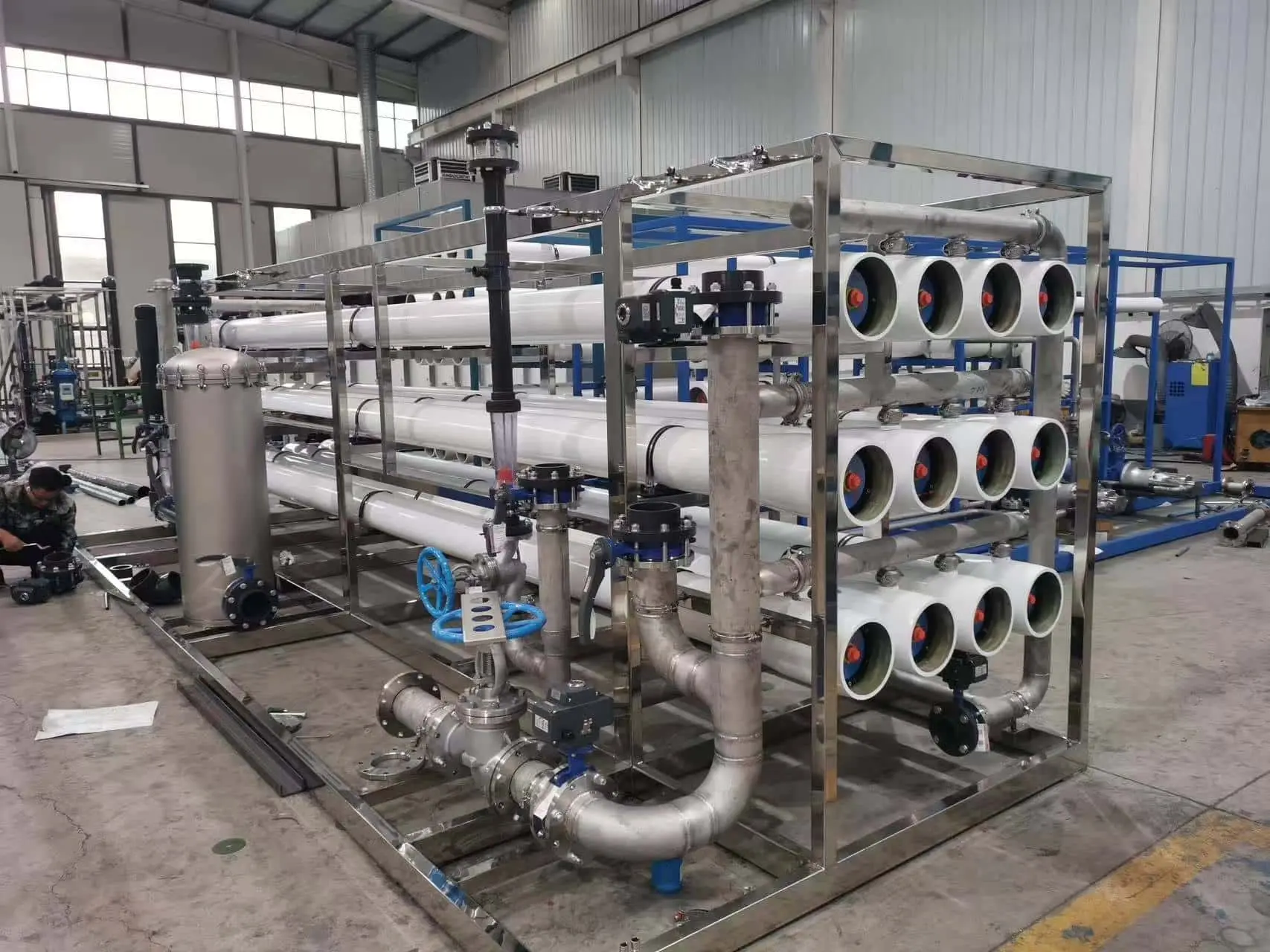
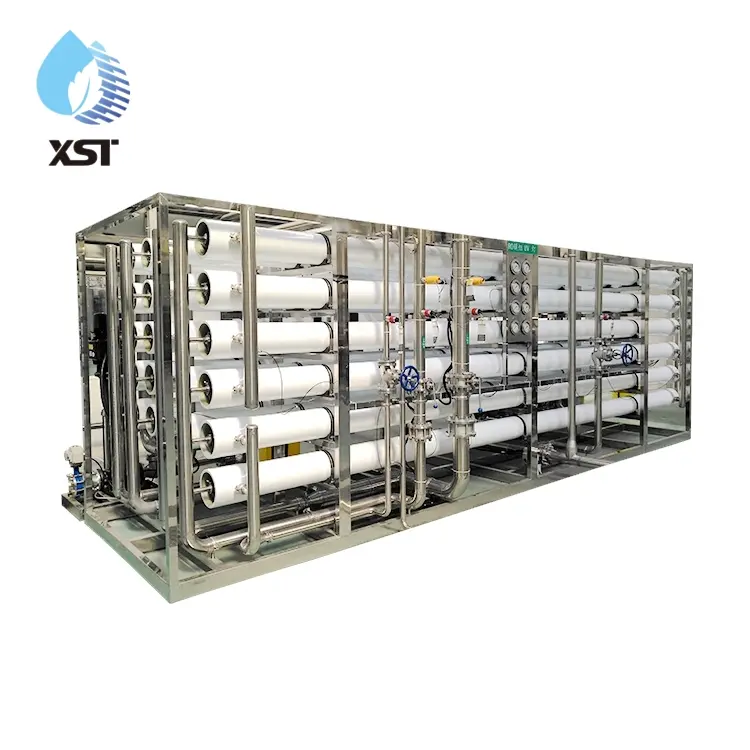
Working Principle and Maintenance of Reverse Osmosis Water Treatment Equipment (2)
IV. Reverse Osmosis System Introduction
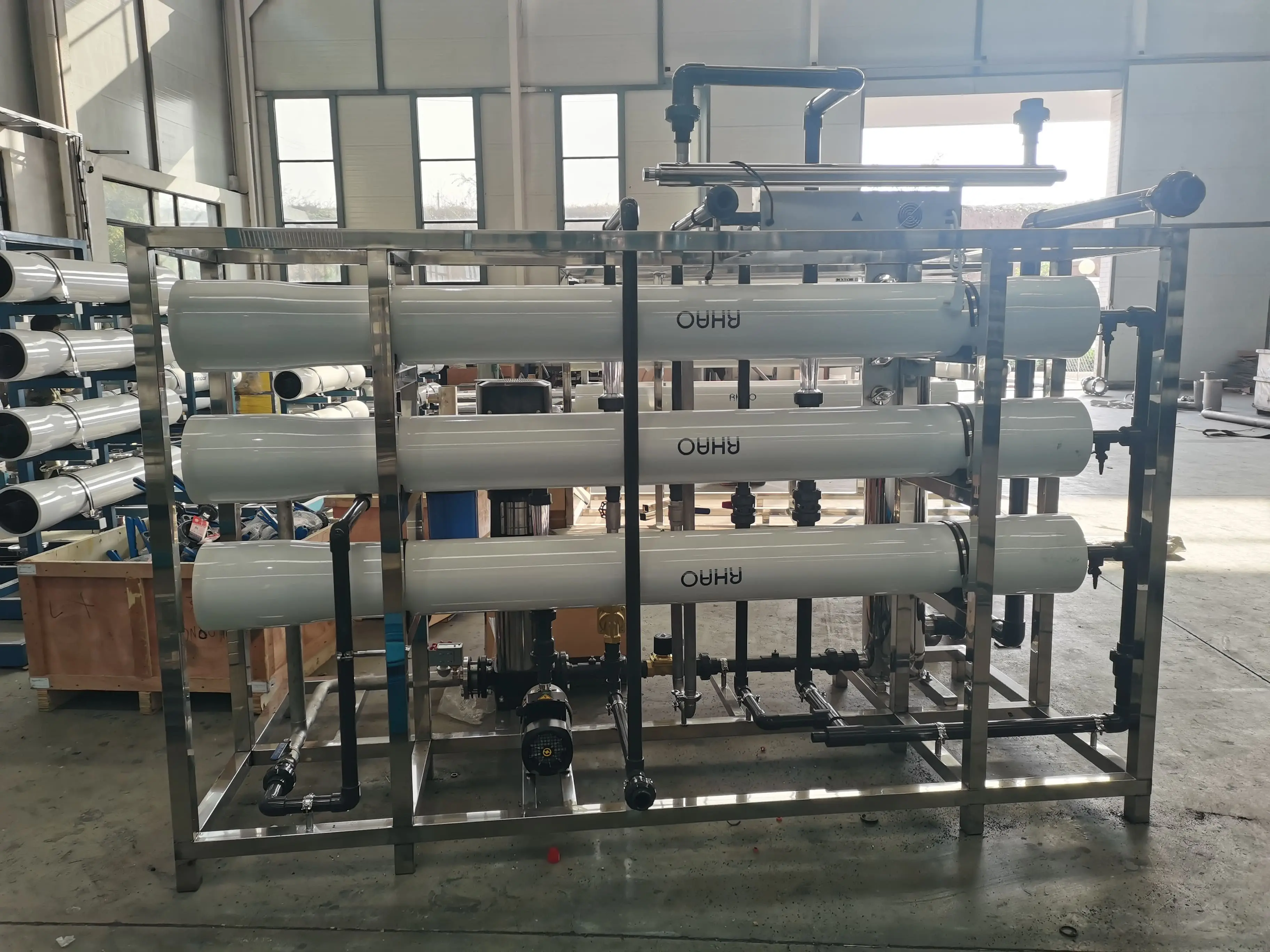
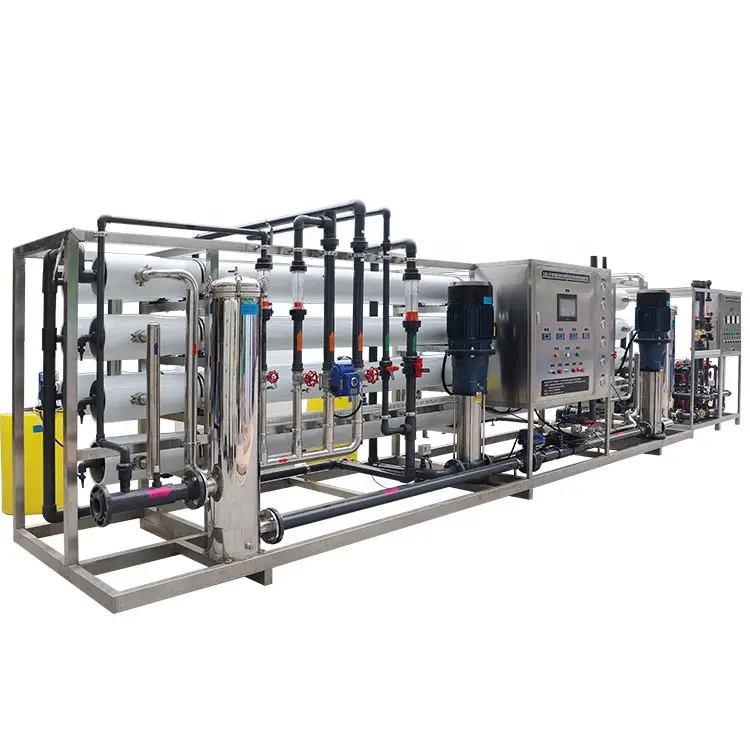
The reverse osmosis system primarily consists of a multi-stage high-pressure pump, reverse osmosis membrane elements, membrane housing (pressure vessel), and support. Its primary function is to remove impurities from water, ensuring that the output water meets usage requirements.
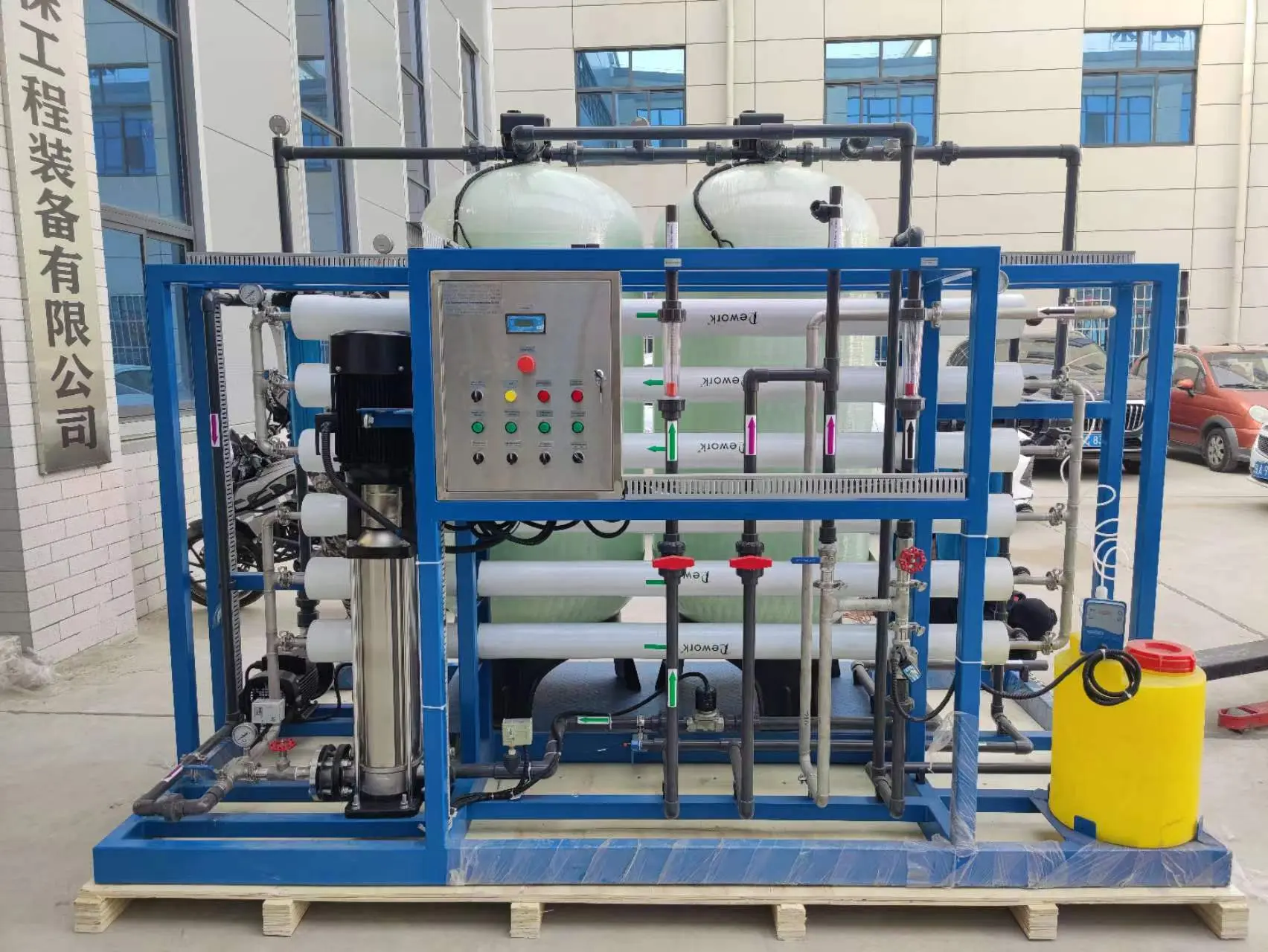
Working Principle and Maintenance of Reverse Osmosis Water Treatment Equipment (1)
I. Equipment Principle
Reverse osmosis water treatment equipment typically consists of three components: a raw water pretreatment system, a reverse osmosis purification system, and an ultrapurification post-treatment system.
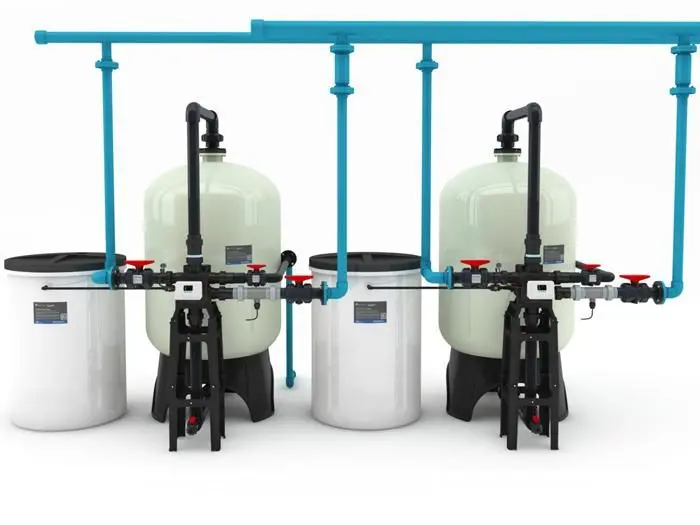
Unqualified Boiler Softened Water and Its Treatment 2
(III) Exceeding the hardness standard for soft water in current water softening equipment is primarily caused by the following:
1. The ratio of the feed water TDS value to the resin bed height or resin exchange capacity is excessive.
Compared to the initial water test with new resin, the feed water TDS requirement for current water softening equipment is more stringent. When the resin bed height is 1.5 meters, the total hardness is 10 mmol/L, and the feed water TDS value is ≥900 mg/L, ensuring a soft water hardness of ≤0.03 mmol/L becomes more difficult.
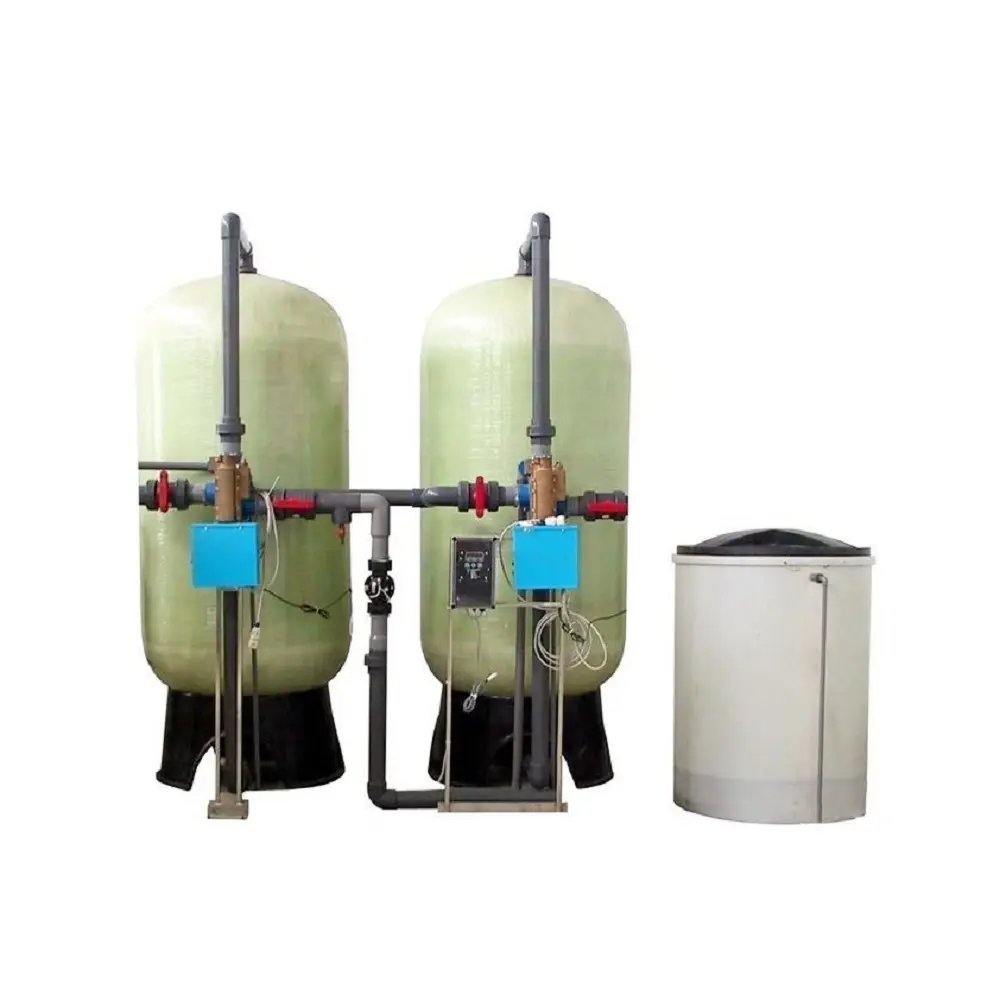
Unqualified Boiler Softened Water and Its Treatment 1
(I) Softening Equipment Outputs Qualified Water, but Soft Water Tank Water Exceeds Standard
If the water hardness in the soft water tank exceeds the standard, but the water sampling port on the softening equipment tests qualified, this indicates that the softening equipment's water production is unstable and excessive water has been injected into the soft water tank.
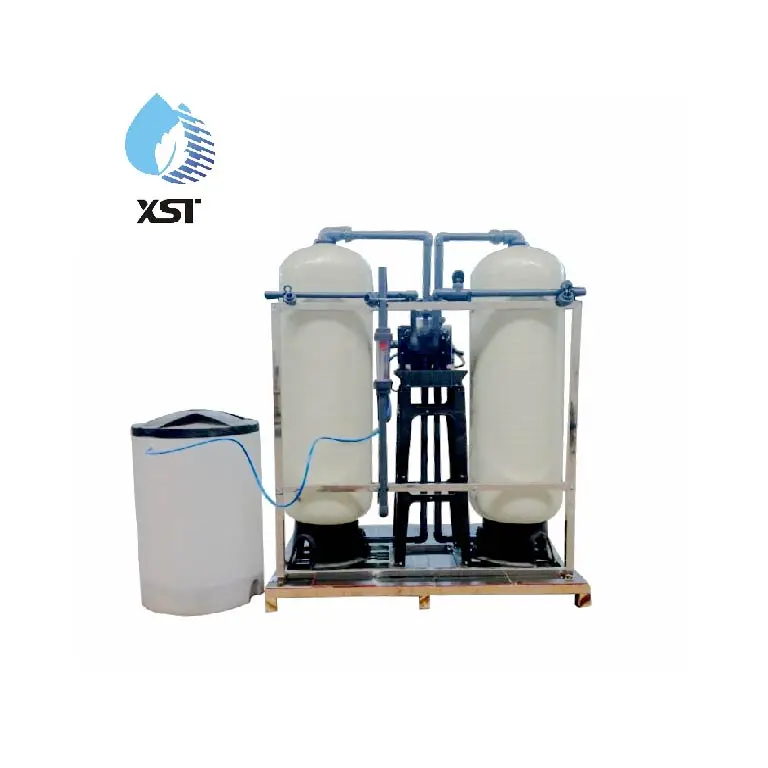
Comparison between Water Softeners and Antiscalant Dosing Devices
Resin softening primarily involves using softening ion exchange resins to replace calcium and magnesium ions, the primary hardness ions in water, through ion exchange. This reduces the amount of calcium and magnesium ions in the water, resulting in softened water. Softened water can be used for production water with lower quality requirements, such as boiler feed water, hotel water, bathing water, central air conditioning, beauty salon water, and kitchen water. A device that uses softening water is called a water softener or softener. Scale inhibitors are not suitable for such systems.
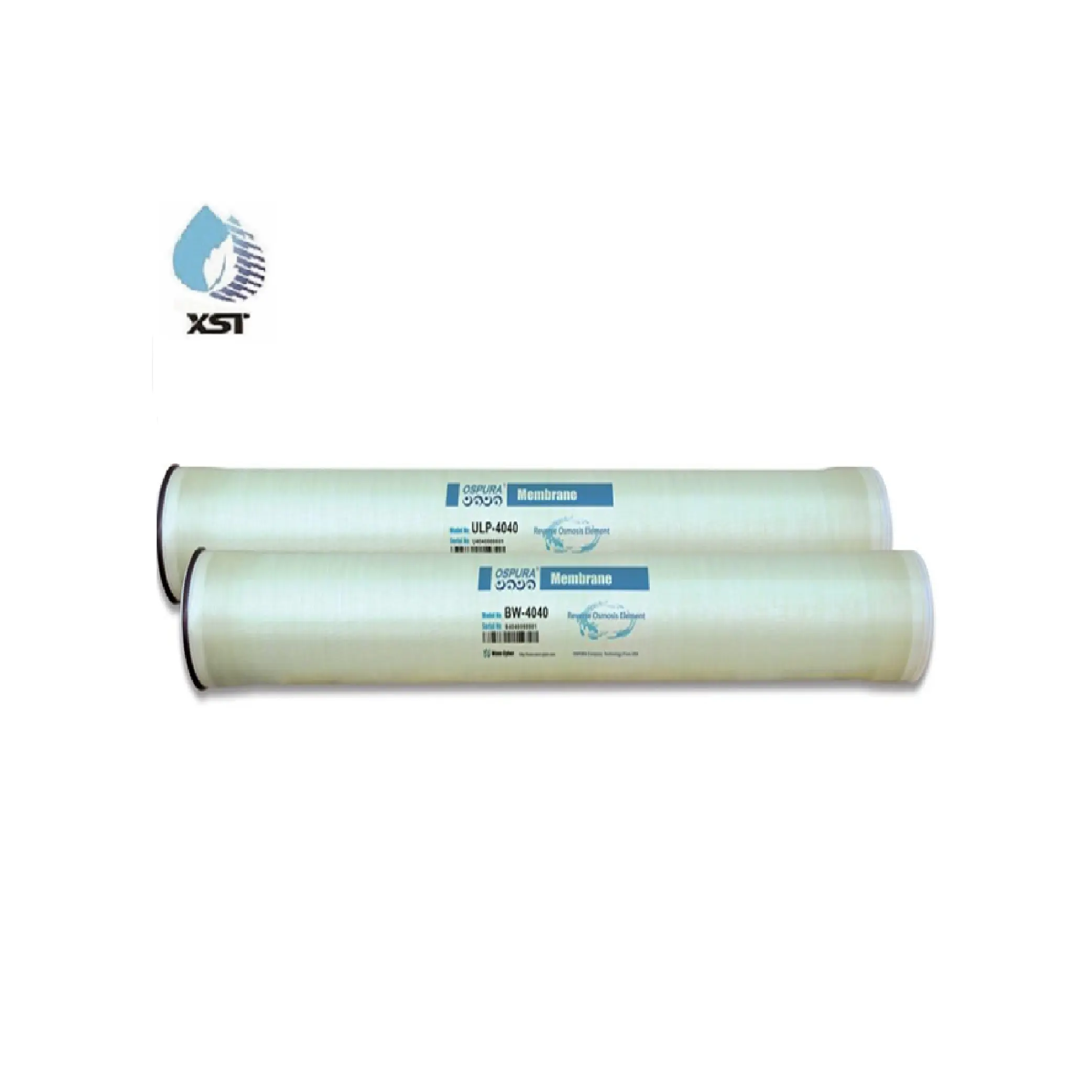
How to Decide Whether to Use a 4" or 8" Element for Reverse Osmosis?
In water treatment system design, the selection of reverse osmosis membrane elements directly impacts system efficiency and cost. Given the two mainstream sizes, 4-inch (4040) and 8-inch (8040), the decision is far more than a simple "size" decision; it requires a careful balance based on source water characteristics, system scale, and overall economics.
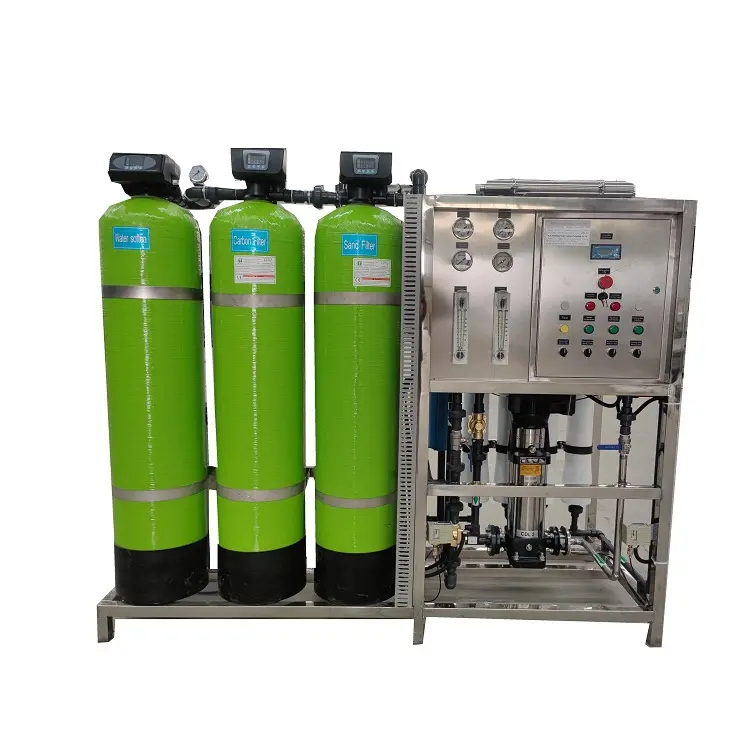
What is the maximum permissible downtime for a reverse osmosis system without flushing?
There's no fixed, universally applicable maximum downtime for a reverse osmosis system without flushing. It depends on a combination of several key factors. Neglecting flushing could lead to irreversible membrane performance degradation or even failure.
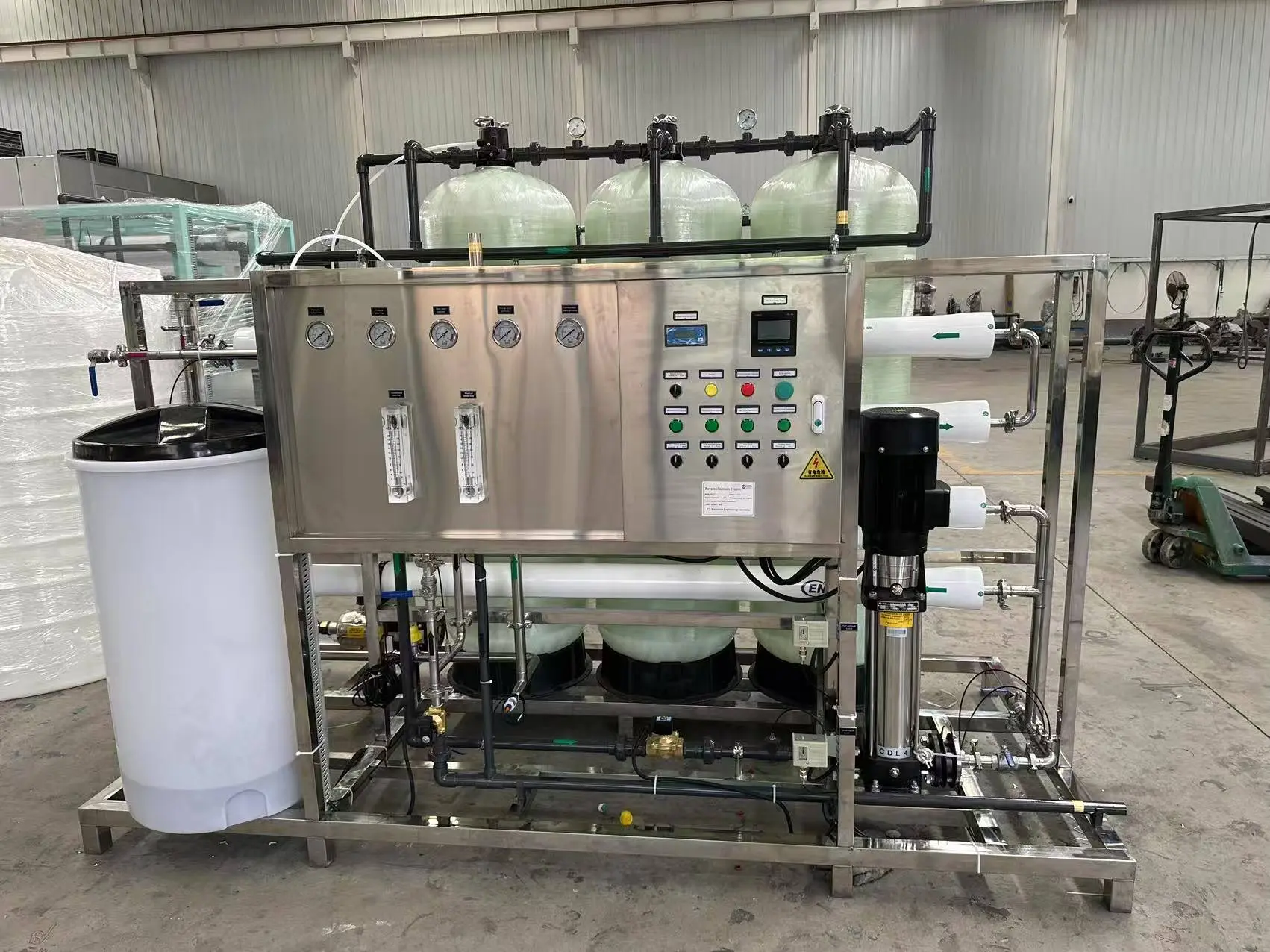
Causes and Countermeasures of Silica Contamination in Reverse Osmosis Operations
Silica contamination in reverse osmosis systems is a thorny issue in water treatment, with complex causes and high remediation costs.