







Product News
The Relationship Between Permeate Volume and Water Temperature in Reverse Osmosis (RO) Operation
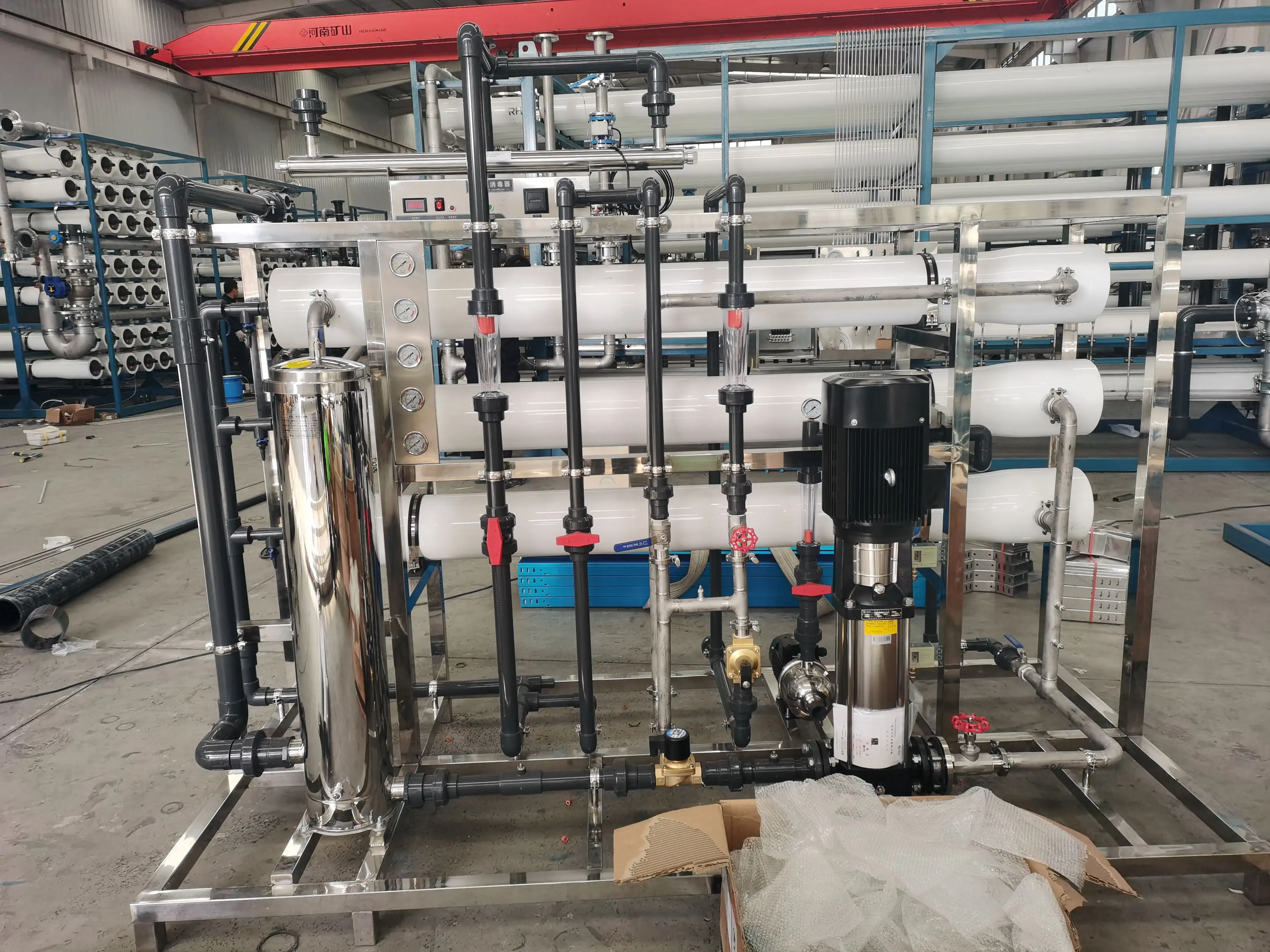
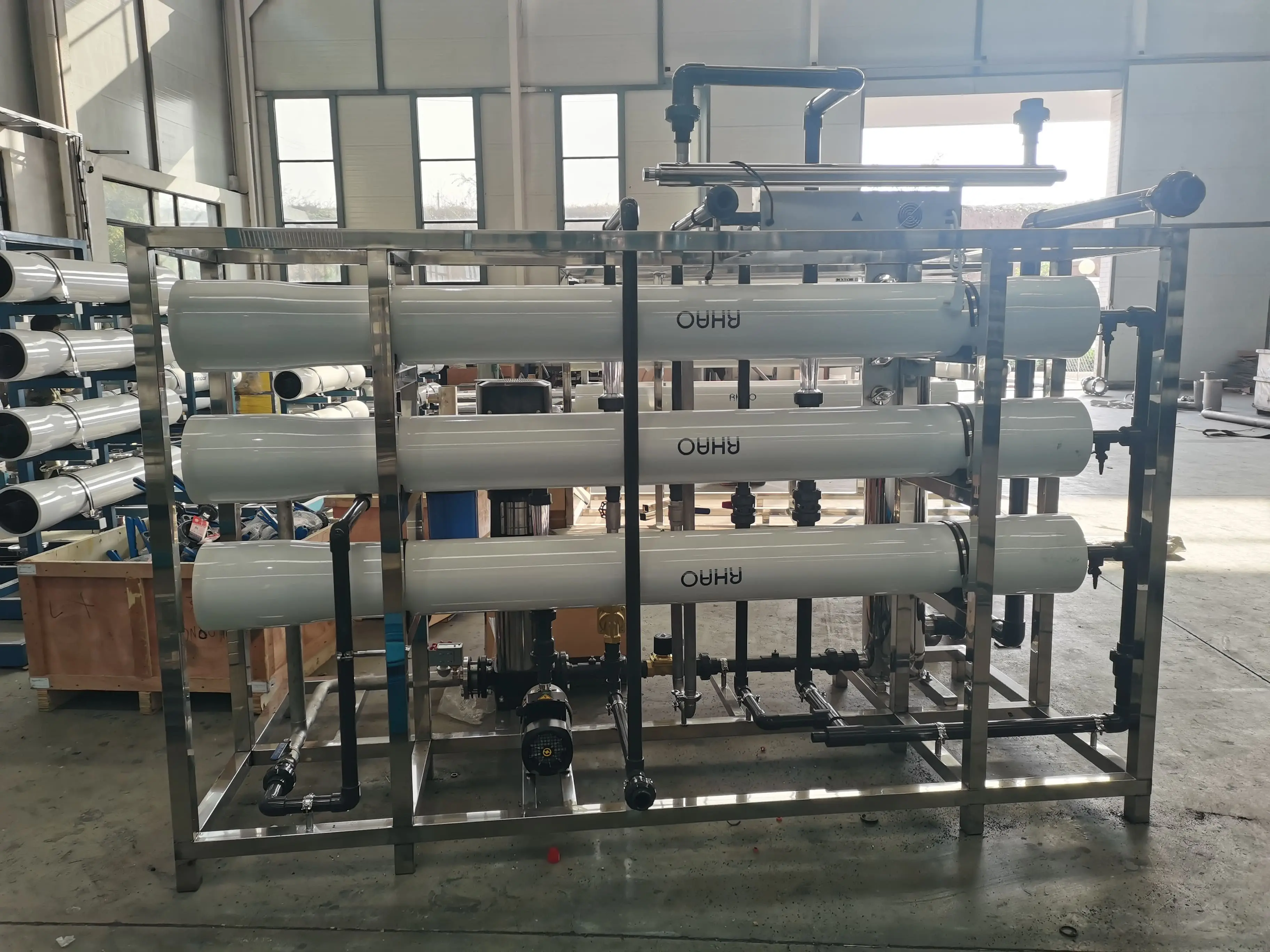
Inlet water temperature is one of the most significant and direct operating parameters affecting the permeate volume of an Ro System. With a constant inlet water pressure, the higher the inlet water temperature, the greater the permeate volume of the RO system; conversely, the lower the inlet water temperature, the significantly lower the permeate volume. This is not a simple linear increase, but its impact is very significant. The underlying scientific principles mainly involve the following two points:
Security Filter Design and Calculation Selection
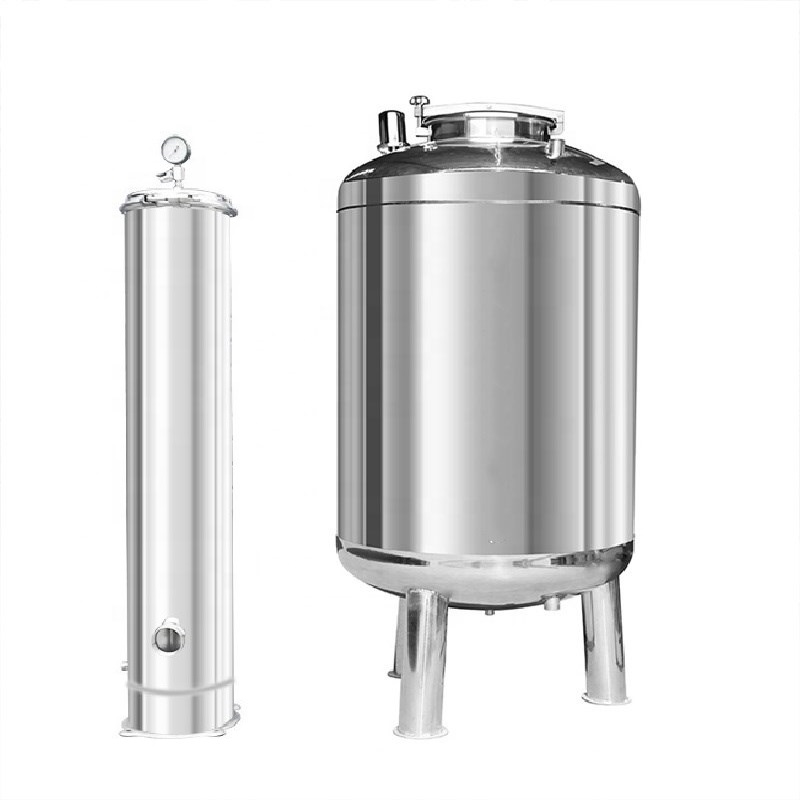
Security filters are mainly used to remove small particles (such as suspended solids, colloids, microorganisms, etc.) from liquids, protecting downstream equipment (such as Reverse Osmosis Membranes, ion exchange resins, etc.). Their design and selection require comprehensive consideration of factors such as fluid properties, filtration accuracy, flow rate, pressure drop, and material compatibility. The following are the core steps and key points of design and calculation selection:
When starting a centrifugal pump, should you turn on the pump first or open the valve first?
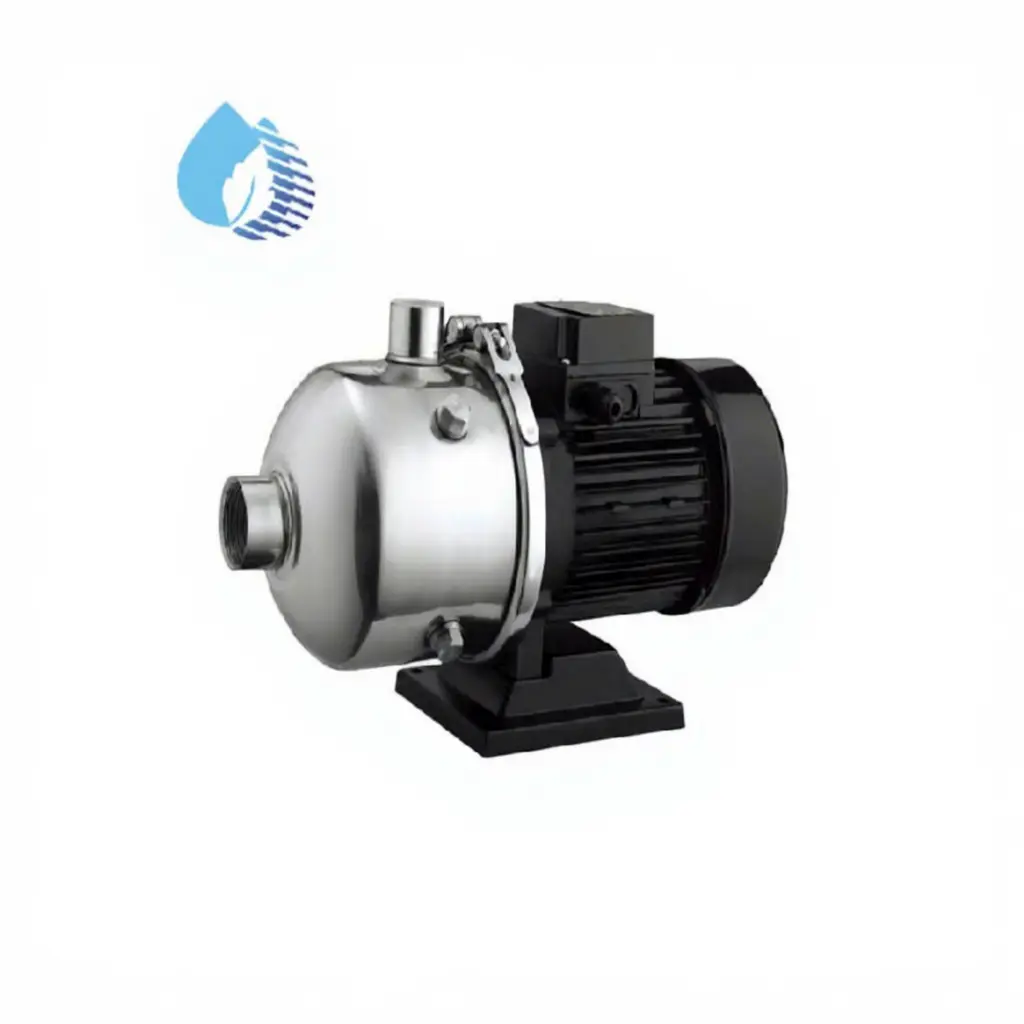
The starting sequence of a water pump and the opening/closing status of the valves directly affect its operational safety and efficiency. Different pump types have drastically different starting methods due to differences in their working principles.
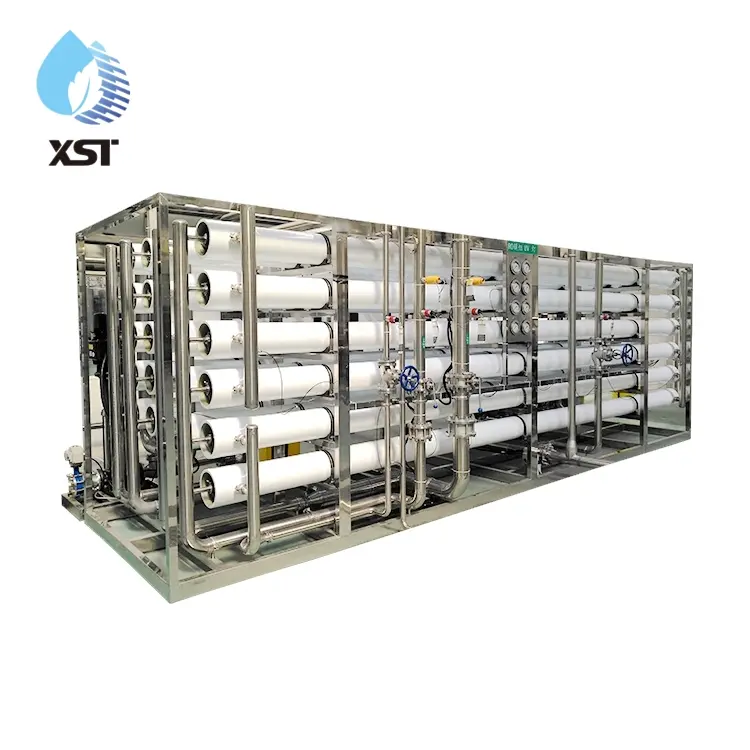
The Working Principle of Water Purification Equipment is Surprisingly Simple!
The Working Principle of Water Purification Equipment is Surprisingly Simple! This article will guide you through the secrets of water treatment!
How exactly does a water purification system work? You'll understand after reading this article!
Do you know what's in the water you drink every day? Besides water, there are many other substances, some beneficial, such as minerals and trace elements, and some harmful, such as bacteria, heavy metals, pesticides, and residual chlorine. With increasing water pollution, is the water we drink safe?
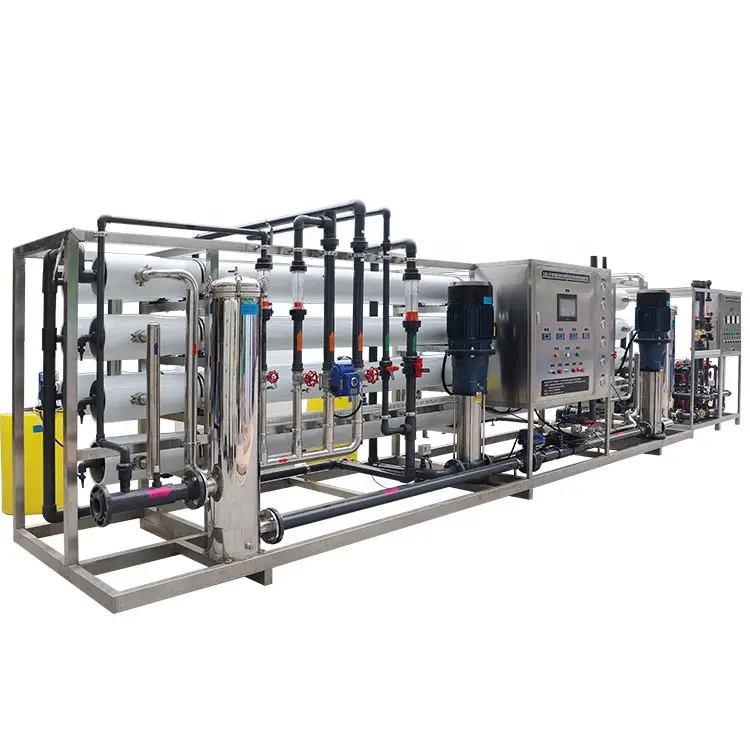
Double-stage Reverse Osmosis EDI Ultrapure Water Equipment – Meeting High-Standard Water Requirements
In EDI equipment, various ions in the feed water are removed after passing through the resin, purifying the water. This process utilizes the principle of ion exchange to remove ions from the water. Because a voltage is applied across the ion exchange membrane, water molecules are electrolyzed into H+ and OH- ions, which are then sent to regenerate the resin. Simultaneously, the ions exchanged by H+ and OH- ions are migrated to the concentrate chamber and discharged under the influence of a stable voltage and current power supply, thus achieving continuous regeneration and continuous use.
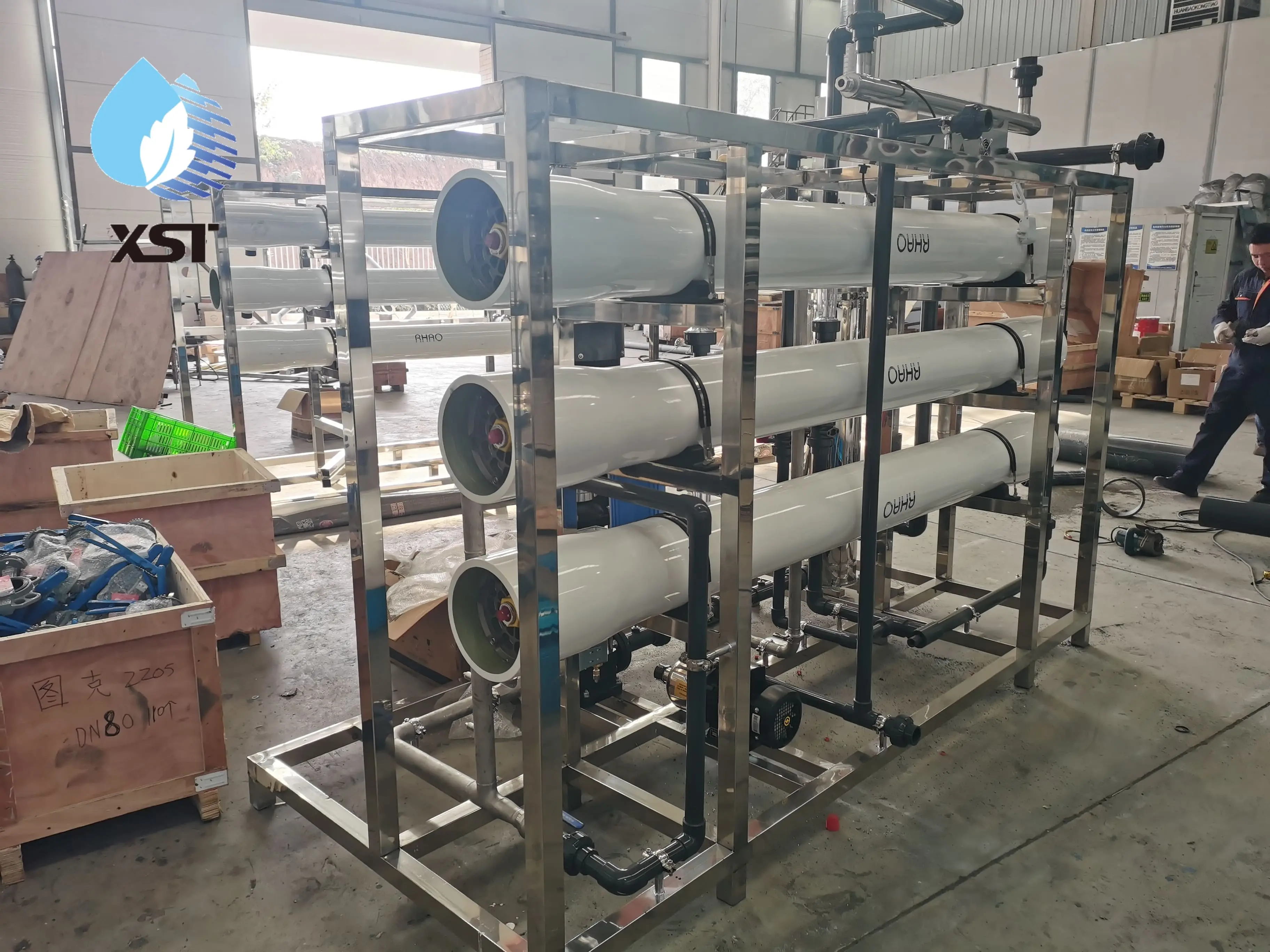
The Impact of Feed Water Salinity on Reverse Osmosis Systems
Feed water salinity, usually expressed as total dissolved solids (TDS), is the sum of the concentrations of all inorganic salts (such as sodium, calcium, magnesium, chloride, sulfate, etc.) in the water. It is one of the most critical parameters in the design, operation, and economic efficiency of a reverse osmosis system, and its impact is comprehensive and interconnected.
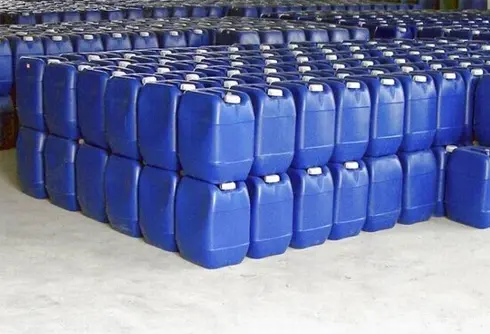
Reverse Osmosis Antiscalant vs. Circulating Water Antiscalant
1. Circulating water antiscalant is a compound of organophosphonates, multi-component copolymers, and corrosion inhibitors, exhibiting good chemical and thermal stability and resistance to hydrolysis.
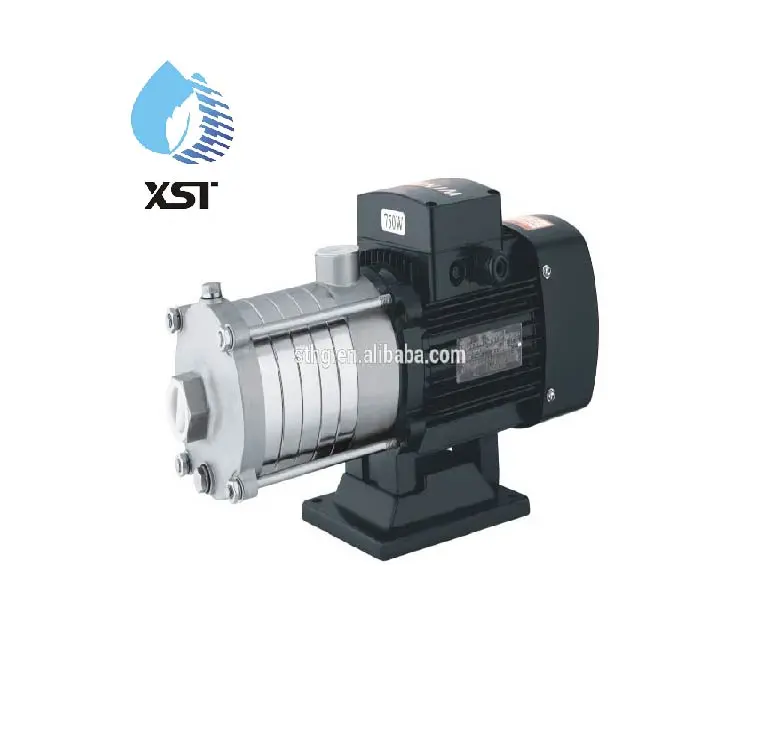
The Impact of Oversized or Undersized Pumps
Engineers often worry about being too conservative in their system designs. Many uncertainties exist during the design process, including variations in actual operating conditions, changes in fluid characteristics, equipment aging over time, and pipe scaling. Engineers use design factors to account for these factors and prevent undersized selection/purchase. They also account for the effects of aging on the system.
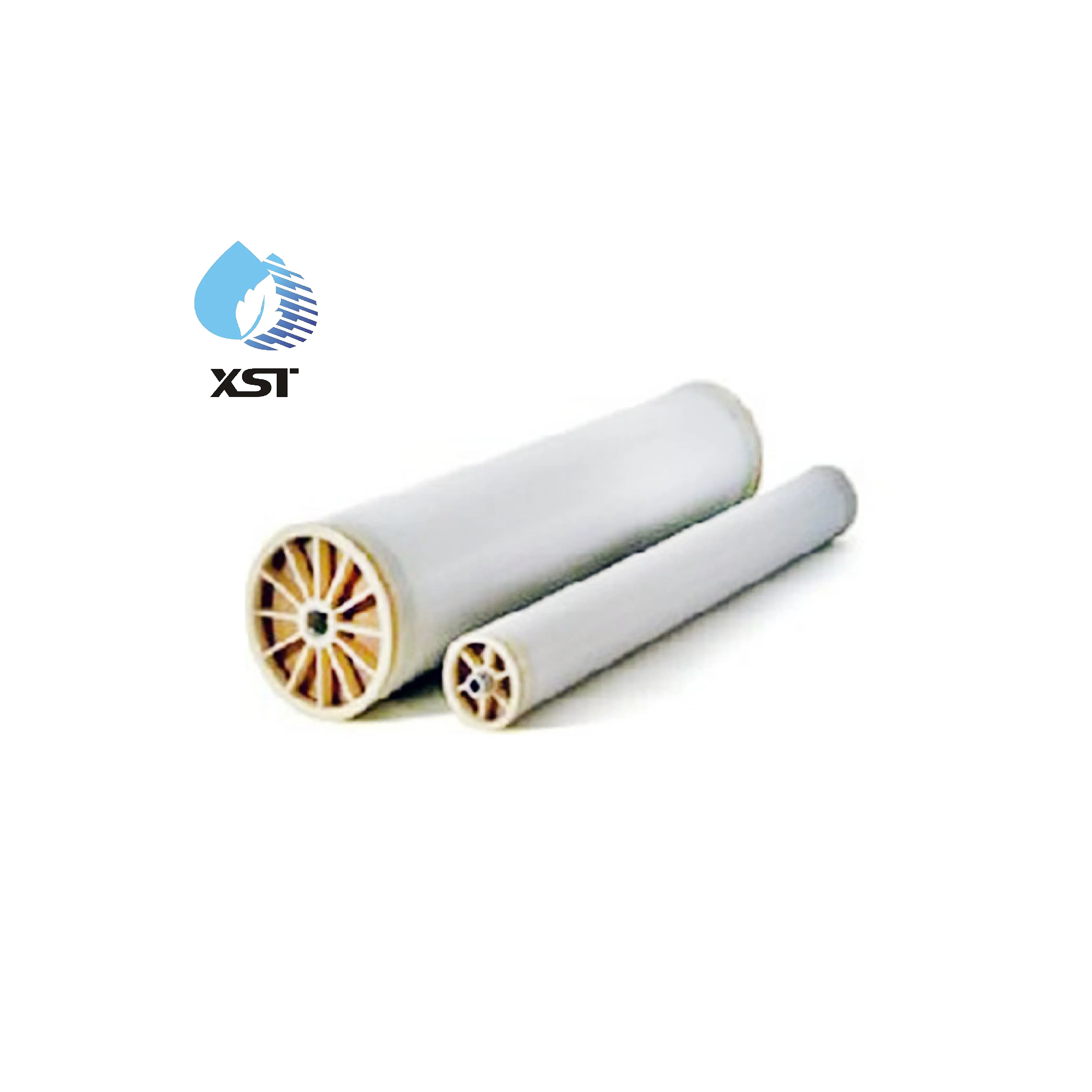
How to determine whether to use a 4" or 8" membrane element for reverse osmosis?
According to the membrane company's design guidelines, the recommended average water flux is 8-14 gfd (using surface water as the feed water source), 14-18 gfd (using groundwater as the feed water source), and 20-30 gfd (using permeate from the first-stage reverse osmosis system as feed water to the second-stage reverse osmosis system).
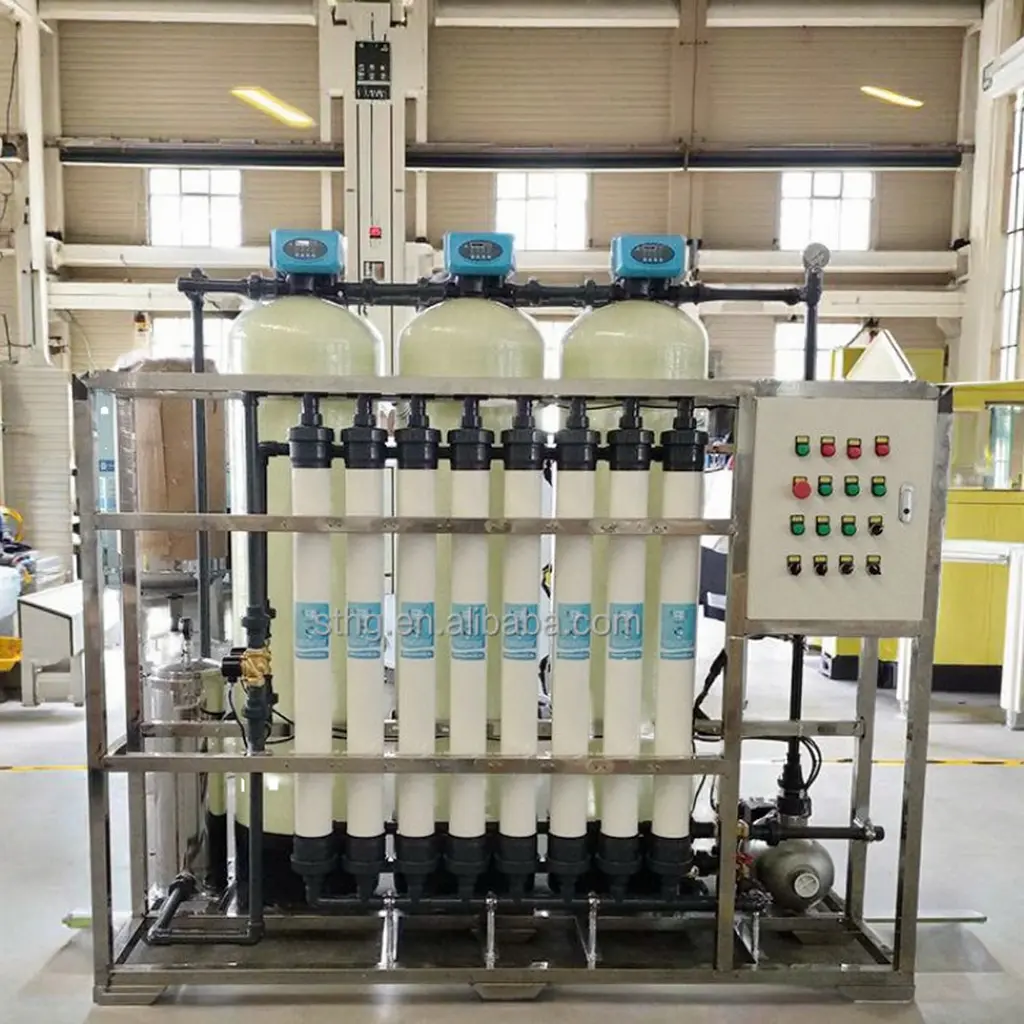
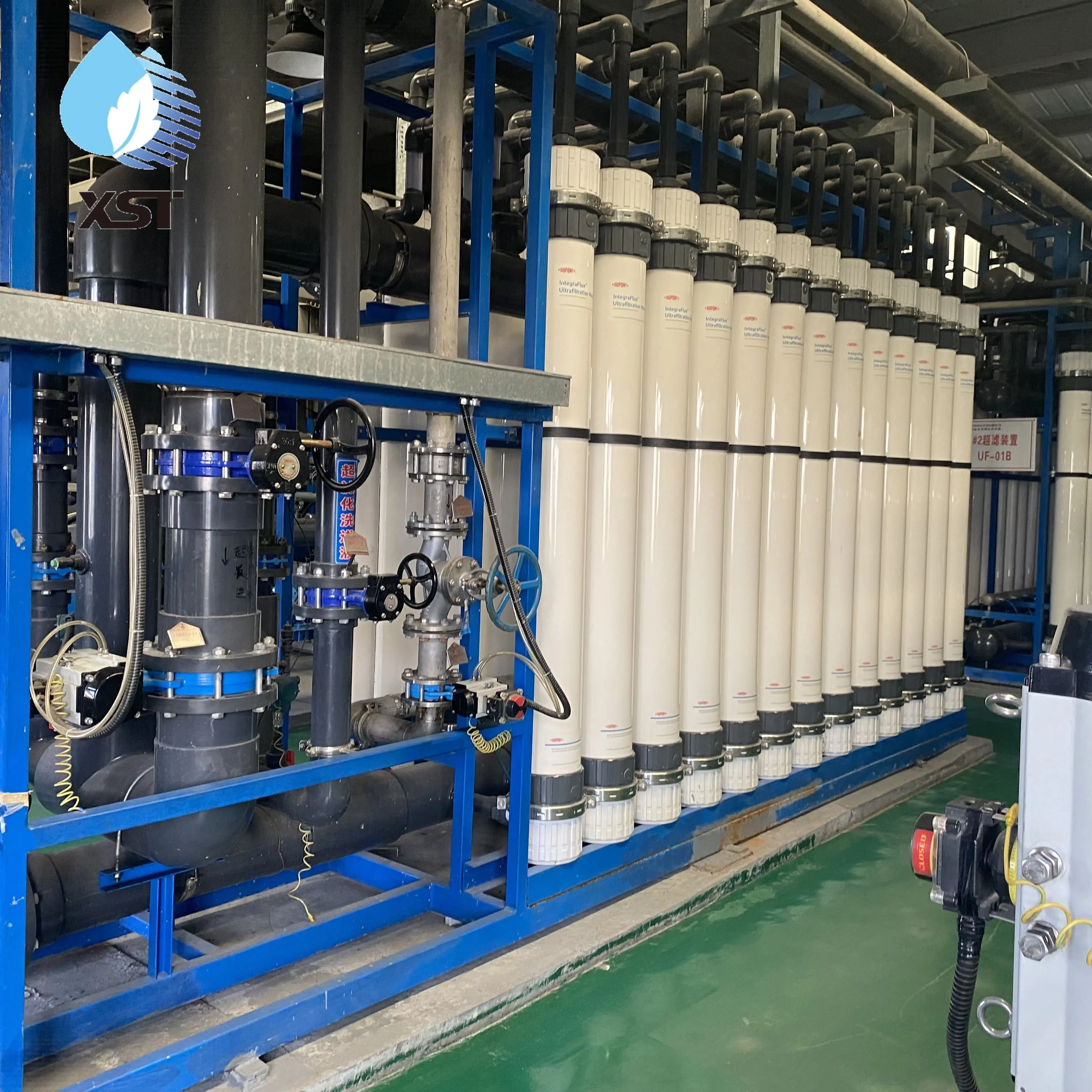
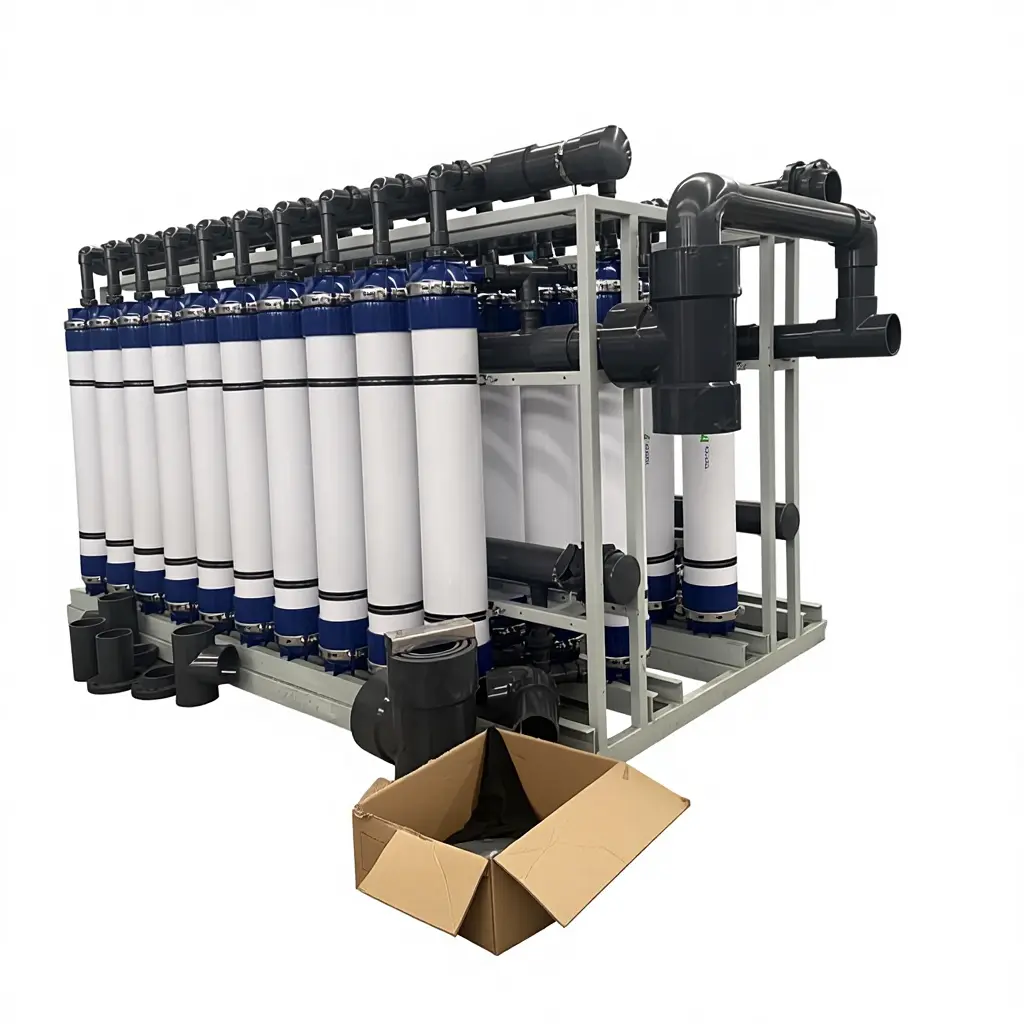
Analysis of the Application Scope of Ultrafiltration Equipment in Various Fields
Ultrafiltration is a novel membrane separation technology. Among all membrane separation methods such as microfiltration, ultrafiltration, reverse osmosis, osmosis, electrodialysis, and gas membrane separation, ultrafiltration has the most extensive application and is the most mature.