







Working Principle and Maintenance of Reverse Osmosis Water Treatment Equipment (1)
I. Equipment Principle
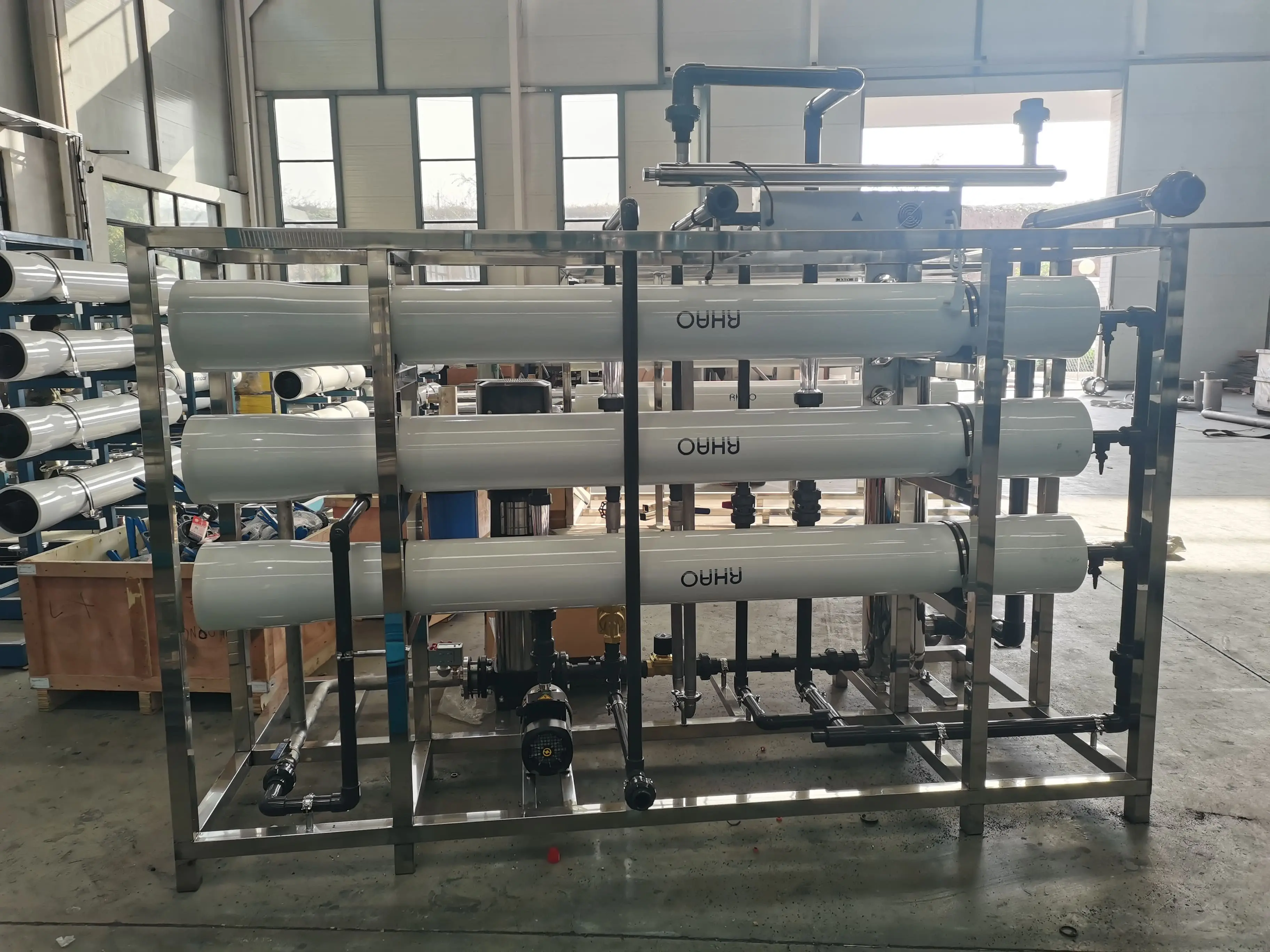
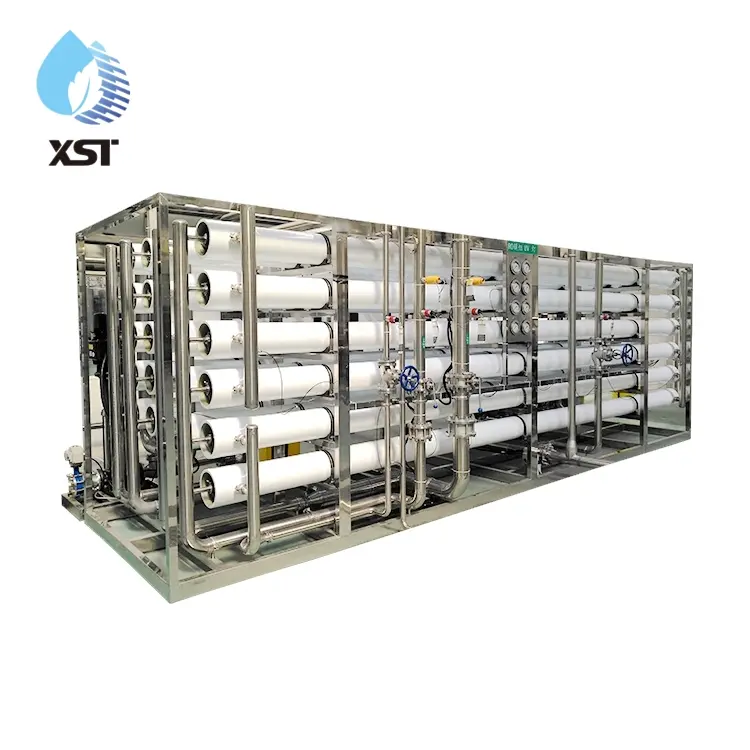
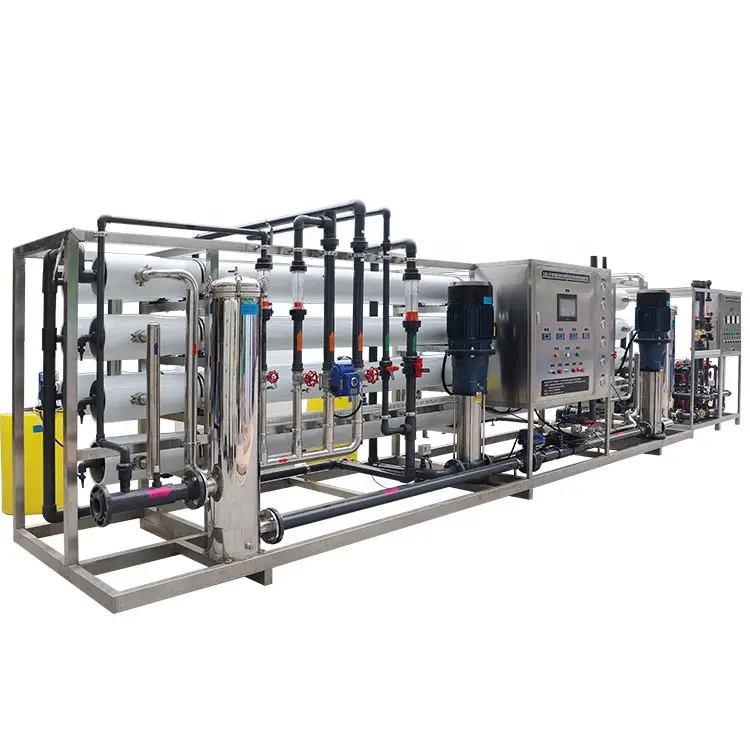
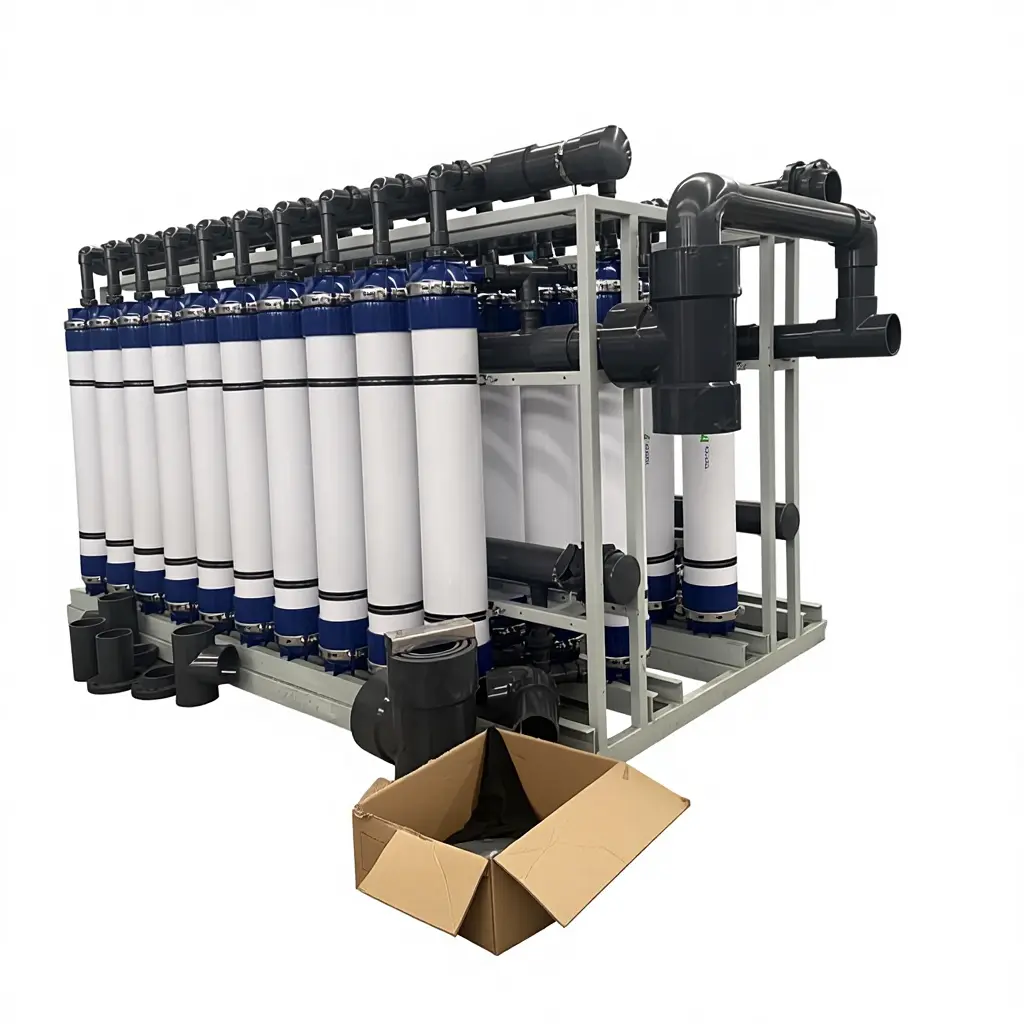
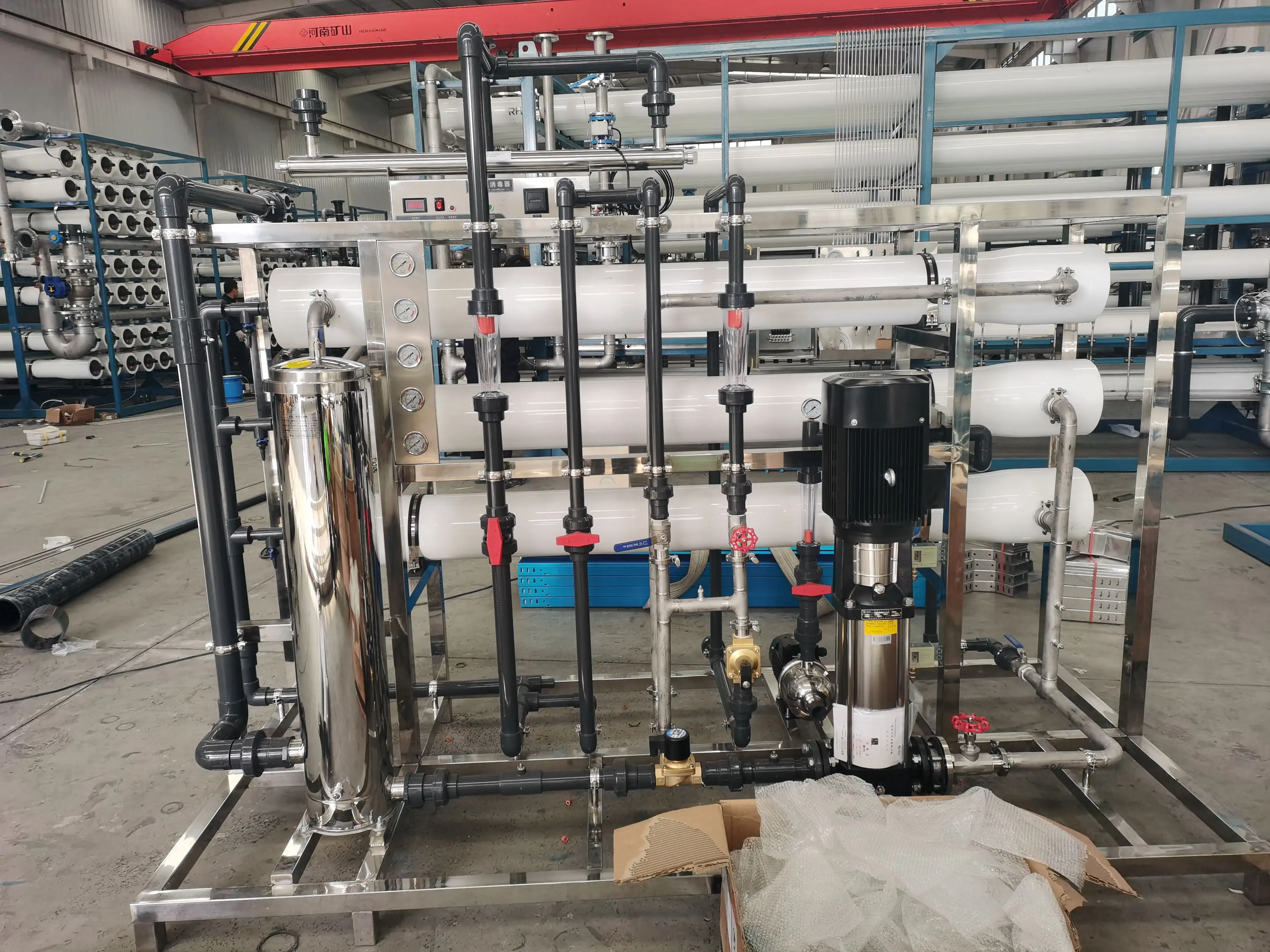
Reverse osmosis Water Treatment equipment typically consists of three components: a raw water pretreatment system, a reverse osmosis purification system, and an ultrapurification post-treatment system.
The purpose of pretreatment is to ensure that the raw water meets the inlet requirements of the Reverse Osmosis Membrane separation components and ensure the stable operation of the reverse osmosis purification system. The reverse osmosis membrane system is the most cost-effective purification method, theoretically removing over 98% of ions and organic matter and 100% of microorganisms from raw water in a single pass. The ultrapurification post-treatment system uses a variety of integrated technologies to further remove trace ions, organic matter, and other impurities remaining in the reverse osmosis purified water, thereby meeting the final water quality requirements for different applications.
II. Working Principle
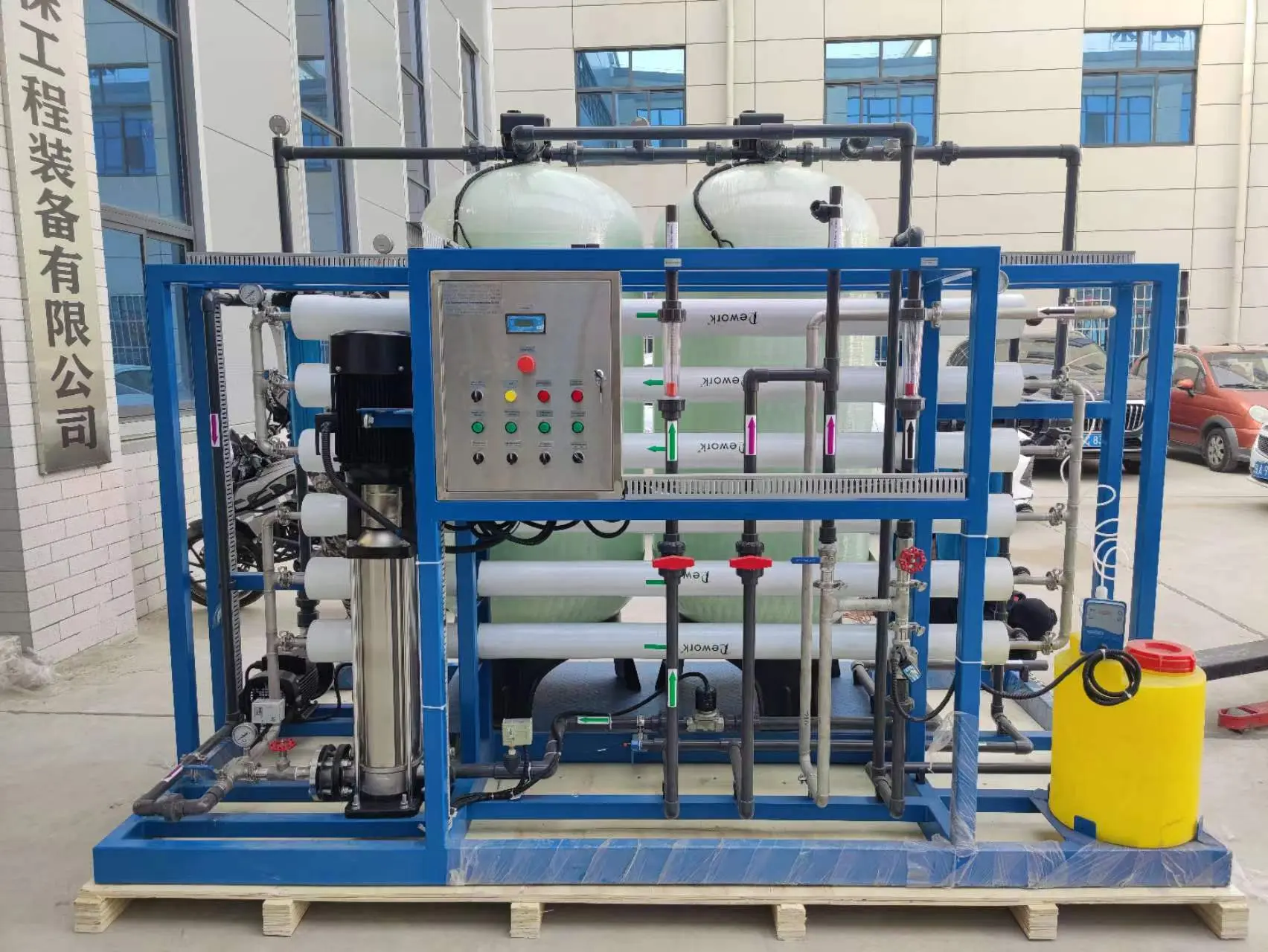
Reverse osmosis is the most sophisticated membrane-based liquid separation technology. Operating pressure is applied to the influent (concentrated solution) side to overcome the natural osmotic pressure. When an operating pressure exceeding the natural osmotic pressure is applied to the concentrated solution side, the natural osmotic flow of water molecules is reversed, and some of the water molecules in the influent (concentrated solution) pass through the reverse osmosis membrane to become purified product water on the dilute solution side. Reverse osmosis equipment rejects all dissolved salts and organic matter with a molecular weight greater than 100, while allowing water molecules to pass through. Reverse osmosis composite membranes typically have a salt rejection rate exceeding 98%. They are widely used in the production of industrial pure water, electronic ultrapure water, drinking water, and boiler feed water. Using reverse osmosis equipment before ion exchange can significantly reduce operating water and wastewater discharge.
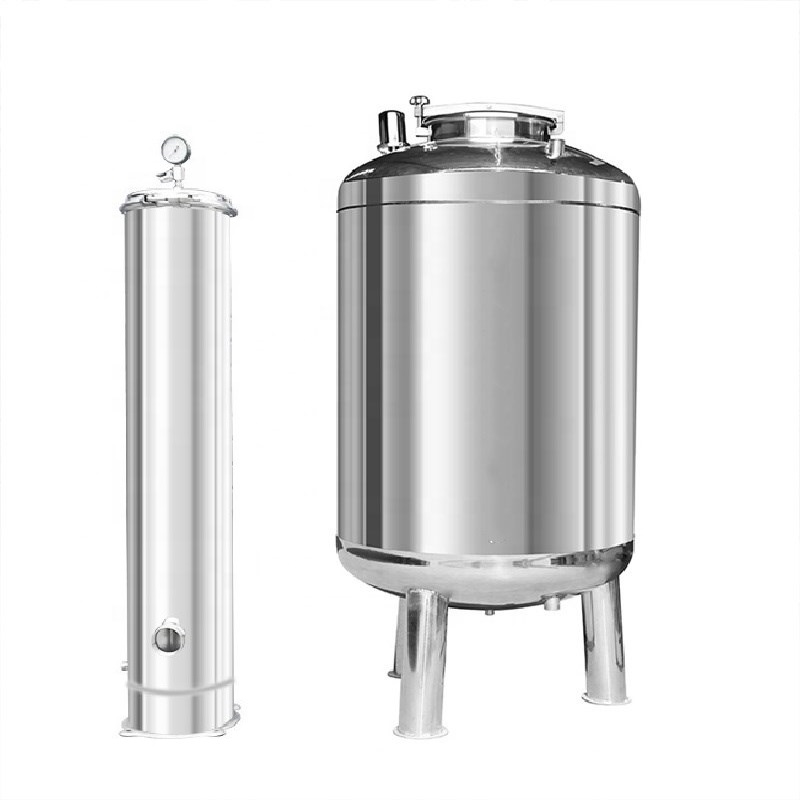
III. Pretreatment System Introduction: A reverse osmosis water treatment system generally consists of a pretreatment system, reverse osmosis equipment, post-treatment system, cleaning system, and electrical control system. The pretreatment system typically includes quartz sand filters, activated carbon filters, and precision filters. Its primary function is to reduce the contamination index and other impurities such as residual chlorine in the raw water to meet the influent requirements of reverse osmosis.
Detailed Classification of Pretreatment Systems:
1. Quartz Sand Filter: Quartz sand filters primarily remove impurities such as suspended matter, colloids, silt, clay, humus, and particulate matter from water. They reduce water turbidity, achieve water clarity, and protect the reverse osmosis membrane.
2. Activated Carbon Filter: Activated carbon filters primarily utilize the numerous hydroxyl groups and other functional groups on the activated carbon surface to chemically adsorb various substances, removing odors, organic matter, colloids, iron, and residual chlorine from the water. This also reduces water color and turbidity, minimizing contamination of the reverse osmosis system.
3. Softener: The sodium ions on the ion exchange resin exchange calcium and magnesium ions in the water, reducing water hardness. Softening salt is also used to regenerate the ion exchange resin, also known as ion exchange resin regeneration agent.
4. Precision Filter: Utilizing a 5-micron PP melt-blown filter element, these filters primarily remove particles larger than 5 microns that weren't removed by the pretreatment system and retain filter media lost during the first three filtration steps, thereby protecting the RO membrane.
Whether the filter element can meet normal operating conditions will affect the normal operation of the membrane. Generally, the filter element should be replaced every 3-4 months.