









Why isn't the resistivity of ultrapure water infinite?
In our ideal world, "absolutely pure" water should, like a vacuum, offer infinite resistance to electric current, and its resistivity should approach infinity. However, when we measure this with the most sophisticated instruments, we find that even with today's cutting-edge technology, the resistivity of ultraPure Water remains at an extremely high, yet finite, value. The inherent properties of water and the limits of our technology dictate that there is a theoretical maximum resistivity for ultrapure water.
We often refer to water molecules as H₂O, assuming they are absolutely neutral. However, in reality, water molecules are never so "pure" as to leave only H₂O.
Because the covalent bond between hydrogen and oxygen atoms is not absolutely stable, water molecules undergo a reaction called "autoionization." Simply put, one water molecule "steals" a hydrogen atom from another:
2H₂O ⇌ H₃O⁺ + OH⁻
This reaction is a dynamic equilibrium. This means that even in the purest water, trace amounts of hydronium ions (H₃O⁺, abbreviated as H⁺) and hydroxide ions (OH⁻) are always present. These ions act as charge carriers, and their presence makes water conductive.
The formula for calculating resistivity (ρ) is ρ = 1/σ, where σ is the conductivity. Conductivity is proportional to the ion concentration. Therefore, as long as H⁺ and OH⁻ ions are present, the conductivity of water will not be zero, and the resistivity will not be infinite.
At 25°C, in pure water, [H⁺] = [OH⁻] = 10⁻⁷mol/L. Based on this ion concentration, the theoretical resistivity is approximately 18.2 MΩ·cm. This value is considered the theoretical limit resistivity of ultrapure water under ideal conditions.
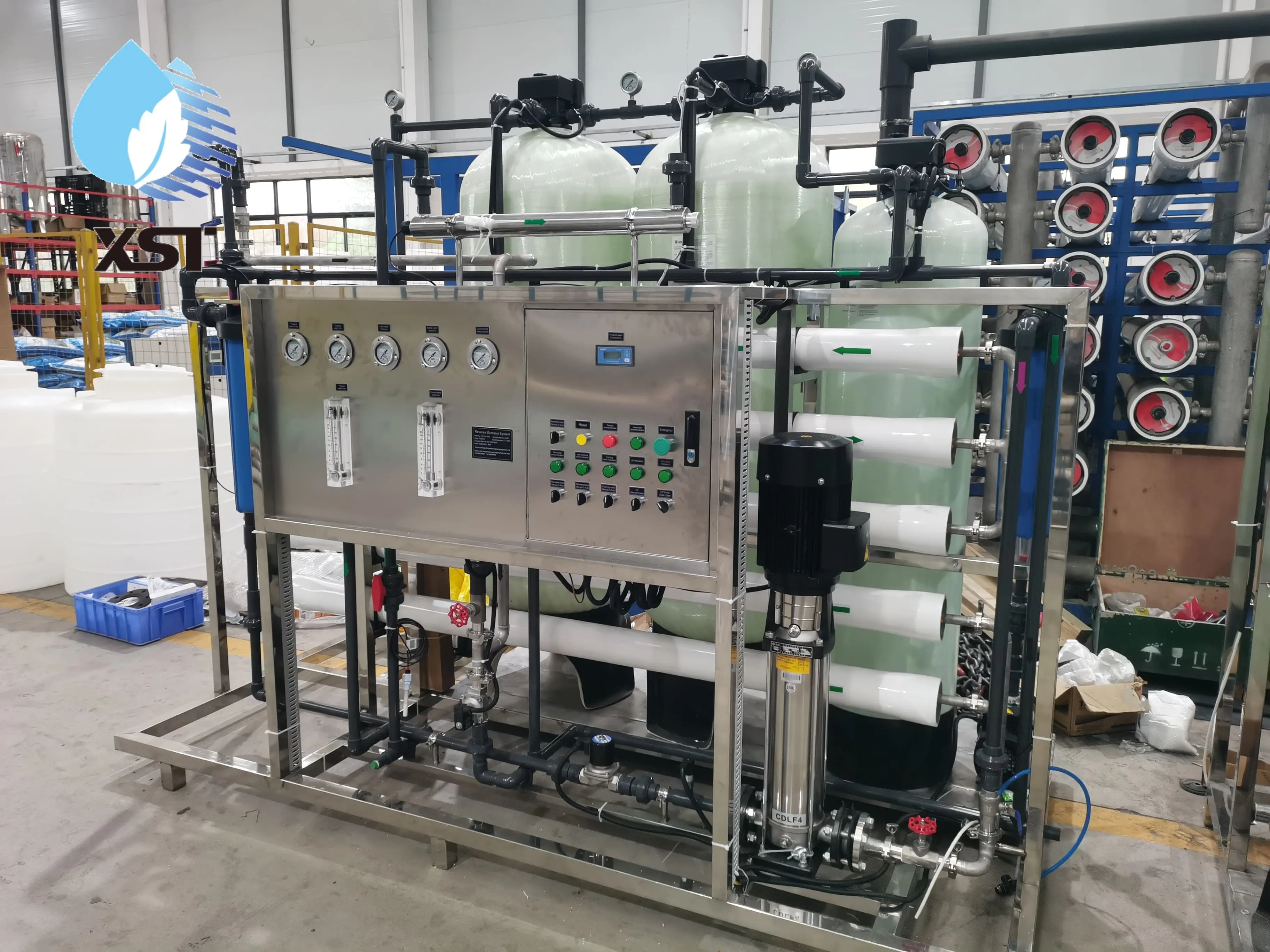
In real-world applications, even using cutting-edge technologies (such as Reverse Osmosis, ion exchange, electro-deionization, and ultraviolet disinfection) cannot completely remove all impurity ions (such as Na⁺, Cl⁻, and Ca⁺) from water. Even if all ions in the water can be completely removed, the following "outsiders" remain difficult to completely eliminate:
Carbon dioxide in the air: This is one of the main culprits for the decrease in resistivity of ultrapure water in the laboratory. Ultrapure water is an extremely strong solvent. Once exposed to air, it rapidly dissolves CO₂, forming carbonic acid, which ionizes into H⁺ and HCO₃⁻ ions:
CO₂ + H₂O ⇌ H₂CO₃ ⇌ H⁺ + HCO₃⁻
This process significantly increases the ion concentration, causing the resistivity to drop rapidly from 18.2 MΩ·cm to the 1-10 MΩ·cm range. Therefore, measuring truly high-resistivity ultrapure water must be performed under a sealed, inert atmosphere.
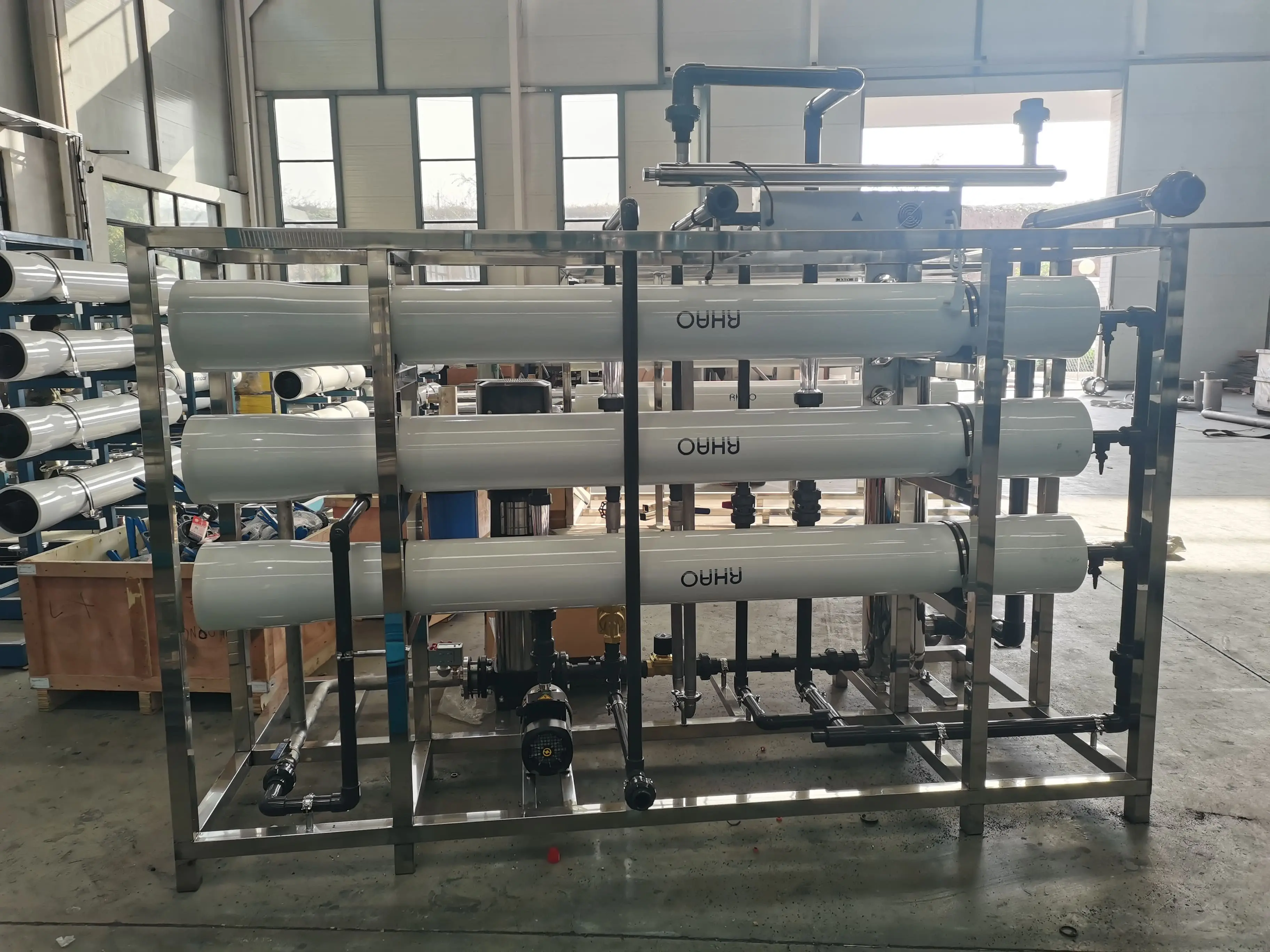
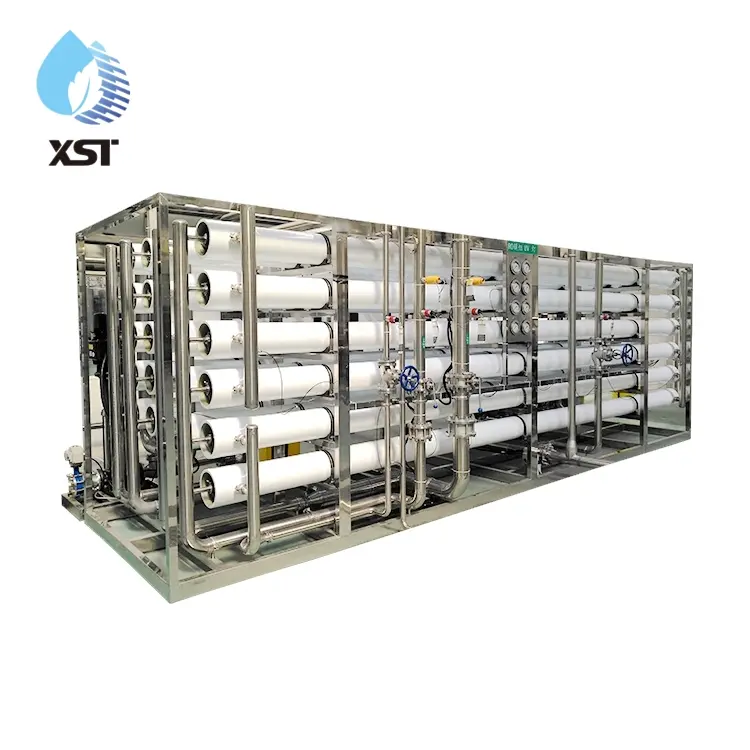
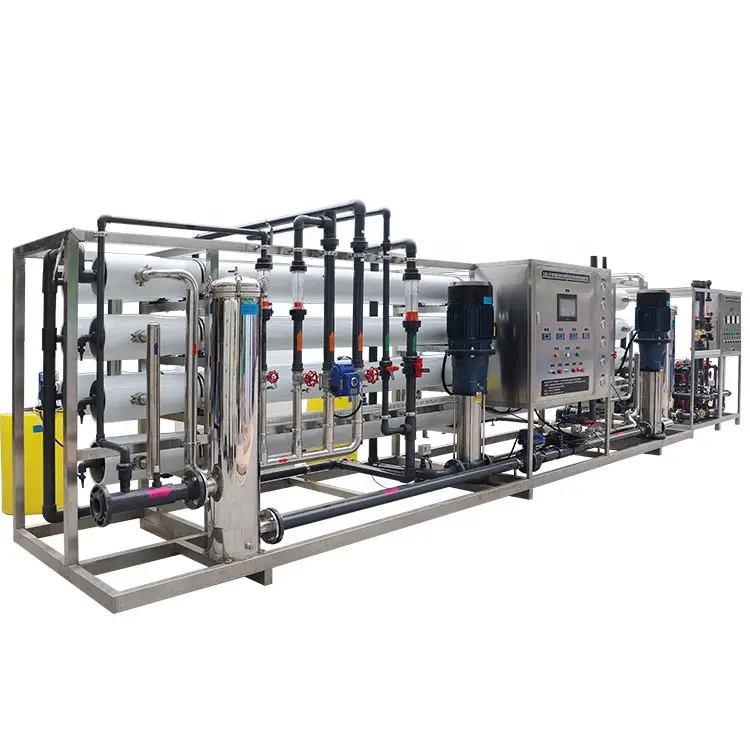
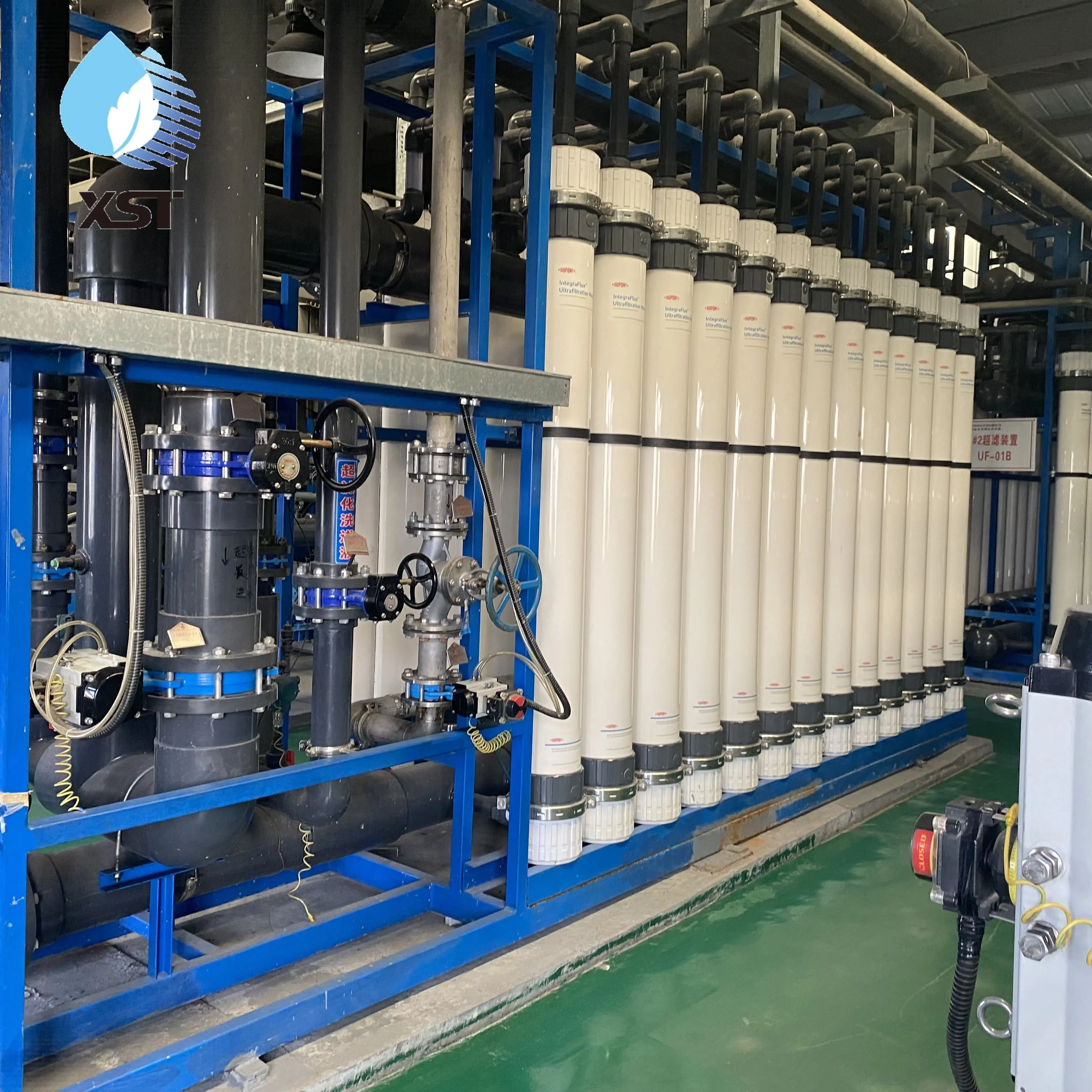
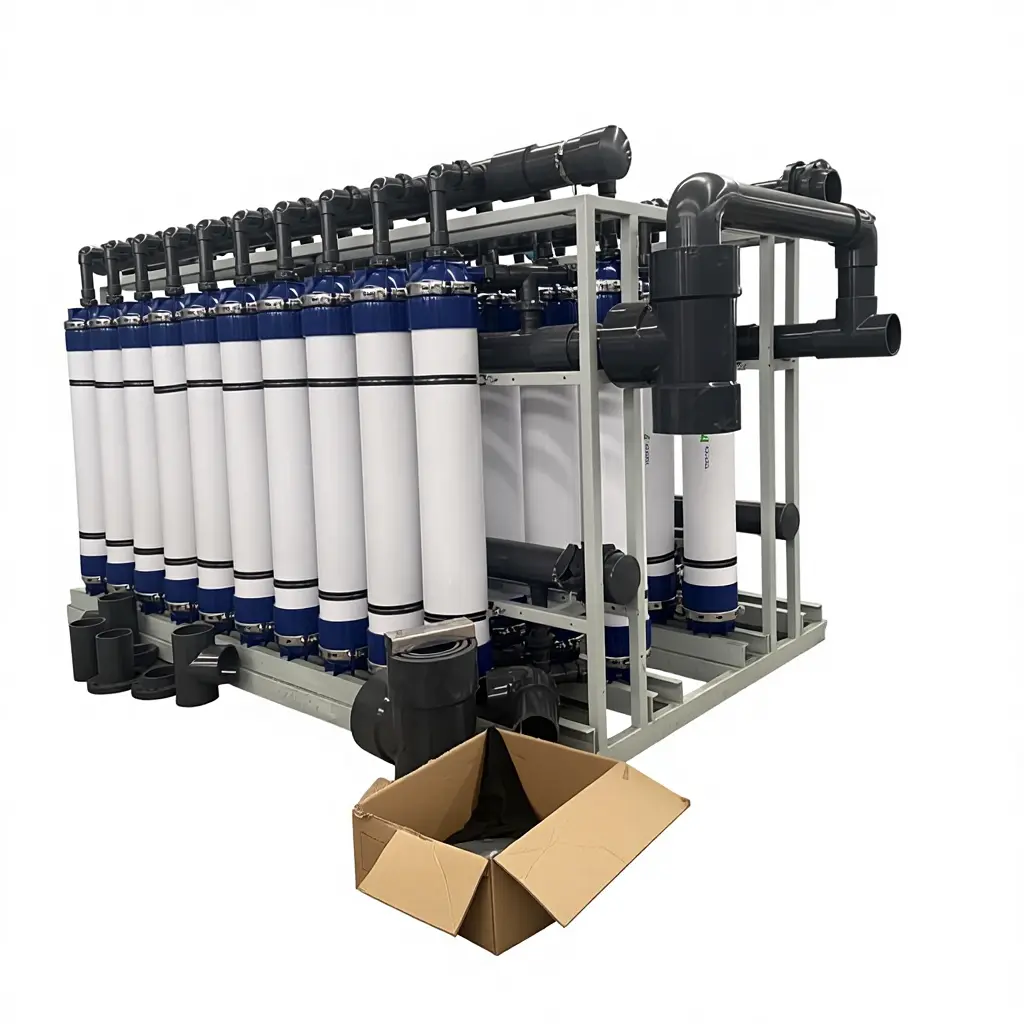
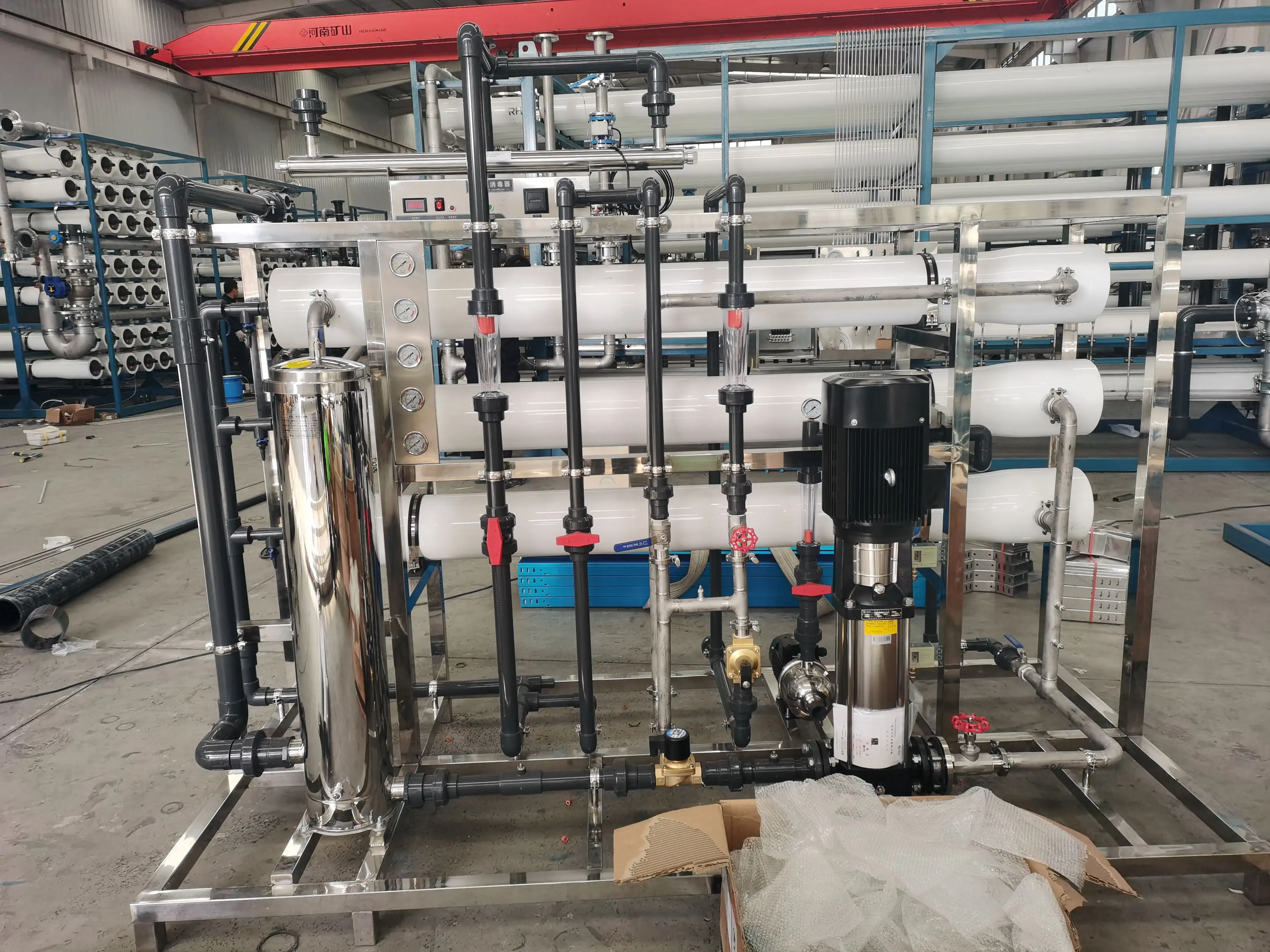
Reverse Osmosis Ultrapure Water System for Physical Examinations and Blood Tests - Reverse Osmosis Equipment - Nanjing Xuanke Environmental Protection Technology Co., Ltd.
Dissolution from containers and pipes: Containers used to store and transport ultrapure water (even those made of high-purity polyethylene or Teflon) can slowly dissolve trace amounts of ions or organic matter, contaminating water samples.
Microorganisms: Microorganisms carry an electrical charge, and their metabolism can also produce ionic substances, affecting water quality.