







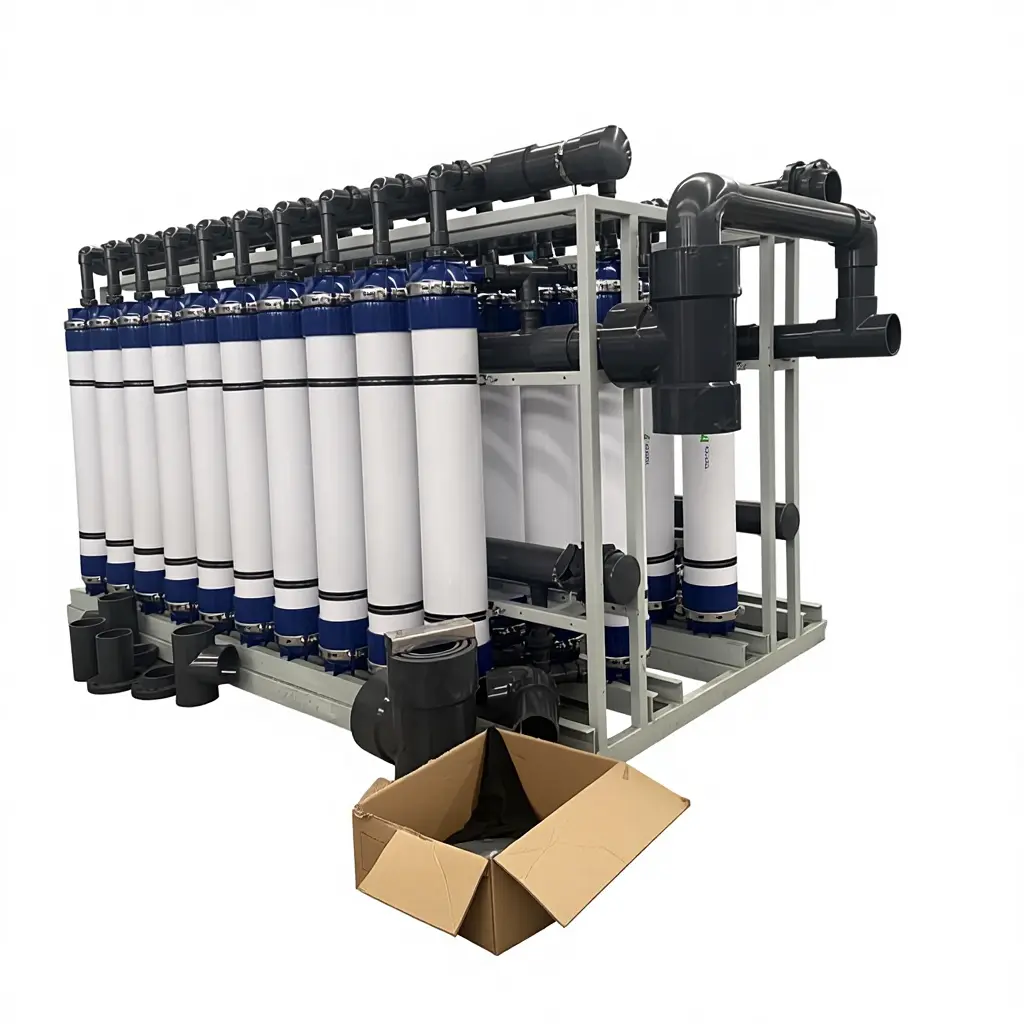
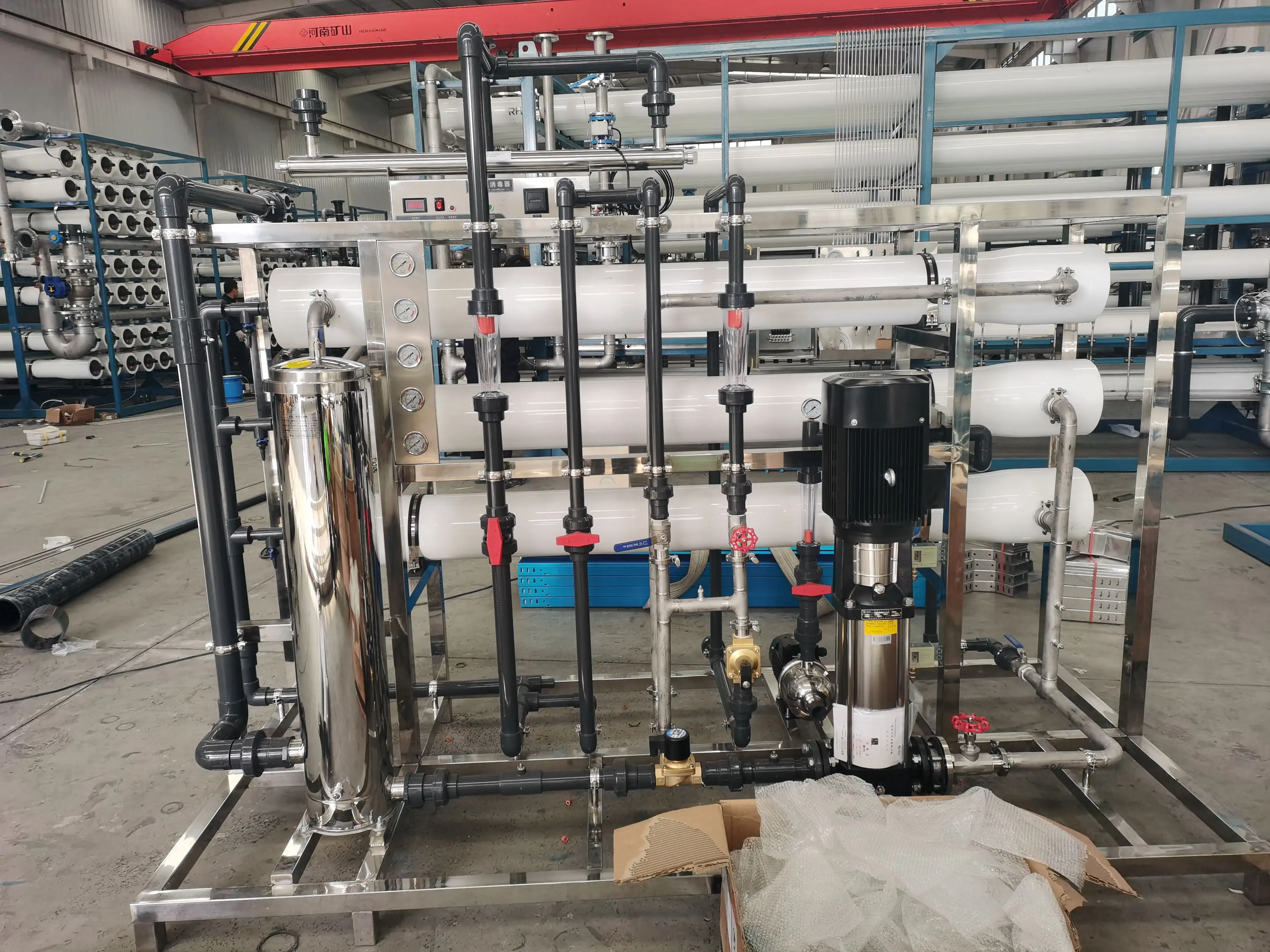
Why do we need to add antiscalant to reverse osmosis equipment?
Reverse osmosis (RO) technology is a "purification weapon" in the field of Water Treatment, but do you know? If the core component of RO membrane wants to operate stably for a long time, it cannot do without an "invisible guardian" - antiscalant. Why must it be added? How does it protect the membrane? Today, we will unveil the mystery of antiscalant!
Why does the Reverse Osmosis Membrane need protection?
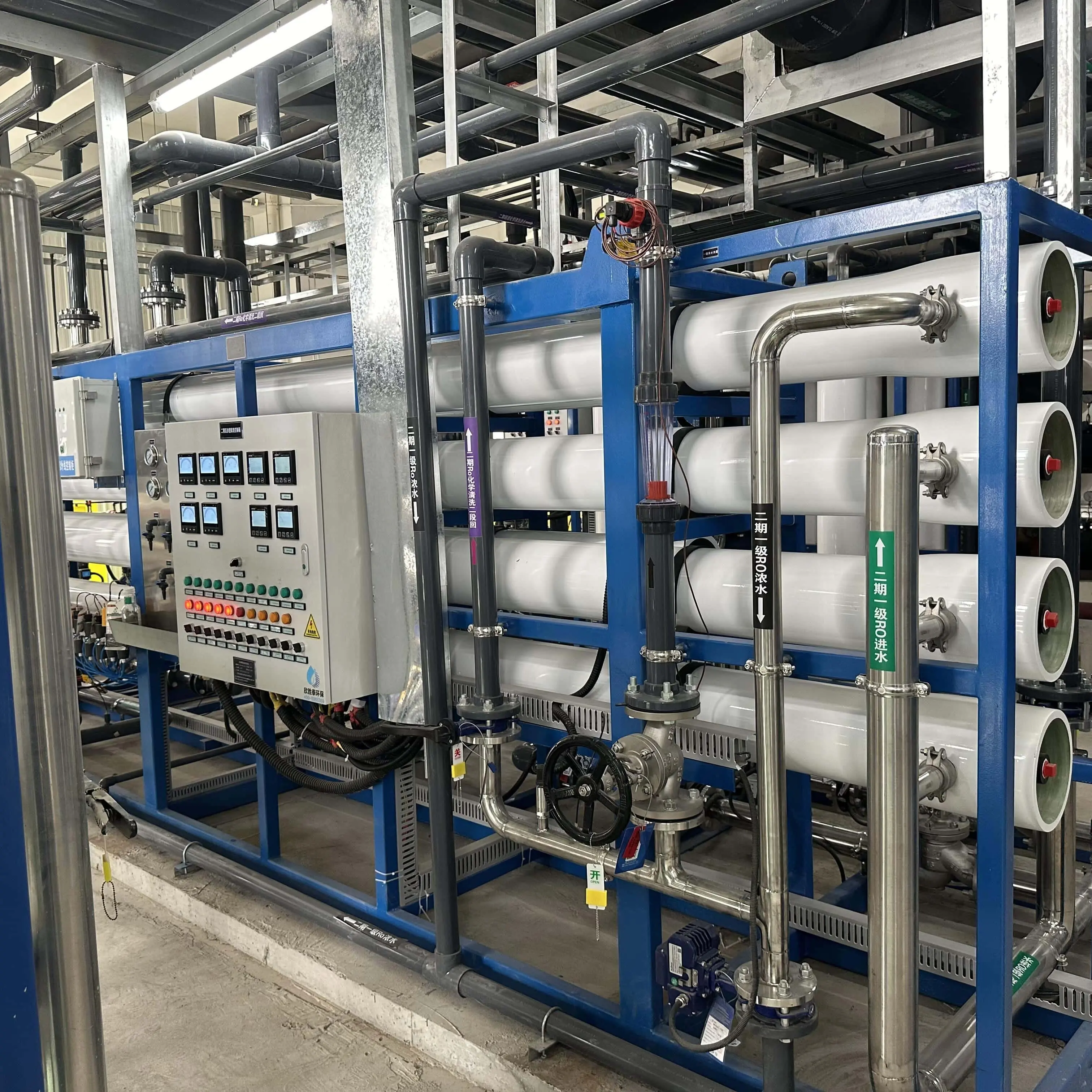
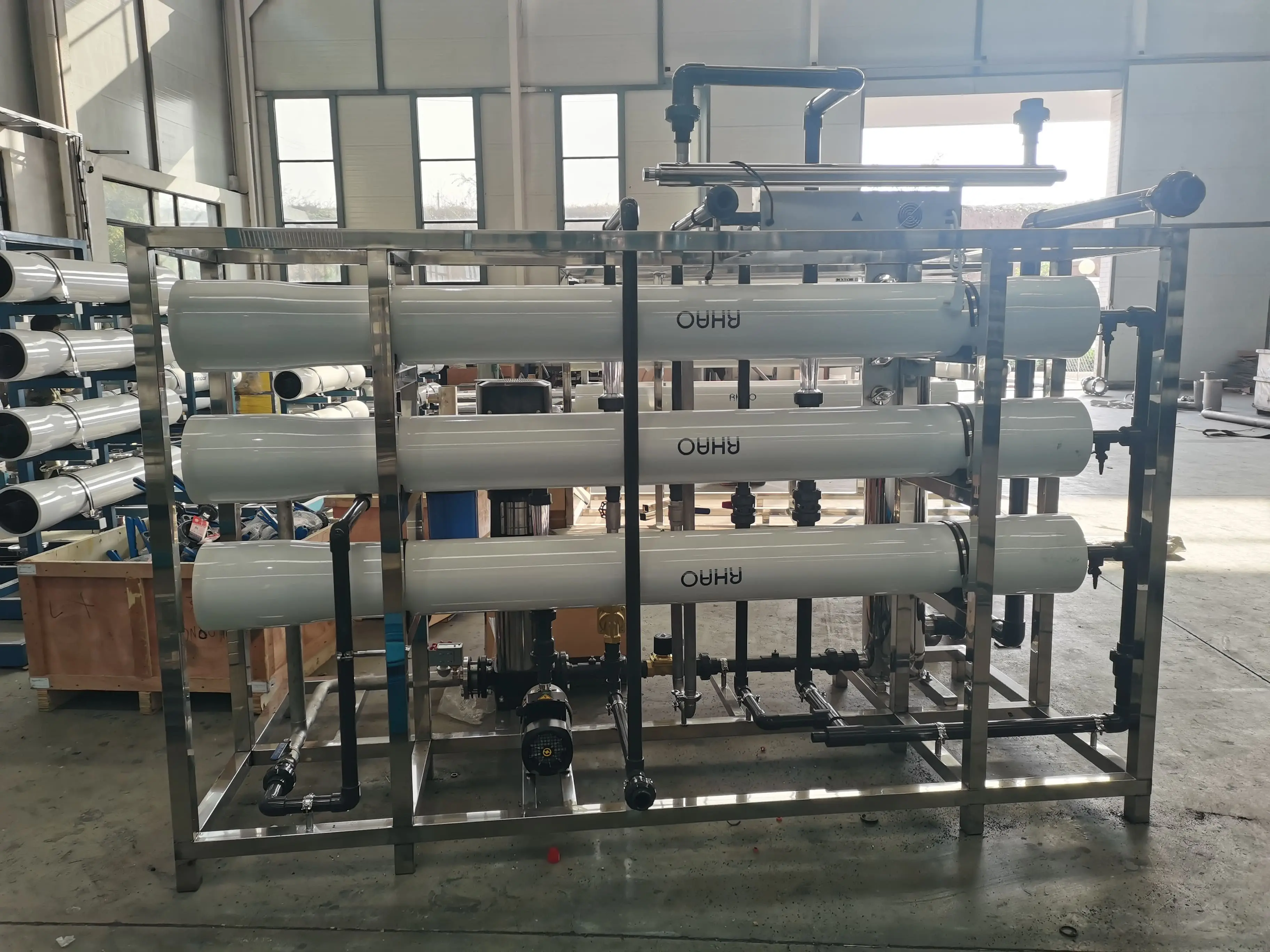
The reverse osmosis membrane is the "heart" of the RO system. Its pore size is only 0.0001 microns, which can intercept 99% of impurities in the water, such as heavy metals, bacteria and salt25. However, in long-term operation, calcium, magnesium and other ions in the water will gradually concentrate, forming stubborn scale on the membrane surface, blocking the membrane pores, resulting in a decrease in water production, increased energy consumption, and even permanent damage to the membrane element14. Due to the high cost of RO membranes (accounting for more than 50% of the total cost of the equipment), the use of antiscalants has become the key to extending the life of the membrane!
Four "superpowers" of scale inhibitors
Scale inhibitors are not simple "cleaners", but dynamic protection through scientific mechanisms:
Complexation and solubilization: after ionization, scale inhibitors generate negatively charged molecular chains, which combine with calcium and magnesium ions to form soluble complexes to prevent them from precipitating.
Lattice distortion: adsorbed on the crystal growth point, destroying the lattice structure, making the scale layer loose and easy to fall off.
Electrostatic repulsion: wrapping tiny particles and increasing the surface negative charge to prevent particles from agglomerating and depositing.
Dispersion: disperse the already formed tiny particles in the water to avoid sedimentation and agglomeration.
How serious are the consequences of not adding scale inhibitors?
Water production efficiency plummets: Blockage of membrane pores will cause a 30%-50% drop in water production, and even trigger system shutdown.
Energy consumption soars: scaling forces high-pressure pumps to continue pressurizing, and electricity costs soar.
Shortened membrane life: frequent cleaning or replacement of membrane elements doubles the operation and maintenance costs.
Water quality risks: The scale layer may breed bacteria, threatening the safety of the water output.
Although the scale inhibitor is a "trace", it is the "life-saving pill" of the RO system. Scientific use can not only save dozens of times the maintenance cost, but also ensure the safety and stability of water quality! If you are worried about the frequent blockage of the RO membrane, you might as well start with the optimization of the scale inhibitor to give the equipment a new lease of life!
Environmental protection tips: Regularly testing water quality parameters and calculating the dosage with professional software are the core of the efficient operation of the scale inhibitor!