







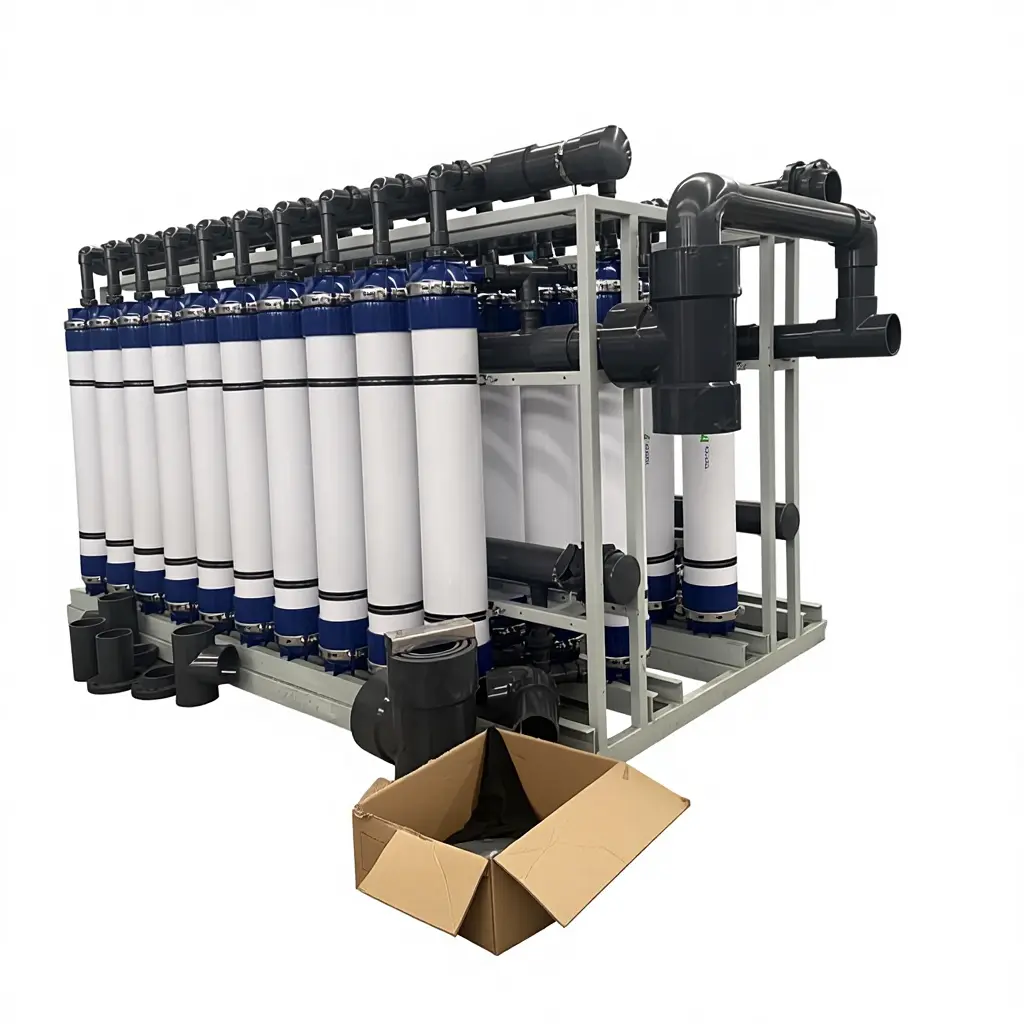
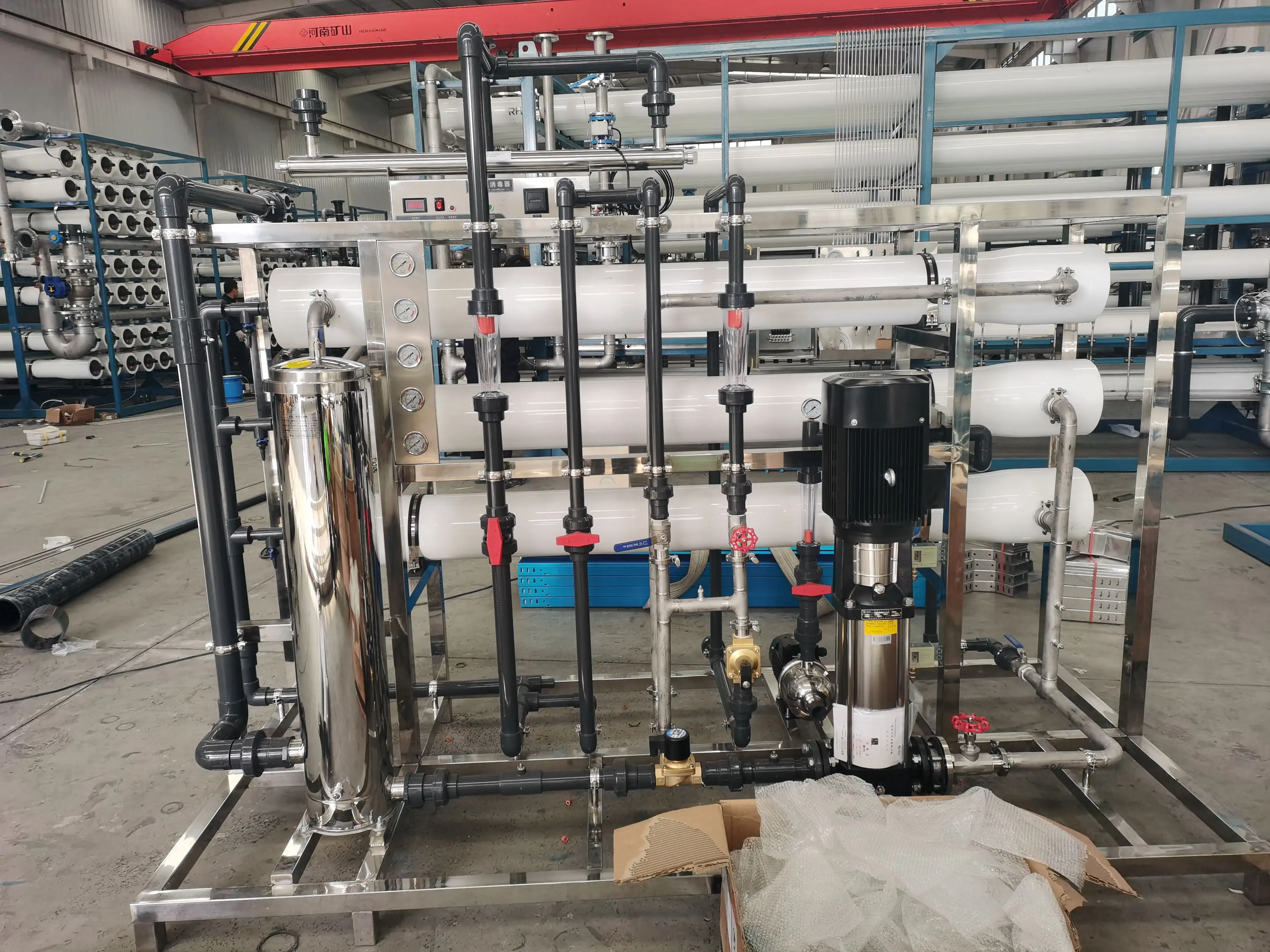
Why are water treatment equipment becoming increasingly necessary in various places?
Why do we need Water Treatment Equipment?
The tap water we use daily undergoes multiple filtration processes to remove large particles and is disinfected. After testing at the water treatment plant, the water meets national standards before being discharged to households through numerous pipes and pressurized Storage Tanks. Before reaching households, the water pipes traverse complex terrains, sometimes resulting in damaged or unrepaired pipes. This can lead to minor intersections between water pipes and sewage pipes, causing water contamination. For example, in some residential buildings, some water pipes even pass through the toilet before reaching the kitchen.
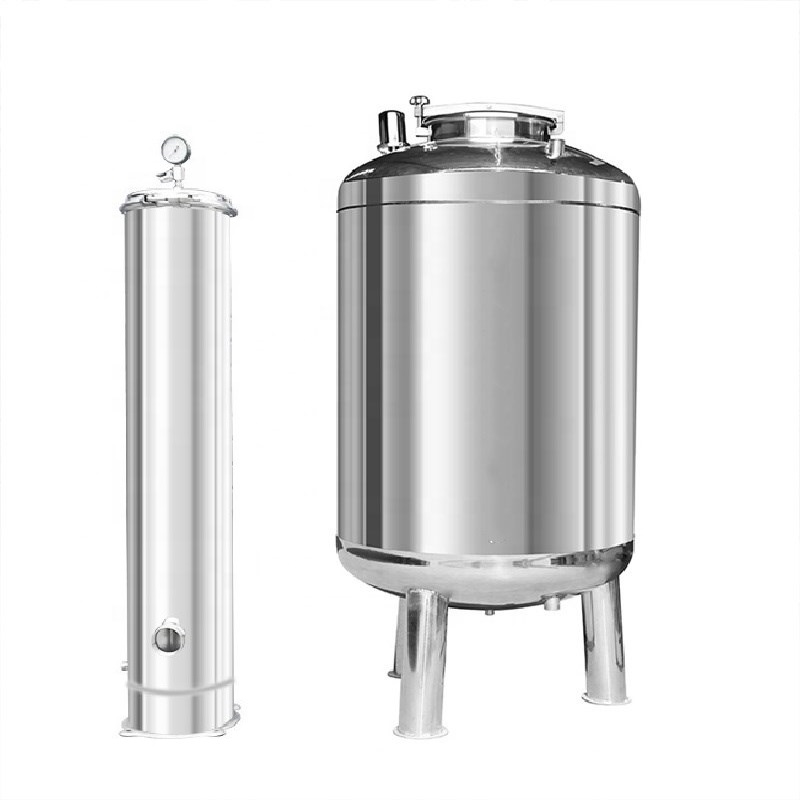
Because of damage and seepage around the tap water pipes, and because the repressurized water storage tanks are rarely sterilized, a significant amount of grime accumulates at the bottom of the tanks after long-term sedimentation. Rust from the pipes also contributes to the contamination of the tap water. Professional testing has revealed varying levels of harmful microorganisms such as rust, lead, and phenols, as well as pesticide residues. The level of contamination is alarming. Long-term use and consumption of this water could potentially lead to various health problems, including stomach and intestinal stones, cardiovascular disease, and arteriosclerosis.
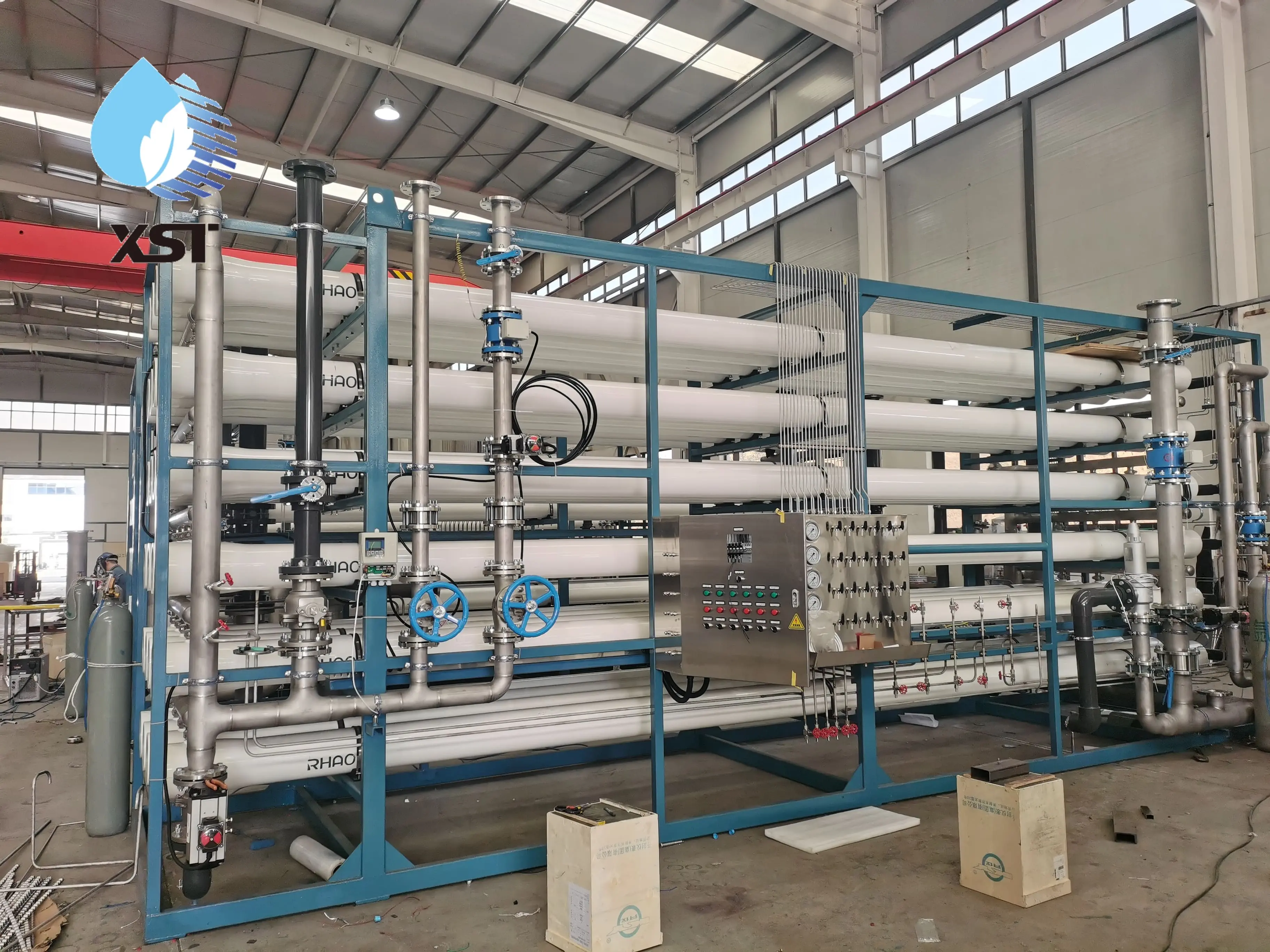
Many people believe that boiled tap water is safe to drink. However, while boiling water may temporarily alleviate stomach discomfort and abdominal pain, it does not remove harmful microorganisms such as rust, lead, and phenols, nor does it remove pesticide residues. Therefore, the water we use and drink over a long period is far from clean.
In simple terms, water treatment equipment uses various physical and chemical methods to remove harmful substances from water that are unnecessary for production and daily life. This type of equipment filters and purifies water. Because social production and daily life are closely related to water, the application scope of water treatment is very wide, constituting a huge industrial application.
Types of Water Treatment Equipment
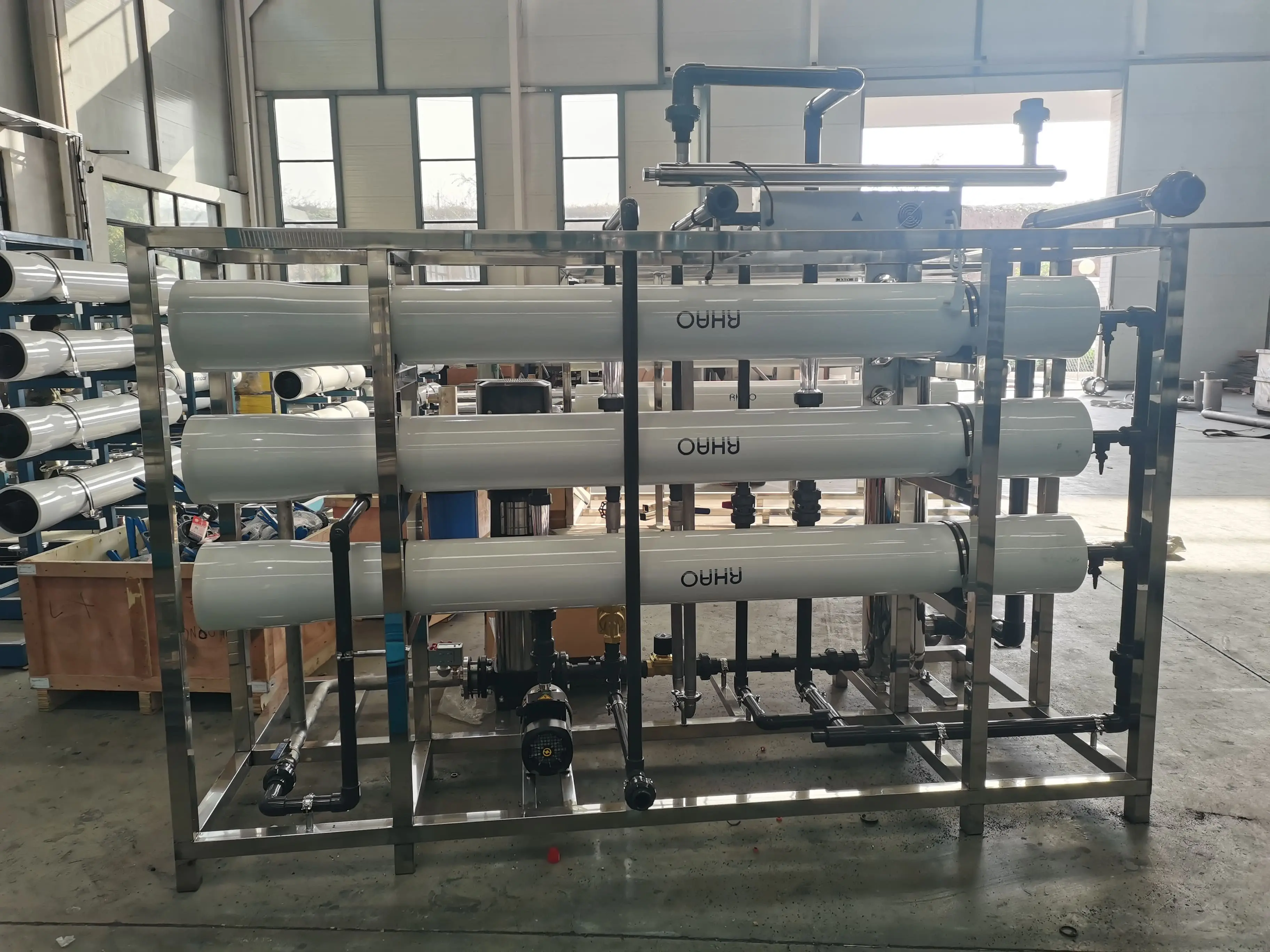
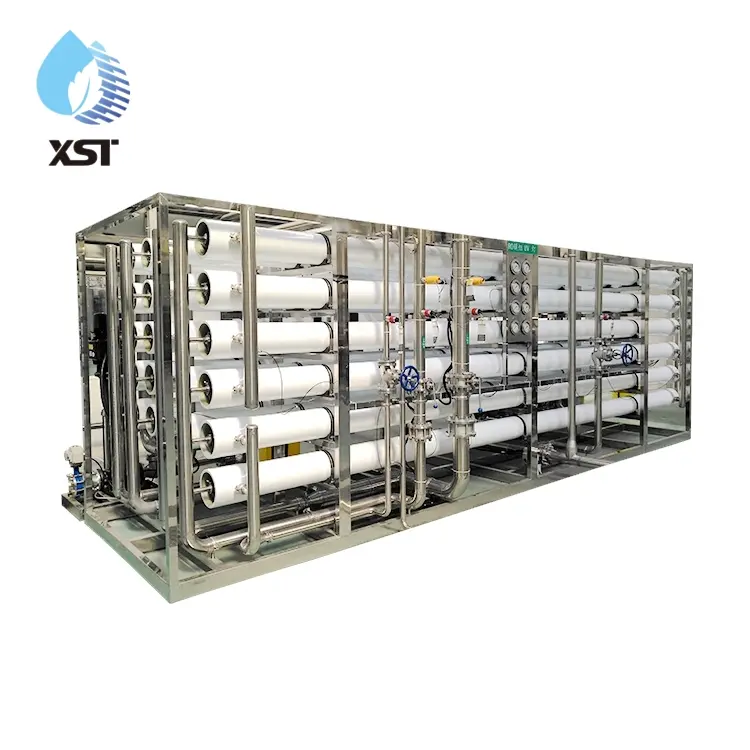
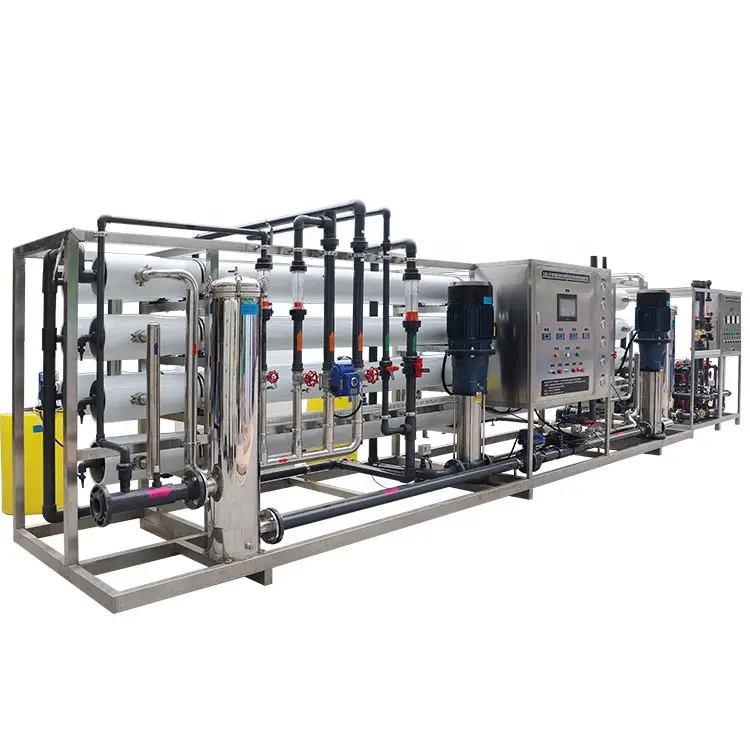
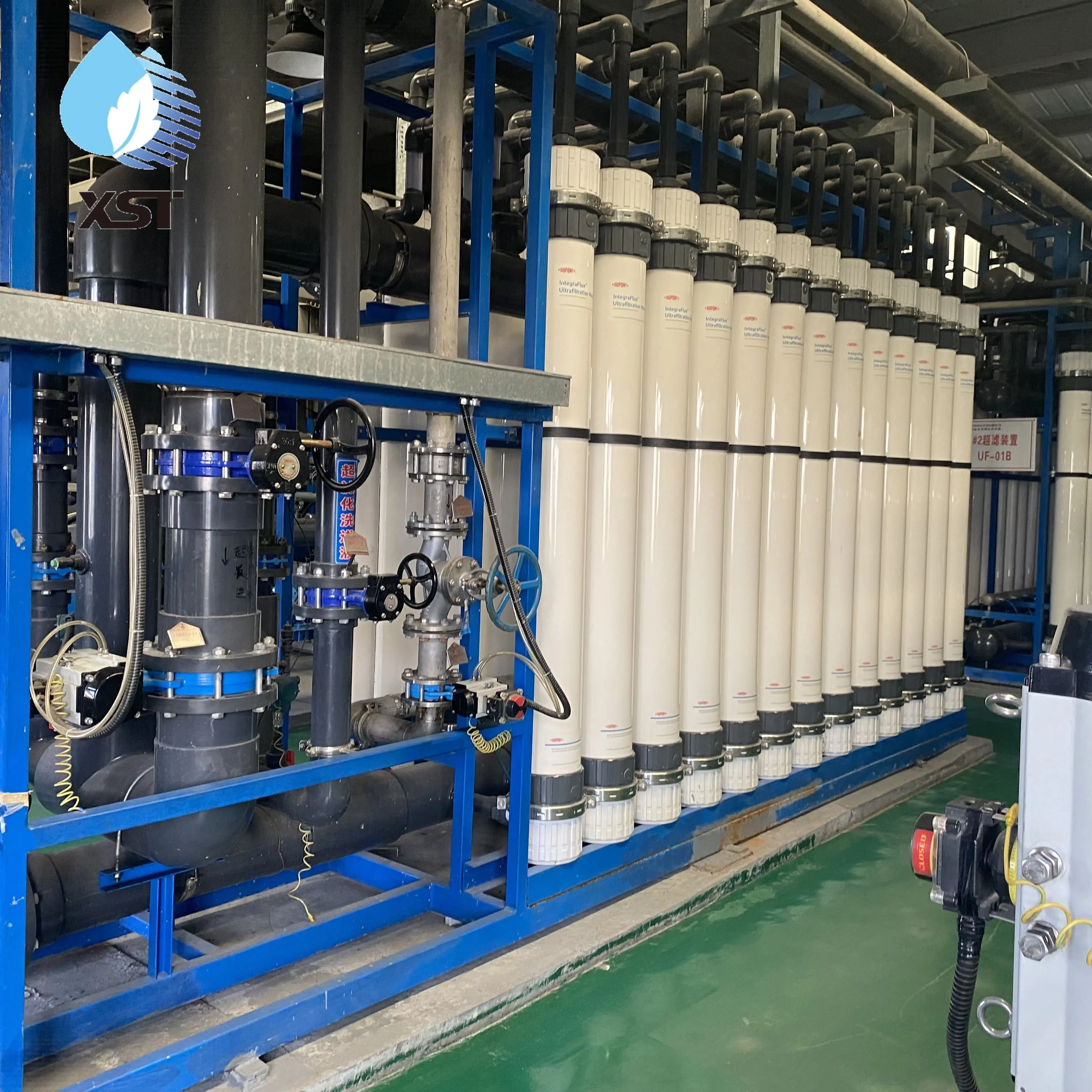
Currently, there are many water treatment products on the market, such as: reverse osmosis pure water equipment, EDI/mixed bed ultrapure water equipment, ion exchange pure water equipment, ultrafiltration equipment, softening and desalination equipment, seawater desalination equipment, greywater reuse equipment, wastewater recycling equipment, precision filtration equipment, water treatment equipment accessories, water treatment equipment consumables, solar photovoltaic ultrapure water equipment, well water filtration equipment, and automotive urea equipment. However, the selection of water treatment equipment must be based on different situations, customer water consumption, and design requirements; it cannot be generalized. Below, we will discuss drinking water treatment equipment. Drinking water treatment equipment is divided into pure water machines, water purifiers, and water softeners based on the different materials used, the different filter elements used, and the different methods of use.
Water Treatment Equipment - Pure Water Machine
Pure water machines are a relatively new type of water treatment equipment on the market, but they have already gained increasing popularity among consumers, especially water dispenser users, as they save people the cost and hassle of buying and transporting bottled water. The biggest difference between a pure water machine and a water dispenser is that a water dispenser uses bottled water purchased from outside, while a pure water machine connects directly to the user's tap and produces its own purified water.
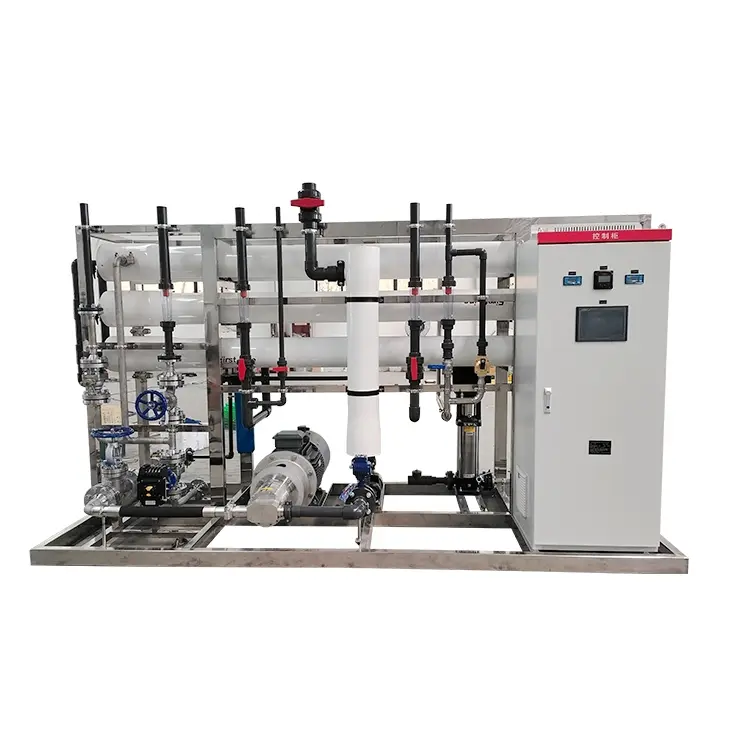
Pure water machines utilize American reverse osmosis technology, employing imported reverse osmosis membranes. This technology was previously widely used in high-tech fields such as medicine (e.g., hemodialysis for kidney disease), electronics, aerospace (astronaut fluid circulation), and seawater desalination. In recent years, this technology has also been used to develop water purification equipment suitable for home use. Its working principle is to apply pressure to water, forcing water molecules and ionized minerals through a reverse osmosis membrane, while most dissolved inorganic salts (including heavy metals), organic matter, bacteria, and viruses cannot pass through. This ensures a strict separation between the purified water and the concentrated water. The pore size of the reverse osmosis membrane is only 0.0001 micrometers, while viruses typically have a diameter of 0.02-0.4 micrometers, and ordinary bacteria have a diameter of 0.4-1 micrometer. Therefore, you can confidently drink the pure water from this water purifier.
A water purifier not only removes impurities, rust, sediment, colloids, bacteria, and viruses, but also harmful radioactive particles, organic matter, fluorescent substances, pesticides, and even limescale and heavy metals, ensuring that your boiled water is limescale-free and protecting your family's health.
Water Treatment Equipment - Water Purifiers
There are many types of water purifiers. Based on the number of filter cartridges used, they are divided into coarse filtration water purifiers: generally using PP fiber cotton and activated carbon, and available in single-stage, two-stage, three-stage, four-stage, and five-stage filter models. They are also classified according to the core technology used: coarse filtration, hollow fiber precision filtration, and ceramic filter precision filtration. The main difference lies in the type of filter cartridge used.
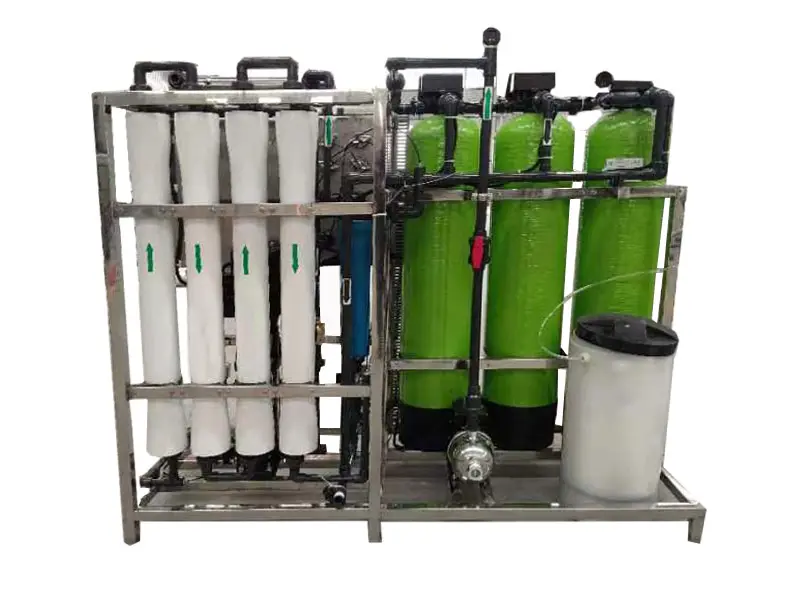
Depending on the filter cartridge used, water purifiers can filter out impurities, rust, some bacteria, viruses, colloids, etc., from tap water. However, they are not very effective at removing heavy metals and limescale; some water purifiers cannot remove heavy metals and limescale at all. Therefore, while water purifiers can meet some user requirements, they are not suitable for direct drinking; it is best to boil the water before drinking.
Features: No motor, no electricity required, filtration is driven by water pressure. Without a storage tank, a good system uses a five-stage filtration system: the first stage is a PP fiber filter, the second and third stages are activated carbon, the fourth stage is a hollow fiber membrane or ceramic filter, and the fifth stage is a post-activated carbon filter, primarily used to improve taste.
Water Treatment Equipment - Water Softener
Water softeners haven't been on the market for very long, but many users love them. They use ion exchange to soften water, completely removing limescale, and have a large flow rate, enough to soften water for the whole family.
In operation, water containing calcium and magnesium ions passes through resin containing sodium ions. The calcium and magnesium ions replace the sodium ions and are adsorbed onto the resin. The water containing sodium ions flows out of the softener as "soft water," until all the resin surface is occupied by calcium and magnesium ions, preventing further exchange. The resin is regenerated using a dilute solution of non-iodized salt and water. Fully automatic water softeners operate entirely automatically, controlled by a computer, requiring no manual operation. Using soft water prevents limescale buildup in cups, teapots, bathtubs, and sinks, making them easier to clean. Soft water also prevents limescale buildup in your home's water pipes, extending the lifespan of your water heater and preventing a decrease in hot water flow over time. Soft water reduces the amount of detergent and soap needed, significantly lowering plumbing repair costs. It can also extend the lifespan of clothes by 32% compared to washing in hard water, and clothes are less prone to yellowing, resulting in whiter shirts, bluer shirts, and more vibrant colors. Furthermore, soft water has excellent beauty benefits for women who regularly bathe (high-end beauty salons now use soft water for their clients). Using soft water can also reduce your daily housework time, freeing you from arduous tasks.
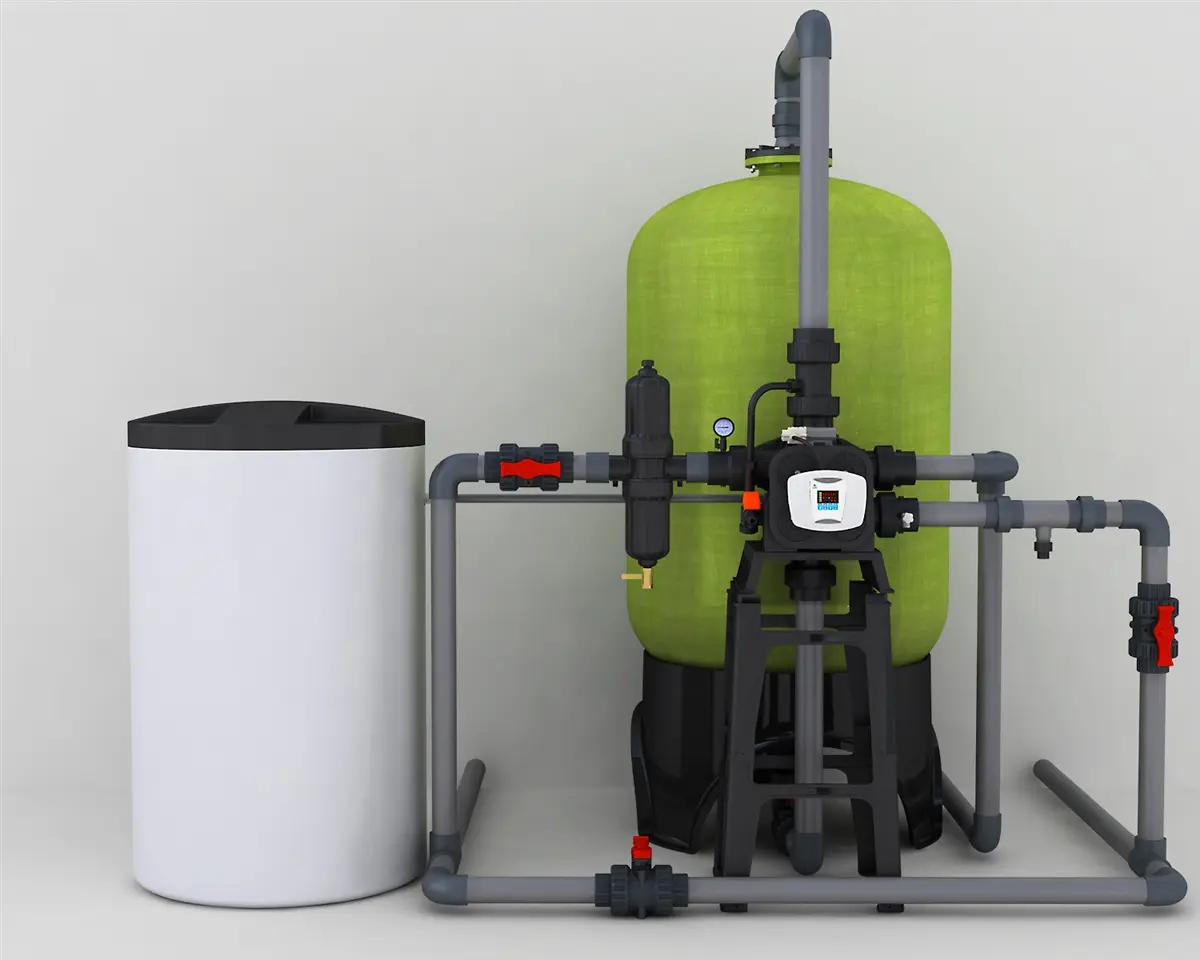
Water softeners can be categorized by controller type (time-based, flow-based) and by appearance (integrated, split-type). They can also be categorized by the level of automation (manual (semi-automatic) or fully automatic).
Function: Primarily softens water and removes limescale. Water is not for direct consumption; it is for domestic use, such as bathing and beauty treatments. Water softeners cannot remove impurities, bacteria, viruses, or heavy metals from water; their function is to remove limescale.
Besides domestic drinking water treatment equipment, there are water treatment systems used in various other industries, including chemical, electronics and semiconductor, pharmaceutical, glass, electroplating, fine chemicals, LED/LCD/OLED ultrapure water treatment equipment, factory drinking water equipment, food and beverage, papermaking, printing and dyeing textiles, and municipal environmental protection.