








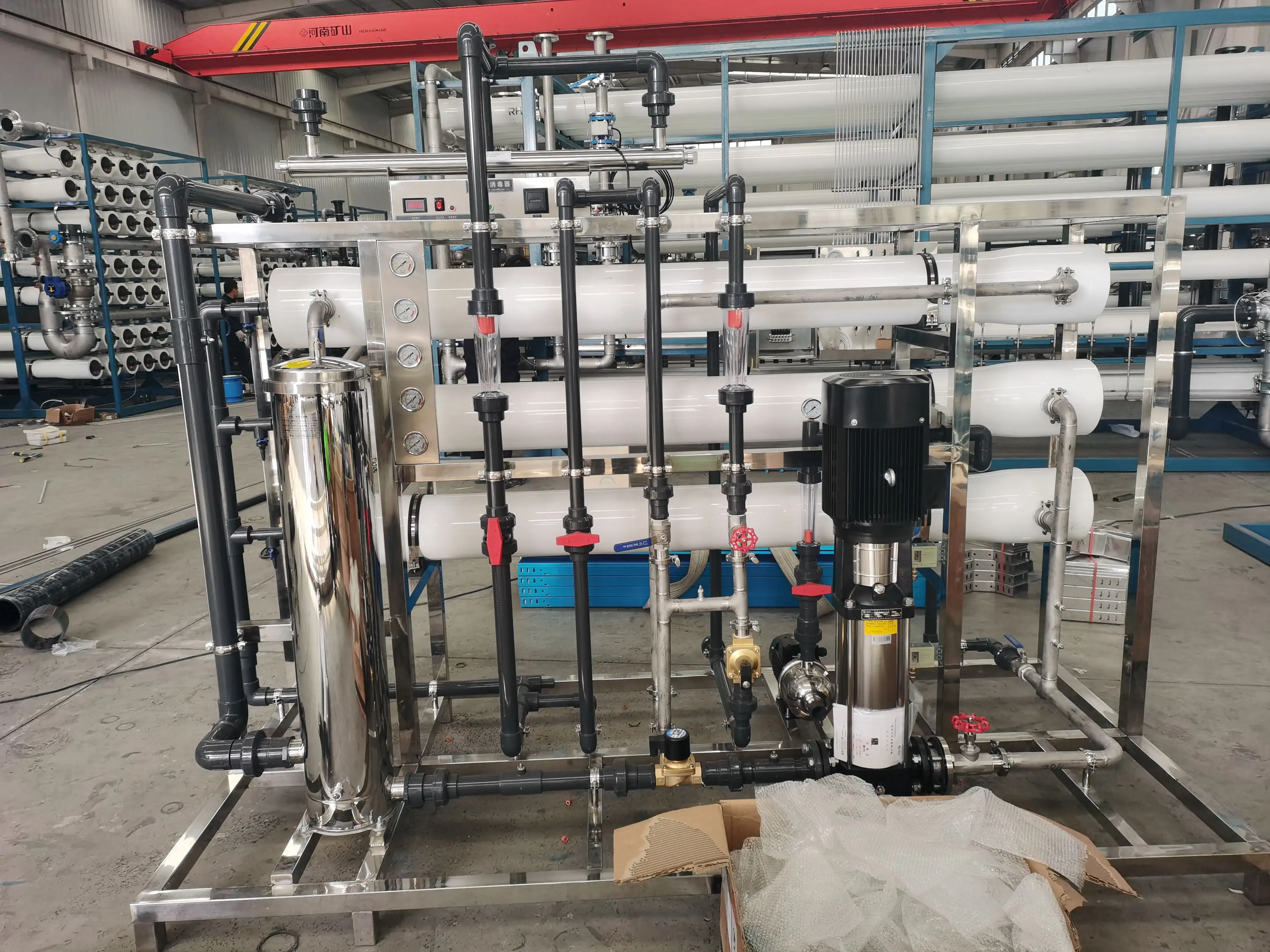
What adverse effects will the increase in water temperature have on ultrapure water equipment?
The normal operation of ultraPure Water equipment has certain requirements for the inlet water temperature. Too high or too low will affect its performance. So, when the water temperature rises, what specific adverse effects will it have on the ultrapure water equipment?
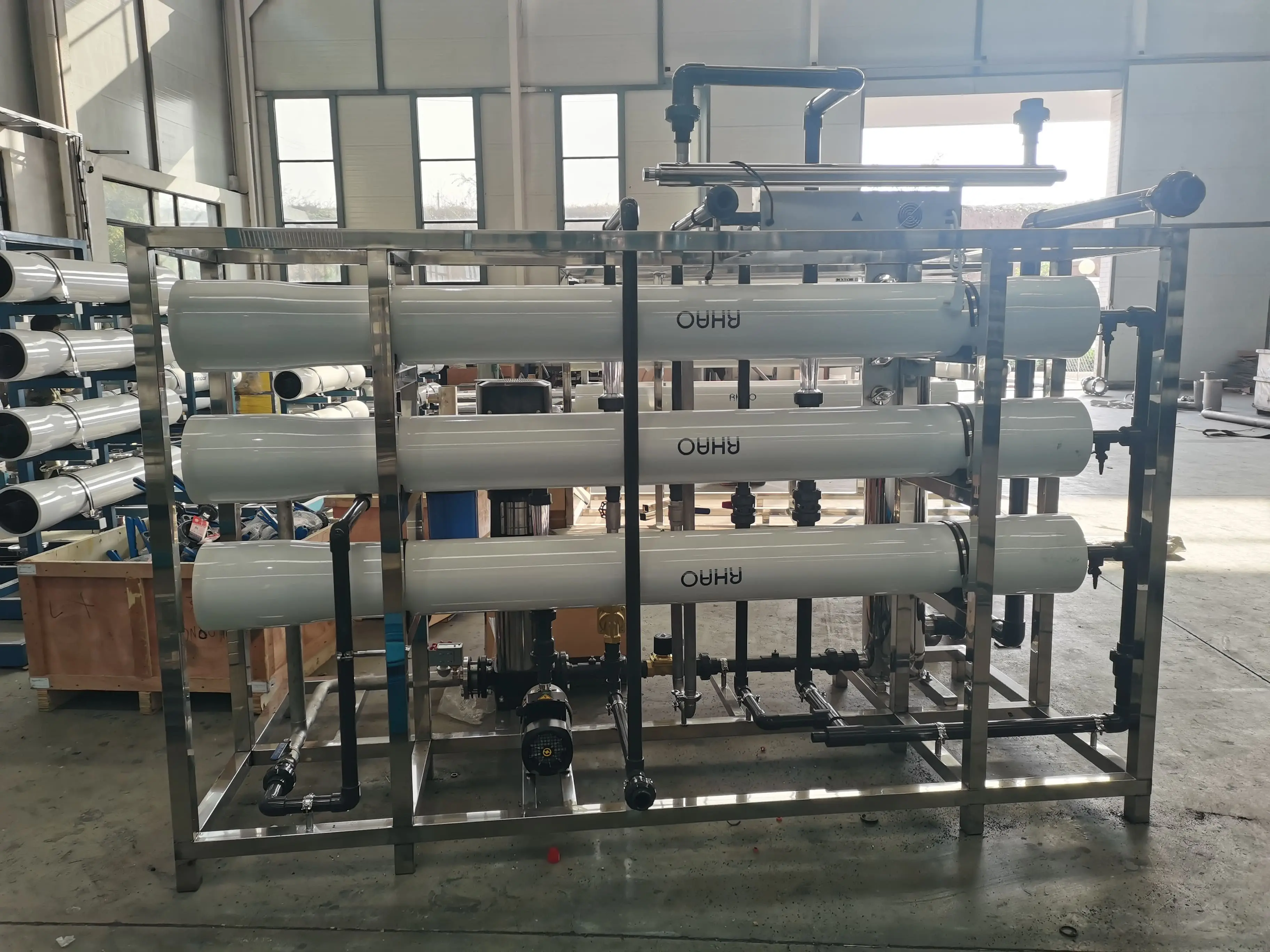
First of all, the high temperature environment will have a significant negative effect on the performance of the Reverse Osmosis membrane in the ultrapure water equipment. When the water temperature rises, the desalination rate of the reverse osmosis membrane will decrease accordingly, and the two are inversely proportional. This is because at the set water flow rate, the increase in water temperature will reduce the viscosity of the water, thereby increasing the water permeability of the membrane, and the direct result is a decrease in operating pressure, which ultimately reduces the desalination rate. Therefore, once the water temperature is found to be rising, we need to take corresponding adjustments and maintenance measures in time according to the actual situation.
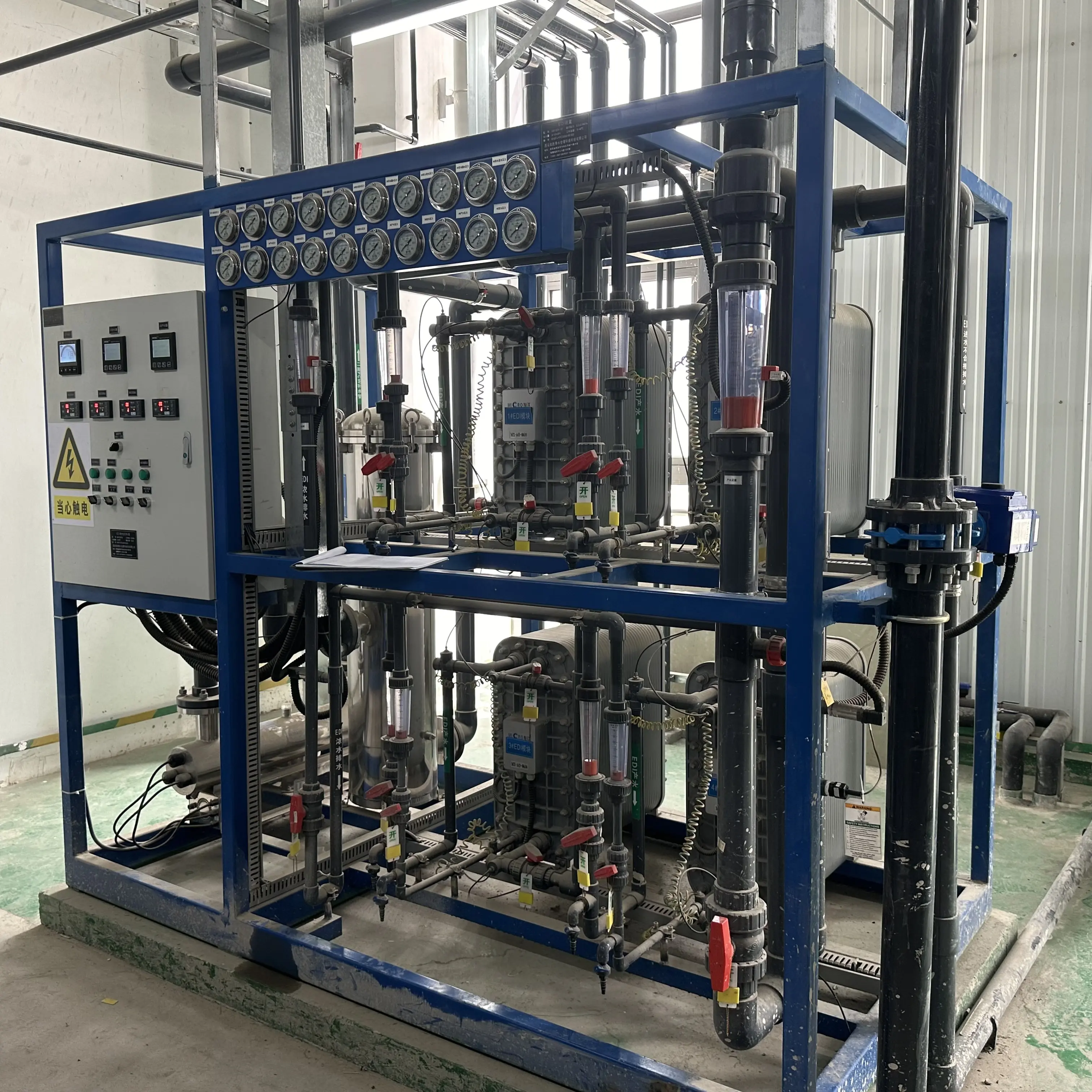
In addition, the problems caused by high temperature are far more than just a decrease in desalination rate. The increase in water temperature will also provide a suitable growth and reproduction environment for some microorganisms, causing the equipment to be contaminated by microorganisms. Most bacteria grow well in the water temperature range of 15℃ to 30℃, and the increase in temperature will accelerate their metabolism and reproduction rate.
Furthermore, when microorganisms enter the concentrated water side of the reverse Osmosis System, the nutrients in it become nutrients for their reproduction. They can reproduce rapidly and form a biofilm on the surface of the reverse osmosis membrane within a few days, which will significantly increase the pressure difference between the inlet and outlet of the reverse osmosis system. Not only will the desalination rate decrease, the water output will also decrease, and the water quality of the output will also be polluted.
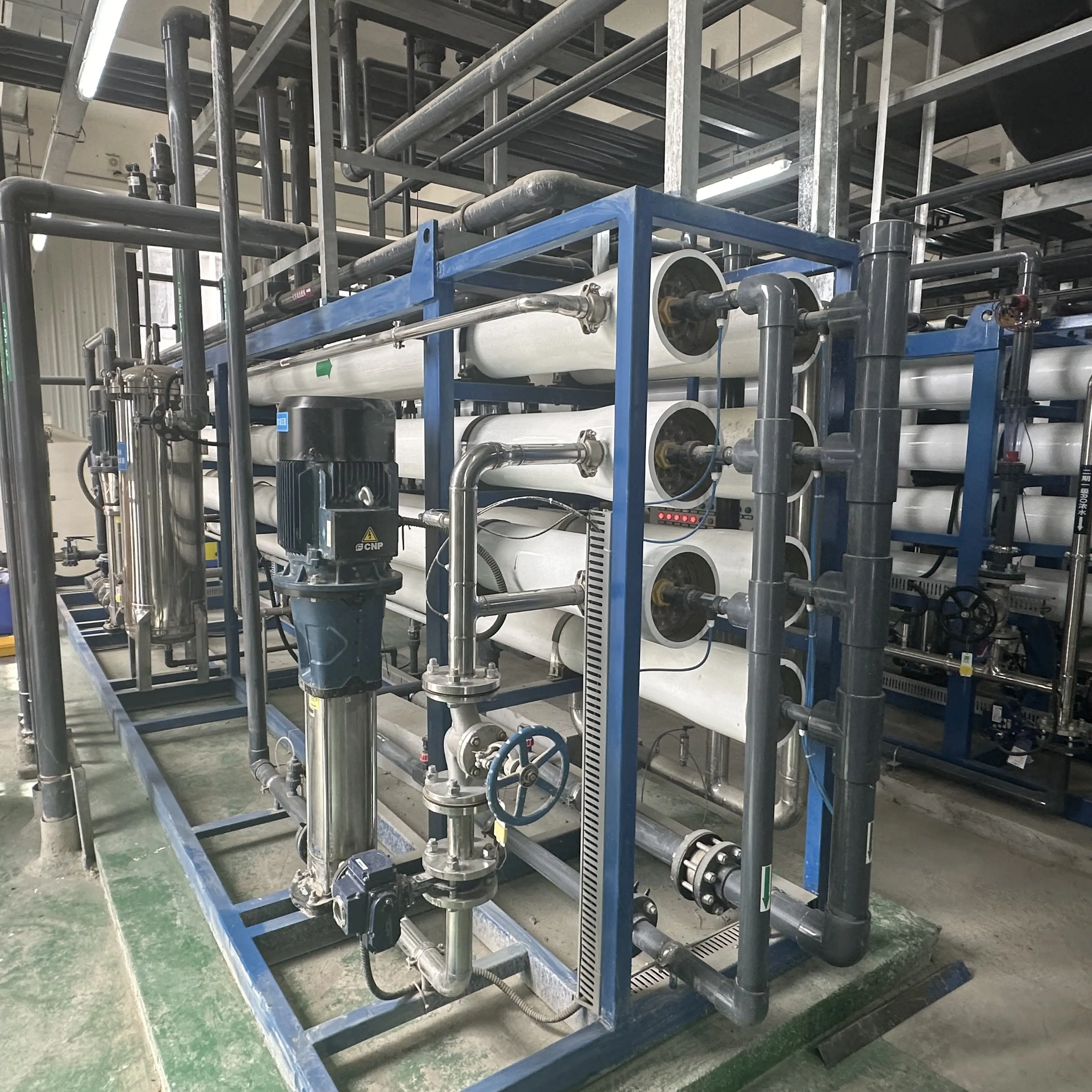
In summary, the above are the various adverse effects that increased water temperature may cause to ultrapure water equipment. Once the ultrapure water equipment is found to be contaminated by microorganisms, measures should be taken immediately to clean it. It is recommended to use a 0.1% sodium hydroxide (NaOH) solution for chemical cleaning. The water temperature during cleaning should be below 30 degrees Celsius and the pH value should be controlled within the range of 11-12.