




Water Treatment Process: Multi-media Filtration
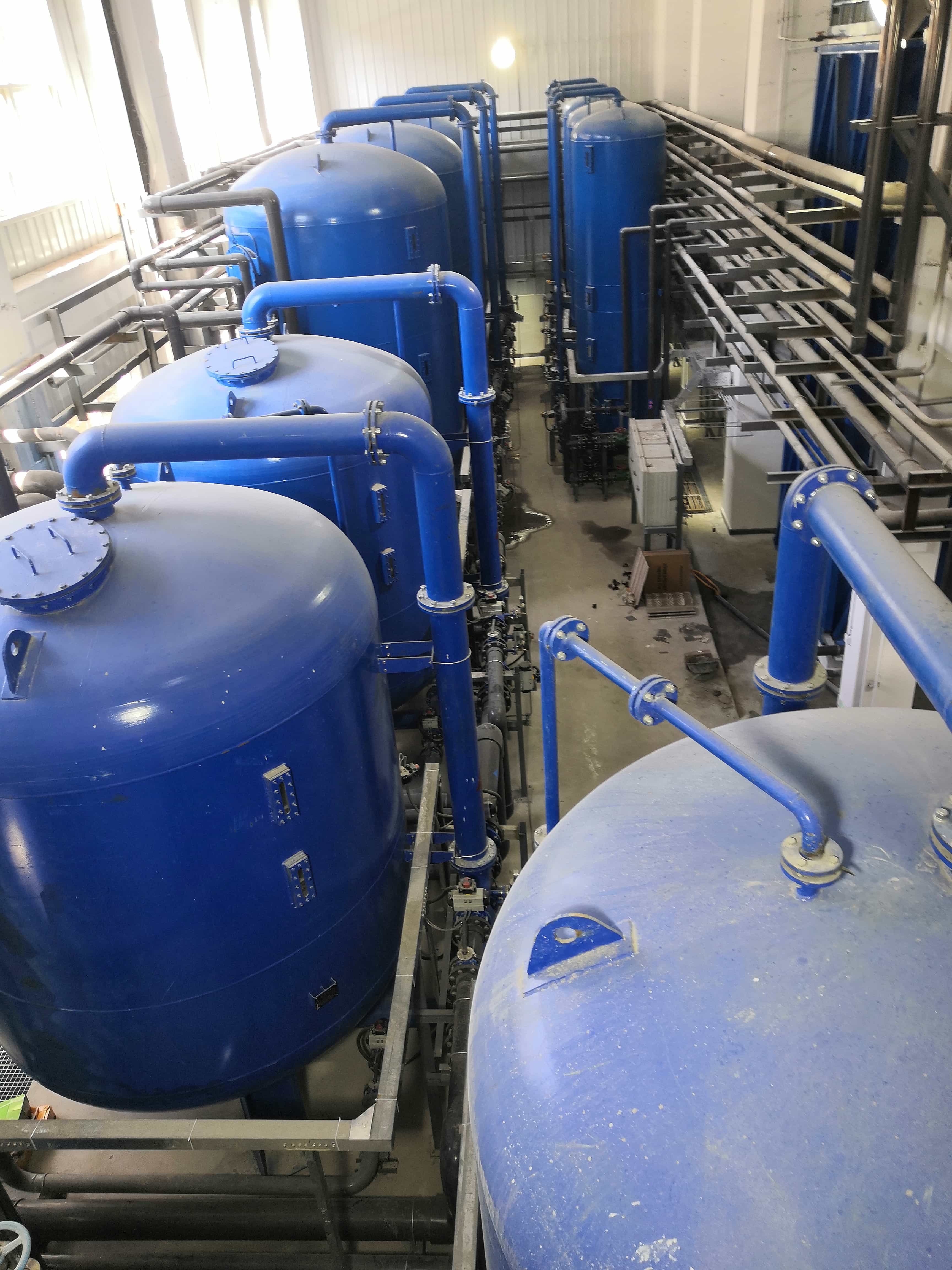
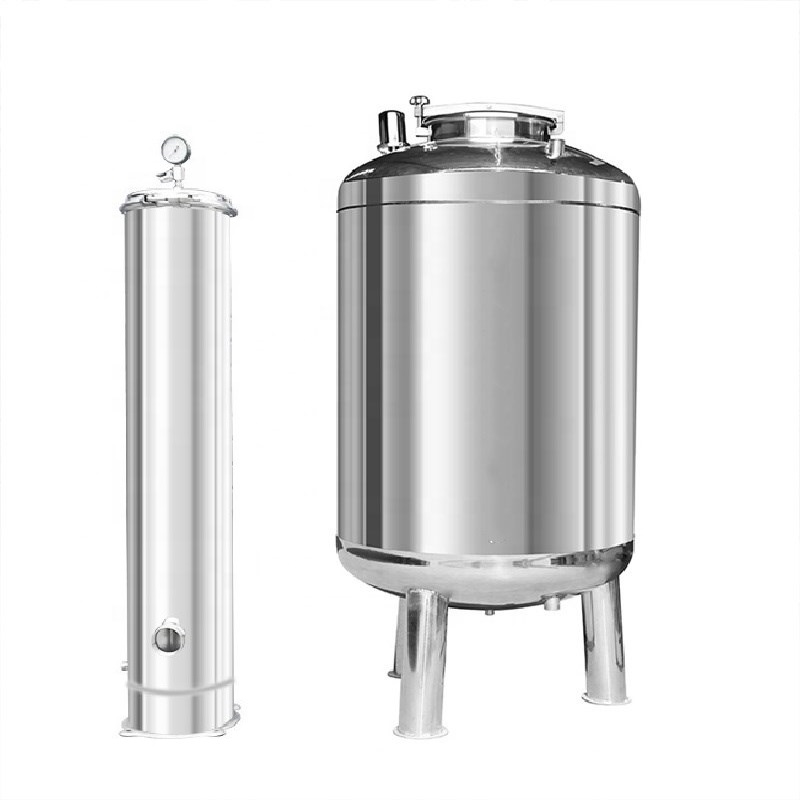
Multi-media filtration is a key link in Water Treatment, and its core equipment is a multi-media filter. The process mainly includes two stages: filtration and backwashing, which will be explained separately below.
1. Multi-media filtration
Filter media composition:
Multi-media filters are filled with various filter media of different particle sizes, such as sand, anthracite, etc., to form a layered structure. Anthracite helps to increase the filtration flow rate and reduce the frequency of backwashing. Whether to increase the filtration depth or from the perspective of water conservation, anthracite shows its advantages.
Filling method and principle:
Usually, quartz sand with a smaller particle size is located at the bottom layer, quartz sand with a larger particle size is in the middle, and light anthracite is distributed on the top layer. The raw water to be treated flows from top to bottom through these filter media layers from coarse to fine, achieving step-by-step filtration and purification. The main function of the multi-media filter is to remove impurities such as larger particles, suspended matter, colloids, and silt in the raw water, thereby reducing the turbidity of the effluent to less than 3, to meet the water inlet requirements of subsequent membrane filtration and other processes. Generally speaking, multi-media filters can effectively intercept particles in the range of 10~40μm.
Depending on the quality of the raw water, it may be necessary to add flocculants to the multi-media inlet pipe. The function of the flocculant is to turn most of the suspended matter and colloids in the water into micro-flocs, thereby increasing the interception rate in the multi-media filter layer.
2. Backwashing
When removing turbidity during the filtration process of the multi-media filter, as the pressure drop of the filter medium increases, the turbidity level increases, and backwashing is eventually required to clean and remove the filter bed. The particles of suspended matter, colloids, and silt accumulated during the filtration process need to be removed by backwashing regularly (or based on the pressure drop). This right-down upward flushing or air flushing achieves decompression of the filter layer. The multi-media filter bed will loosen and lift, allowing suspended matter, particles, etc., to be discharged from the top of the backwash flow, thereby removing the filtered particulate impurities. This process is called backwashing, and the backwash flow rate is usually 3~10 times the filtration operation flow rate. After backwashing, the filter bed settles and re-layers and is put back into use.
3. Maintenance
Over time, the jagged edges of sand and other media will become rounded, reducing the filtration capacity. It is necessary to adjust the backwash cycle or replace the filter media in time according to the turbidity data.