







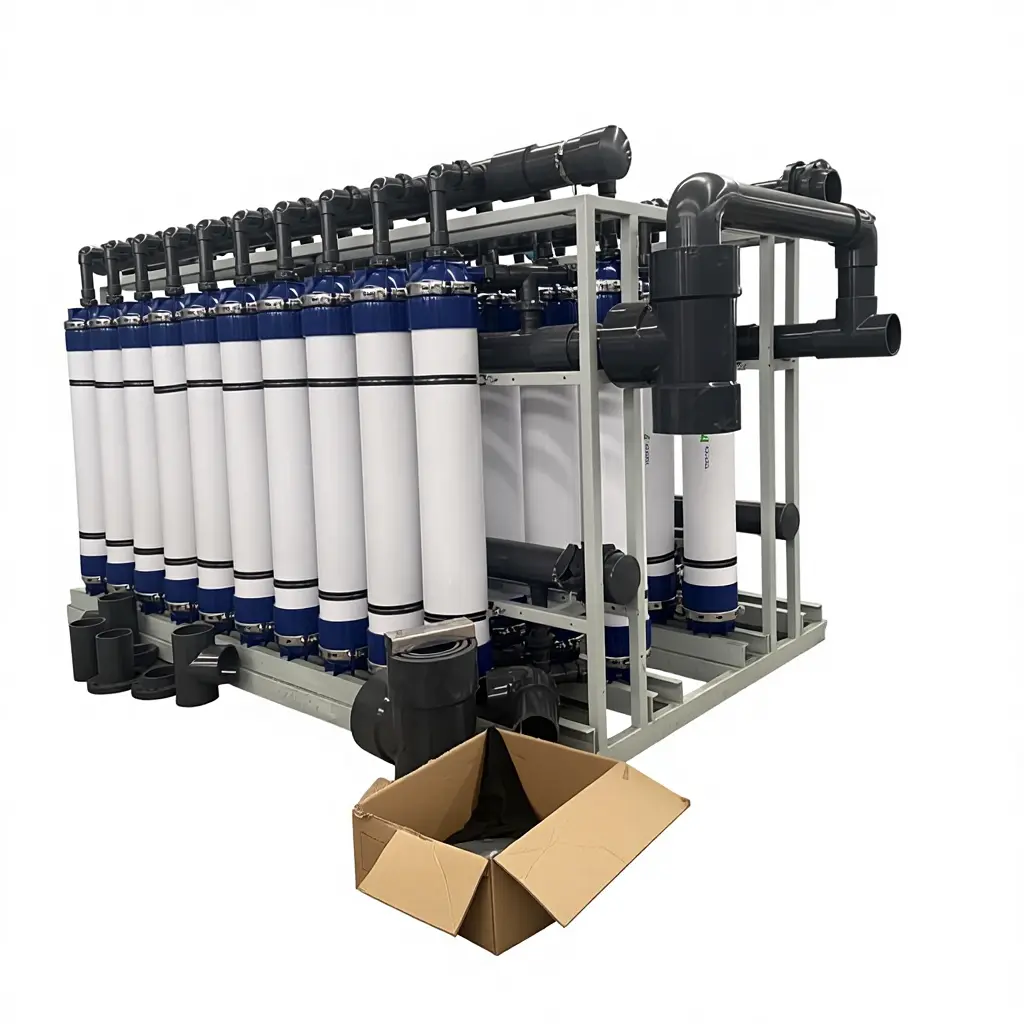
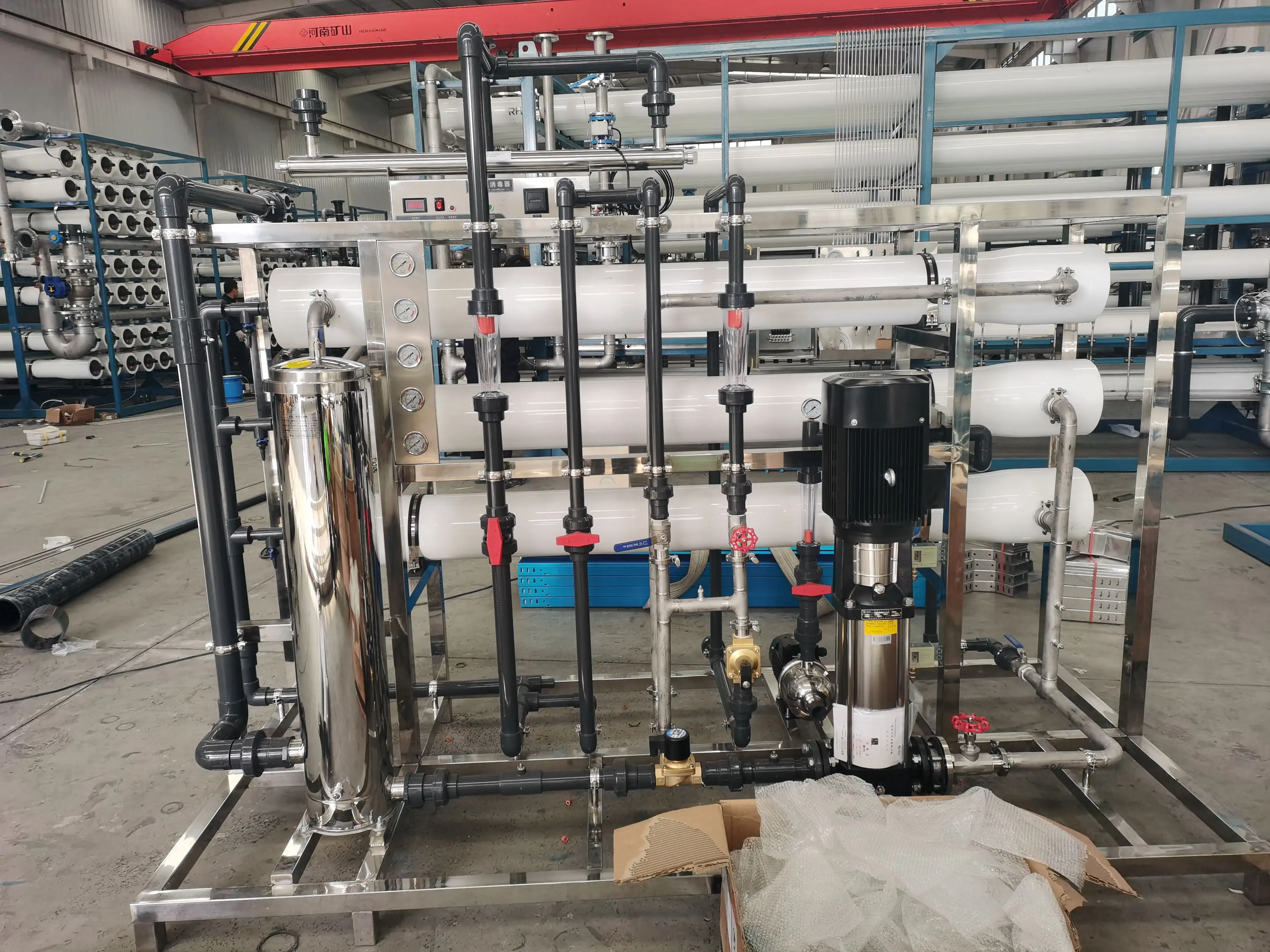
Ultrafiltration System Dosing Point and Instrument Setting Principle
I.Water inlet configuration
1.Chemical dosage
(1) Microbial control program
Raw water pretreatment pipeline system is usually equipped with a fungicide dosing device and temperature, turbidity detection instrument. The core function of fungicide is to effectively inhibit the proliferation of microorganisms and ensure the cleanliness of water pipelines and treatment devices.
Common formulations include:
Economical solution: Sodium Hypochlorite (effective chlorine concentration 0.3-0.5ppm) and other oxidizing fungicides
Safe solution: DBNPA (suitable for pH < 8.0 environment) and other non-oxidizing amide fungicides
(2) Principle of dosing mode selection
Differentiated dosing strategies were implemented according to the degree of microbial pollution in water sources: when the bioactivity index was > 5000 CFU/mL, continuous + impact combined dosing was adopted; 2000-5000 CFU/mL using continuous dosing; < 2000 CFU/mL using impact dosing.
Residual chlorine control target value: maintain 0.3-0.5ppm effective chlorine concentration at the end of the ultrafiltration production tank
Dosing point requirements: distance from the original water tank ≤3m, equipped with Static Mixer (L/D≥20), pipe layout adopts 45° side insertion mode, supporting double check valve and vacuum breaker.
2.Installation specifications for testing instruments
Ensure that water flows are in dynamic contact at temperature monitoring points to avoid dead water areas.
The turbidity test is installed in a direct connection, and the length of the sampling pipe is less than 1.5 meters.
The instrument control cabinet shall be installed nearby.
II.The backwash system optimization design
(1) Multi-unit cooperative control strategy
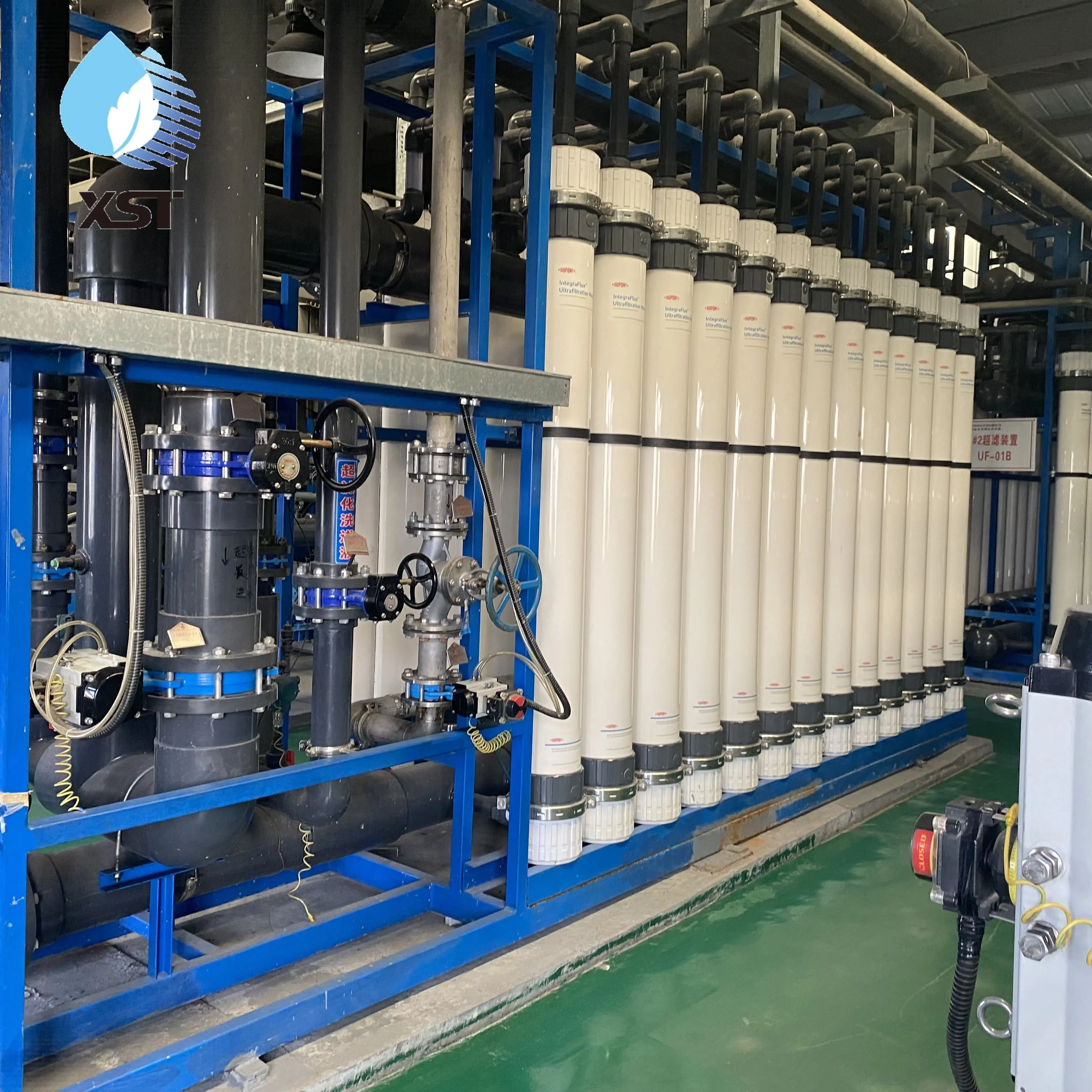
For the backwashing pipeline system of parallel ultrafiltration units (≥2 sets), it is necessary to focus on:
Chemical backwashing (CEB) compatibility with conventional backwashing (BW); Dosing timing coordination in the co-management system; Remote unit drug delivery time.
(2) Key design elements
Dosing unit configuration: independent dosing interface: different drugs do not share dosing points; Fast response design: the dosing point is less than 3 meters away from the membrane module; Branch dosing mode: Branch dosing scheme is recommended for the multi-unit system.
Process control instrument: The pH monitoring system must meet the requirements of dynamic water sample detection, probe response time < 15 seconds, and instrument cabinet installation radius ≤2 meters.
III.Water quality monitoring system
Basic monitoring parameters: turbidity (NTU), pollution index (SDI), residual chlorine (ppm), multi-unit system for independent detection, and a single set of detection units.
Instrument installation specifications: the volume of the flow-through testing pool is less than 200ml, the flow rate of the sampling pipe is maintained at 1-2m/s, and the main pipe is designed with lateral openings as far as possible.