







Several processes for pure water treatment (2)
IV. Ion exchange (IX) pure Water Treatment process
The principle of ion exchange is to exchange inorganic salt anions and cations in water, such as calcium ions Ca2+, magnesium ions Mg2+, sulfate SO42-, nitrate NO3-, etc., with ion exchange resins, so that the anions and cations in the water are exchanged with the anions and cations in the resin, thereby purifying the water.
V. Reverse osmosis (RO) pure water treatment process
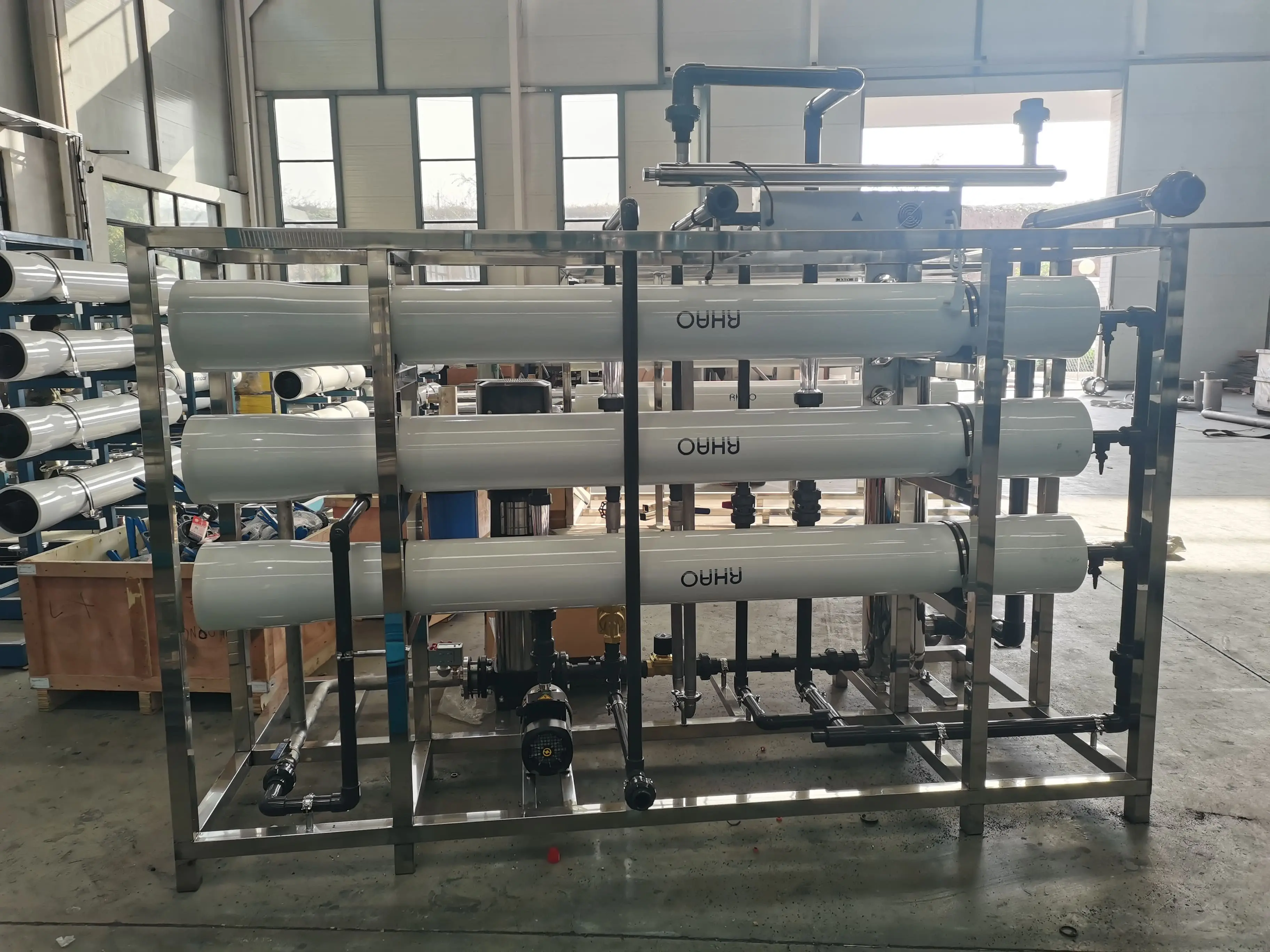
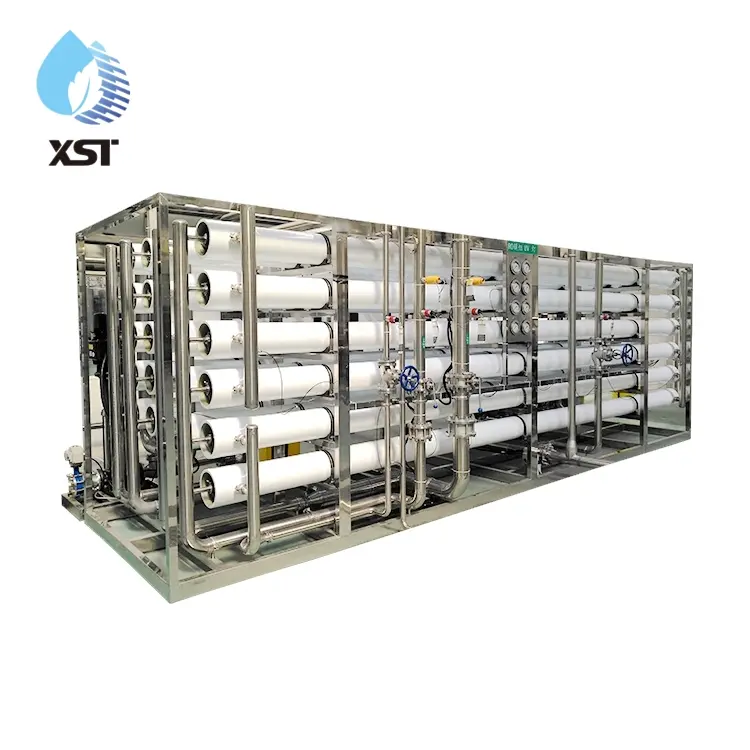
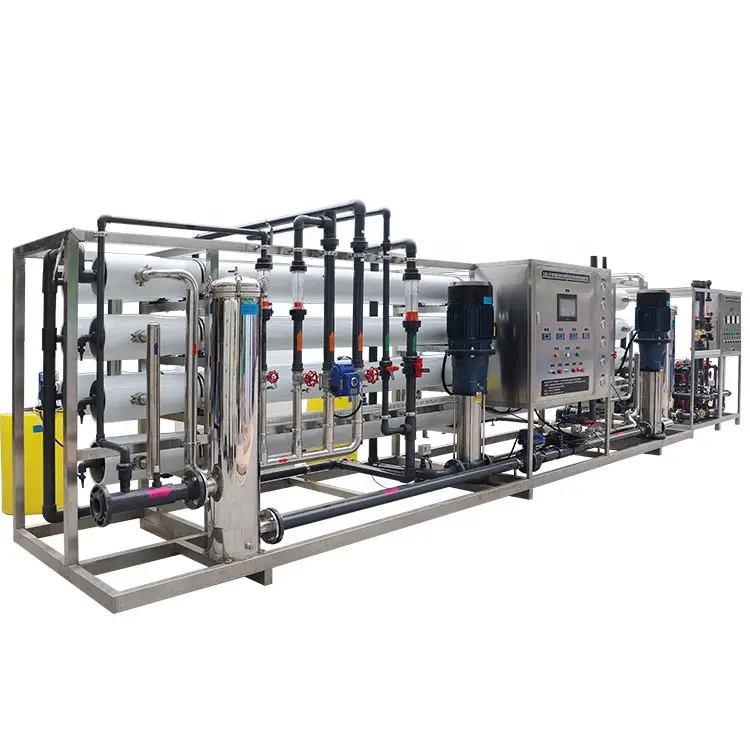
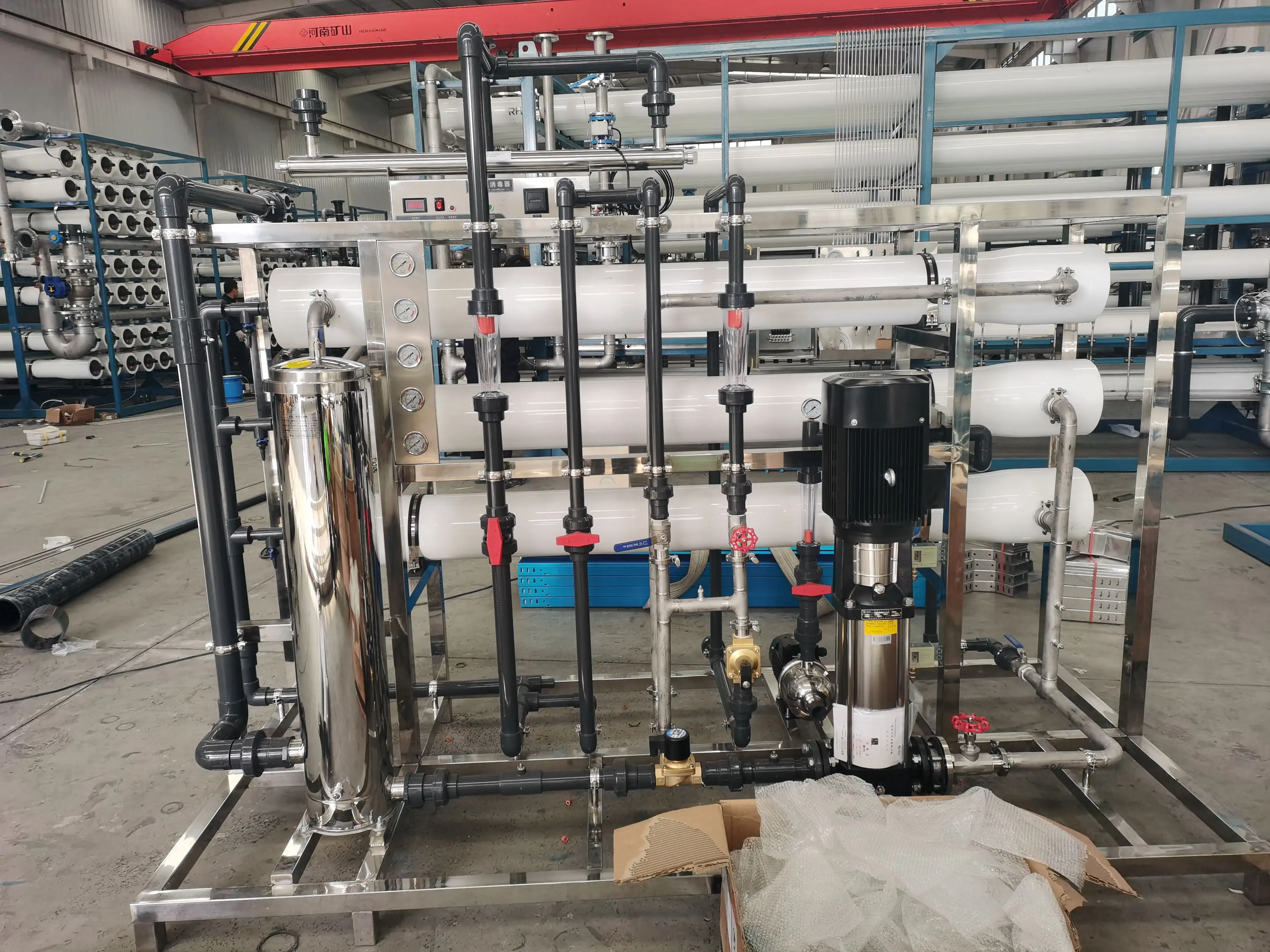
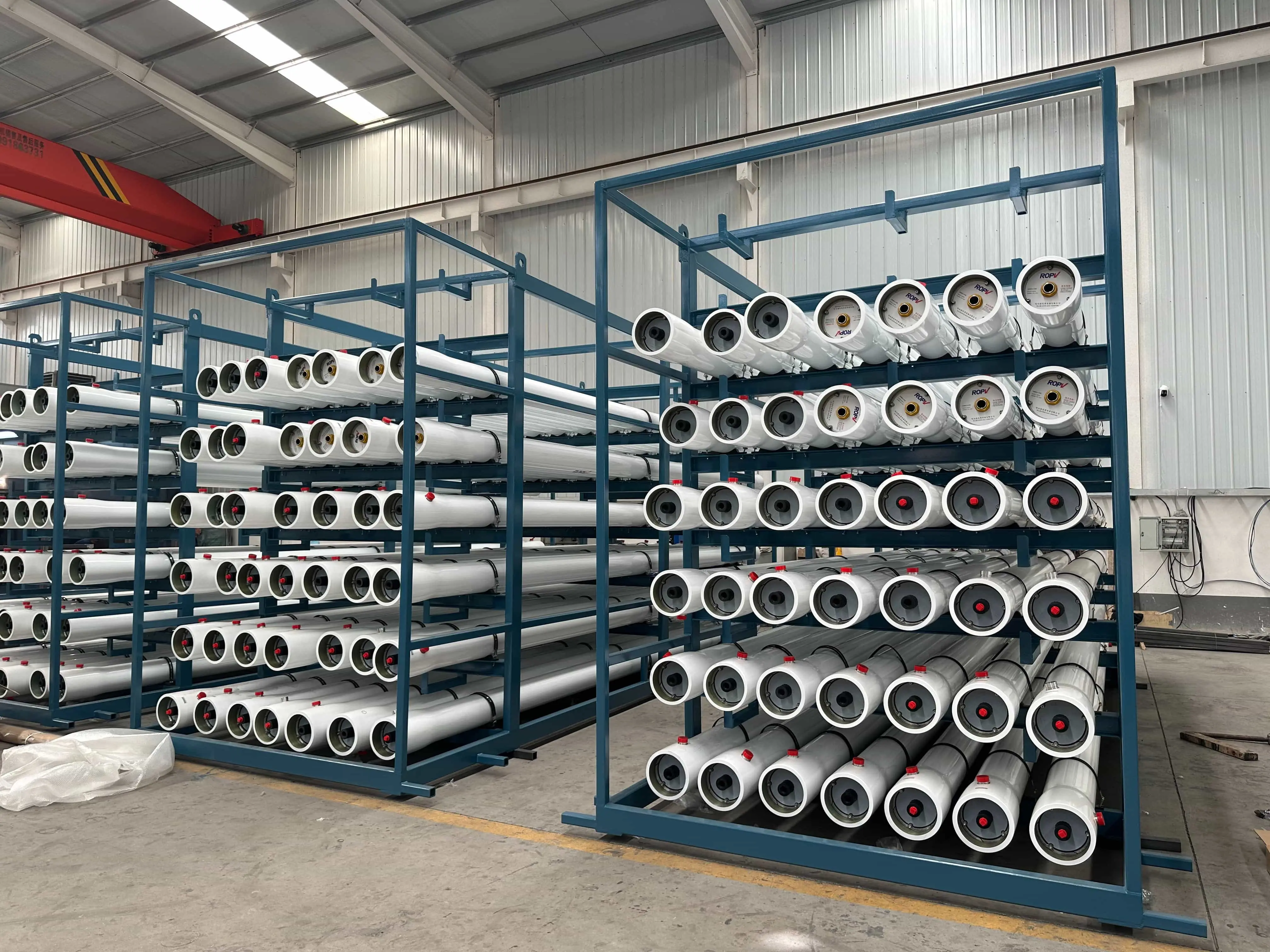
It is a material separation process that uses pressure as a driving force and utilizes the selectivity of reverse osmosis membranes that can only pass water but not solutes to extract pure water from water bodies containing various inorganic substances, organic substances, and microorganisms. The pore size of the reverse osmosis membrane is less than 10 angstroms (1 angstrom is equal to 10-10 meters), and it has a very strong screening effect. Its desalination rate is as high as 99%, and the sterilization rate is greater than 99.5%. It can remove impurities such as inorganic salts, sugars, amino acids, bacteria, and viruses in water. If the raw water quality and the produced water quality are used as the benchmark, after proper design, RO is the most economical and effective method to purify tap water, and it is also the best pre-treatment method for ultrapure water system.
VI. Ultrafiltration (UF) pure water treatment process
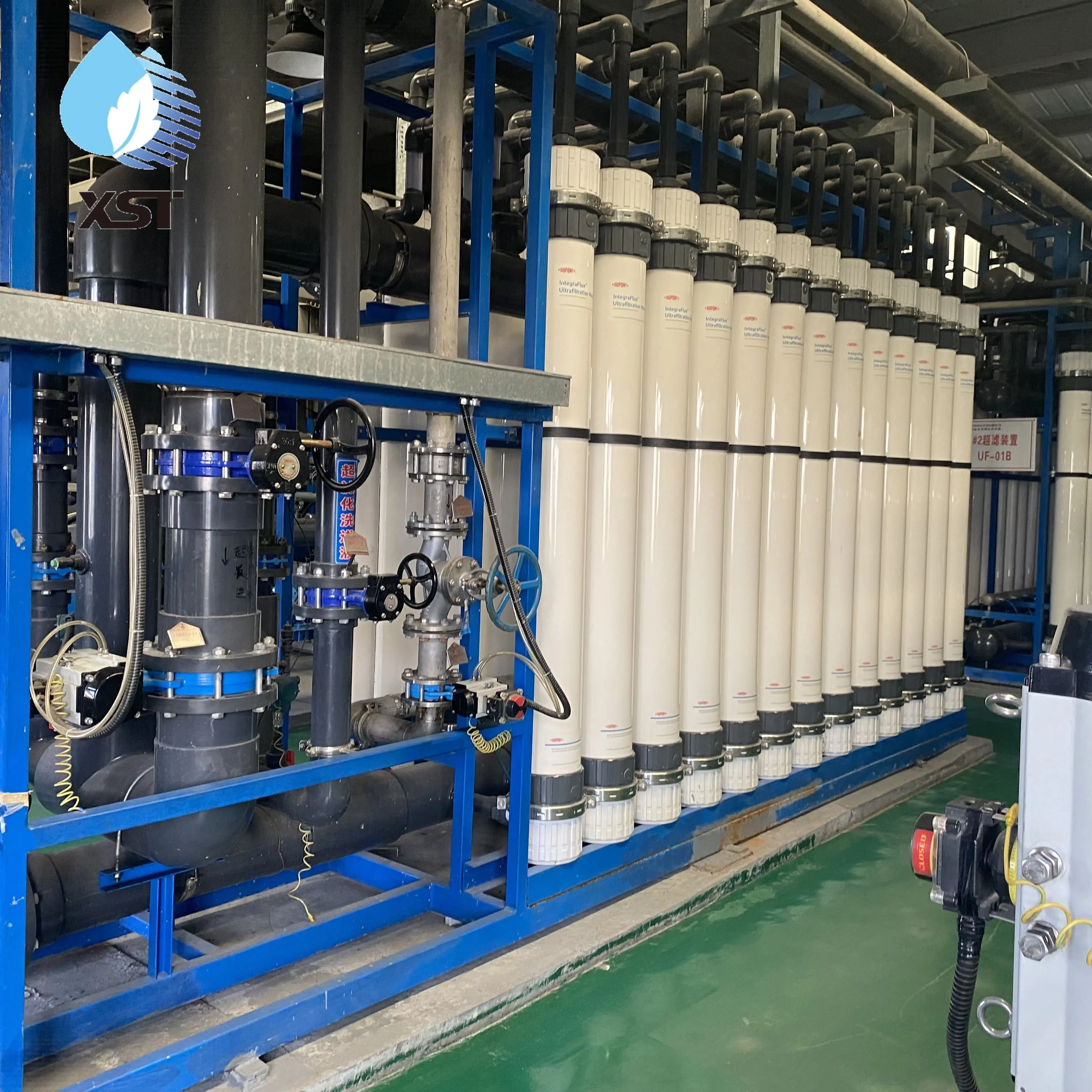
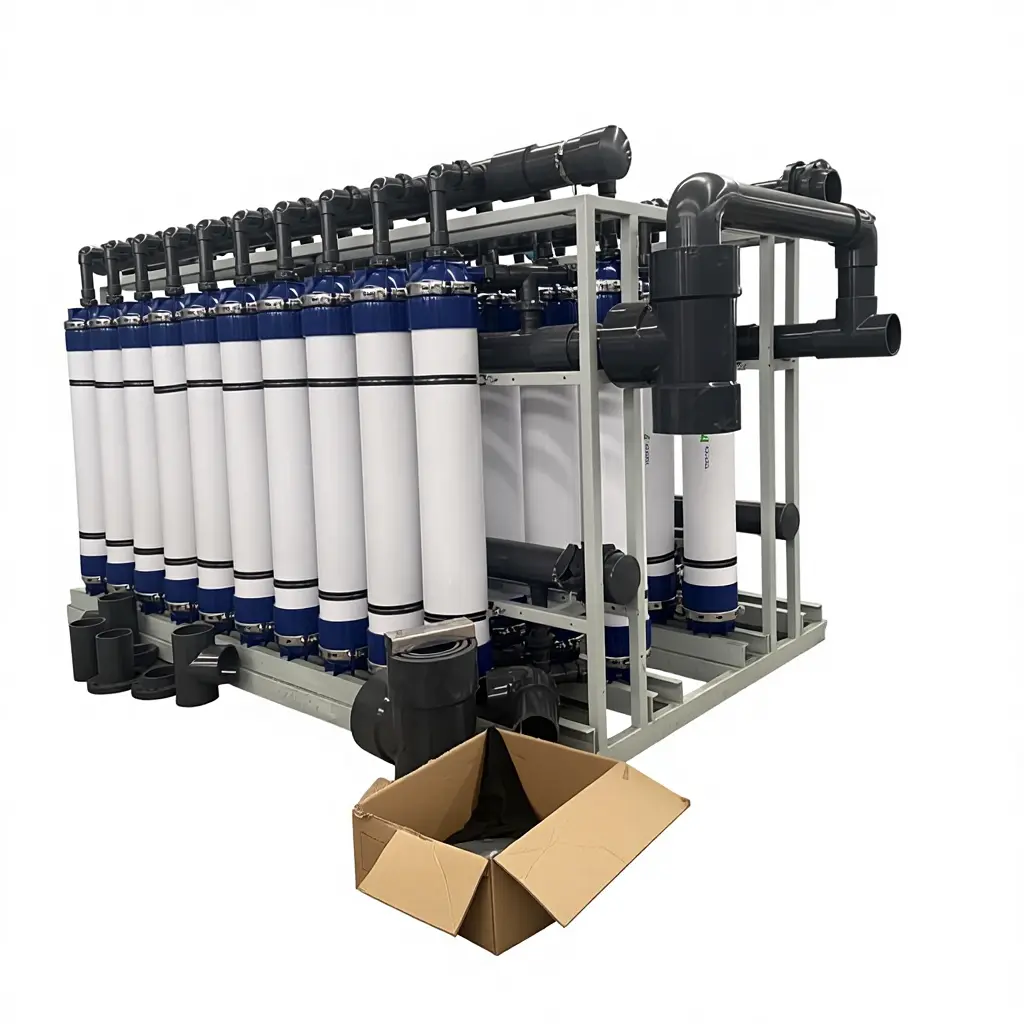
The microporous membrane removes particles according to the size of its filtration pore size, while the ultrafiltration (UF) membrane is like a molecular sieve. It uses the size as the benchmark to allow the solution to pass through extremely fine pores to achieve the purpose of separating molecules of different sizes in the solution.
Ultrafiltration Membrane is a strong, thin, selective permeable membrane. It is generally believed that its filtration pore size is about 0.01μm, which can intercept molecules above a certain size, including: colloids, microorganisms and heat sources. Smaller molecules, such as: water and ions, can pass through the filter membrane.
VII. Ultraviolet and ozone sterilization treatment process
The ultraviolet rays of 254nm/185nm emitted by ultraviolet lamps can effectively kill bacteria and degrade organic matter.
VIII. EDI pure water treatment process
A new deionized water treatment method. Also known as continuous electro-deionization technology, the EDI device forms an EDI unit by placing ion exchange resin between anion/cation exchange membranes. This method does not require the use of acid or alkali to regenerate the resin and is environmentally friendly.