








Reverse Osmosis Antiscalant vs. Circulating Water Antiscalant
1. Circulating water antiscalant is a compound of organophosphonates, multi-component copolymers, and corrosion inhibitors, exhibiting good chemical and thermal stability and resistance to hydrolysis. This product possesses excellent corrosion inhibition, scale inhibition, and scale dissolution properties, enabling safe and normal operation of circulating water under conditions of high hardness, high alkalinity, high pH, and high concentration ratios.
The operating environment of circulating water systems requires long-lasting performance and antibacterial properties. Large amounts of polymer dispersants can be used to disperse suspended solids and enhance scale inhibition. Circulating water systems are large in volume and operate outdoors, so the purity requirements for the reagents are not high.
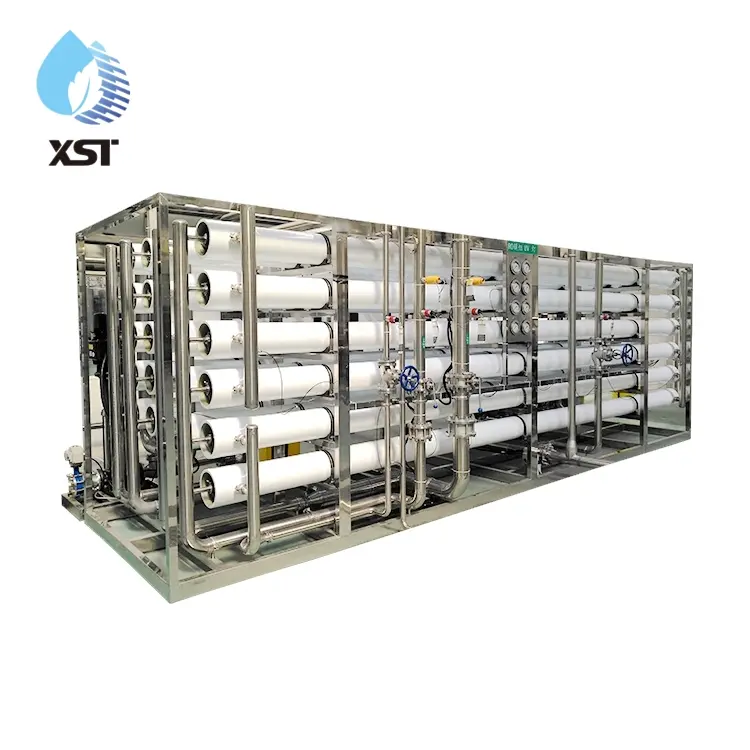
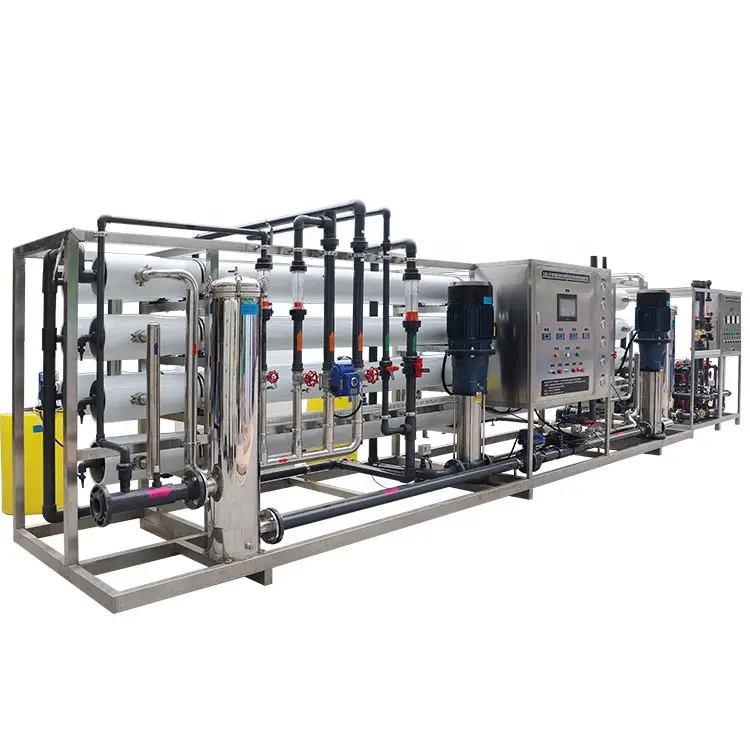
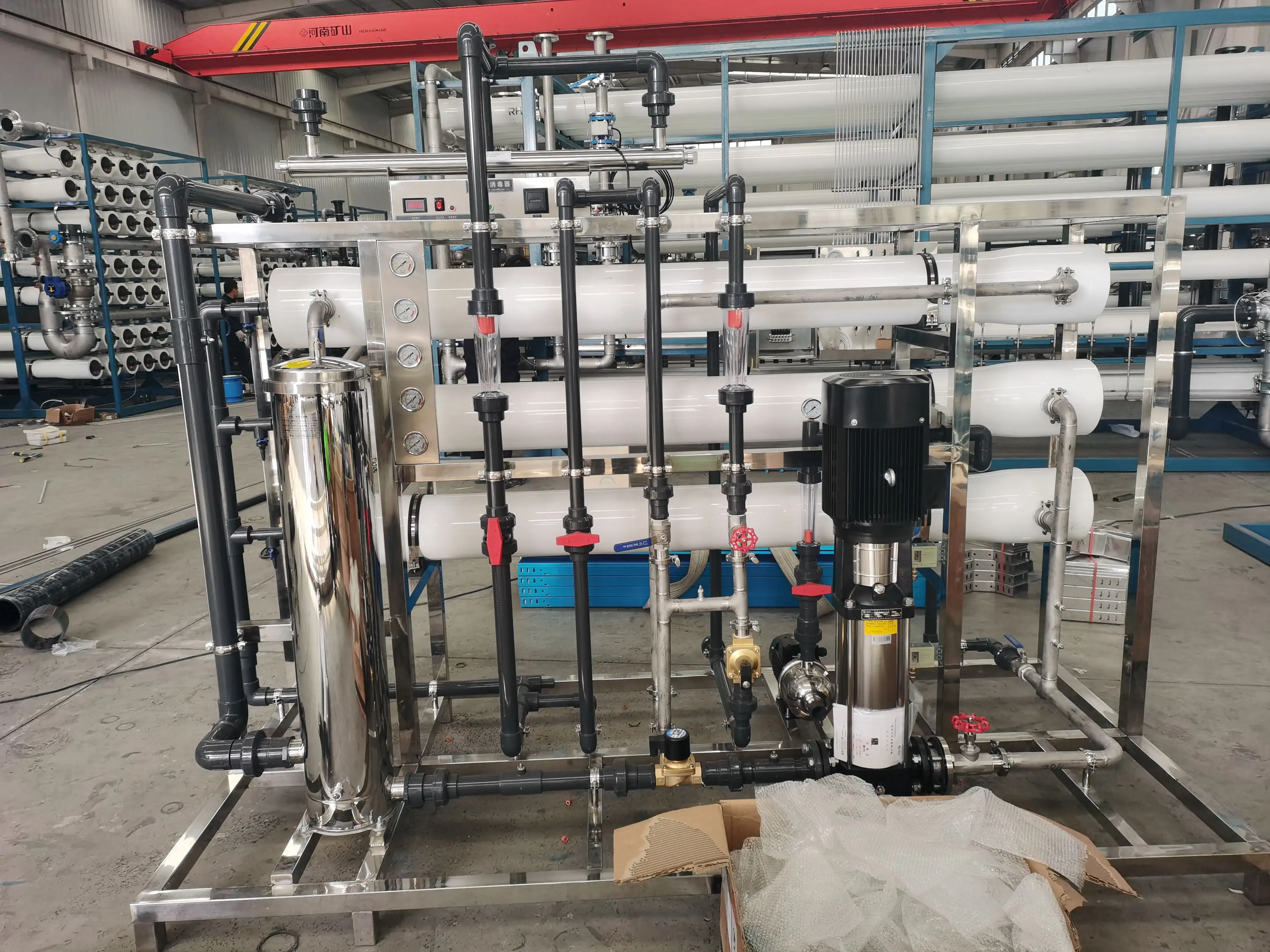
2. Reverse Osmosis antiscalant is specifically designed for reverse osmosis (RO) systems. It prevents scaling on the membrane surface, improves permeate flow and quality, and reduces operating costs.
Reverse osmosis antiscalants require rapid action due to their short action time, necessitating quick and efficient interaction with scale-forming ions. Furthermore, the narrow channels within the membrane mean that using polymer dispersants can cause even greater problems. Additionally, the antiscalant process involves concentration on the membrane surface, and high impurity levels can negatively impact the system's stable operation.