







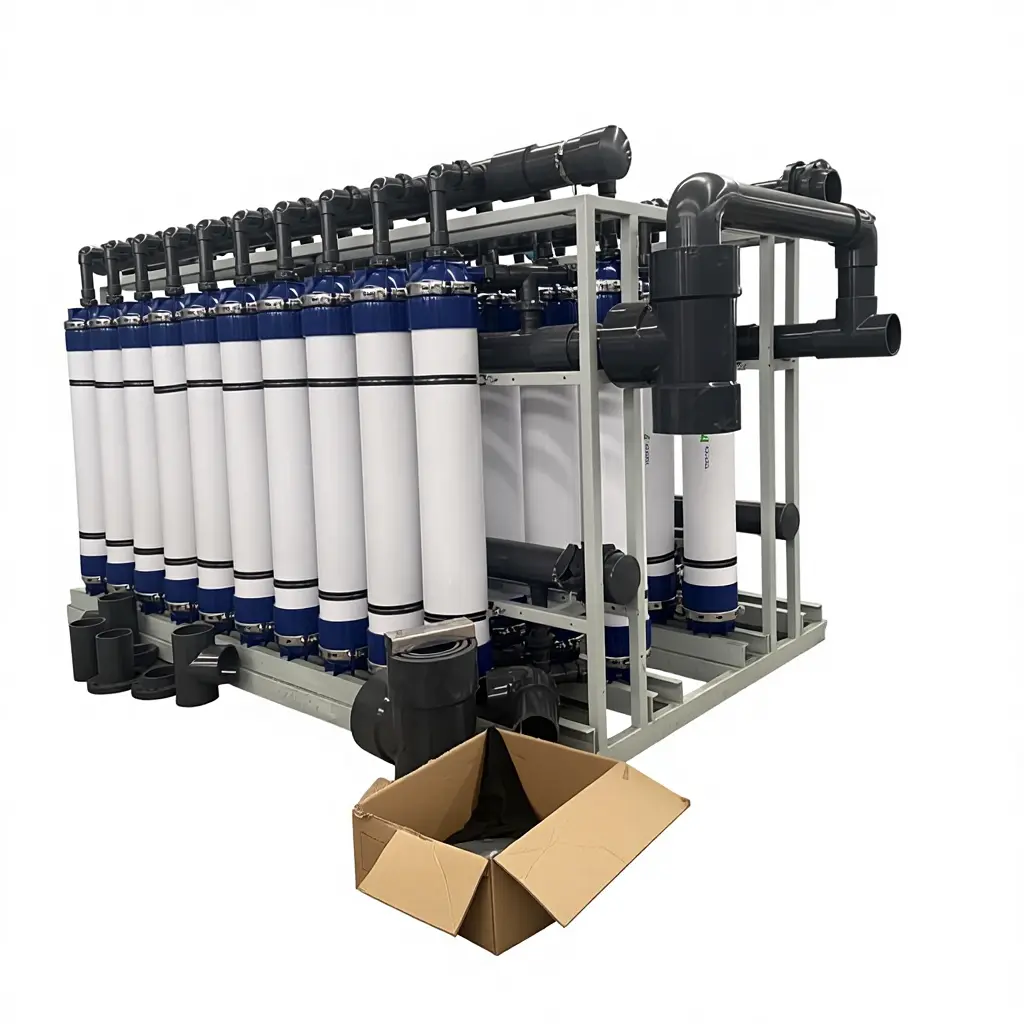
How to Treat Wastewater? Let's Learn More
Why is WasteWater Treatment Necessary?
Water resources are an indispensable part of people's daily lives and production. As the world's largest water consumer, my country's total freshwater resources account for only 6% of global water resources, and its per capita freshwater availability is only 25% of the world average, indicating a scarcity of freshwater resources. Under these circumstances, strengthening water resource protection and improving water resource utilization efficiency through wasteWater Purification and reuse has become an extremely necessary task.
Sources of Wastewater
Industrial Wastewater: Wastewater from manufacturing, mining, and industrial production activities, including production wastewater, industrial sewage, and cooling water. It refers to wastewater and waste liquid generated during industrial production processes, containing industrial raw materials, intermediate products, by-products, and pollutants lost with the water.
Commercial Wastewater: Non-toxic and harmless wastewater from commercial facilities, with some components exceeding those of domestic sewage. Examples include restaurant wastewater, laundry wastewater, and animal husbandry wastewater.
Domestic sewage refers to wastewater from residences, office buildings, government offices, or similar sources; sanitary sewage; and sewer sewage, including industrial wastewater mixed with domestic sewage in the sewer system.
Hazards of Sewage
1. Poisoning: Pollution of water bodies with toxic or harmful chemicals can cause poisoning through Drinking Water or the food chain. The well-known Minamata disease and Itai-itai disease were caused by water pollution.
2. Carcinogenic Effects: Certain carcinogenic chemicals, such as arsenic, chromium, nickel, beryllium, and other polycyclic aromatic hydrocarbons and halogenated hydrocarbons, can be adsorbed by suspended solids and sediment, and can also accumulate in aquatic organisms. Long-term consumption of water containing these substances, or consumption of organisms with accumulated substances (such as fish), may induce cancer.
3. Infectious Diseases: Sewage may cause waterborne infectious diseases. Biological pollutants such as human and animal excrement can contaminate water bodies, potentially causing bacterial intestinal infectious diseases such as typhoid fever, dysentery, enteritis, and cholera. Common intestinal viruses, such as polioviruses, Coxsackieviruses, and infectious hepatitis viruses, can also cause corresponding infectious diseases through water pollution.
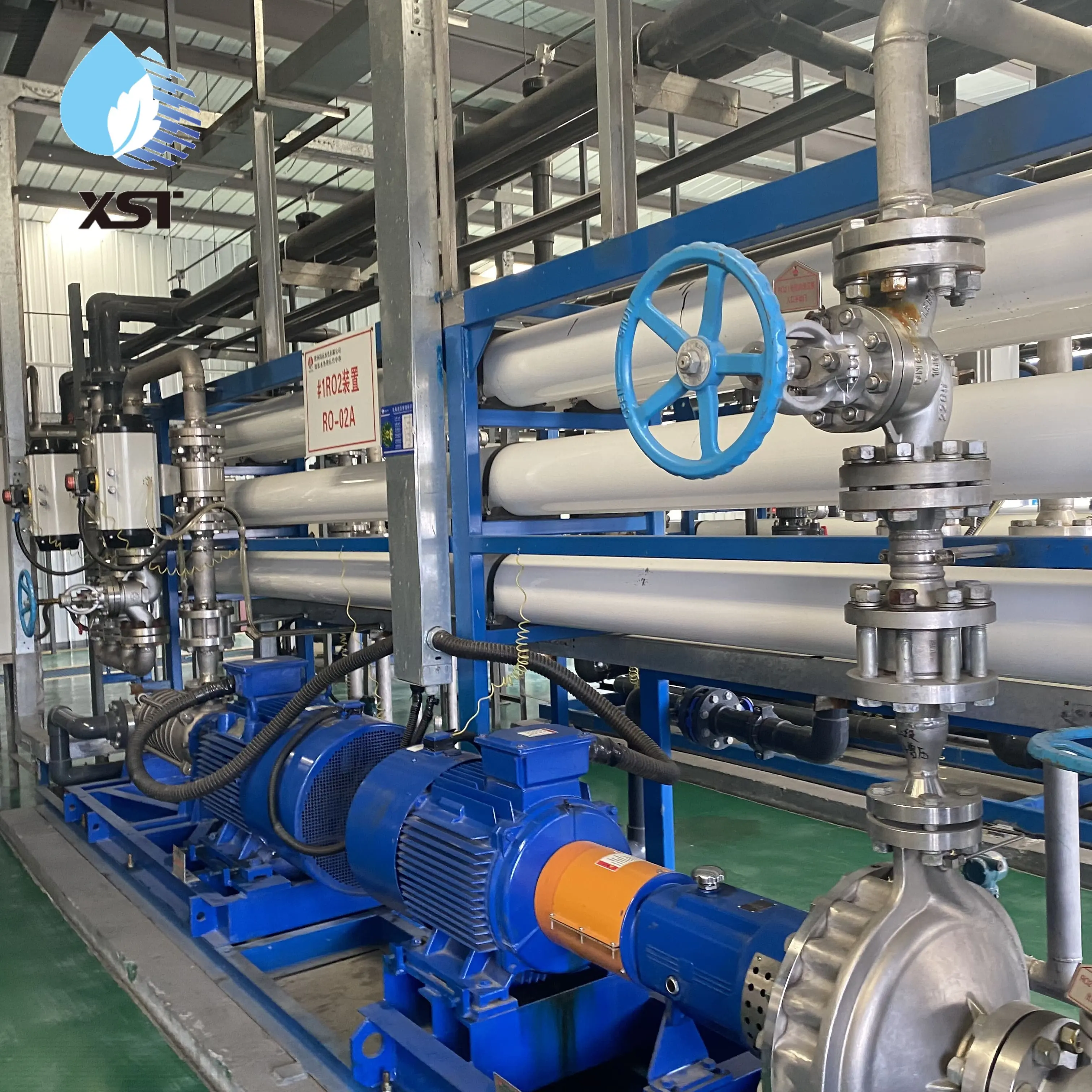
Wastewater Treatment Technologies
1. Physical Wastewater Treatment Technology
Physical wastewater treatment technology is a common and highly practical wastewater treatment technology in current urban environmental engineering.
Physical wastewater treatment technology is targeted in its application, primarily removing impurities in wastewater that can be removed by filtration, separation, or sedimentation. For example, physical sedimentation can remove solid particles such as dust from wastewater; common filtration methods can remove oil stains from water.
2. Biological Wastewater Treatment Technology
Biological wastewater treatment technology is a relatively efficient wastewater treatment technology that falls between physical and chemical-physical treatment technologies. It does not require the addition of additional chemical agents and is currently a widely used wastewater treatment technology.
Biological wastewater treatment technology allows for adjustments to treatment methods based on different wastewater treatment needs, thereby improving the efficiency of impurity removal. For example, activated sludge technology is currently the most common treatment method in urban wastewater treatment. This method can be further refined into various different treatment processes in practice.
3. Chemical Wastewater Treatment Technology Chemical wastewater treatment technology generally refers to the removal of various pollutants from wastewater through chemical reactions.
Chemical wastewater treatment technology typically complements biological and physical wastewater treatment technologies, and can remove impurities that biological and physical treatment technologies cannot remove. Chemical wastewater treatment technology can achieve relatively good treatment results. For example, when colloidal substances are present in urban wastewater, they can be removed through coagulation and sedimentation; for acidic and alkaline wastewater, chemical agents can be used to balance the acid and alkalinity, thus achieving a relatively good treatment effect.