







How to protect the reverse osmosis device when it is shut down?
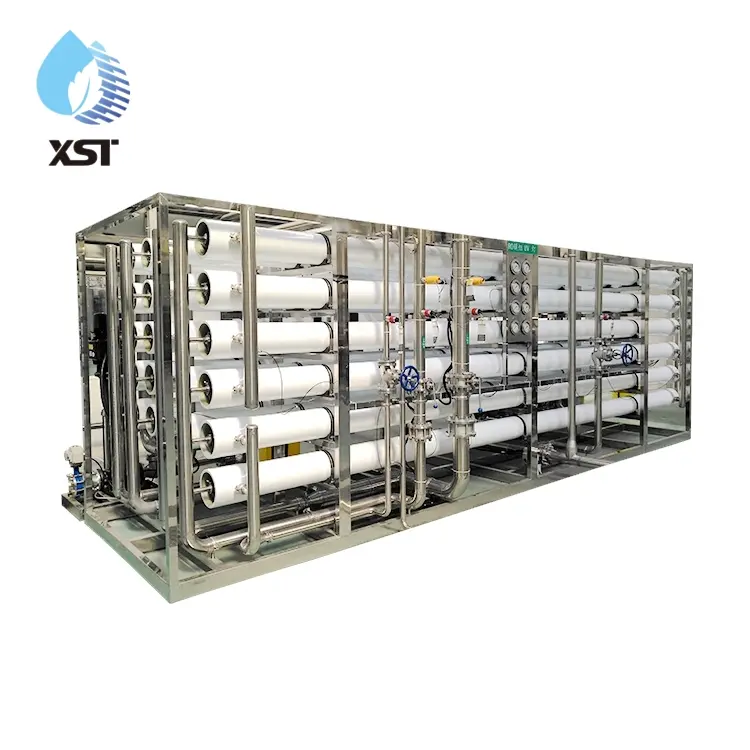
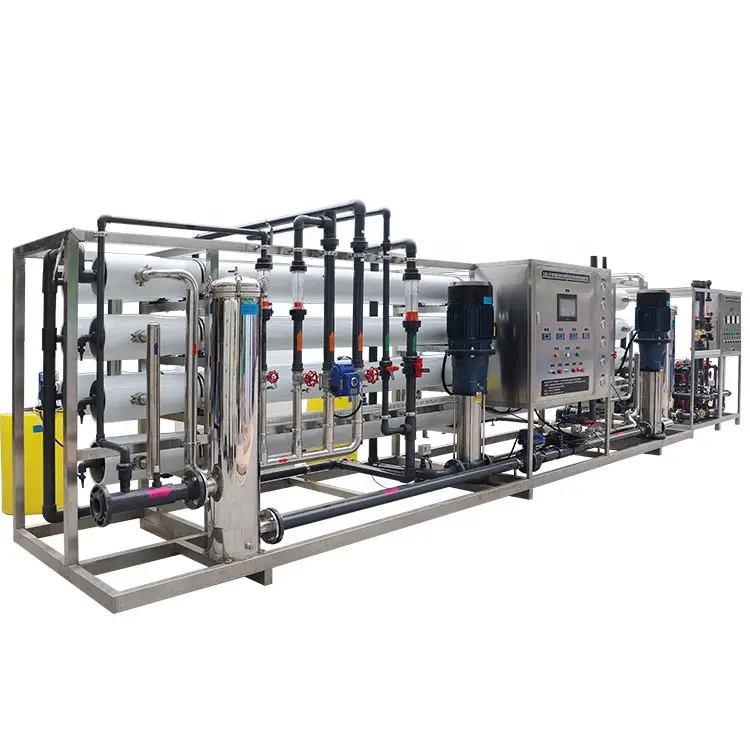
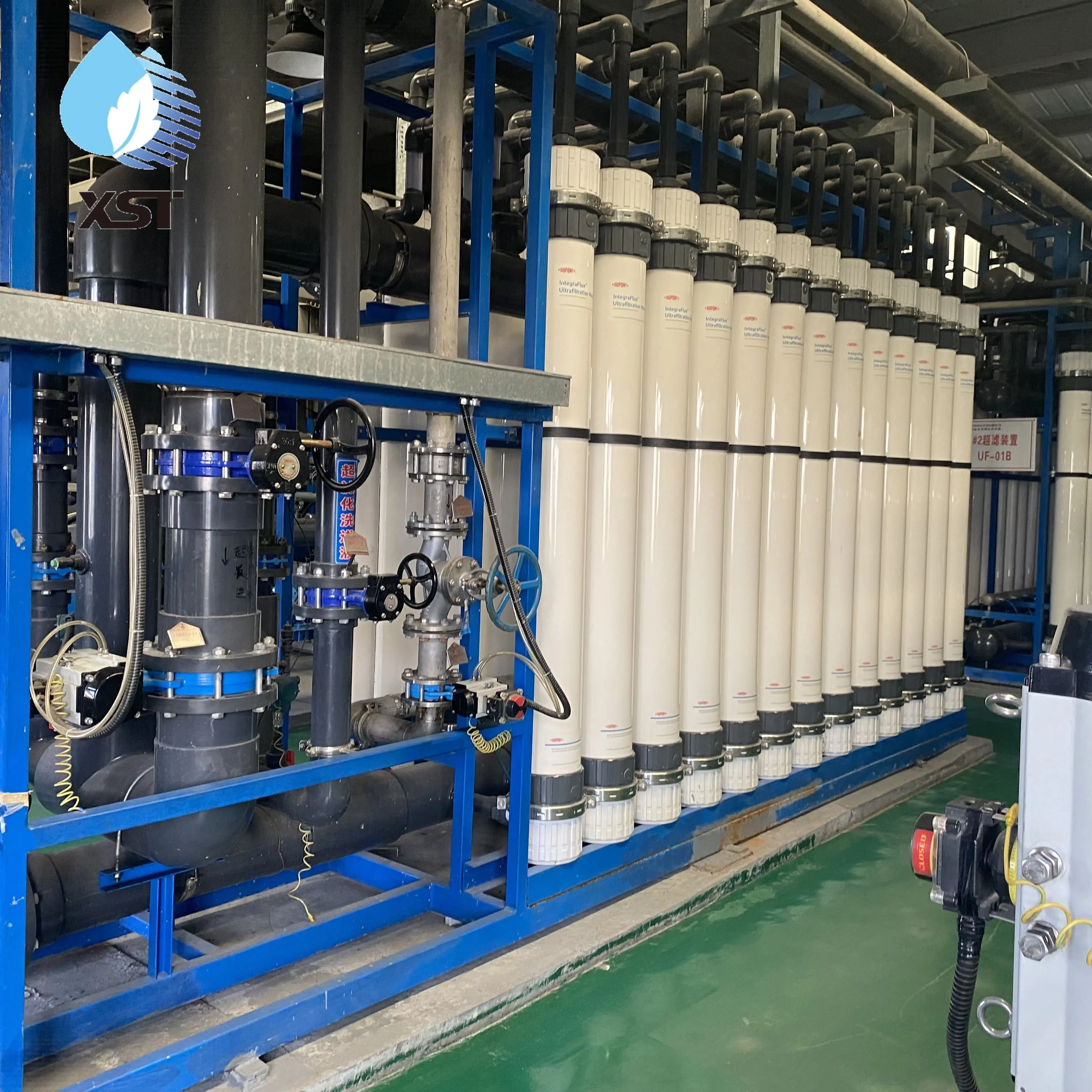
The purpose of the Reverse Osmosis device shutdown protection is: ① to avoid the growth and contamination of organisms; ② to prevent the formation of metastable salts and scaling in the presence of scale inhibitors when the membrane is shut down, resulting in performance degradation.
I. Short-term shutdown protection
If the shutdown time of the reverse Osmosis System does not exceed 3 days, the flushing method can be used as a protection measure. The reference steps are:
(1) Stop the operation of the reverse osmosis system and open the concentrated water flushing discharge valve.
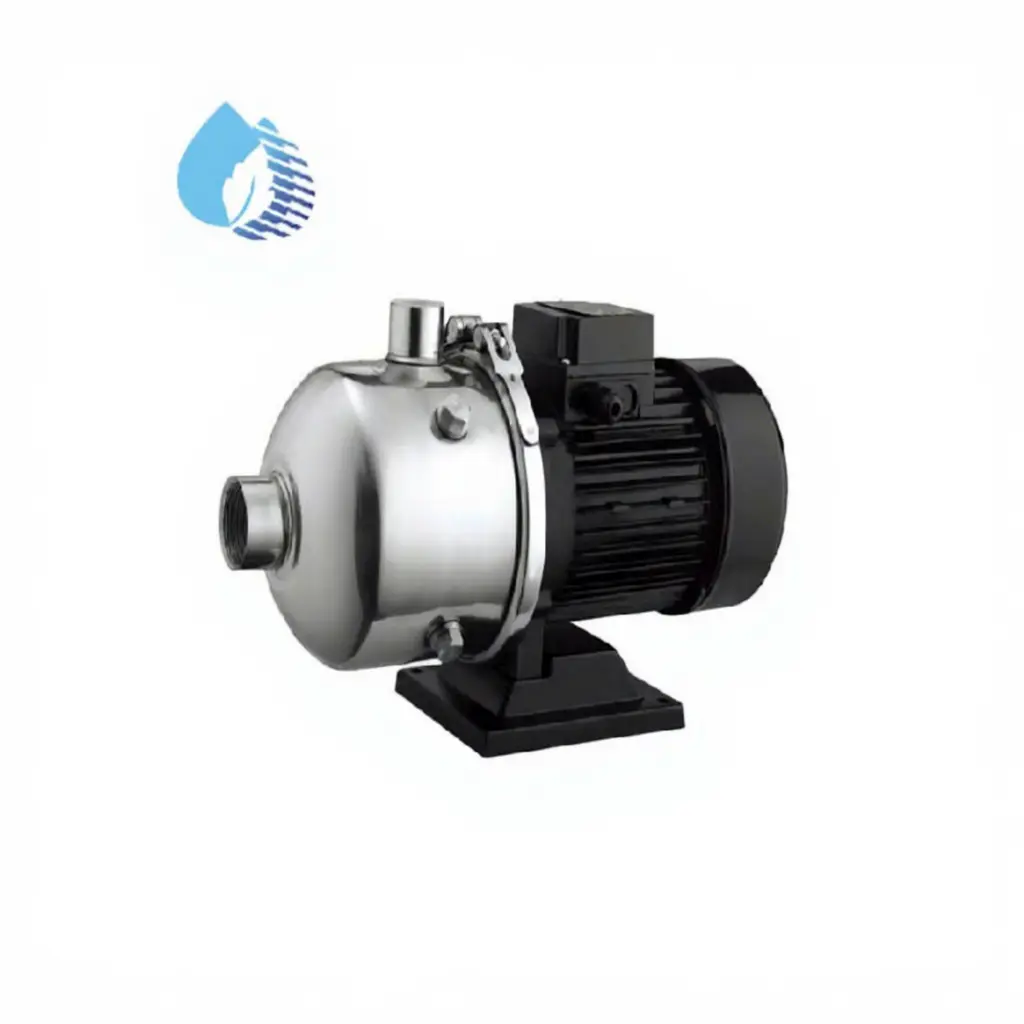
(2) Open the flushing water inlet valve and start the flushing water pump. Generally, the low-pressure flushing is 3 bar (40 psi) and the flushing flow rate is adjusted to the rated amount. For an 8-in element with 1 membrane, the pressure difference should not exceed 1 bar (15 psi); for an 8-in element with 6 membranes, the pressure difference should not exceed 60 psi. The flushing flow rate of a container is about 9 m/h, and the flushing time is about 20 minutes.
(3) At the end of the flushing, close the flushing water inlet and drain gates when the system is full of flushing water, and turn off the flushing water pump.
(4) When flushing with low-pressure water, the SDI of the flushing water must be guaranteed to be qualified, and the scale inhibitor should be stopped during flushing.
(5) When the water temperature is higher than 20℃, repeat the above operation 3 times a day. When the temperature is low, flush once a day.
(6) When the system is exposed to sunlight and the water temperature exceeds 45℃, flush the system continuously with flushing water, or start running for 1~2 hours every 8 hours.
II. Long-term shutdown protection
When the reverse osmosis system is shut down for a long time, it is generally more than 3 days (the water temperature should not exceed 45℃, and the system should not be directly exposed to sunlight). Protect it according to the following methods:
(1) Stop the operation of the reverse osmosis system.
(2) If there is no scale in the membrane device, do not use acid cleaning solution, only use alkaline cleaning solution with pH=11, circulate cleaning for 2 hours, and if there is microbial contamination, sterilize after cleaning.
Image
(3) Sterilization: Use a non-oxidizing disinfectant or 1% (by mass) sodium bisulfite (food grade) to flush the system (0.5% is sufficient if there is no microbial contamination). Continue flushing until the discharge water contains 0.5% sodium bisulfite. The flushing should be carried out at the recommended flow rate for about 30 minutes. To ensure that there is minimal air in the system, a small amount of liquid should overflow from the top of the highest pressure container filled with flushing liquid.
(4) When the system is filled with the above solution, all inlet and outlet valves should be tightly closed.
(5) When using sodium bisulfite, the pH value of the protective solution should be tested once a week. Since NaHSO3, the oxidation reaction is acid, when the pH value is less than 3 or the concentration is low, or when the protection exceeds one month, the protective solution needs to be replaced.
(6) For antifreeze protection (below -4°C), a protective solution of 1% NaHSO3 and 20% glycerol should be used. At this time, when water freezes, it is only a soft substance and will not damage the membrane.
(7) Check the growth of microorganisms every three months. When the protective solution is not clear, it should be replaced and preferably cleaned with alkaline cleaning solution before re-operation.
III. Matters needing attention when implementing liquid protection
(1) The water used to prepare the solution must not contain trace amounts of chlorine or similar oxidants. Permeate water or treated feed water can be used.
(2) Reverse osmosis devices equipped with a cleaning system can use the cleaning system to flush and prepare protective liquid.
(3) When the system is restarted, the product water must be discharged for at least 1 hour to fully flush out the trace amount of protective liquid in the product water.
(4) Temporary flux loss may occur during restart, which generally does not last more than two days.
(5) Formaldehyde is a more effective bactericide than NaHSO3 and will not be decomposed by oxidation, but formaldehyde may cause cancer in humans, so use it with caution. At present, it is generally recommended to use formaldehyde-free compounds as protective liquid (formaldehyde liquid protection can be used in special circumstances). Manufacturers stipulate that formaldehyde solution can only be used for sterilization after the membrane has been used for 6 hours, and some manufacturers stipulate that it has been used for more than 24 hours. Otherwise, the membrane will be damaged and the water flux will be affected.