








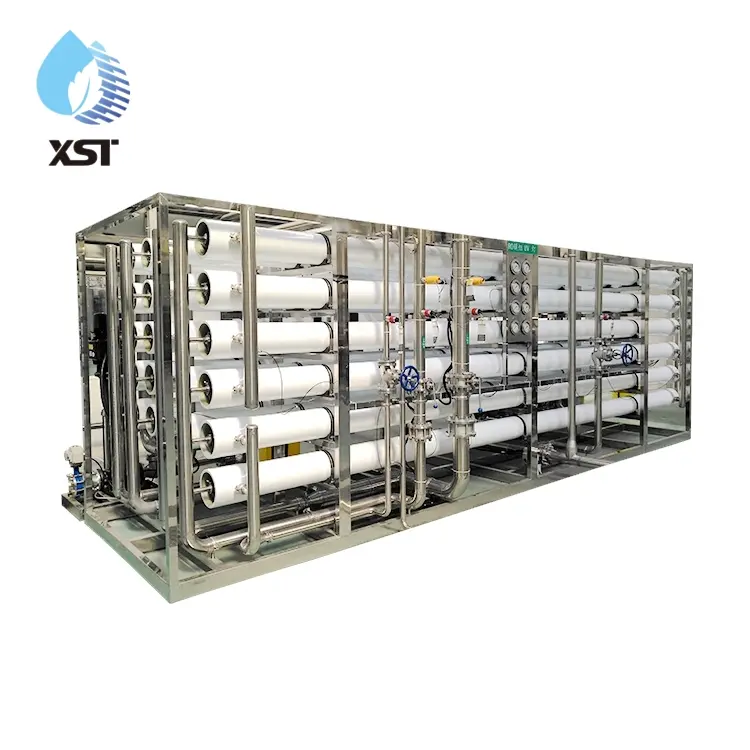
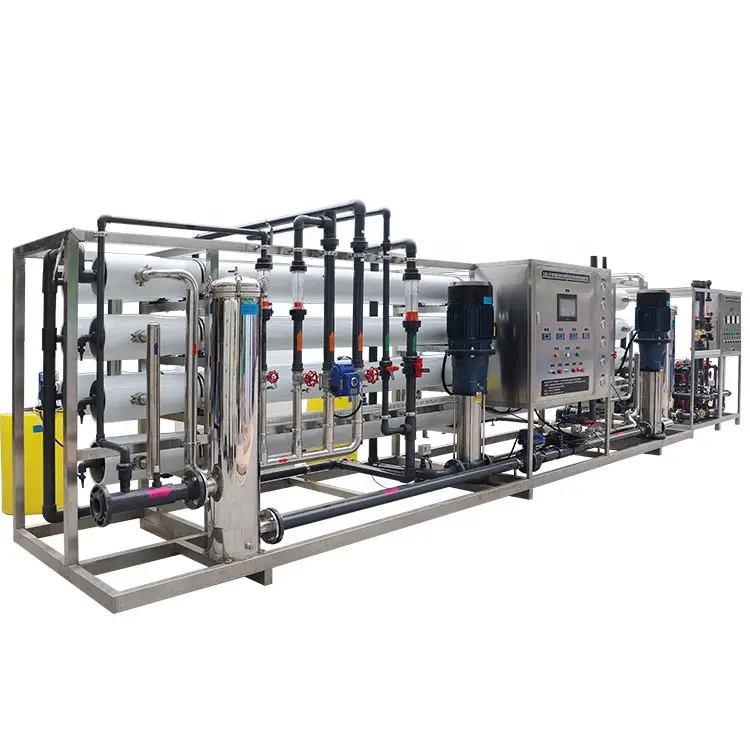
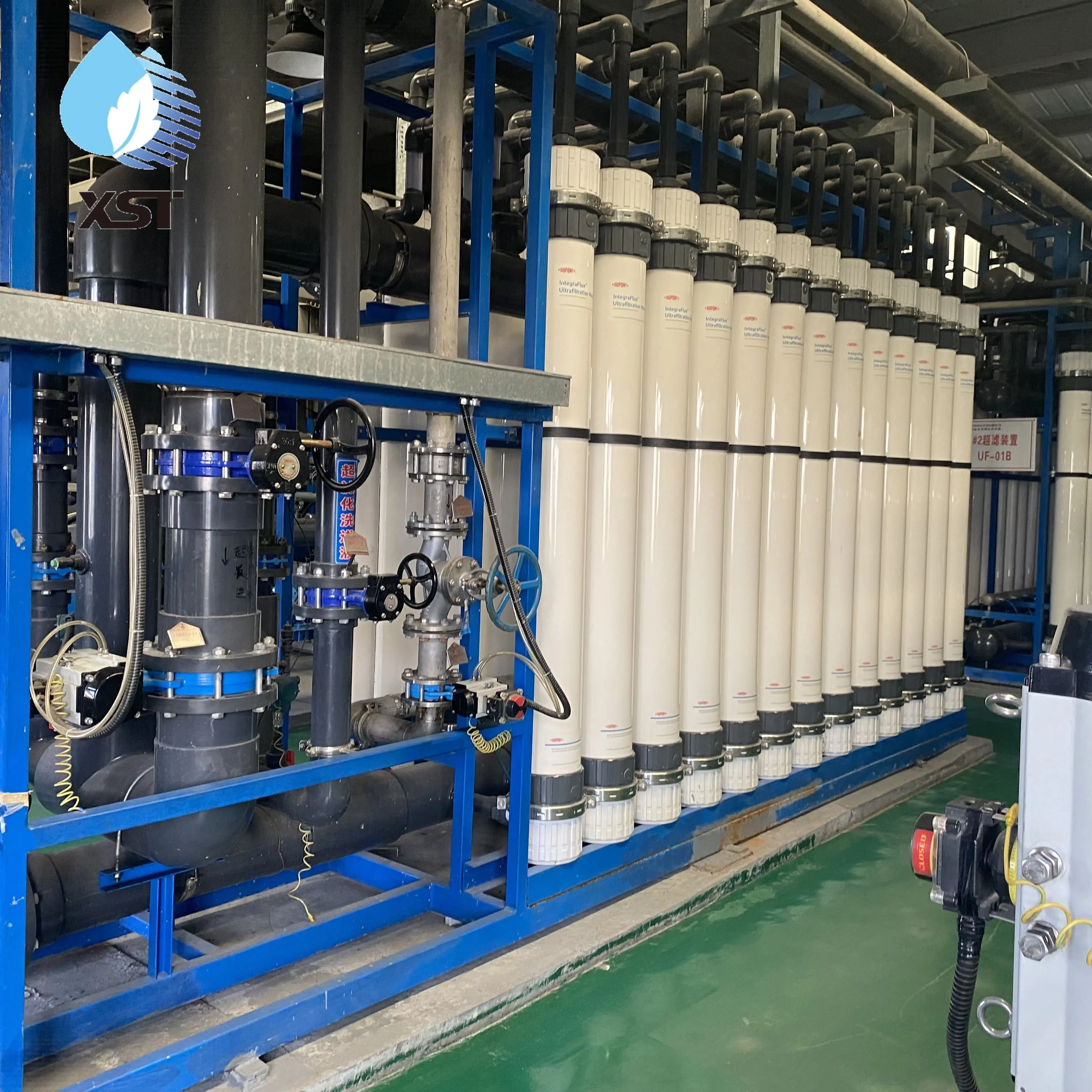
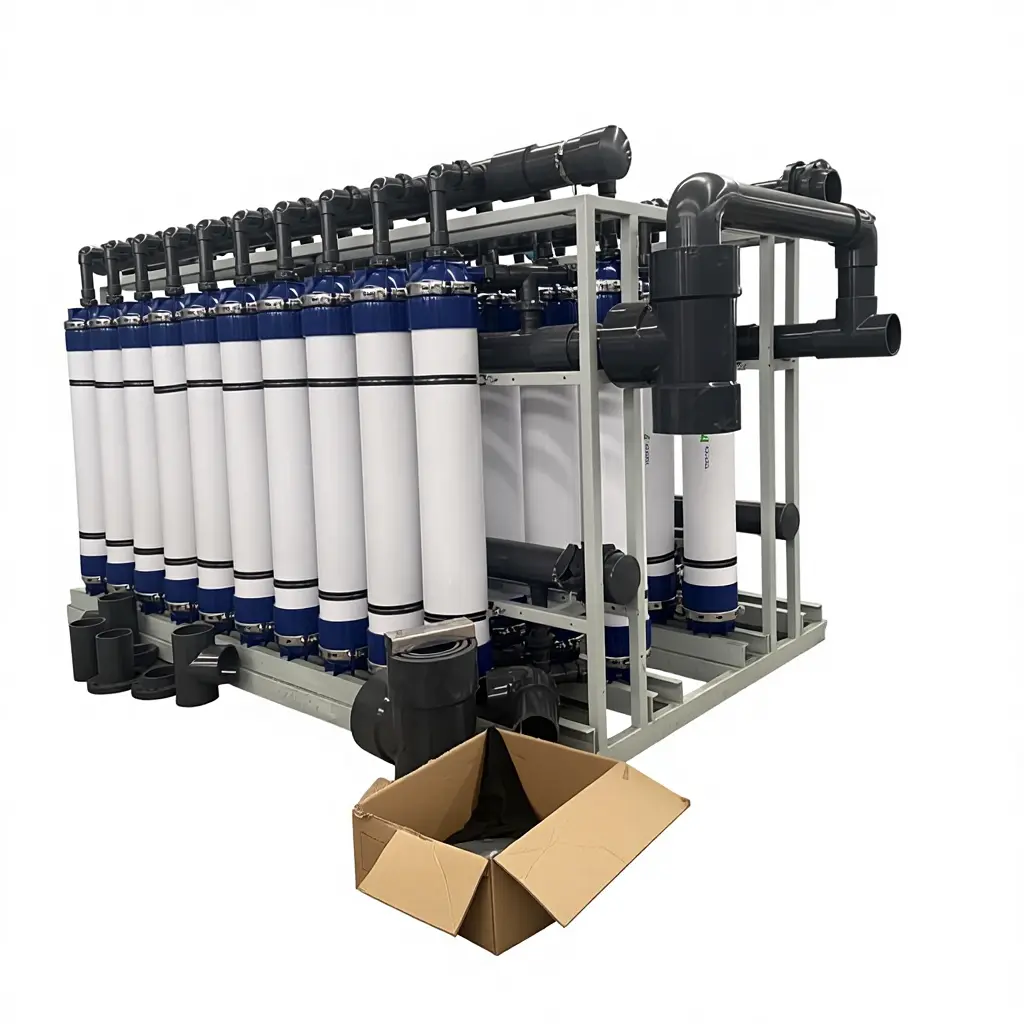
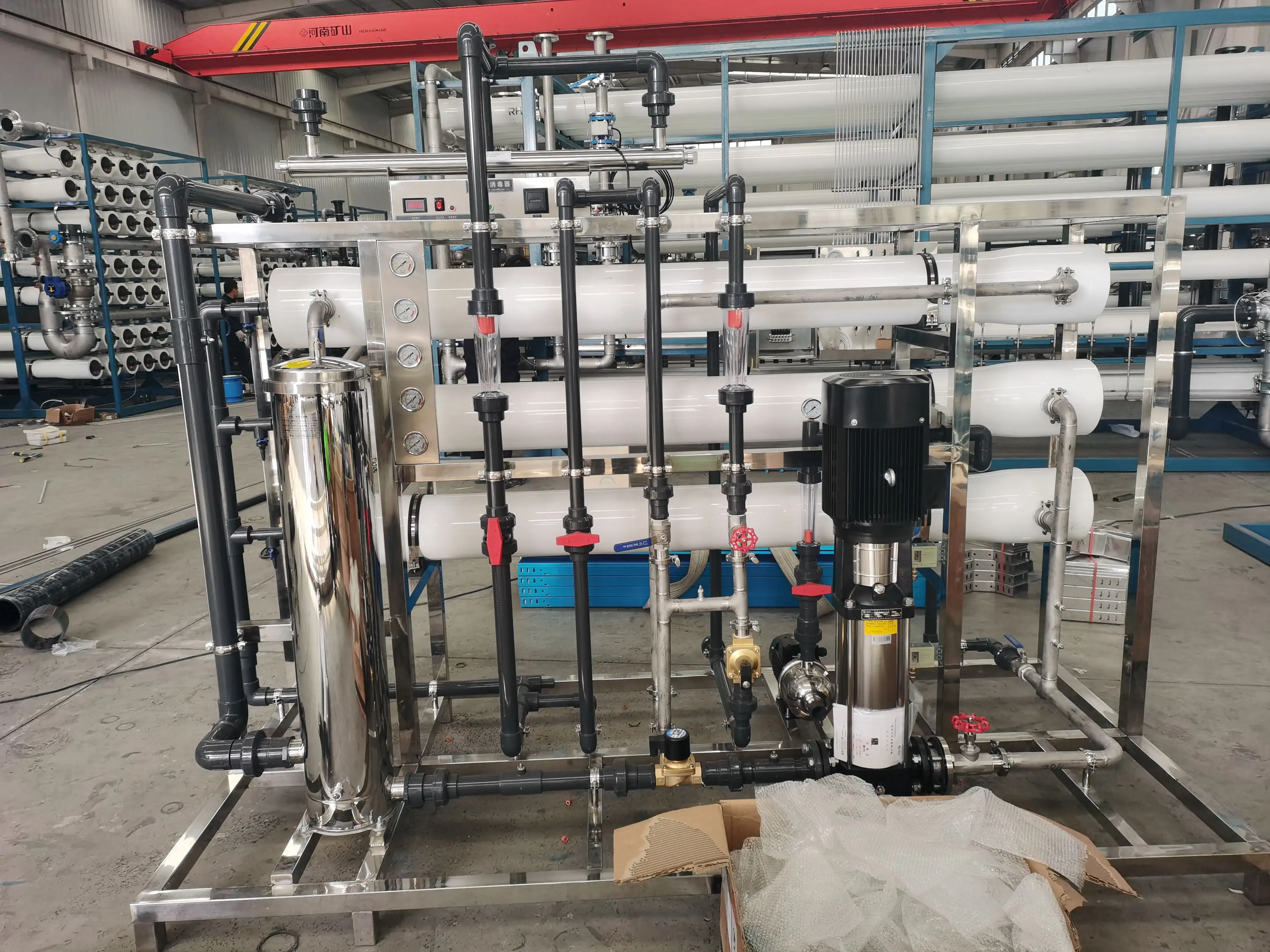
Dynamic correlation between reverse osmosis pollution type and pressure difference
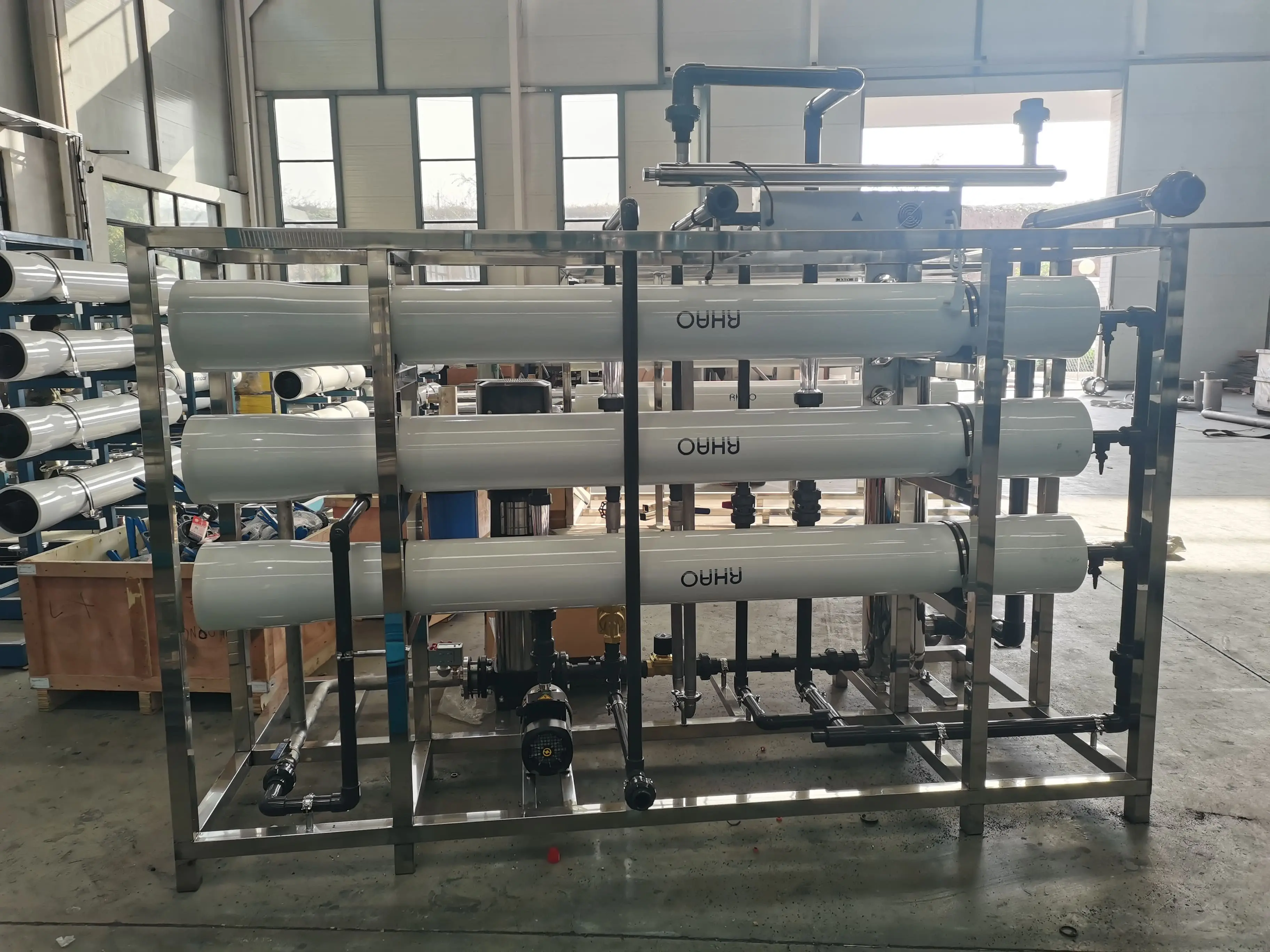
During the operation of the Reverse Osmosis system, the fouling caused by different pollutants is significantly correlated with the change in pressure difference. Taking suspended solids, colloids and microbial pollution as an example, such substances usually gather at the head end of a membrane, causing local blockage of the flow channel.
For this type of pollution, chemical cleaning requires a composite solution of 0.1% sodium hydroxide and 0.025% sodium dodecyl sulfate, with a pH value controlled at 11-12 and a temperature below 30°C. Experiments show that this solution can achieve a colloid removal rate of more than 92%.
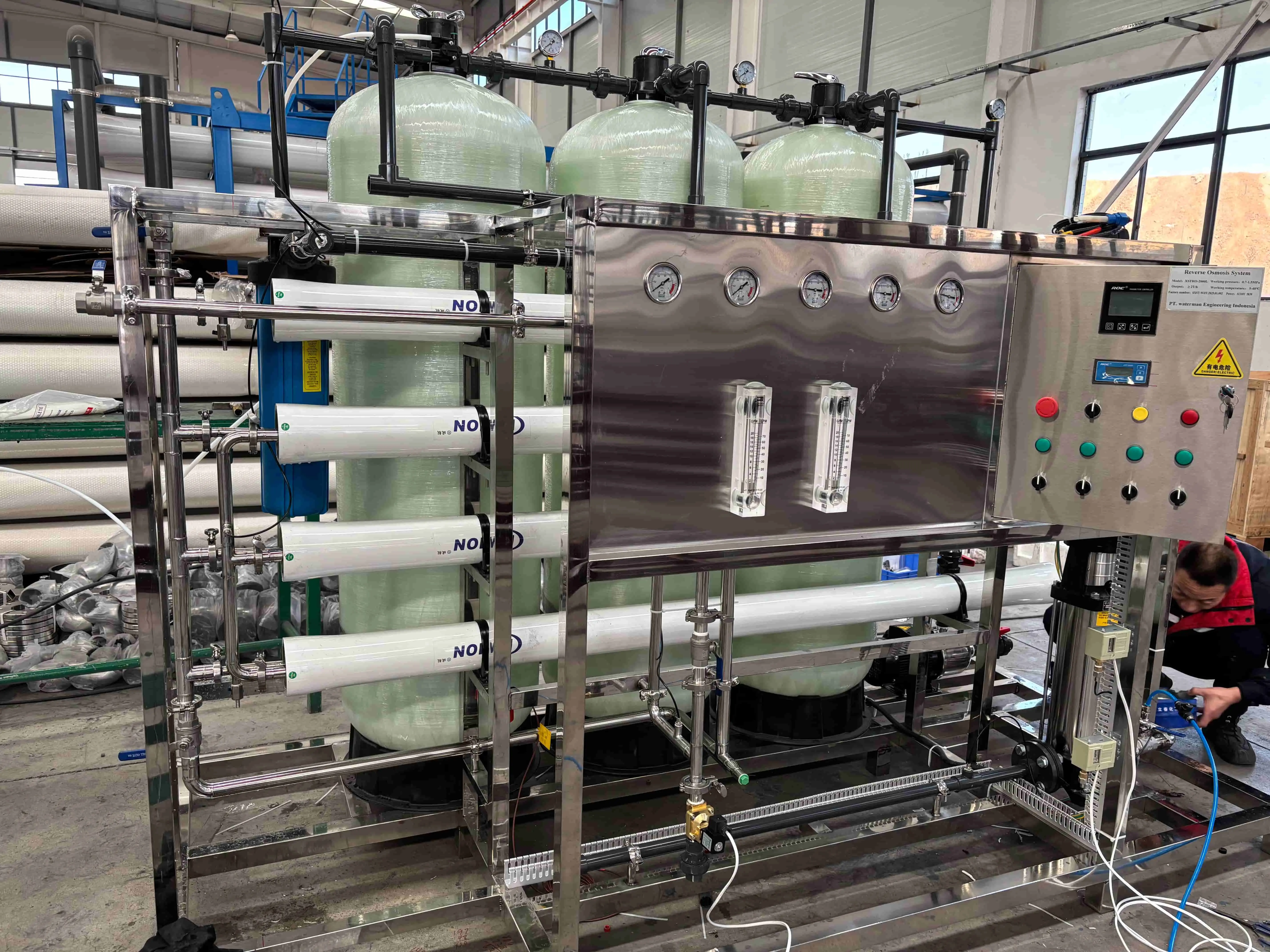
For the scaling problem of calcium carbonate and calcium sulfate, fouling usually starts at the end of the second stage. At this time, 0.2% hydrochloric acid solution is required for cleaning, with a pH value strictly controlled at 2-3 and a temperature not exceeding 35°C.
Silica and silicate pollution are relatively special, and have little effect on the pressure difference in the early stage. It is recommended to use a mixed solution of 0.1% sodium hydroxide and 0.025% Na4EDTA for cleaning of this type of pollution, with a pH maintained at 11-12, and a silica scale stripping efficiency of 85%.