







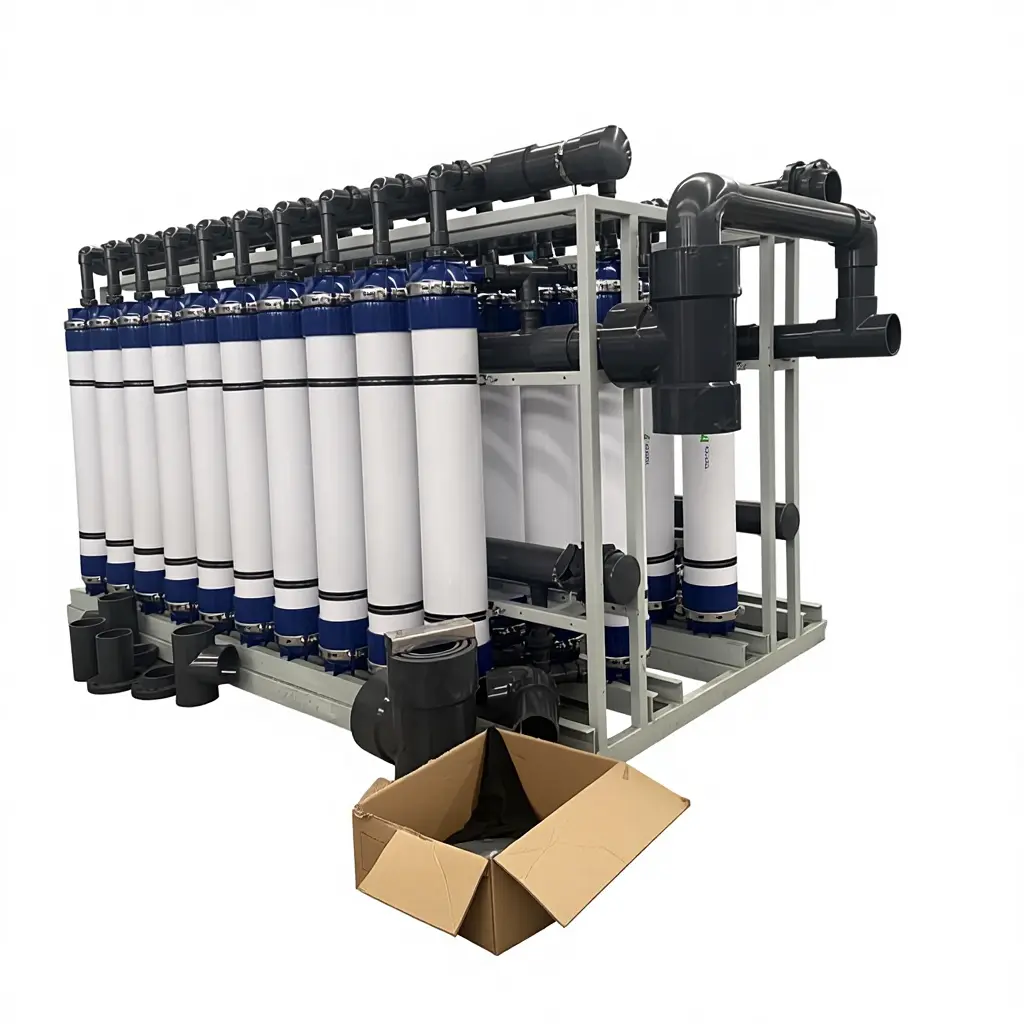
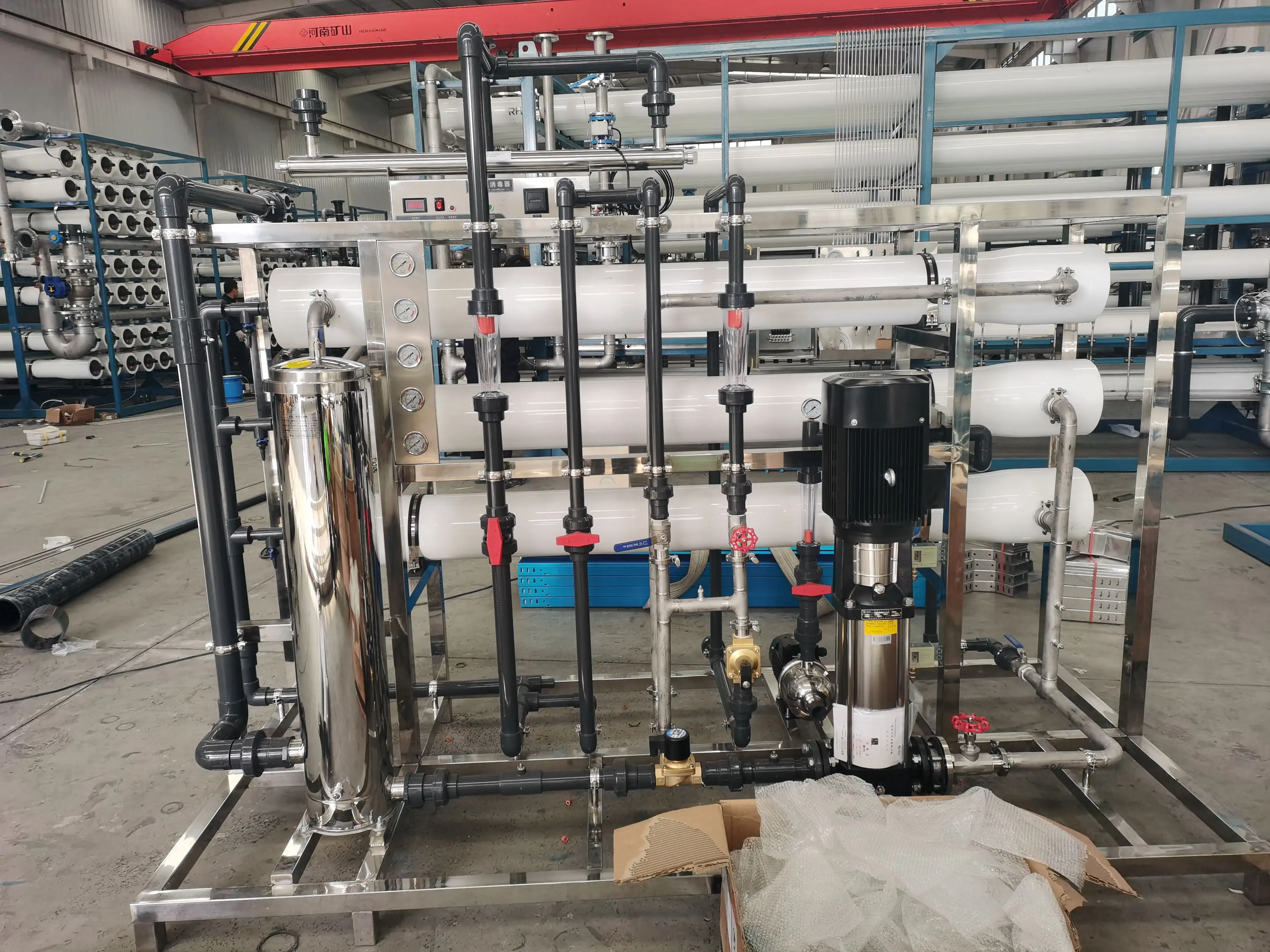
Factors Affecting the Fouling Rate of Surface Water Reverse Osmosis Treatment Equipment
I. Membrane Material Type (Cellulose Acetate or Polyamide)
Common Reverse Osmosis Membranes on the market are categorized by material: CAB (Cellulose Acetate) membrane elements or CPA (Aromatic Polyamide) membrane elements. CAB membranes are often chosen over CPA membranes for difficult-to-treat surface water or wastewater systems. The advantages of CAB membranes are their smooth, uncharged surface, which reduces contaminant deposition and resists microbial adhesion. Another advantage of CAB membranes is that they can operate with 0.3-1.0 ppm of free chlorine in the feedwater. Chlorine, acting as a disinfectant, protects the CAB membrane from harmful bacteria and prevents fouling caused by microbial and algal growth. CPA membranes are inherently chlorine-resistant but not resistant to its oxidizing properties. Therefore, dechlorination is required.
II. Water Flux:
Water flux is the amount of water produced per unit effective membrane surface area, expressed in GFD (gallons per square foot per day) or LMH (liters per square meter per hour). The water flux of reverse osmosis equipment is directly proportional to its fouling rate. Lower water flux indicates a lower fouling rate; conversely, higher water flux increases the fouling rate. To reduce water flux, use reverse osmosis membrane elements with larger membrane areas.
If cleaning is required every three months or longer, it indicates that the pretreatment and reverse Osmosis System designs are appropriate. If the equipment requires cleaning only every one to three months, process improvements or additional equipment are necessary.
III. Cross-flow velocity:
Cross-flow velocity is also a key factor influencing the fouling rate of reverse osmosis equipment. The higher the cross-flow velocity of the surface feed water and its resulting reject water on the membrane surface, the lower the fouling rate. This is because high cross-flow velocity reduces the precipitation and accumulation of particulate matter on the membrane surface and accelerates the diffusion of highly concentrated salts from the membrane surface into the bulk solution, reducing the risk of insoluble salt precipitation.
IV. Reverse Osmosis Cleaning:
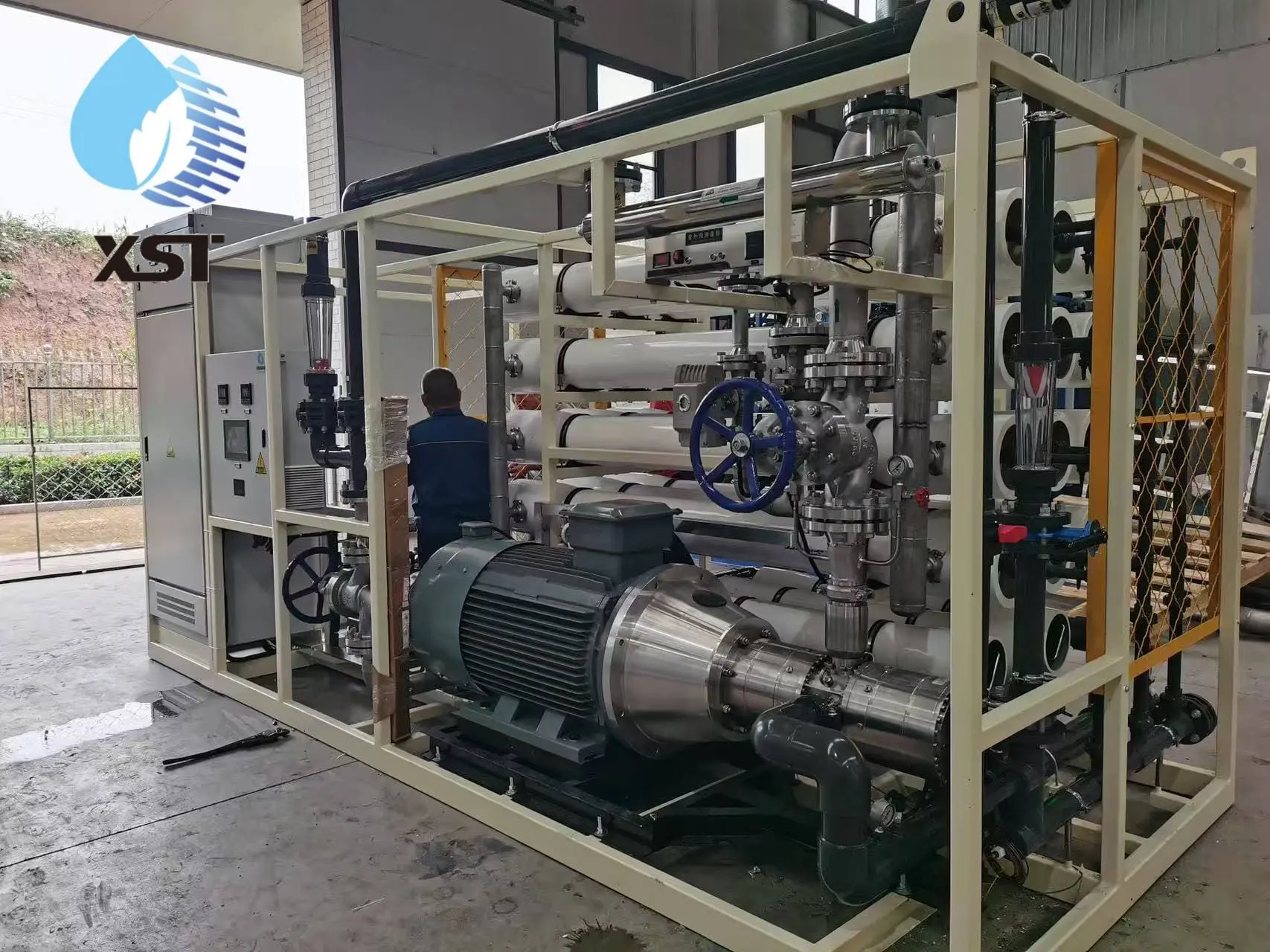
Cleaning and maintenance of reverse osmosis water treatment equipment can effectively reduce the fouling rate of the equipment. Methods include reject water recirculation, low-pressure flushing during downtime, and regular disinfection.
Flushing and briefly soaking the membrane elements with the RO system's produced water can inhibit bacterial growth and dissolve or loosen contaminants on the membrane.
Recirculating the brine increases transverse flow velocity, flushing contaminants from the membrane surface; however, this increases the capacity of the RO feedwater pump and the salinity of the system's produced water.
Low-pressure cleaning during equipment downtime can flush contaminants and brine from the membrane elements, preventing microbial growth.
Regular disinfection aims to control microbial growth between cleanings.
V. Reverse Osmosis Membrane Element Structure:
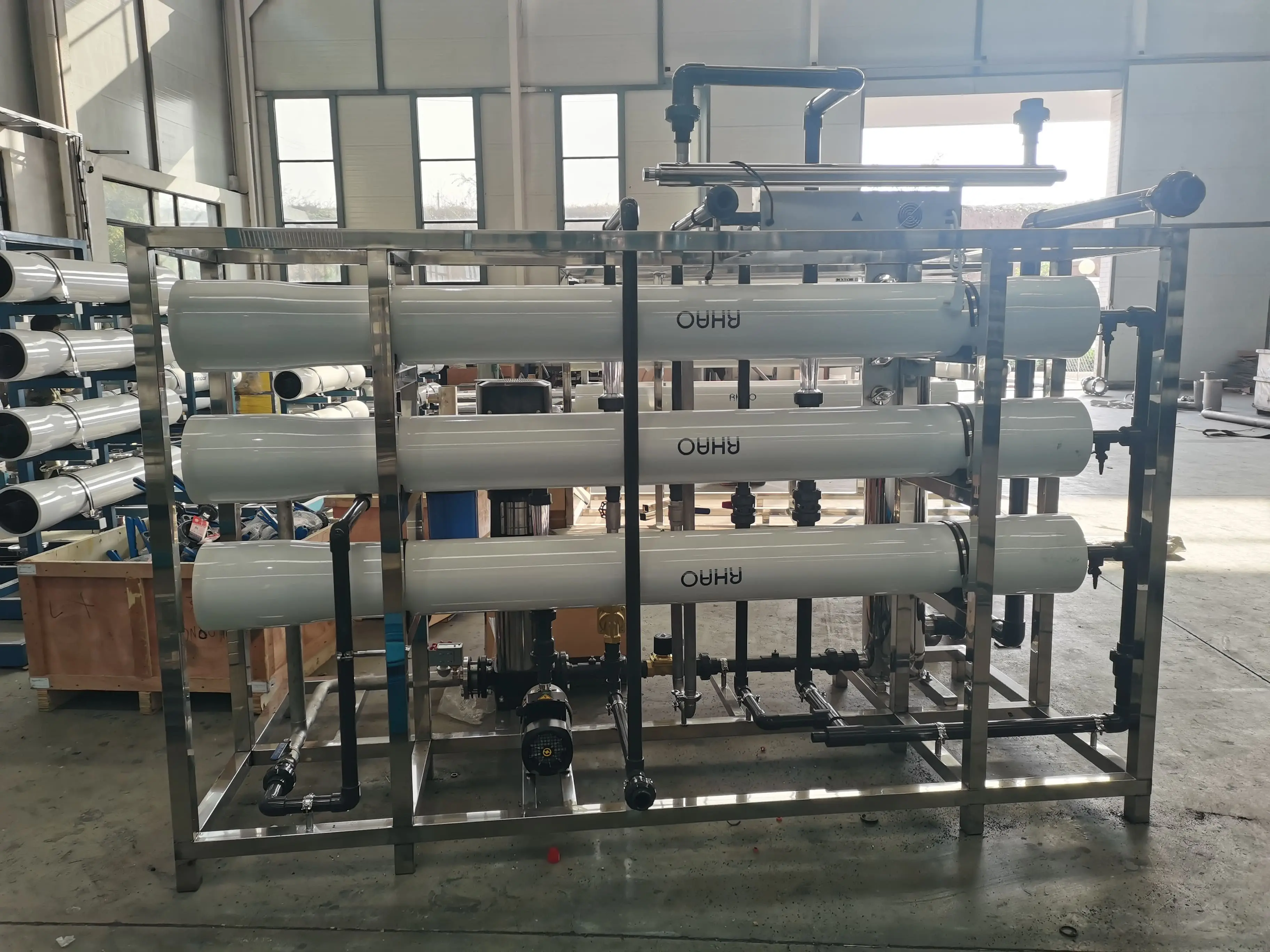
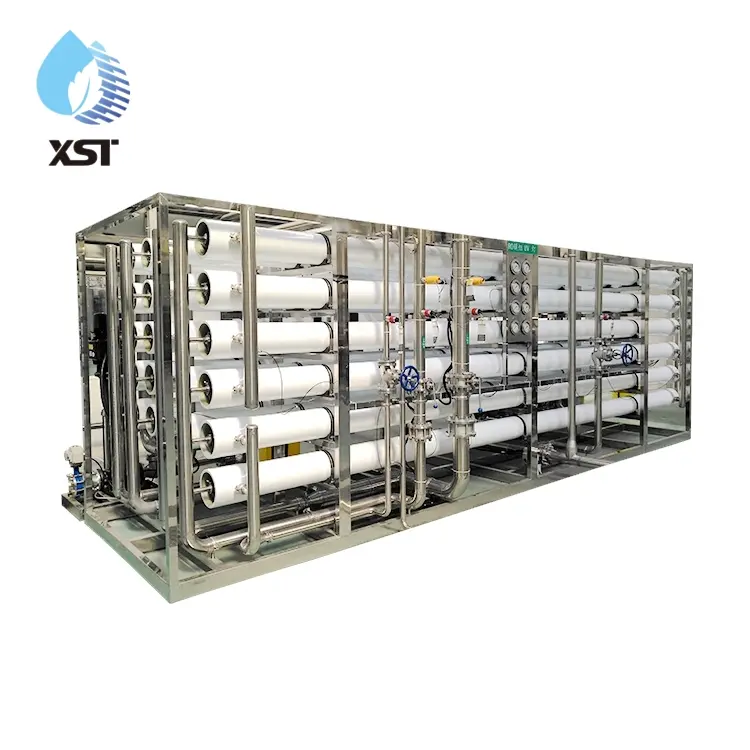
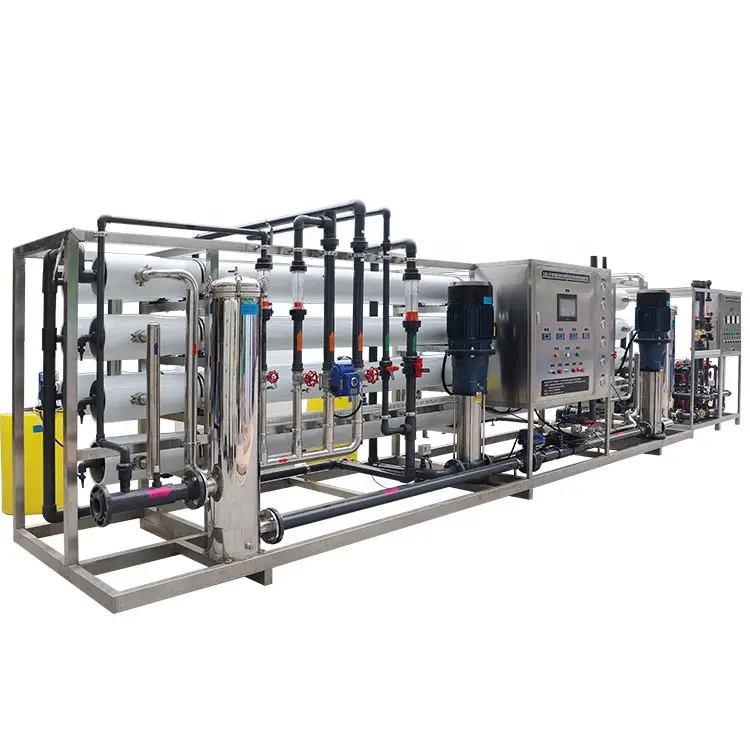
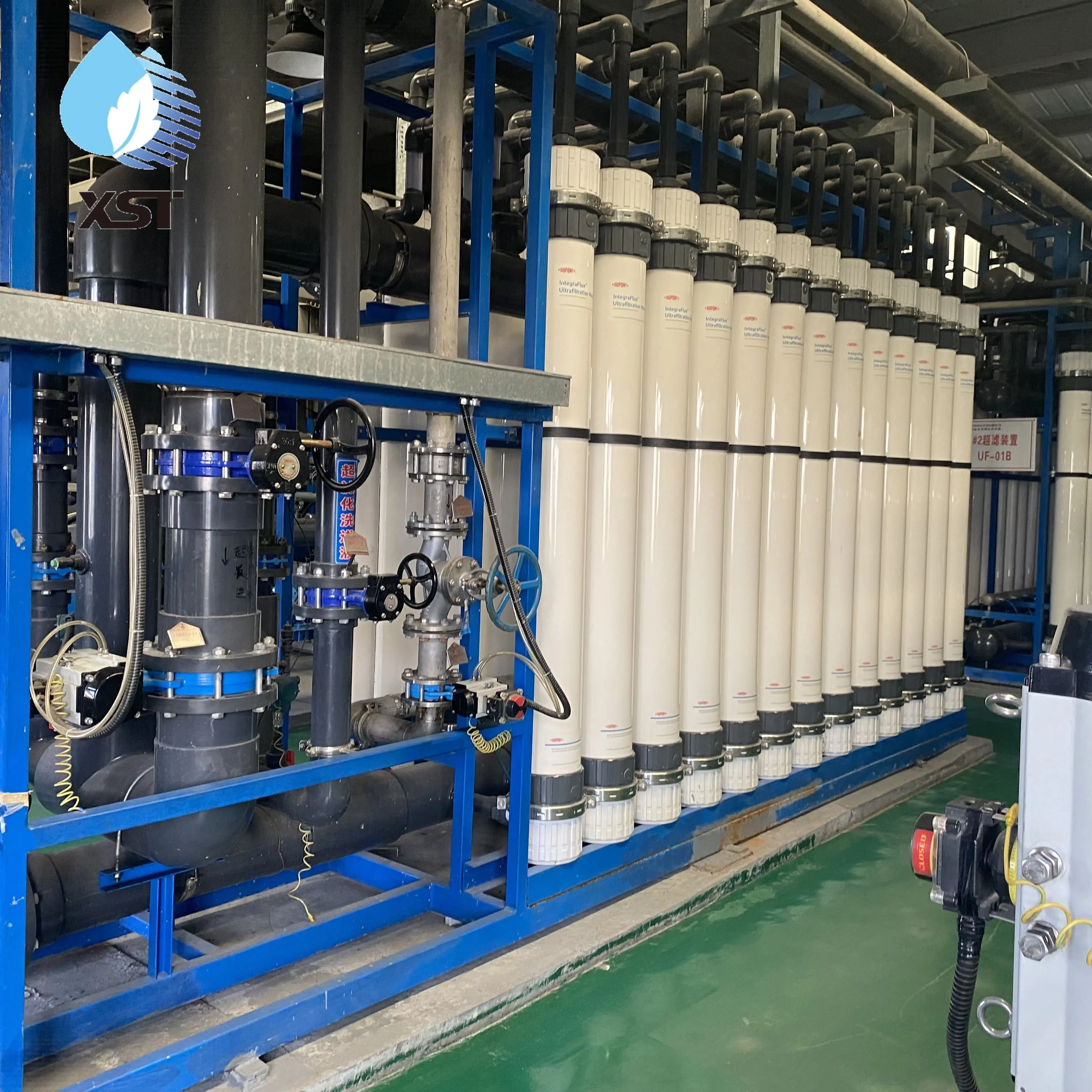
Reverse osmosis water treatment equipment is used for well water and surface water purification. The membrane elements primarily used in this equipment are spiral wound membrane elements. Taking into account factors such as feedwater channel contamination resistance, equipment space requirements, investment and operating costs, and procurement, spiral wound membrane elements are superior to hollow fiber and plate-and-frame structures. Designing a large membrane area helps reduce water flux and increase transverse flow velocity, thereby suppressing equipment fouling.