







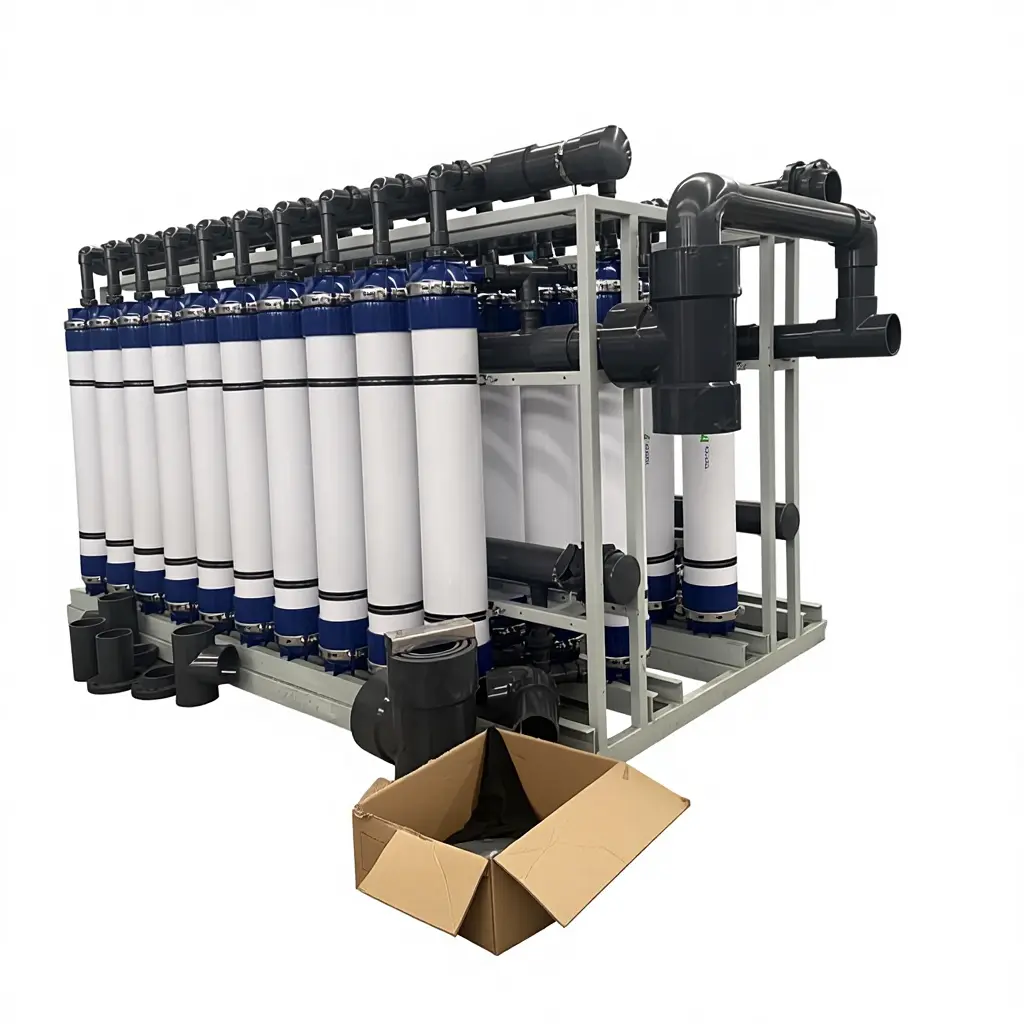
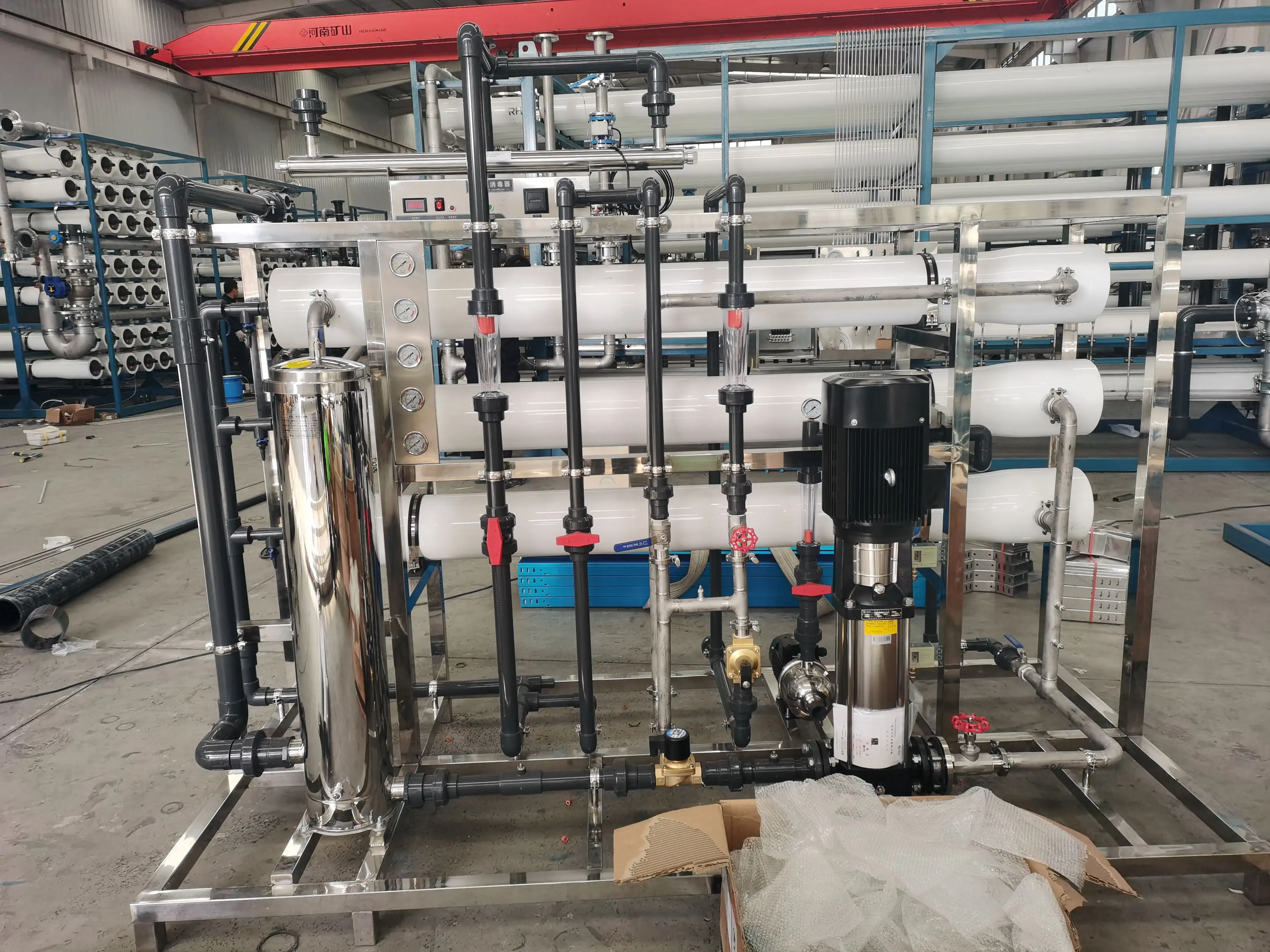
Application of ultrafiltration membrane technology in water treatment for environmental protection projects
Urban drinking Water Purification:
With the development of society, people have higher and higher requirements for drinking water safety, but at the same time, the pollution of urban water sources in my country is becoming increasingly serious. The water quality of direct water is increasingly unable to meet the standards of drinking water, so it is necessary to purify urban drinking water.
Urban drinking water mainly comes from groundwater and surface water. The pollution mechanisms of the two water sources are different, but the pollutants are mainly asexual organisms, bacteria, fungi, viruses, suspended matter, etc.
Traditional drinking water purification methods can achieve the inactivation and purification of microorganisms and fungi, as well as the purification of micron-level suspended particles. On this basis, ultrafiltration membrane technology can also achieve effective removal of nano-level particles, so the effluent water quality is higher, which is of great significance to the drinking water health of urban residents.
Non-renewable resources, the fresh water resources available for human drinking on the earth are increasingly exhausted, and water shortage has become one of the most pressing problems facing contemporary humans. Seawater desalination is considered an effective way to solve the drinking water crisis. At present, the seawater desalination technology that is being studied more in the world is electrodialysis technology. Although electrodialysis is considered to be an effective method for desalinating seawater, its operating cost is high and the recovery rate is low. With the development of technology, ultrafiltration membrane technology has begun to be used in reverse osmosis seawater desalination. Its excellent separation performance and physical and chemical properties have further improved the efficiency of seawater desalination and greatly reduced energy consumption.
Treatment of electroplating wastewater:
The amount of wastewater generated by the electric industry is huge, and it contains a large amount of hexavalent chromium, copper, nickel and other heavy metals. It is extremely harmful and has very low biodegradability. In actual work, iron oxidation and electrolysis are often used, but iron oxidation will produce a lot of sludge, which needs further treatment: Although electrolysis can treat electric wastewater well, its operating cost is high and it is not suitable for large-scale promotion. The combined use of ultrafiltration technology and reverse osmosis technology is considered to be an effective method for electroplating wastewater treatment. The use of two membrane technologies can remove most of the heavy metals, organic carbon and nitrates in electroplating wastewater, and the use of ultrafiltration membranes also reduces the pollution of osmotic membranes and increases the service life.
Treatment of oily wastewater:
The main sources of oily wastewater include crude oil spills, slaughterhouse wastewater and domestic wastewater, etc. Its main components are floating oil, dispersed oil, emulsified oil and heavy oil, etc. The commonly used oily wastewater treatment device is a grease trap, but it cannot treat emulsified oil, so flotation is often used for auxiliary treatment. Since emulsified oil molecules are generally large, ultrafiltration membrane technology can be used to make oily wastewater pass through the ultrafiltration membrane under pressure, and emulsified oil and other macromolecular pollutants will be intercepted, with a high removal efficiency.
Urban sewage reuse:
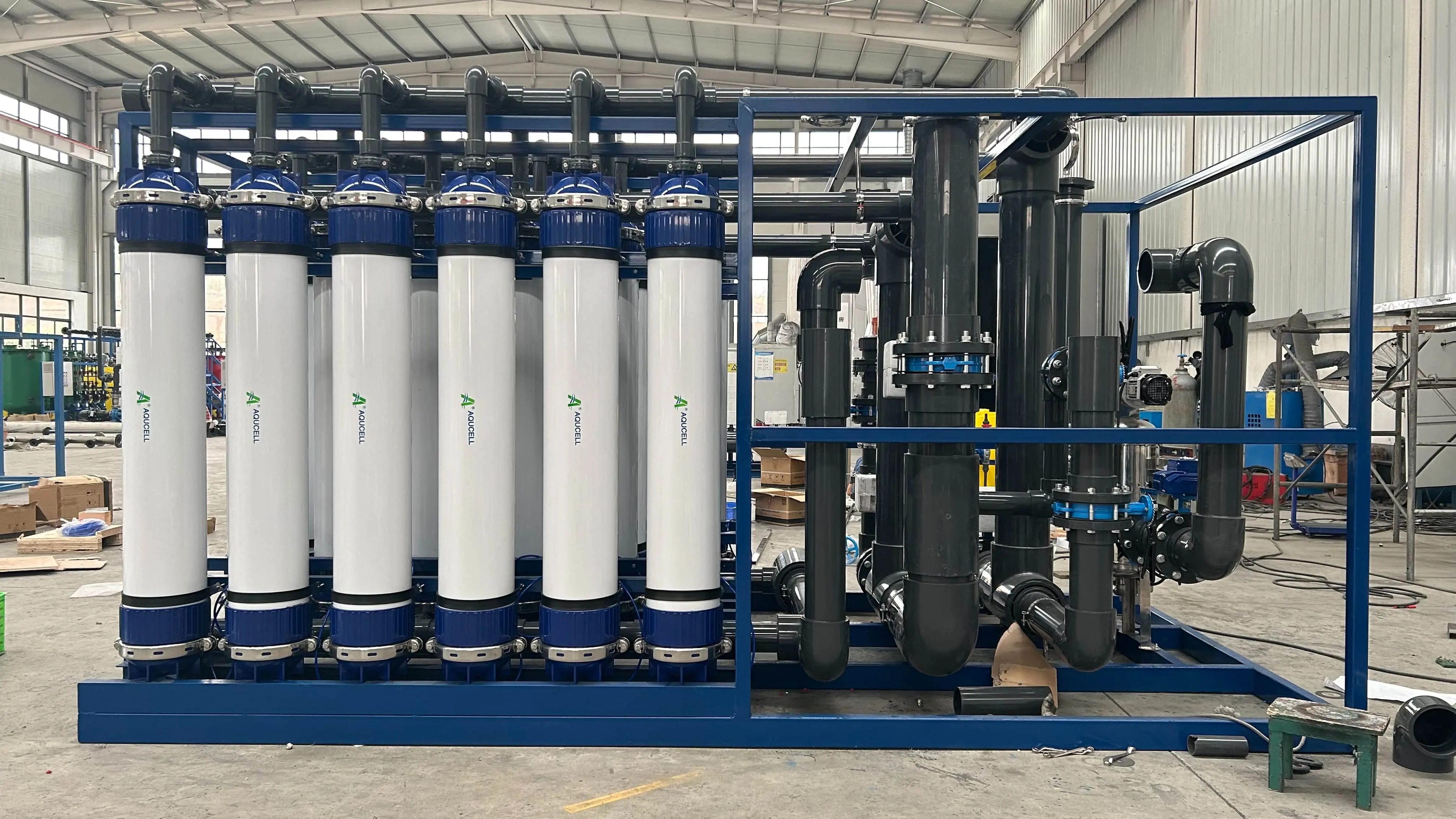
Urban sewage reuse is an important measure to alleviate urban water pressure. After urban domestic sewage is treated to meet the reuse standards, it will be used for urban greening water and urban reclaimed water systems. The use of ultrafiltration membrane technology can quickly treat urban sewage to meet the standards. Since urban sewage has good biodegradability, in actual work, in order to improve the effluent quality, the cycle activated sludge process (CASS) and ultrafiltration membrane technology are often used simultaneously. Under the condition of a hydraulic action time of 12 hours, the COD removal rate of this method reaches more than 86%. The removal rate of ammonia nitrogen reaches more than 90%, and the pH value of the effluent ranges from 7.25 to 7.89, which meets the urban water reuse standard.
Food industry wastewater recovery:
In addition to improving the effluent quality, ultrafiltration membrane technology can also concentrate and recycle a large amount of useful solid substances. The most typical application is in the field of food industry. The wastewater generated by the food industry contains a large amount of fat, protein, starch, yeast, etc. If these substances are discharged into the external environment, they will not only cause environmental pollution, but also cause a lot of waste. Therefore, the ultrafiltration module technology is used to intercept the useful components in the wastewater, and at the same time, the BOD and COD in the water are also separated from the water. The separated ambient substances are extracted and recycled, which can bring greater economic benefits to the enterprise.
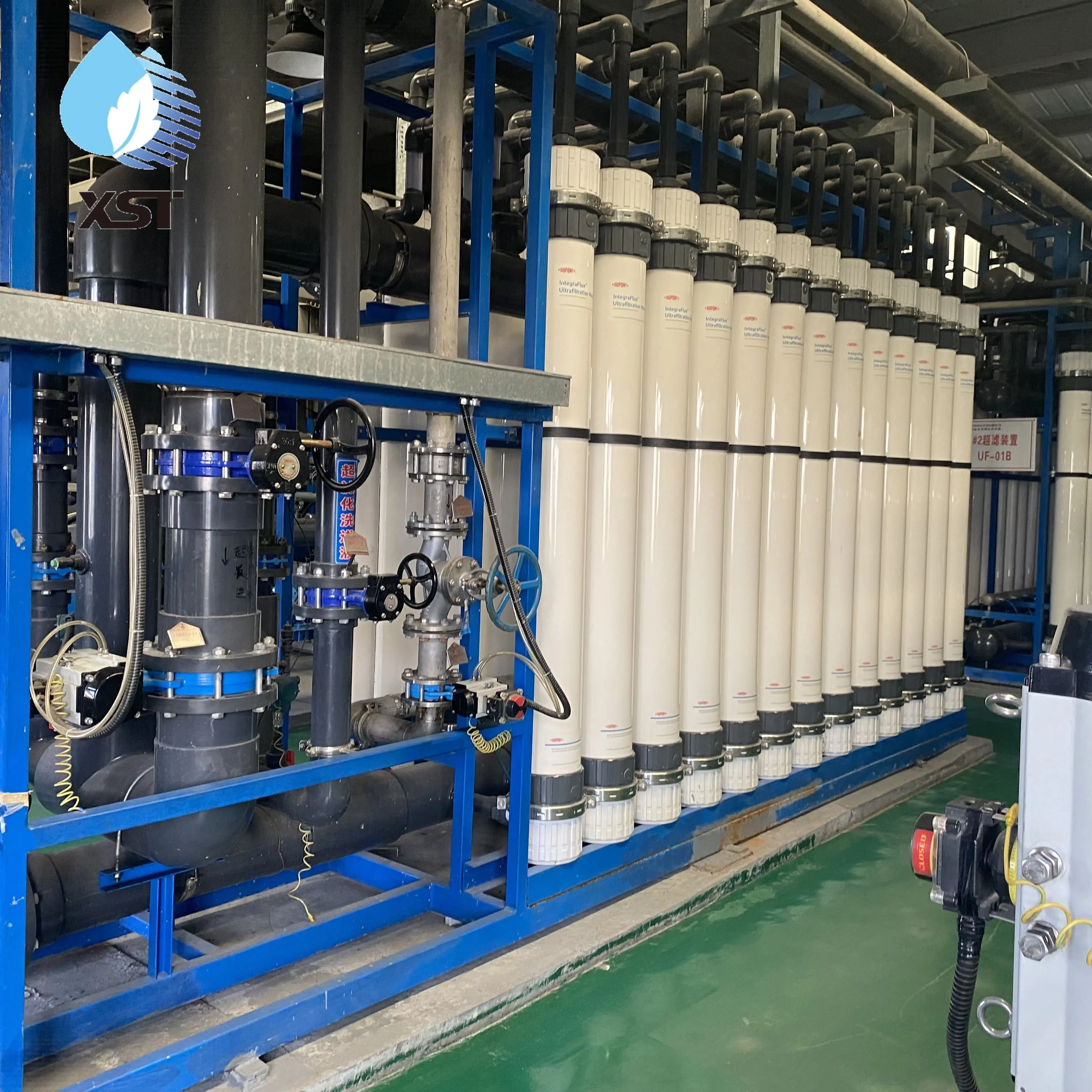
In summary, ultrafiltration membrane technology is an important technology for water treatment in environmental protection projects. It has extremely broad application prospects in urban sewage treatment, various industrial wastewater treatment, and useful material recovery. At present, the research directions of ultrafiltration membrane technology are to invent more efficient ultrafiltration devices and to improve the quality of effluent by combining it with other water treatment technologies according to the characteristics of influent water quality.