







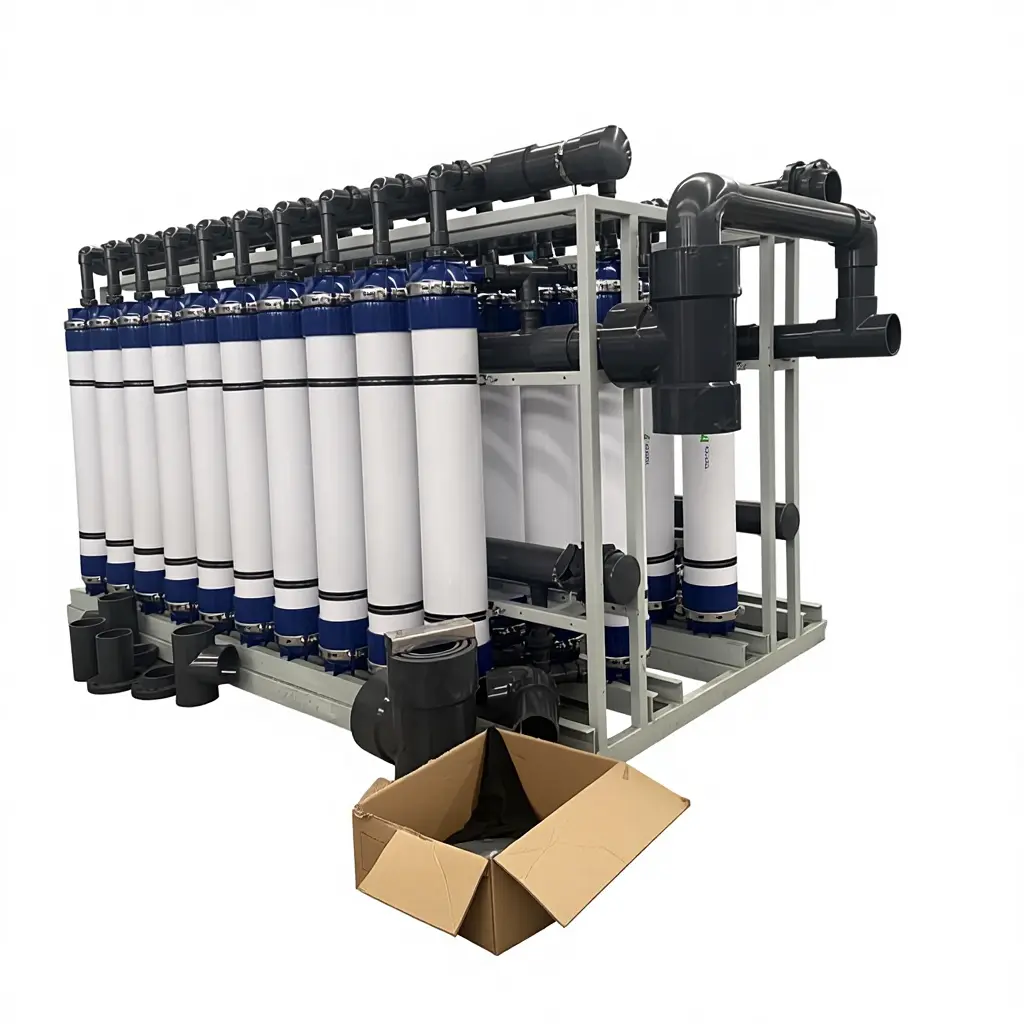
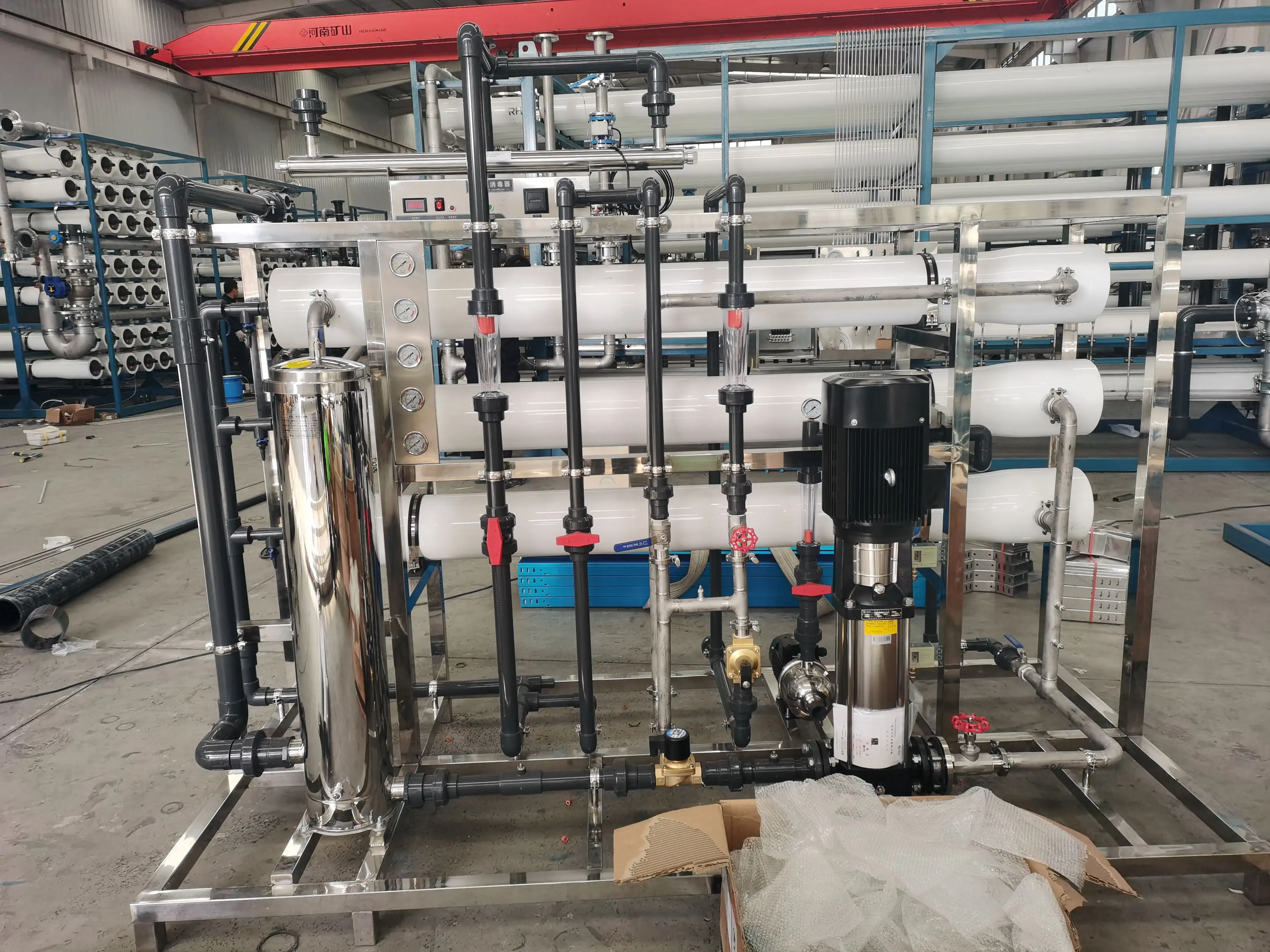
Analysis of the Application Scope of Ultrafiltration Equipment in Various Fields
Ultrafiltration is a novel membrane separation technology. Among all membrane separation methods such as microfiltration, ultrafiltration, Reverse Osmosis, osmosis, electrodialysis, and gas membrane separation, ultrafiltration has the most extensive application and is the most mature.
Ultrafiltration technology has mature applications in light industries such as food, beverages, alcohol, pharmaceuticals, textiles, printing and dyeing, surface coating (electrophoretic paint), papermaking, drinking water, rural water improvement, and electronics. Applications include electrophoretic paint recovery, pharmaceutical pyrogen removal, protein separation and concentration, starch recovery, Water Purification for food processing, water purification for beverages and alcohol, turbidity removal and clarification of finished products, removal of colloids from various production waters, reduction of turbidity and suspended solids content, reduction of SDI, removal of various bacteria and viruses, removal of humic acid and other large molecular organic matter, reduction of COD and BOD, reduction of color and oil content, and recovery of useful substances from wastewater, etc.
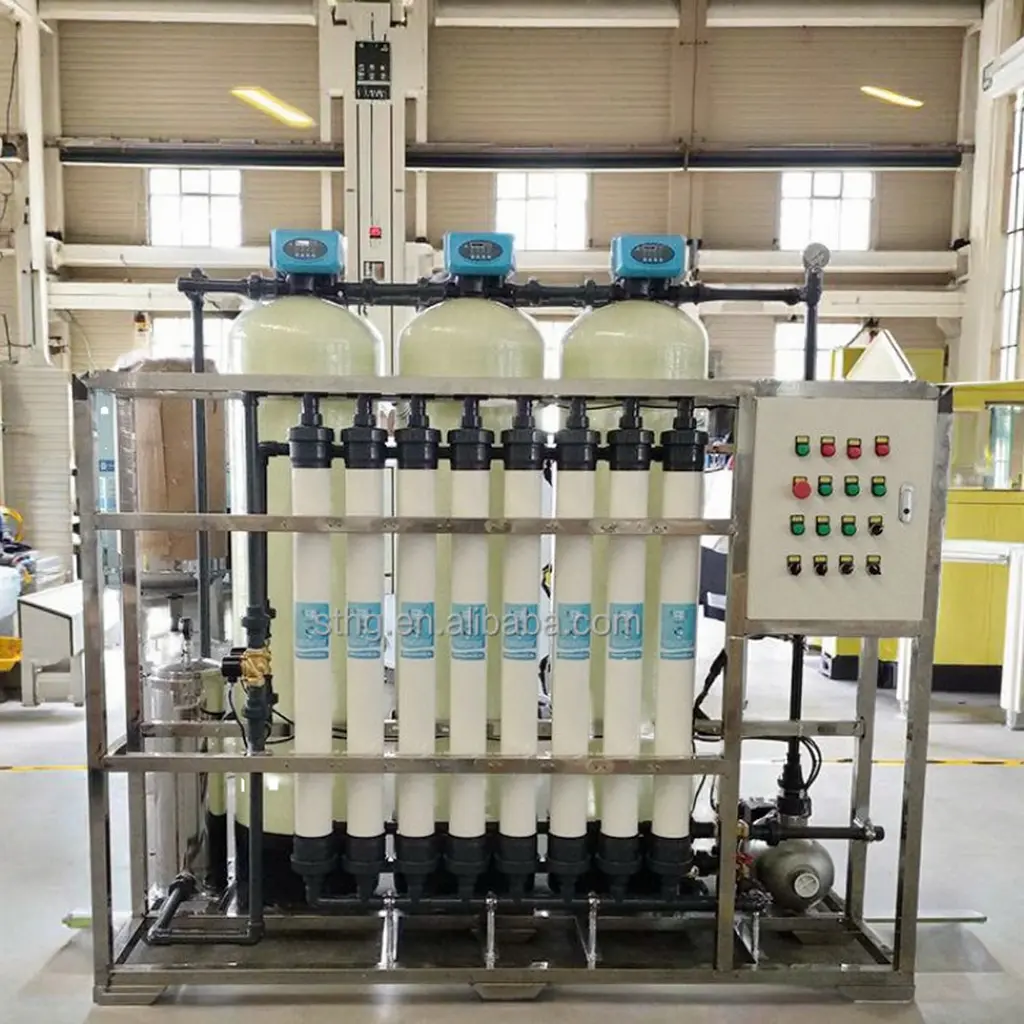
I. Applications of Ultrafiltration in Drinking Water (Tap Water)
The government has paid close attention to and provided substantial support for drinking water projects in recent years. This includes not only urban tap water but also rural drinking water. Rural water improvement is driven by specific policies from the central to local levels. Using ultrafiltration to solve the problem of safe drinking water in rural areas can produce bacteria-free, microbial-free, and impurity-free drinking water, with absolute advantages such as low equipment investment costs, simple automation, and stable water quality.
II. Applications of Ultrafiltration in the Food Industry
1. Juice and Beverage Industry Since the 1980s, membrane separation technologies such as ultrafiltration have been used abroad in the production and processing of fruit and vegetable juices such as apple juice, orange juice, pear juice, grape juice, lemon juice, and tomato juice to achieve sterilization, clarification, and concentration. Compared to traditional methods, this process offers several advantages: reduced operating and labor costs; preservation of aromatic and fat-soluble components in fruit and vegetable juices, resulting in a taste closer to fresh produce and improved product quality; removal of microorganisms and excess enzymes, facilitating long-term storage without sedimentation; and more reliable operation due to automated control, leading to more consistent product quality.
Currently, ultrafiltration technology is being applied to the production of some new fruit and vegetable juice beverages in China. Reports indicate that clarified juice produced using ultrafiltration is significantly superior in quality to other methods, with lower processing costs. For example, watermelon juice, after ultrafiltration, retains over 90% of its main nutrients: sugars, organic acids, and vitamin C. Furthermore, ultrafiltration has a sterilization effect; watermelon juice treated with ultrafiltration exhibits a significant sterilization rate exceeding 99.9%, meeting national hygiene standards for beverages and food without pasteurization.
2. Application of Ultrafiltration in Tea Beverage Processing
After brewing, tea, with its unique aroma and flavor, as well as various health benefits, has become the world's second most consumed beverage. Compared with traditional tea clarification methods (low-temperature precipitation and adsorption removal, ion chelation, transfer dissolution, precipitant methods, oxidation methods, etc.), ultrafiltration is a purely physical method that does not require the addition of other additives, which is highly beneficial in the food industry. At the same time, ultrafiltration technology can maximize the retention of effective components such as tea polyphenols, amino acids, and caffeine in tea while ensuring clarity, with minimal impact on color, aroma, and taste. It also largely preserves the flavor compounds of black tea. Furthermore, the ultrafiltration process is pressure-driven and carried out at 20-30℃, making it particularly suitable for clarifying heat-sensitive teas. Ultrafiltration at low temperatures can ensure that the quality of tea remains stable for a longer period of time. Tea polysaccharides are one of the important active ingredients in tea, possessing pharmacological effects such as lowering blood sugar, anticoagulation, antithrombosis, hypoxia tolerance, and enhancing immunity. Current research on them is extensive and in-depth.
3. Dairy Processing Industry
Currently, ultrafiltration technology is mainly applied to raw milk concentration, skim milk concentration, whey pre-concentration, raw milk refining, protein and peptide separation, and the recovery of lactose, fat, and protein from whey wastewater in cheese production. It features energy saving, reduced protein denaturation, improved product quality, and the extraction of multiple components from dairy products, offering significant advantages over traditional production methods that are unmatched by traditional processing techniques.
The most commonly used process is ultrafiltration for whey concentration and separation. Ultrafiltration can yield whey protein powder with a protein content of 35%–85%. Through continuous dilution of the concentrated phase via full filtration, whey protein powder with even higher protein content can be obtained. Furthermore, the introduction of combined ultrafiltration and reverse osmosis technologies allows for the simultaneous removal of lactose and ash from the membrane permeate while concentrating whey protein, significantly expanding the application range of whole dry whey. The quality of whey protein is significantly improved after the introduction of ultrafiltration and reverse osmosis. Compared to products produced using traditional processes, the protein content is nearly four times higher, and the lactose content is reduced by approximately 40%.
4. Oil and Fat Industry: Applying ultrafiltration technology to the degumming and decolorization processes of oils combines degumming and decolorization into a single process, eliminating many steps in traditional methods, greatly increasing oil yield, reducing the amount of bleaching clay used and the cost of waste bleaching clay treatment, and minimizing the loss of neutral oils absorbed by the bleaching clay. In the processing of oil by-products, such as the preparation of soybean protein, ultrafiltration membranes can be used to retain large molecular weight proteins while allowing small molecules to pass through the membrane. Soybean protein concentrate can be prepared using polysulfonamide membranes with a molecular weight cutoff of 20,000-30,000. The membrane has a protein retention rate of up to 95%, and the protein recovery rate after concentration is 93.9%, which is higher than that of acid precipitation. At the same time, the solubility, foaming, emulsifying and oil absorption properties of soybean protein isolate extracted by membrane separation technology are all superior to those of soybean protein isolate produced by the traditional "alkali dissolution and acid precipitation method".
5. Brewing industry Baijiu often contains ethyl palmitate, ethyl linoleate, ethyl linoleate and other substances, which are soluble in alcohol but insoluble in water. When the alcohol content and temperature decrease, the solubility of these substances decreases, causing the baijiu to become cloudy and affecting the product quality. These turbid substances have small particle size and light specific gravity, which are not good by conventional methods, but the quality of baijiu can be guaranteed by ultrafiltration [7]. Ultrafiltration, replacing centrifugation, can purify wine without adding chemical reagents, producing clear wine and reducing its ethanol content. Filtration is a crucial step in beer production, aiming to remove minute substances such as yeast, proteins, and polyphenolic compounds, improving the beer's biological and non-biological stability. Beer filtered through cotton cake or diatomaceous earth is called draft beer, which becomes cloudy after a week of storage. Heat-pasteurized beer is called pasteurized beer, which can generally be stored for 60-90 days, but its taste is not as superior as draft beer; ultrafiltration can solve both the taste and shelf-life issues. Corresponding processing technologies and processes can be broadly categorized into two types: filtration processes and clarifying agent processes.
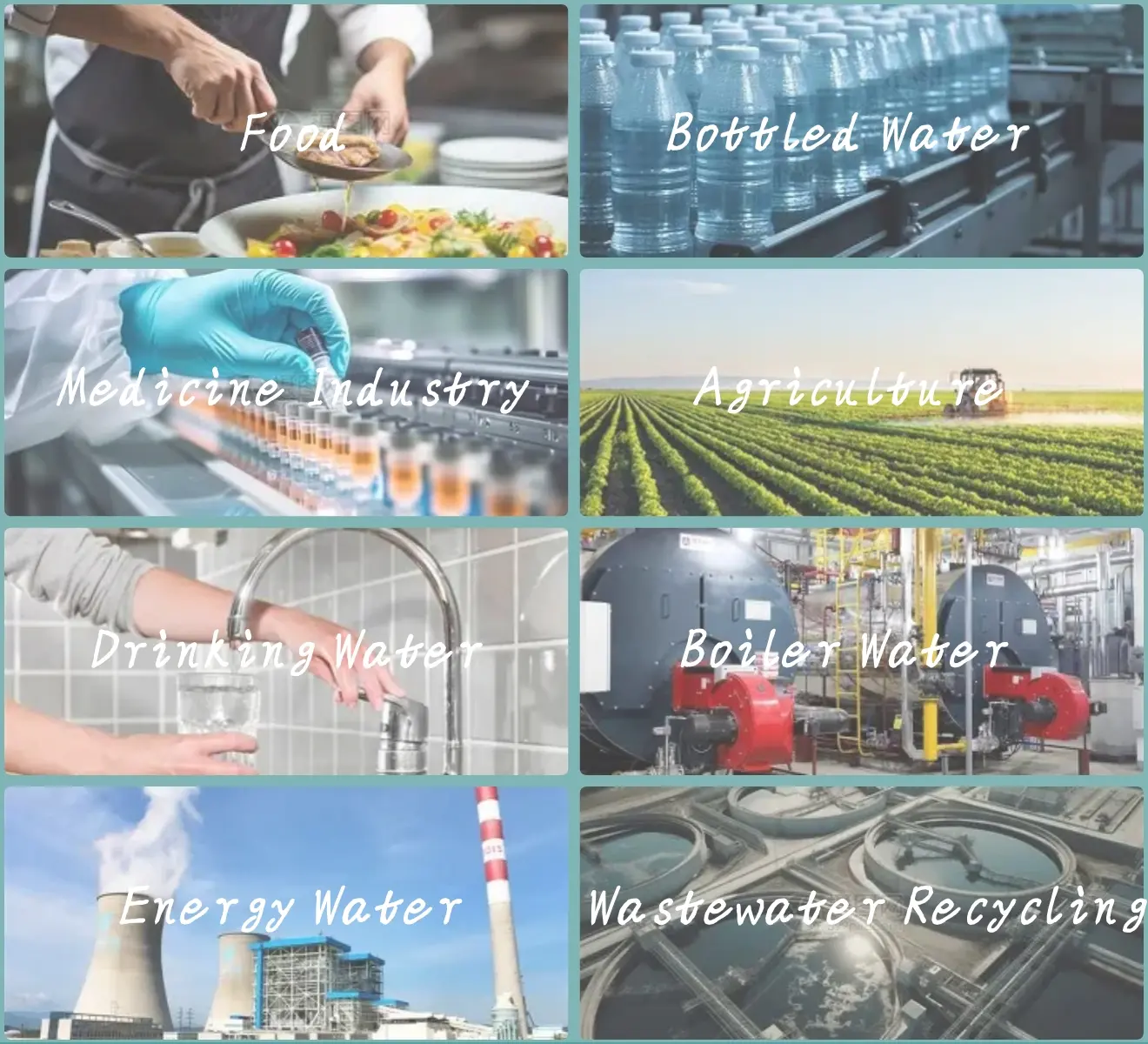
III. Applications of Ultrafiltration in the Pharmaceutical Industry
Ultrafiltration in the Extraction and Refining of Traditional Chinese Medicine Components
In recent years, with the widespread use of ultrafiltration technology in the food industry, more and more people have become familiar with and mastered this technology with many advantages. People are no longer satisfied with using ultrafiltration only in the food industry and are gradually trying to apply it to other fields, such as the extraction and refining process of chlorogenic acid, a component of traditional Chinese medicine.
IV. Applications of Ultrafiltration in Large Industrial Enterprises
The application of ultrafiltration is very mature in large industrial sectors such as petroleum, chemical, steel mills, power plants, and coal mines. From its earliest use in combining ultrafiltration with existing water processes to produce qualified pure water (such as boiler feedwater in power plants and steel mills), to the purification and recycling of process water in industrial production (such as condensate, cooling water, circulating water, and chemical water), and further to the treatment and reuse of industrial wastewater and sewage (such as wastewater reuse at Taiyuan Iron and Steel Group and oilfield reinjection water), ultrafiltration has permeated various process stages in large industries.
V. Applications in the Treatment and Reuse of Reclaimed Water, Sewage, and Wastewater
1. In industrial wastewater treatment, ultrafiltration technology can be used to recover paint from electrophoretic coating wastewater and is now widely used in automated electrophoretic coating production lines worldwide.
2. In urban sewage treatment, ultrafiltration technology is used in urban and household sewage treatment. In newly built residential buildings with more than 500 households, small-scale water recycling may be possible, such as using ultrafiltration-treated domestic wastewater to flush toilets, which could reduce household water consumption by 40%.
3. Regarding seawater desalination, due to the actual situation of seawater pollution in China, large-scale promotion is underway, mainly using ultrafiltration membranes for pretreatment to ensure the normal service life of RO membranes.