







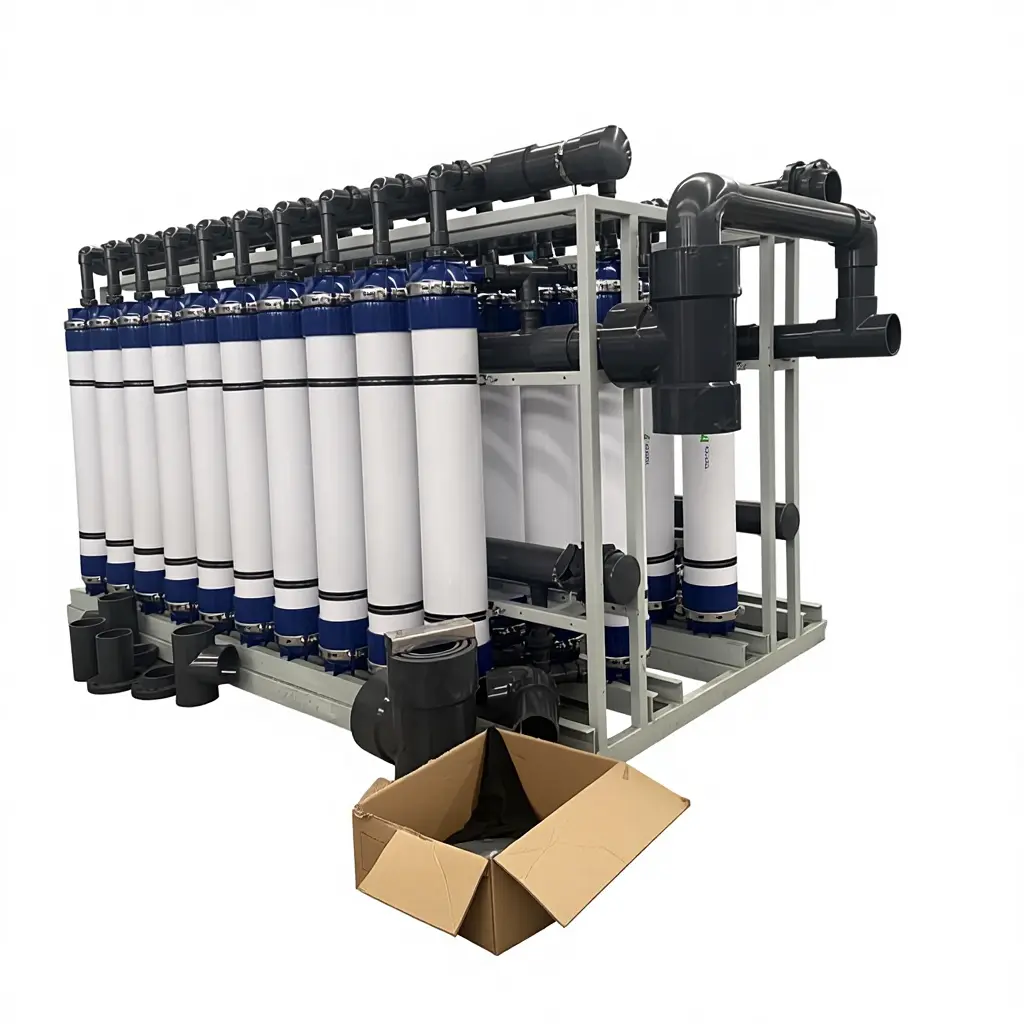
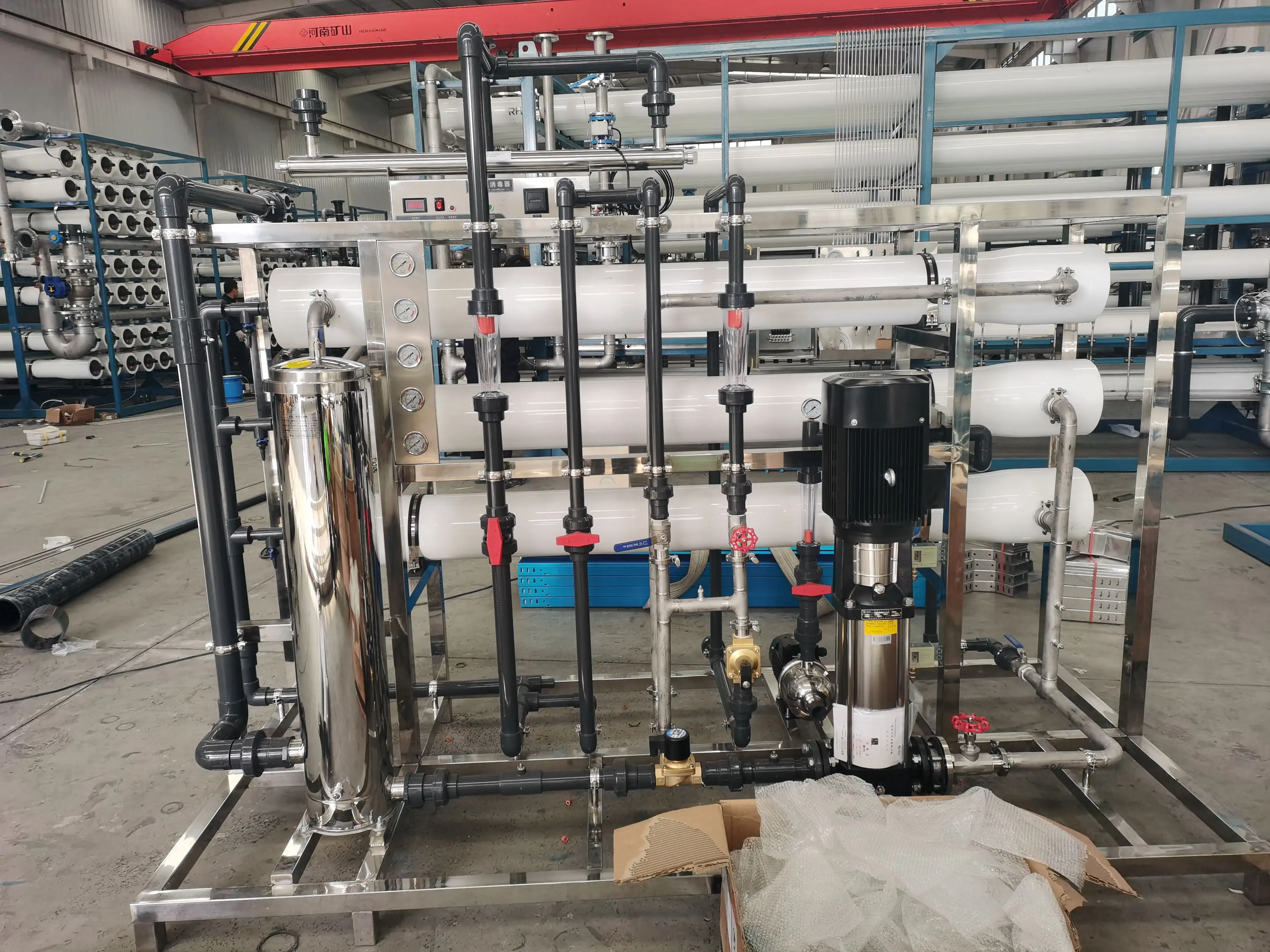
Analysis and Solutions for Siphoning in Reverse Osmosis and Ultrafiltration Systems
I. Causes of Siphoning
The siphon effect in membrane systems is typically caused by system downtime or pressure imbalance. Specific causes are as follows:
1. Driven by Liquid Level Difference During Downtime
When the system is down, the inlet pump stops operating, causing a sudden drop in pressure on the inlet side. If there is a high-level reservoir in the product water pipeline or the outlet is lower than the membrane assembly (for example, the product water tank is higher than the membrane), the liquid level difference will create a siphoning force (ΔP = ρgh, where ρ is the liquid density, g is the acceleration due to gravity, and h is the liquid level difference).
For example, if the liquid level difference between the product water tank and the membrane assembly is 5 meters, the siphoning pressure differential can reach approximately 0.5 bar (ρ ≈ 1000 kg/m³, g = 9.8 m/s², ΔP = 1000 × 9.8 × 5 ≈ 49,000 Pa ≈ 0.49 bar).
2. Lack of Back Pressure
If a check valve or pressure-maintaining device is not installed on the product water side, the product water pressure may drop below the inlet water pressure after shutdown, causing the Reverse Osmosis membrane to experience a reverse pressure differential. A reverse pressure differential exceeding 0.5 bar on the RO membrane can cause the membrane's desalination layer to delaminate.
3. Pipeline Design Defects
If the product water pipeline has U-shaped bends or high points lack vent valves, gas can accumulate during shutdown, creating a vacuum and exacerbating siphoning. For example, if the pipeline's high point exceeds 2 meters, the risk of siphoning increases significantly.
4. Valve Leakage
If the inlet or product water valve is not tightly closed, slow leakage can lead to a sustained pressure differential. A valve leakage rate of >1 L/min can maintain siphoning.
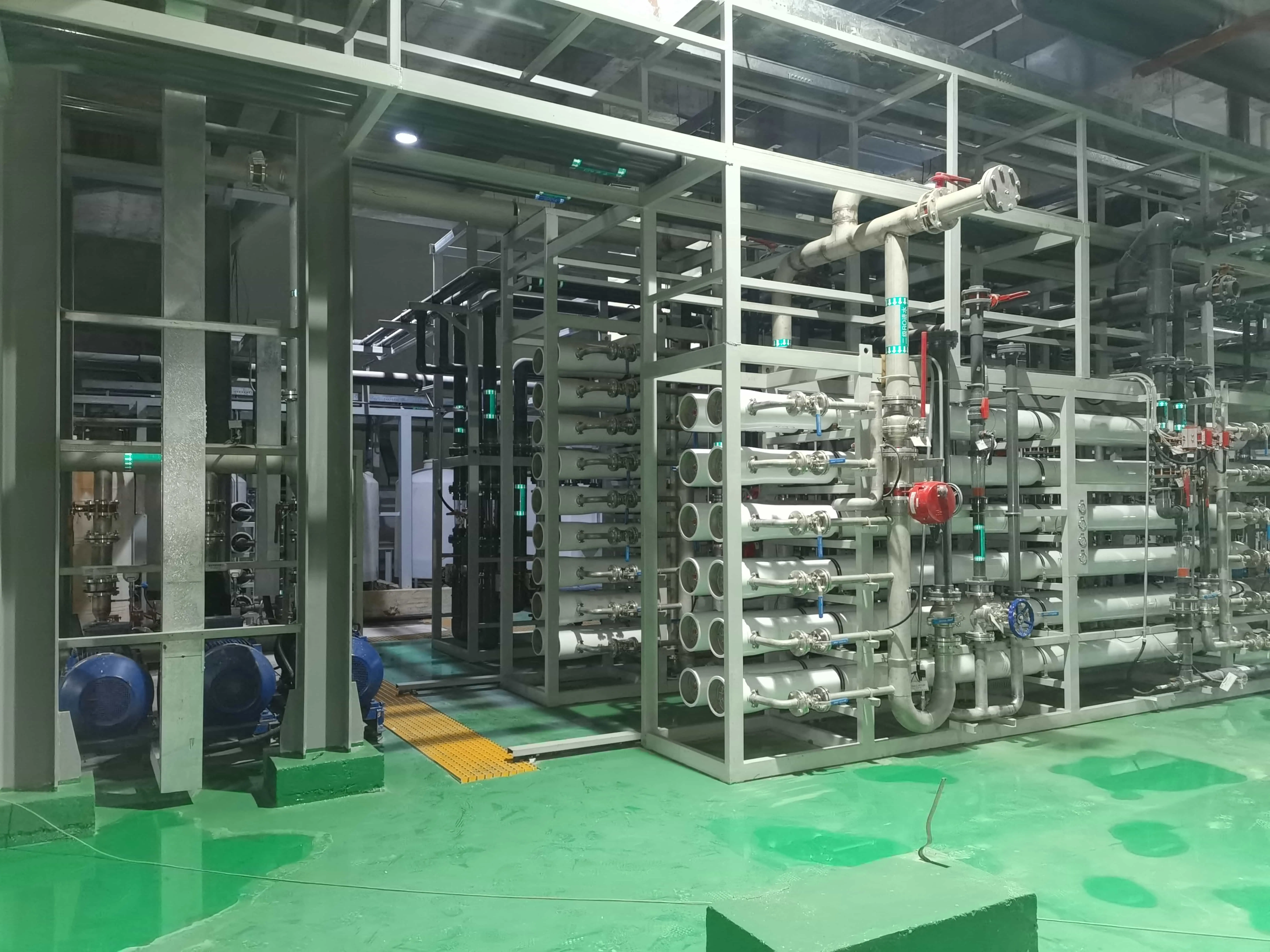
II. Data on the Dangers of Siphoning to Membrane Systems
RO membranes: A reverse pressure differential of 0.5 bar for one hour will reduce the desalination rate by 5%-8%. If it reaches 1 bar, the membrane may be permanently damaged.
Uf Membrane: Back siphoning increases the fiber breakage rate of hollow fiber membranes, with the breakage rate increasing threefold at a pressure differential of 0.3 bar.
III. Key Methods for Siphon Breaking
1. Installing a Siphon Breaker
Install a valve at a high point in the permeate pipeline. When the pressure drops below a set value (e.g., 0.2 bar), it automatically draws in air, breaking the vacuum environment.
2. Installing a Check Valve
Install a double check valve at the permeate outlet to ensure it closes when the back pressure differential is less than 0.1 bar. Use a spring-assisted check valve with a low starting pressure differential (≤0.1 bar).
3. Pressure Maintenance System
Use an electric regulating valve or backpressure valve to maintain a higher pressure on the permeate side than on the inlet side. For example, a UF system successfully eliminated siphoning by installing a backpressure valve to maintain a backpressure above 0.3 bar.
4. Optimizing Piping Design
Avoid placing the permeate pipeline at a high point. The maximum height difference is recommended to be less than 1 meter. If a high position is necessary, add an automatic air vent valve (diameter ≥ DN15) at the highest point.
5. Program Control
During shutdown, the water inlet valve is closed with a delay (e.g., kept open for 10 seconds) and combined with a quick exhaust valve (response time < 0.5 seconds) to quickly balance pressure.