







A brief talk about ultrafiltration membrane
What is Ultrafiltration Membrane?
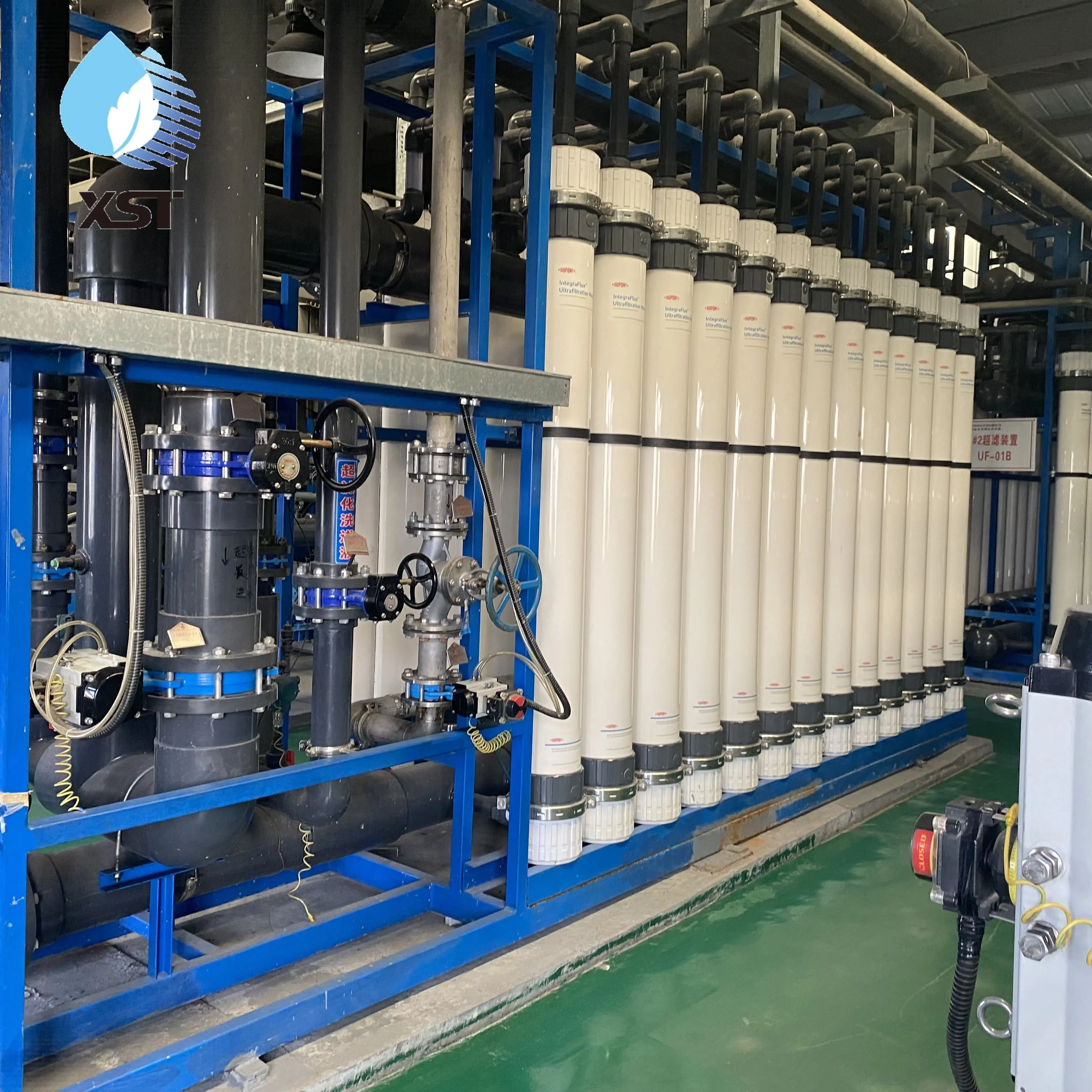
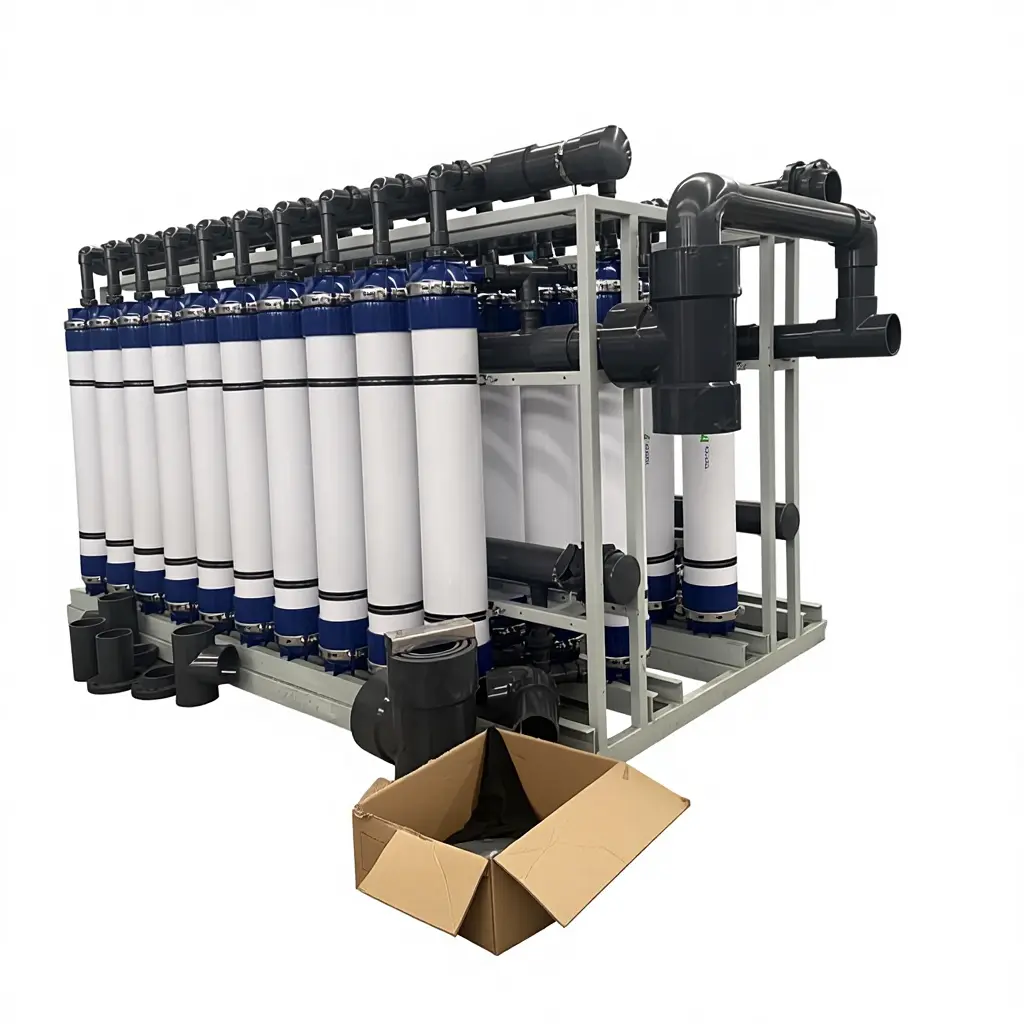
Ultrafiltration membrane is one of the earliest developed polymer membranes. It is a microporous filtration membrane with a rated pore size range of 0.001~0.02 microns. When appropriate pressure is applied to one side of the membrane, the solvent in the solution and some solutes with lower molecular weight penetrate from the tiny pores of the ultrafiltration membrane to the other side of the membrane, while solutes with higher molecular weight or some emulsified micelles are retained, thereby achieving the effect of filtration separation.
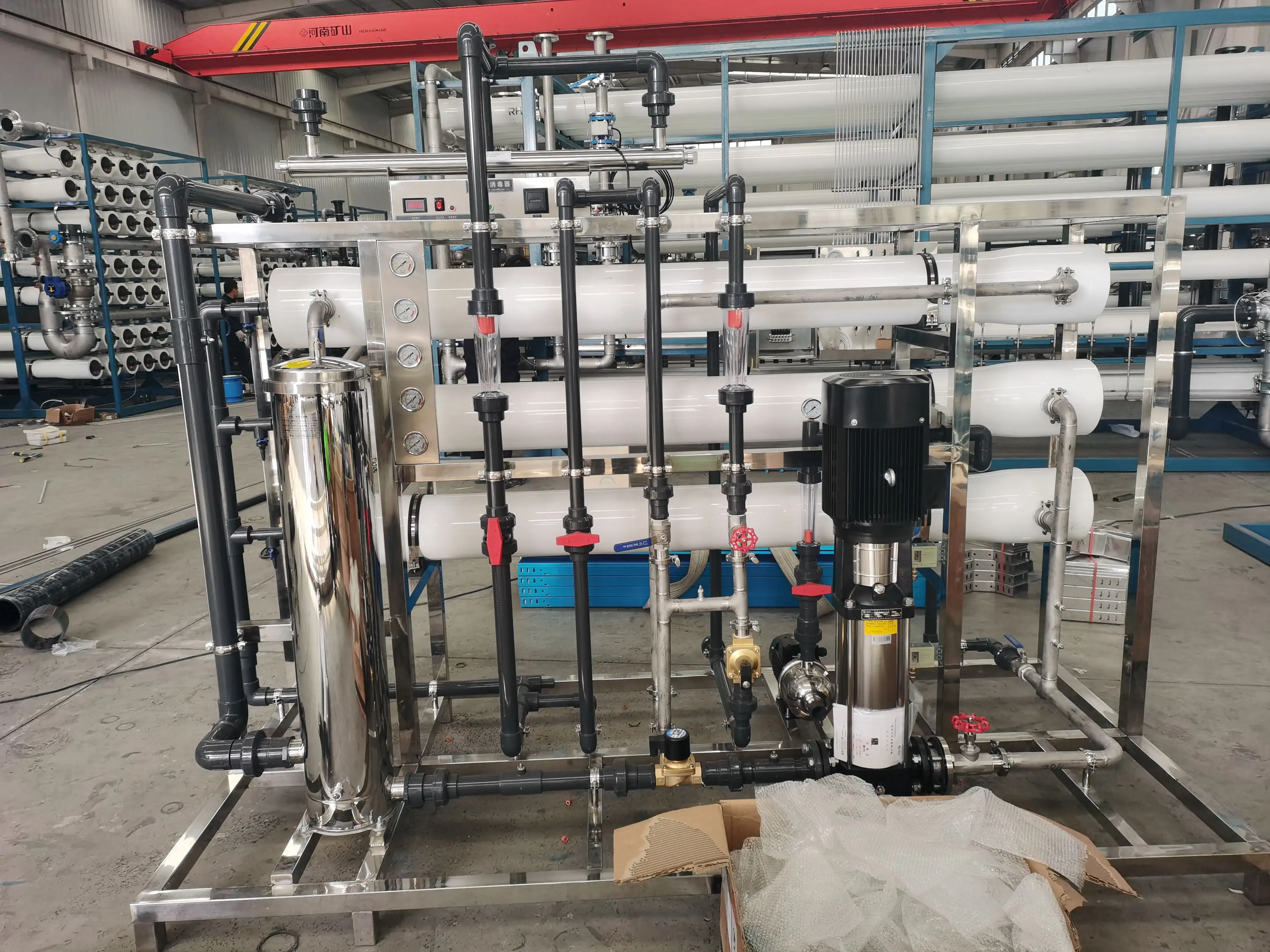
In the field of water treatment, ultrafiltration membrane technology is more efficient in filtering impurities than other filtration technologies. Its filtration accuracy can reach 99.99%, which can effectively remove most harmful substances in water; and it uses very little or no chemical agents to effectively avoid secondary pollution of water quality, so the treated water quality is better. From the operational level, the Filtration System based on ultrafiltration membrane technology has a high degree of automation, simple and reliable operation, and only two operations: on and off. Because the material of the ultrafiltration membrane has strong chemical stability, acid and alkali corrosion resistance, and high temperature resistance, it can be sterilized at high temperature and has a wide range of applicability.
Ultrafiltration membrane technology and characteristics
Ultrafiltration membrane technology principle
Ultrafiltration membrane technology is a membrane permeation separation technology, and its filtration capacity is between nanofiltration and microfiltration. Its working principle is:
When the solution passes through a semipermeable membrane, under the action of pressure, small molecules in the solvent and solute can pass through the filter membrane to the other side of the membrane, while the macromolecules and colloids in the solute are intercepted because they cannot pass through the pores of the filter membrane. As the solution continues to flow, more and more substances are intercepted on the membrane. Therefore, in order to achieve ultrafiltration, greater pressure must be applied to the solvent. At the same time, the substances formed on the surface of the membrane also show certain chemical properties, and they also have the effect of intercepting and decomposing some pollutants, thereby achieving water purification.
As the macromolecules continue to gather on the membrane surface, the filtration speed continues to decrease, and the phenomenon of "concentration polarization" occurs. In order to enable ultrafiltration to be carried out continuously and effectively, agitated ultrafiltration devices are often used in actual work to eliminate the phenomenon of "concentration polarization".
Characteristics of ultrafiltration membrane technology
Compared with other water treatment technologies, ultrafiltration membrane technology has many incomparable advantages:
First, ultrafiltration membrane has high chemical stability and is resistant to high temperature, acid and alkali, so it does not require high water quality and has strong versatility;
Second, the principle of ultrafiltration membrane technology is simple, easy to realize automatic operation, save labor, and easy to operate and maintain, safe and stable operation;
Third, ultrafiltration membrane technology is a physical method, and no chemical agents are required during the water treatment process, so it can effectively prevent secondary pollution of water bodies;
Fourth, ultrafiltration membrane technology is highly efficient and can process a large amount of water, especially for the treatment of urban drinking water with less pollution, showing extremely high efficiency;