







News
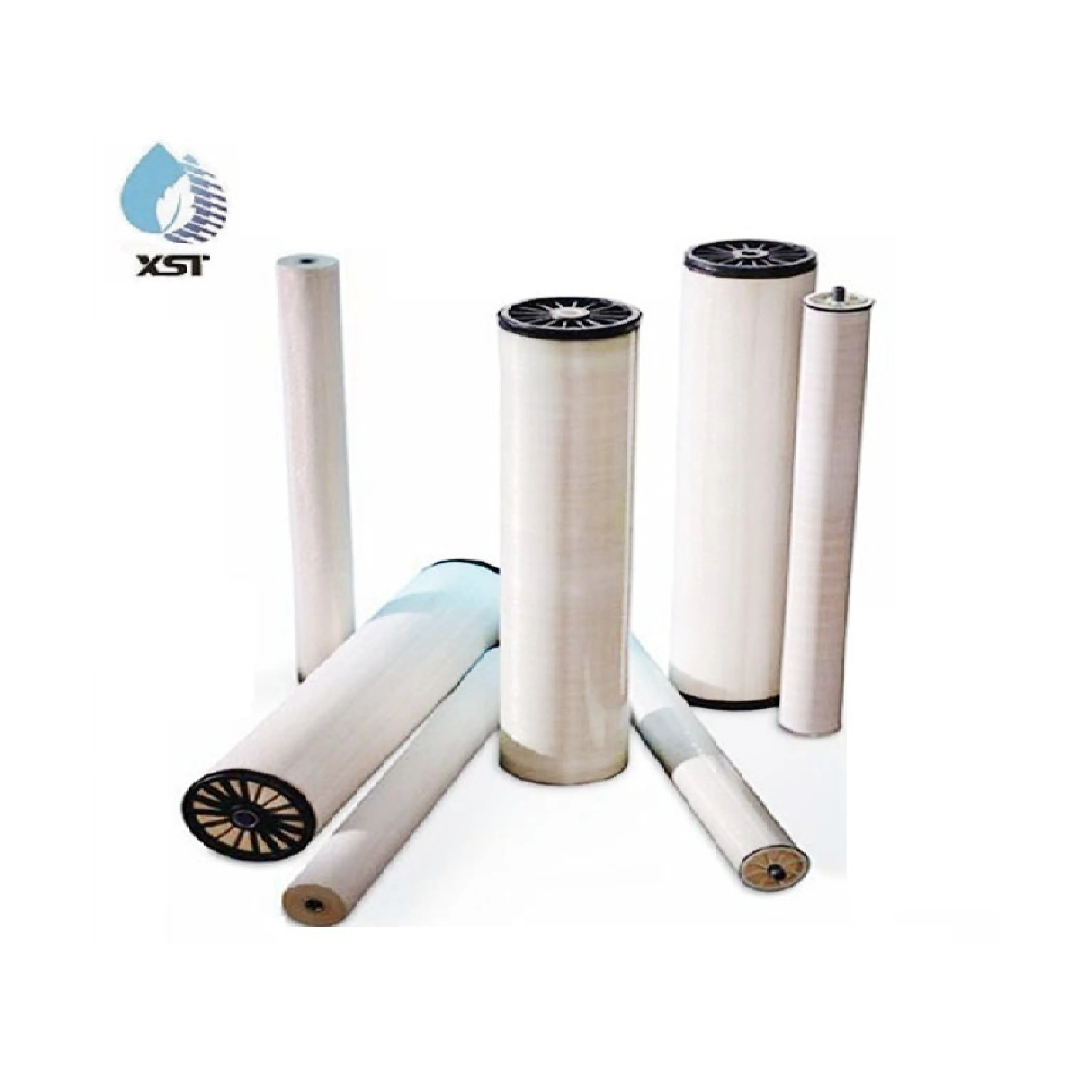
Analysis of the main factors affecting the performance of reverse osmosis membranes
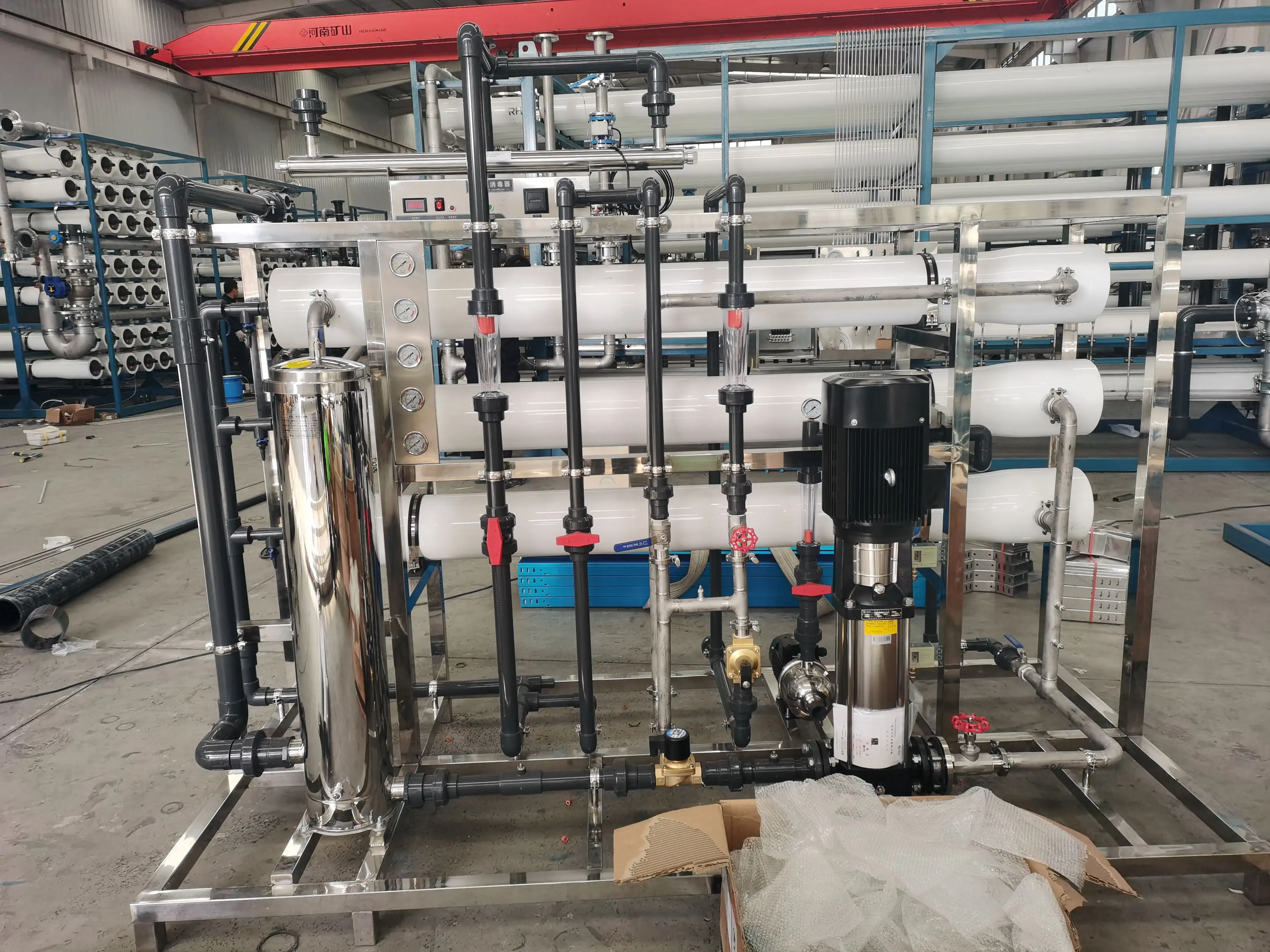
1. The influence of inlet water pressure on Reverse Osmosis Membranes
The inlet water pressure itself does not affect the salt permeation, but the increase in inlet water pressure increases the net pressure driving reverse osmosis, which increases the water production. At the same time, the salt permeation remains almost unchanged. The increased water production dilutes the salt permeating the membrane, reduces the salt permeability, and increases the desalination rate.
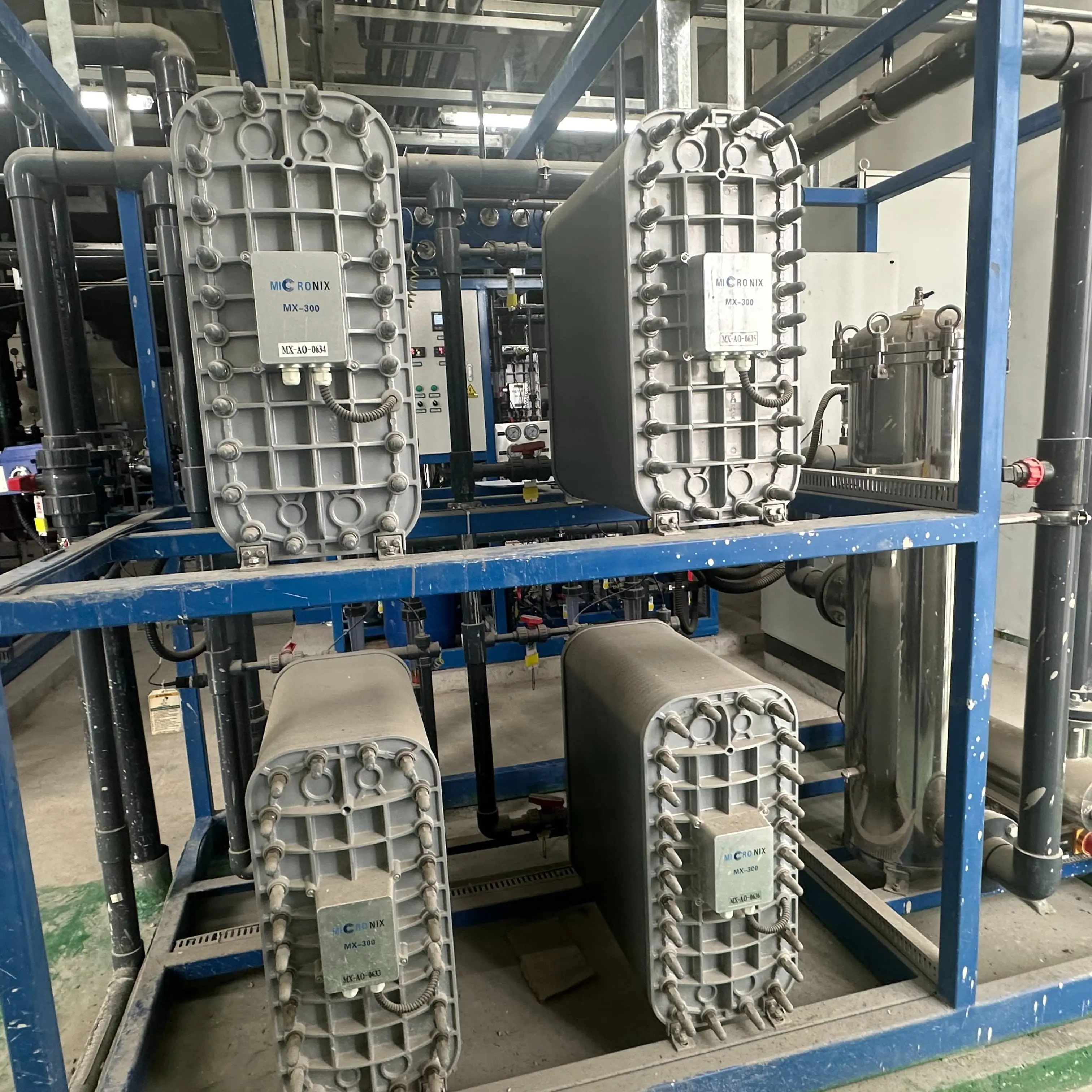
EDI ultrapure water system deionization technology
EDI technology combines two mature Water Treatment technologies - electrodialysis technology and ion exchange technology. my country calls this packed bed electrodialysis or electrodeionization technology. It mainly replaces the traditional ion exchange mixed bed to produce high-purity water.
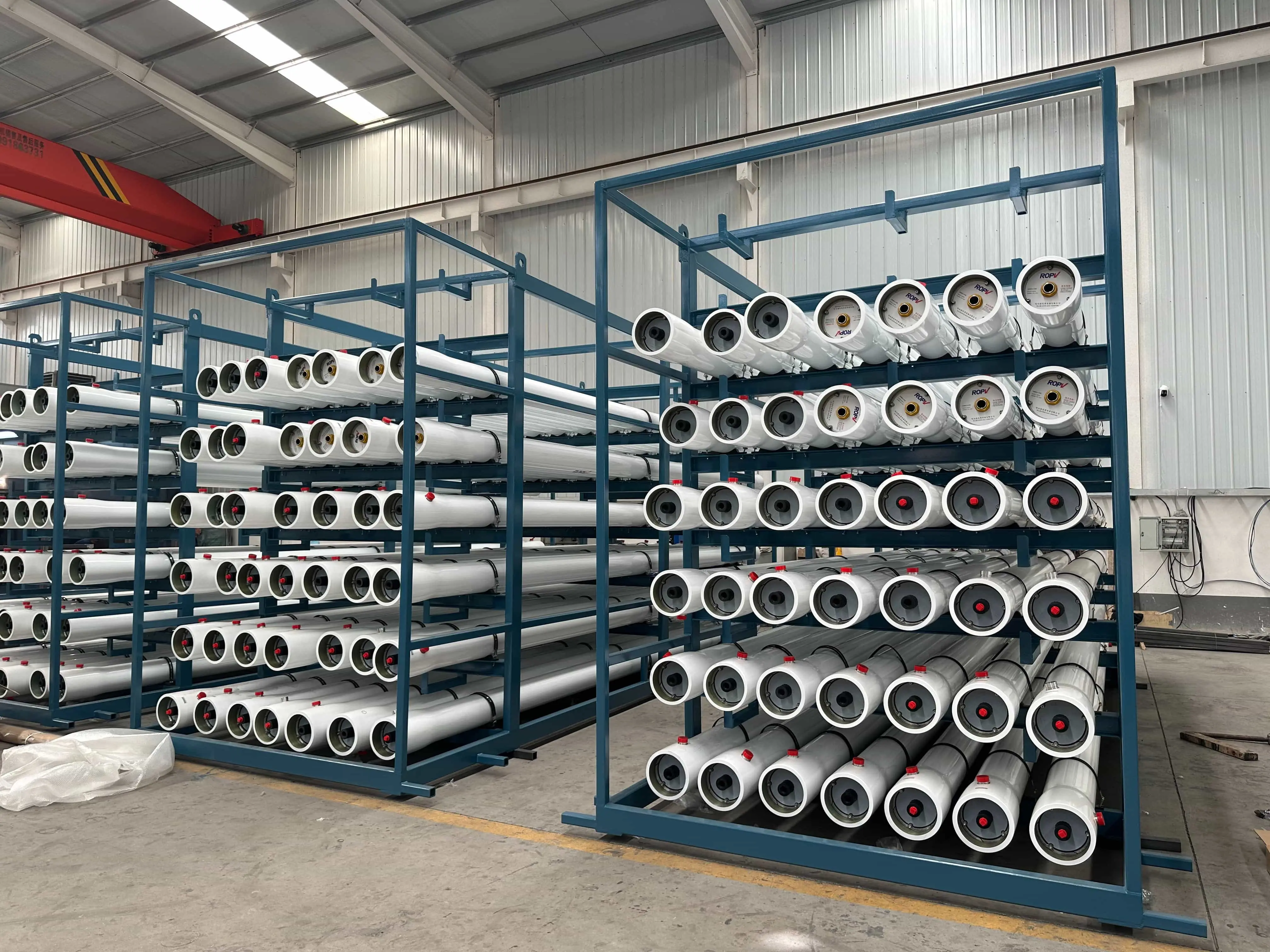
Several processes for pure water treatment (2)
IV. Ion exchange (IX) pure water treatment process
The principle of ion exchange is to exchange inorganic salt anions and cations in water, such as calcium ions Ca2+, magnesium ions Mg2+, sulfate SO42-, nitrate NO3-, etc., with ion exchange resins, so that the anions and cations in the water are exchanged with the anions and cations in the resin, thereby purifying the water.
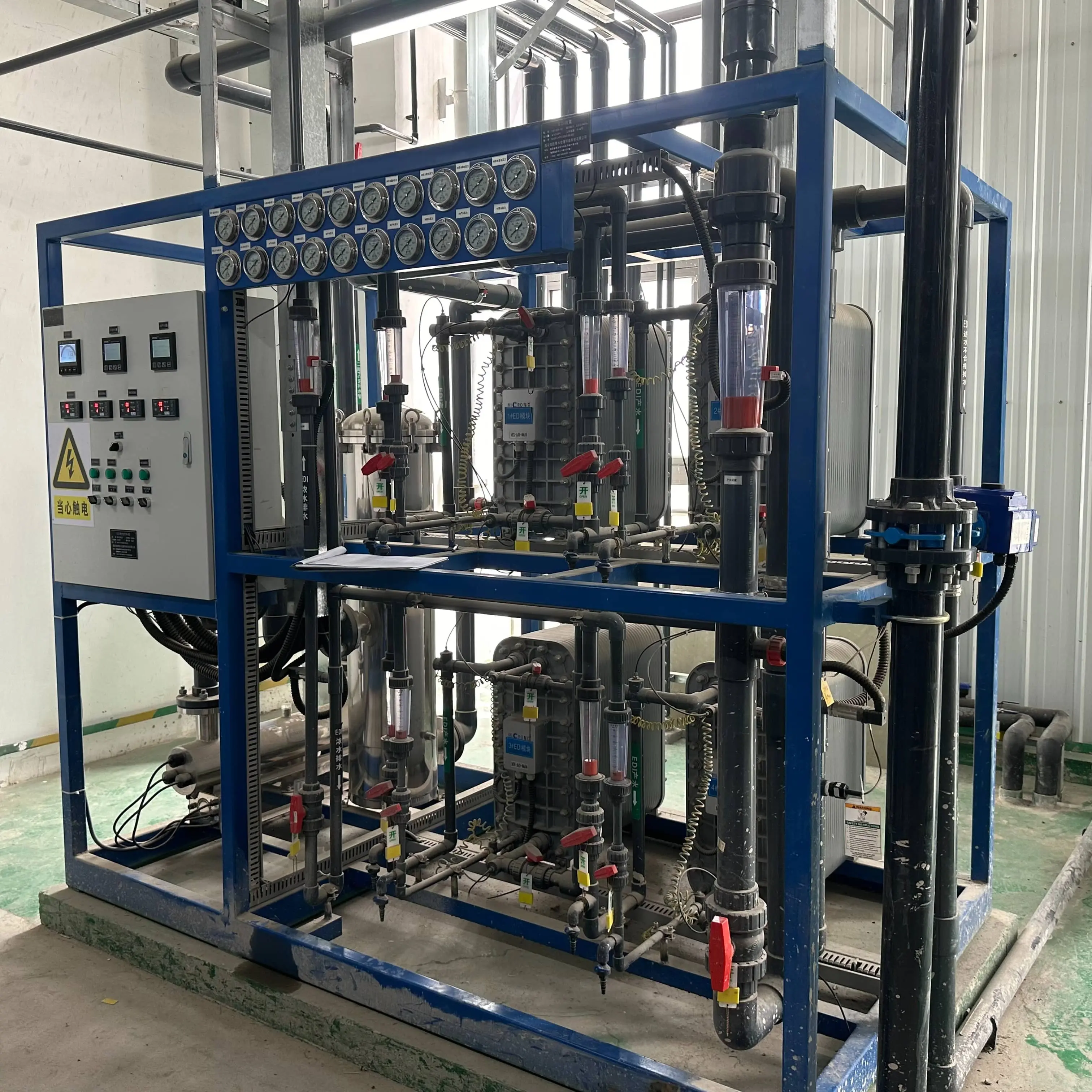
Several processes for pure water treatment (1)
Pure water refers to pure water. Generally, it uses city tap water as the water source and passes through multiple layers of filtration to remove harmful substances such as microorganisms, but it also removes minerals such as fluorine, potassium, calcium, and magnesium that are needed by the human body.
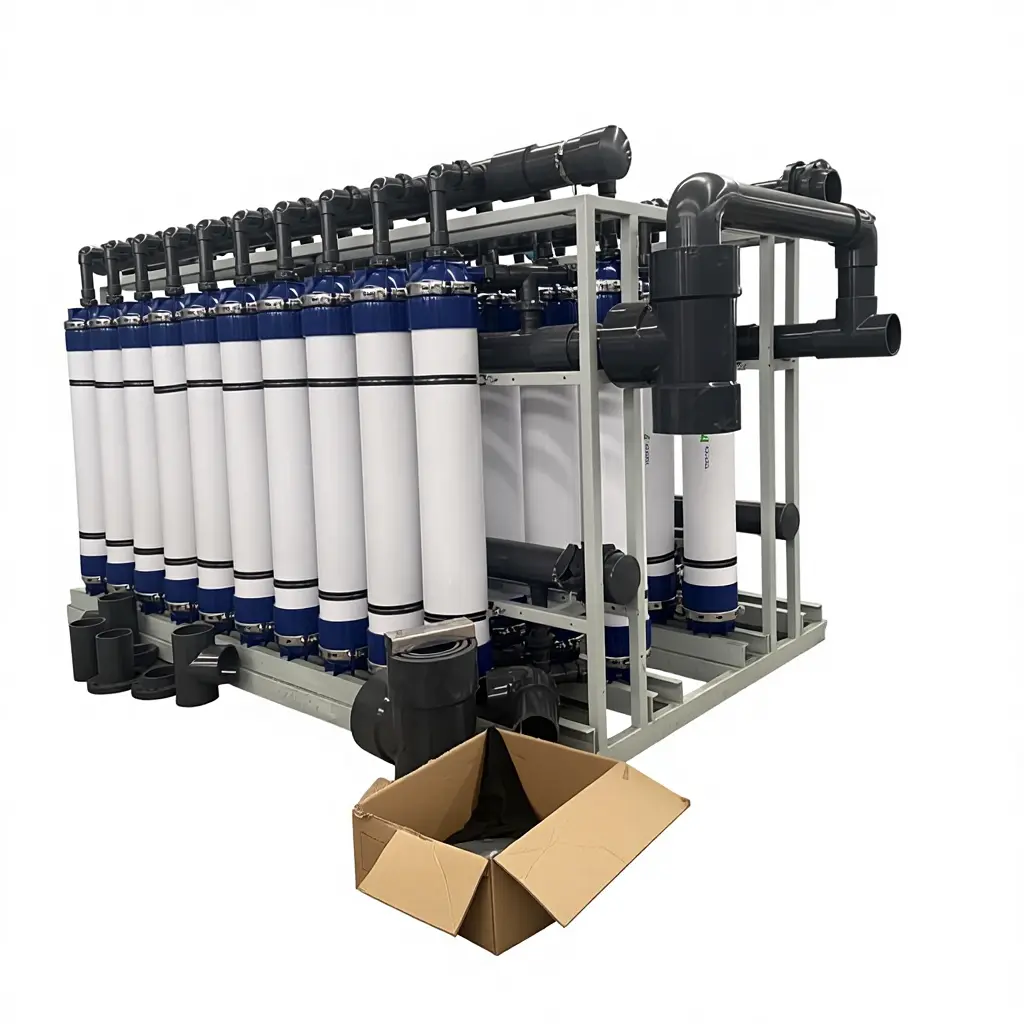
A brief talk about ultrafiltration membrane
What is ultrafiltration membrane?
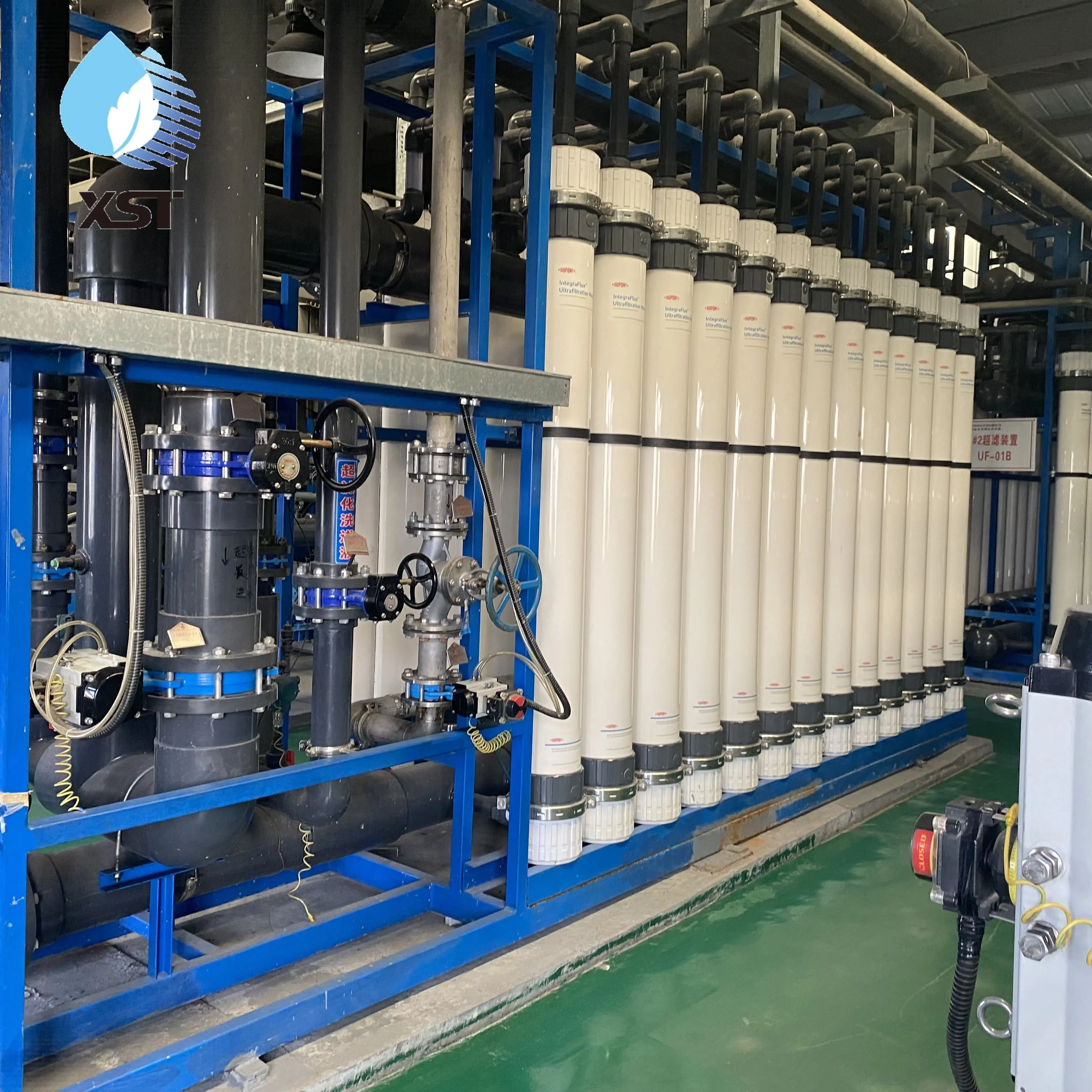
Ultrafiltration membrane is one of the earliest developed polymer membranes. It is a microporous filtration membrane with a rated pore size range of 0.001~0.02 microns. When appropriate pressure is applied to one side of the membrane, the solvent in the solution and some solutes with lower molecular weight penetrate from the tiny pores of the ultrafiltration membrane to the other side of the membrane, while solutes with higher molecular weight or some emulsified micelles are retained, thereby achieving the effect of filtration separation.
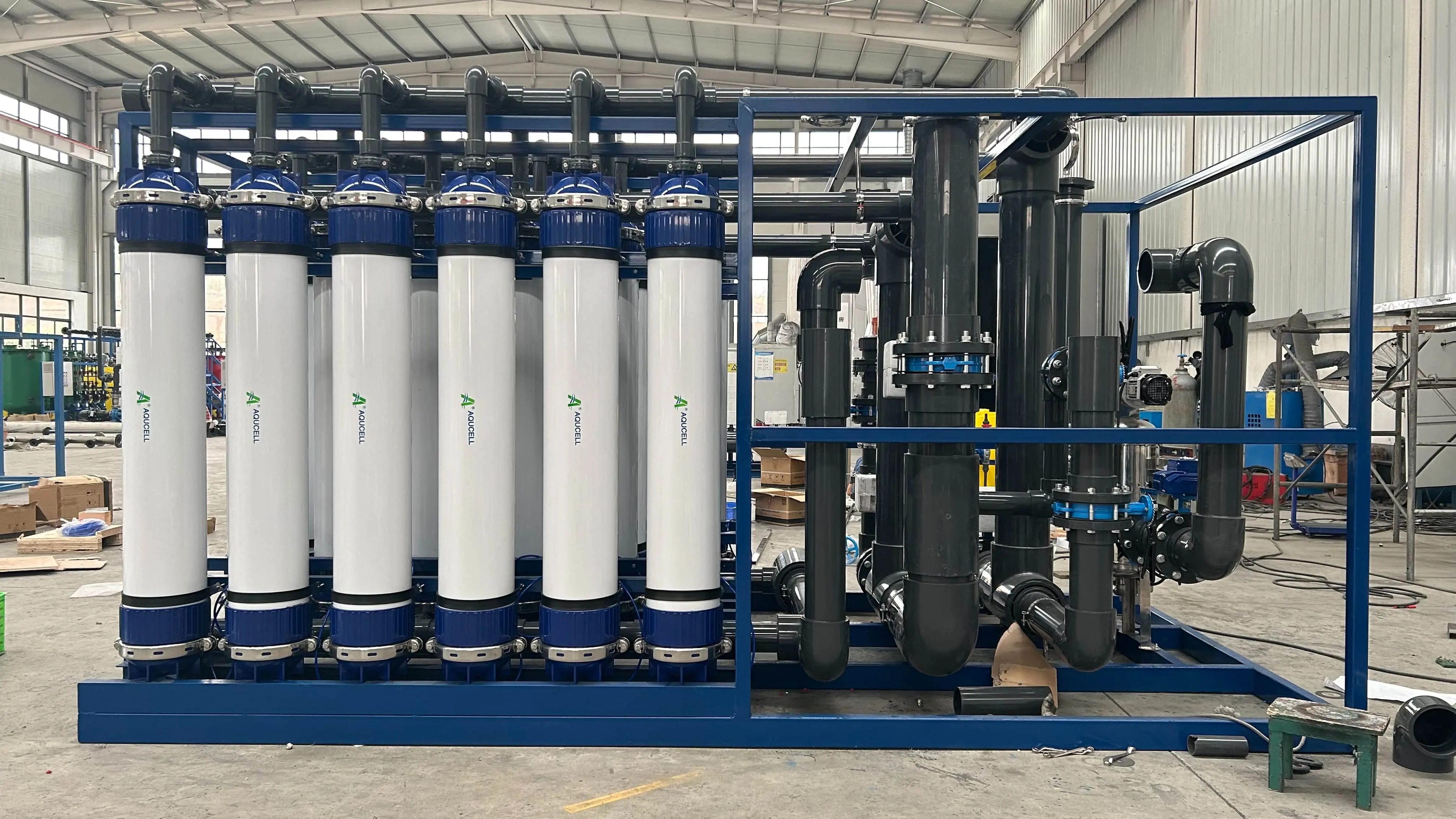
Application of ultrafiltration membrane technology in water treatment for environmental protection projects
Urban drinking water purification:
With the development of society, people have higher and higher requirements for drinking water safety, but at the same time, the pollution of urban water sources in my country is becoming increasingly serious. The water quality of direct water is increasingly unable to meet the standards of drinking water, so it is necessary to purify urban drinking water.
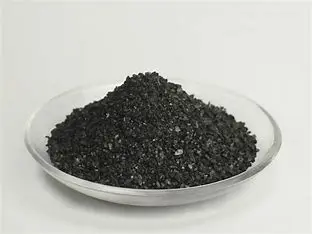
Multifunctional application of activated carbon in membrane water treatment
Activated carbon plays a key role in drinking water purification, industrial wastewater treatment and other fields due to its unique physical and chemical properties. Its core functions include:
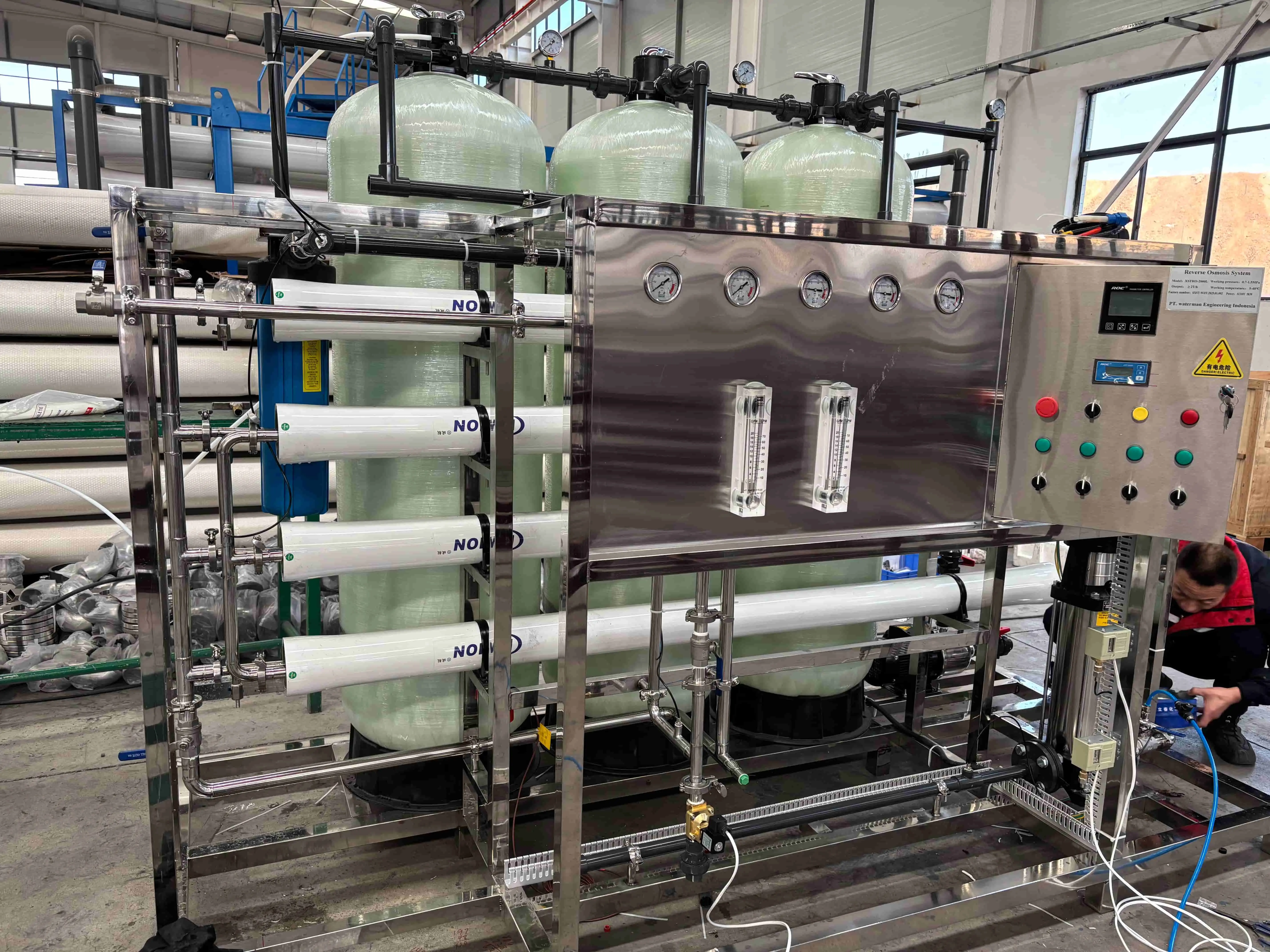
Dynamic correlation between reverse osmosis pollution type and pressure difference
During the operation of the reverse osmosis system, the fouling caused by different pollutants is significantly correlated with the change in pressure difference. Taking suspended solids, colloids and microbial pollution as an example, such substances usually gather at the head end of a membrane, causing local blockage of the flow channel.
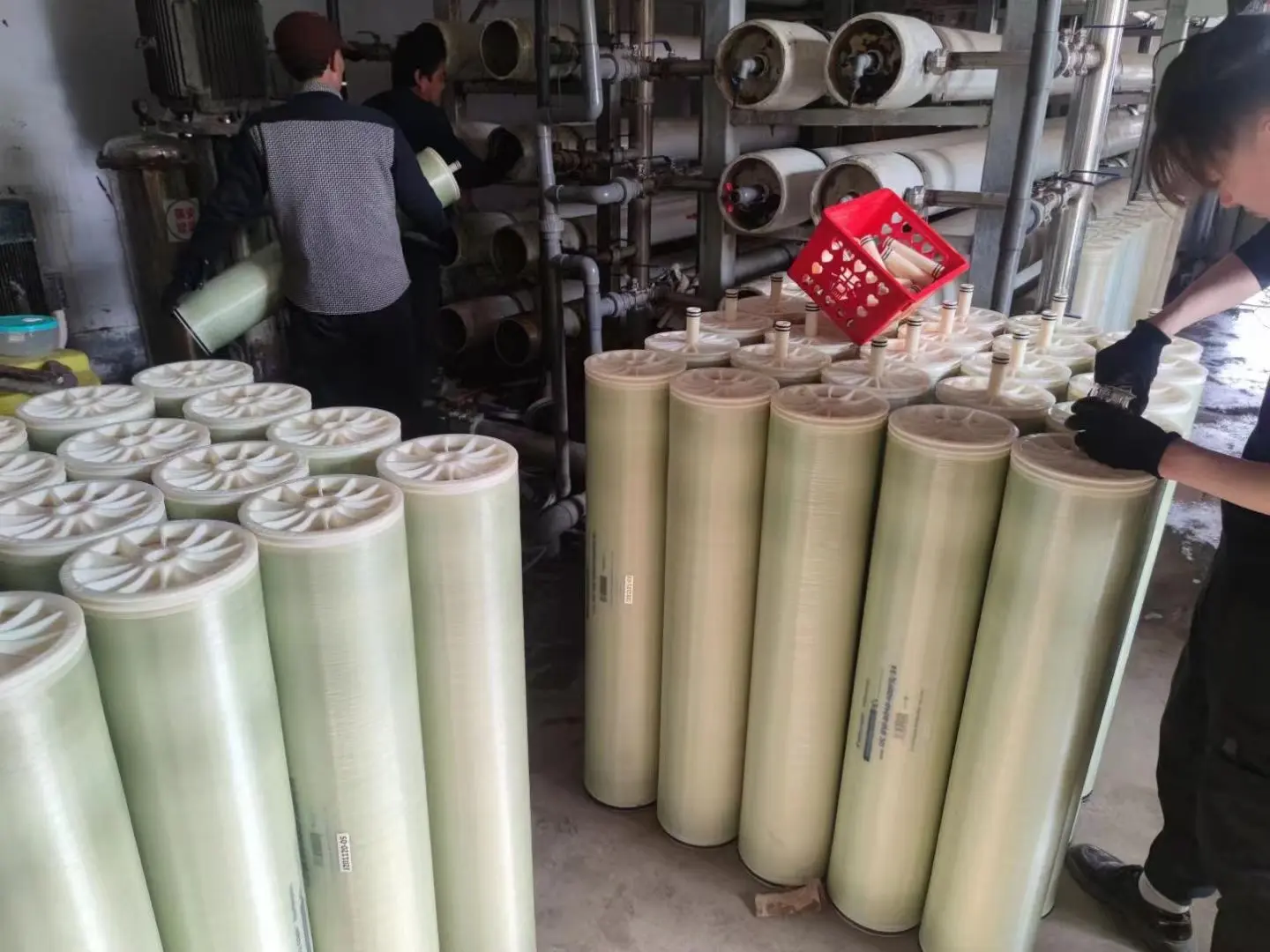
Failure cases caused by failure to follow the RO membrane installation steps
In previous projects, we often encountered cases where failure to follow the RO membrane element installation steps caused failures and caused the performance of RO membrane elements to decline.
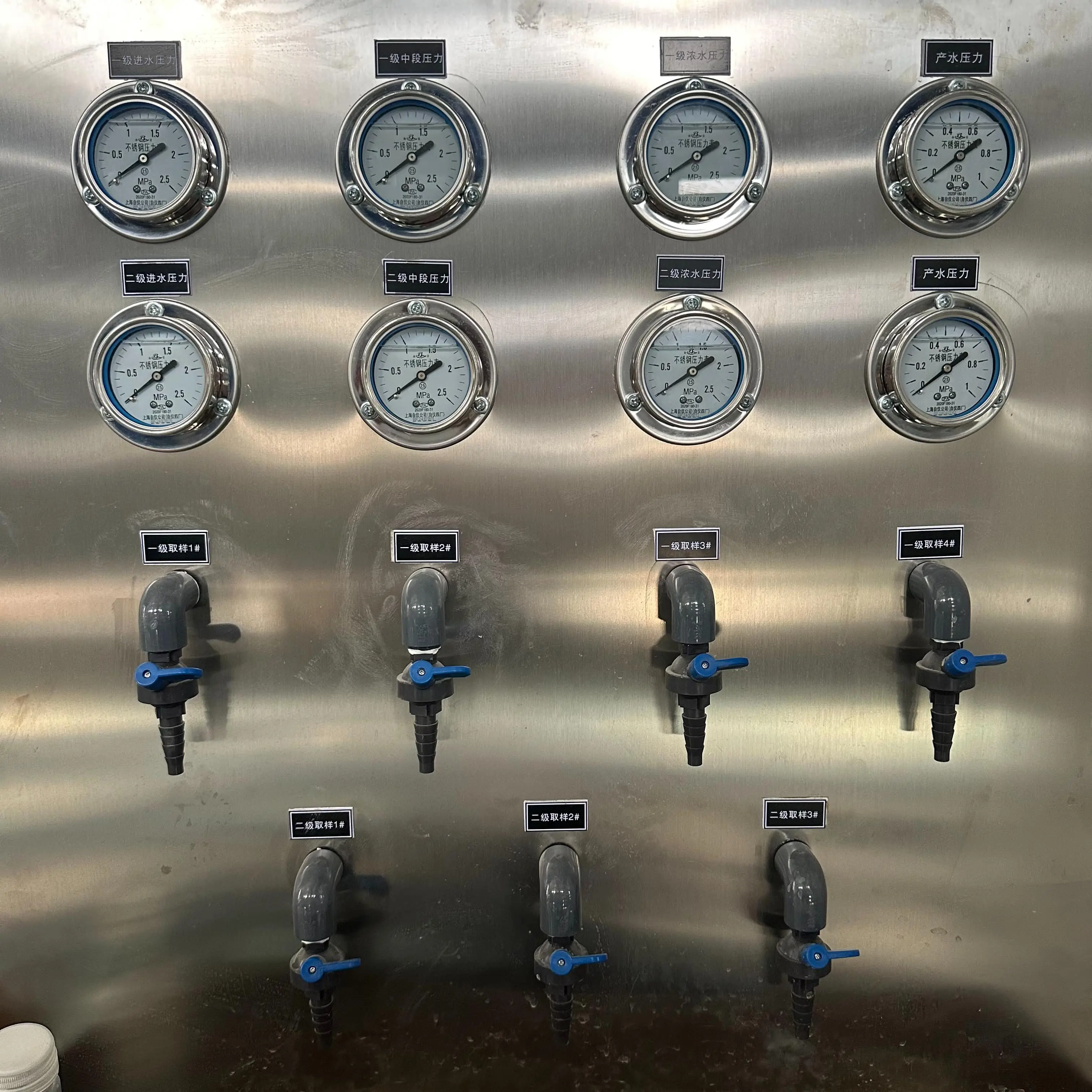
What common instruments are needed for reverse osmosis systems?
In order to ensure safe and reliable operation of the RO device and facilitate monitoring during operation, necessary instruments and control devices should be installed. Generally, the instruments that need to be installed are temperature meters, flow meters, pressure gauges, conductivity meters, oxidation potential meters, chlorine meters, and pH meters. The details are as follows: