








News
How to Decide Whether to Use a 4" or 8" Element for Reverse Osmosis?
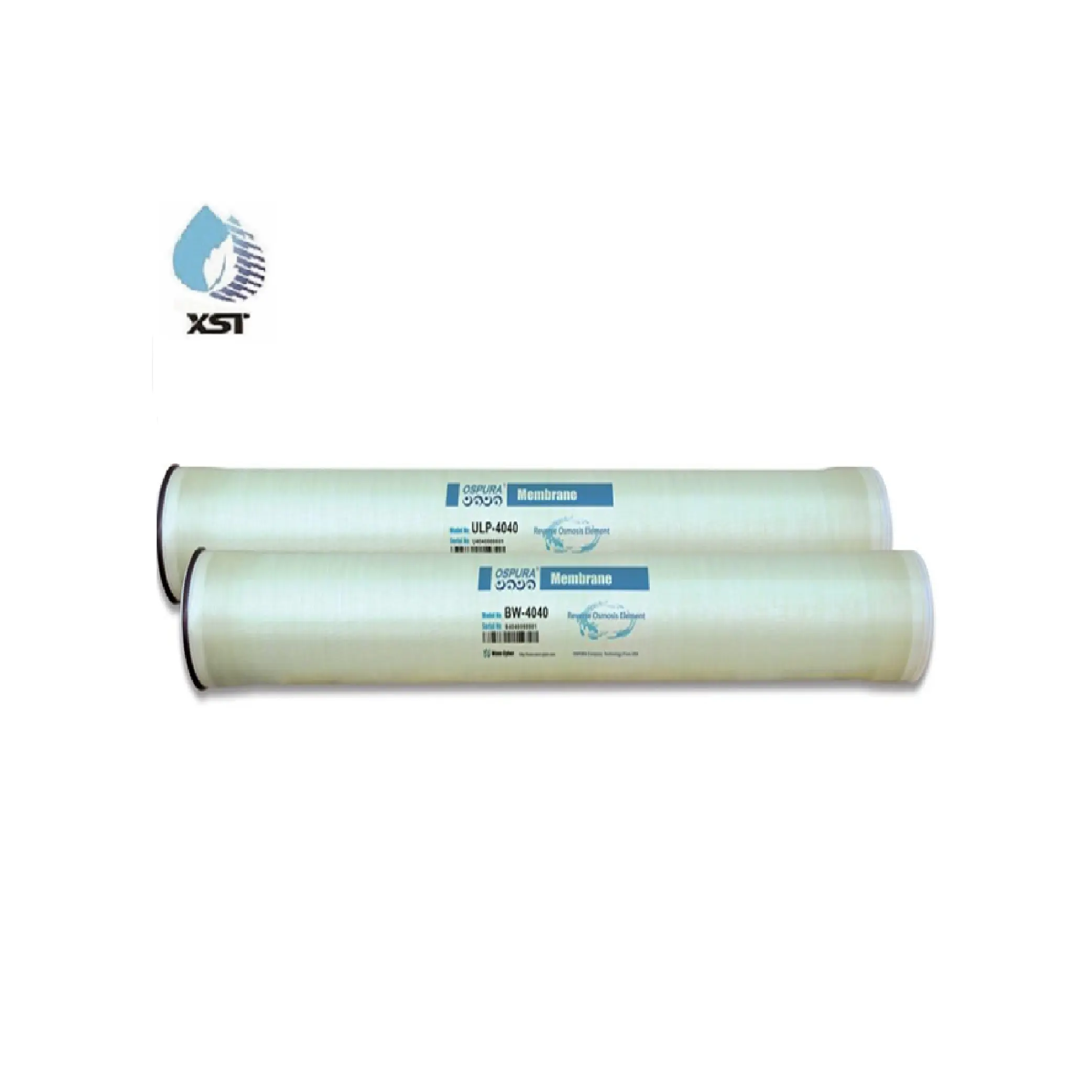
In water treatment system design, the selection of Reverse Osmosis membrane elements directly impacts system efficiency and cost. Given the two mainstream sizes, 4-inch (4040) and 8-inch (8040), the decision is far more than a simple "size" decision; it requires a careful balance based on source water characteristics, system scale, and overall economics.
What is the maximum permissible downtime for a reverse osmosis system without flushing?
There's no fixed, universally applicable maximum downtime for a reverse Osmosis System without flushing. It depends on a combination of several key factors. Neglecting flushing could lead to irreversible membrane performance degradation or even failure.
What common instruments are required for reverse osmosis operation?
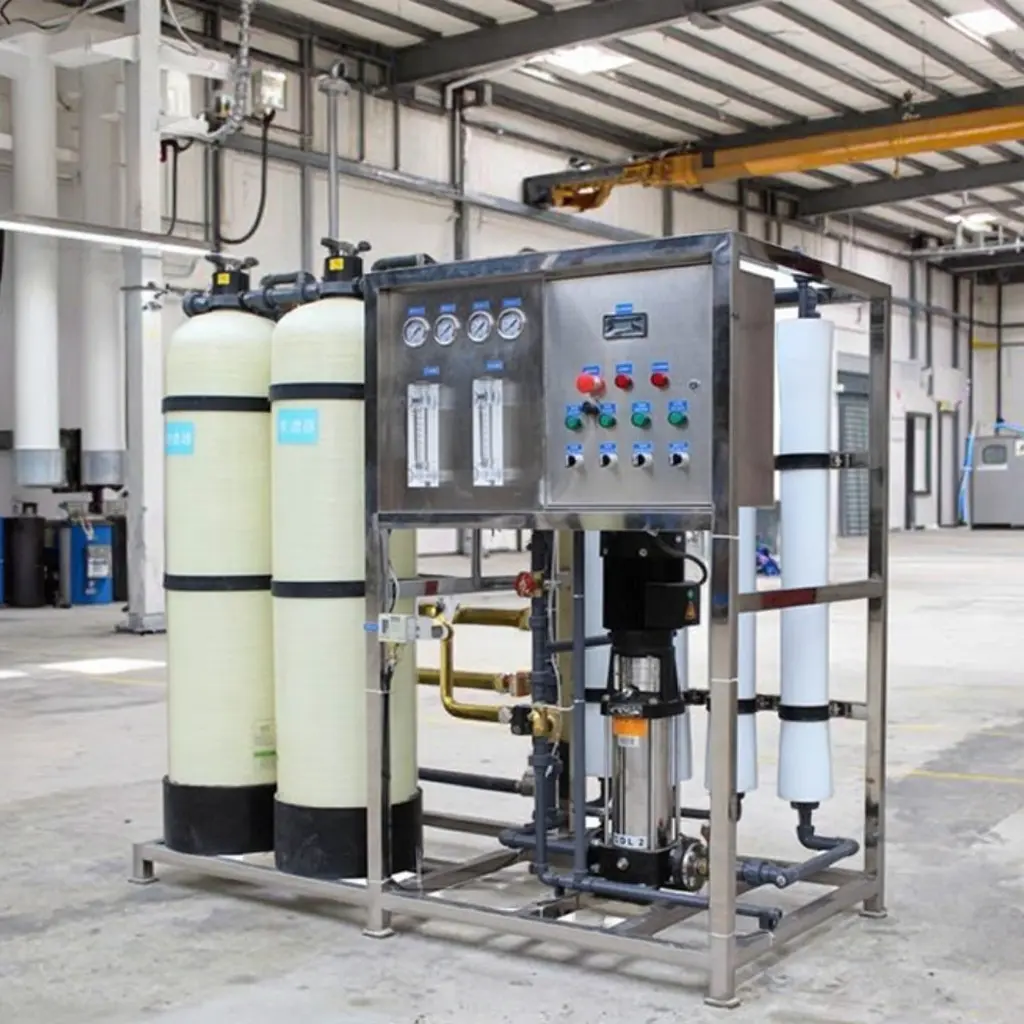
This is a list of essential instruments for reverse osmosis system operation. These instruments serve as the "eyes" and "ears" for ensuring safe, stable, and efficient system operation and meeting water quality standards:
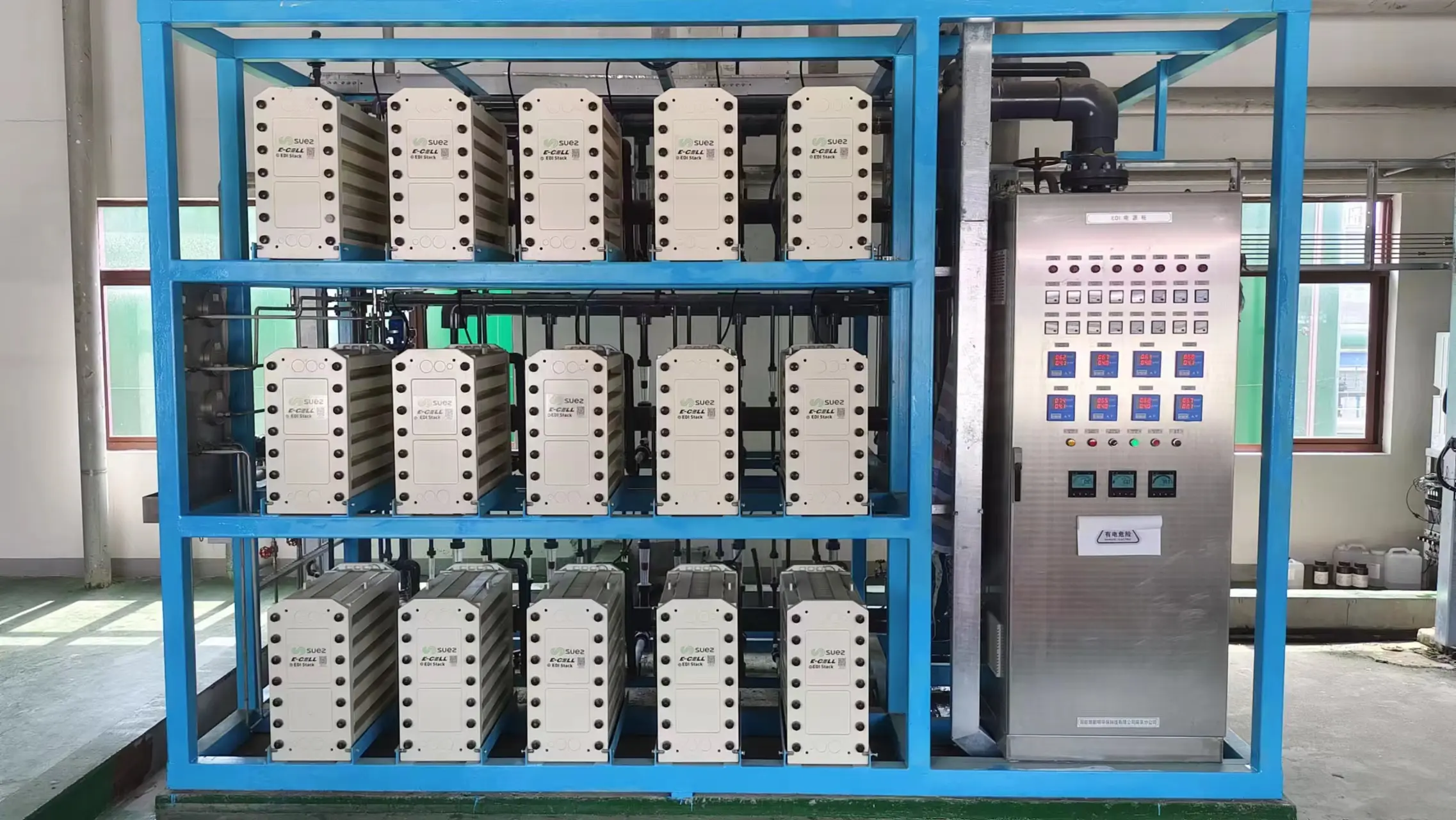
Why does EDI design require a flow rate range?
Unlike traditional ion exchange or reverse osmosis, EDI is an electrochemically driven continuous deionization process. Its core is to maintain a dynamic balance of hydraulic conditions within the dilute, concentrate, and cathode chambers. Flow rate is one of the key variables in this balance.
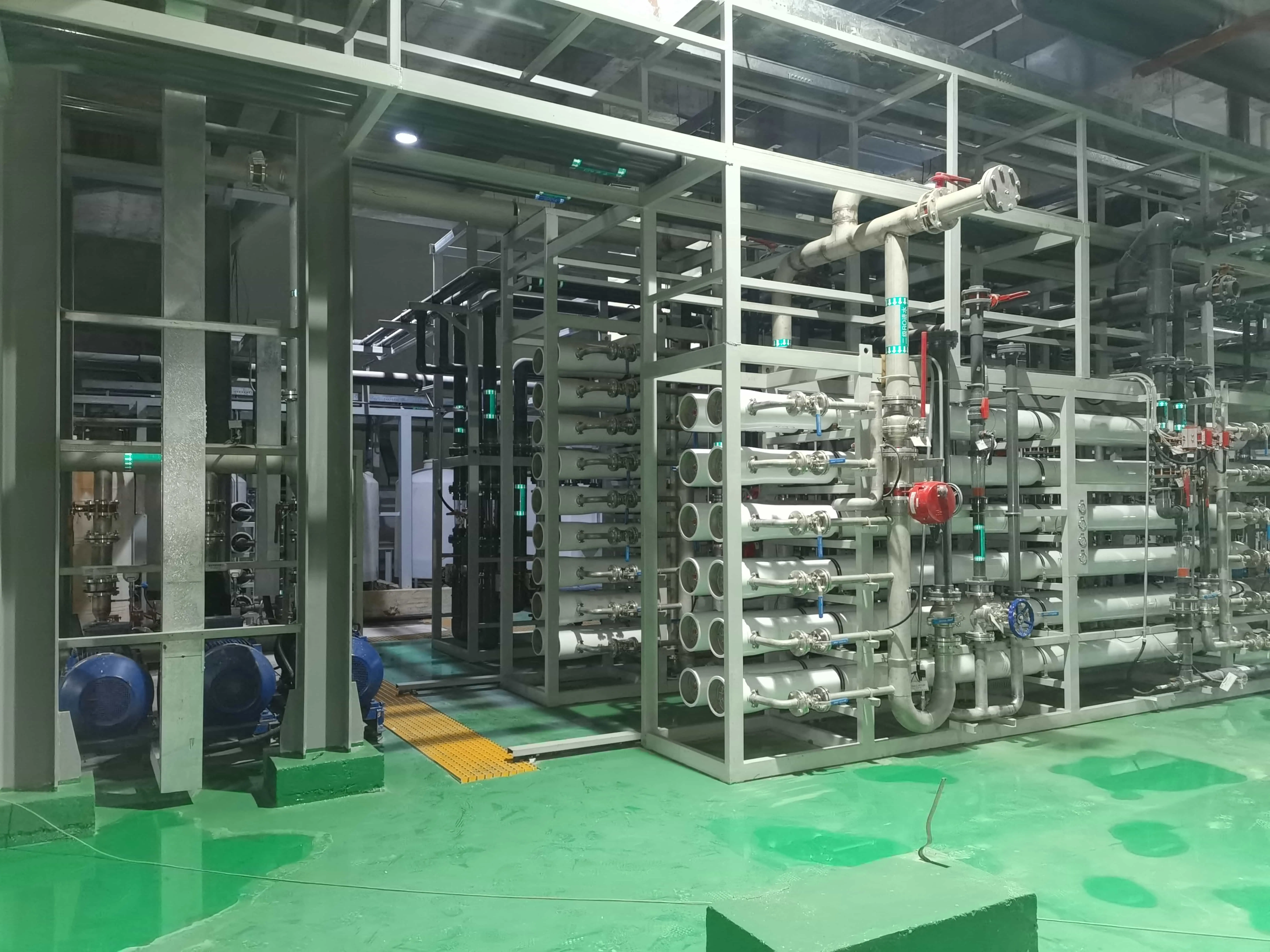
Analysis and Solutions for Siphoning in Reverse Osmosis and Ultrafiltration Systems
I. Causes of Siphoning
The siphon effect in membrane systems is typically caused by system downtime or pressure imbalance. Specific causes are as follows:
1. Driven by Liquid Level Difference During Downtime
When the system is down, the inlet pump stops operating, causing a sudden drop in pressure on the inlet side. If there is a high-level reservoir in the product water pipeline or the outlet is lower than the membrane assembly (for example, the product water tank is higher than the membrane), the liquid level difference will create a siphoning force (ΔP = ρgh, where ρ is the liquid density, g is the acceleration due to gravity, and h is the liquid level difference).
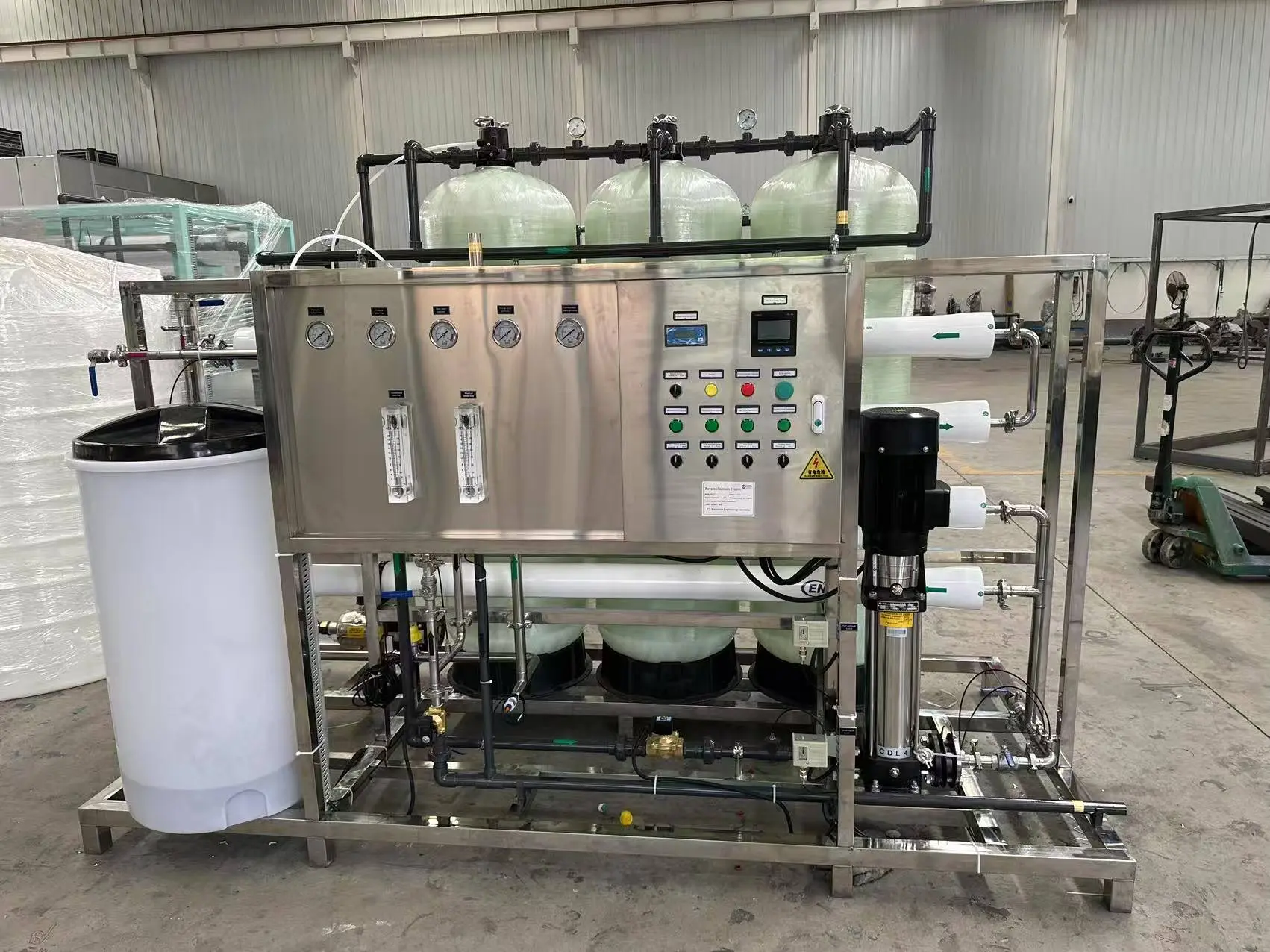
Causes and Countermeasures of Silica Contamination in Reverse Osmosis Operations
Silica contamination in reverse osmosis systems is a thorny issue in water treatment, with complex causes and high remediation costs.
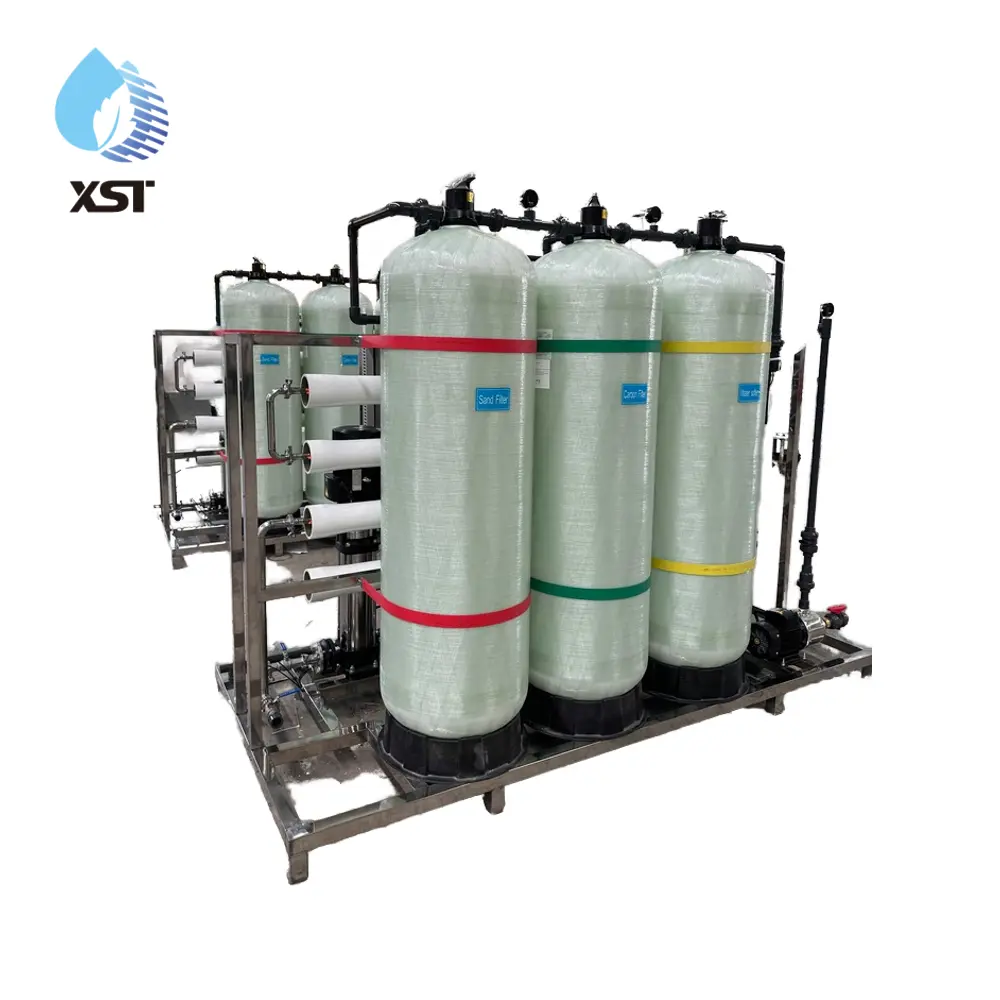
How to protect the reverse osmosis device when it is shut down?
The purpose of the reverse osmosis device shutdown protection is: ① to avoid the growth and contamination of organisms; ② to prevent the formation of metastable salts and scaling in the presence of scale inhibitors when the membrane is shut down, resulting in performance degradation.
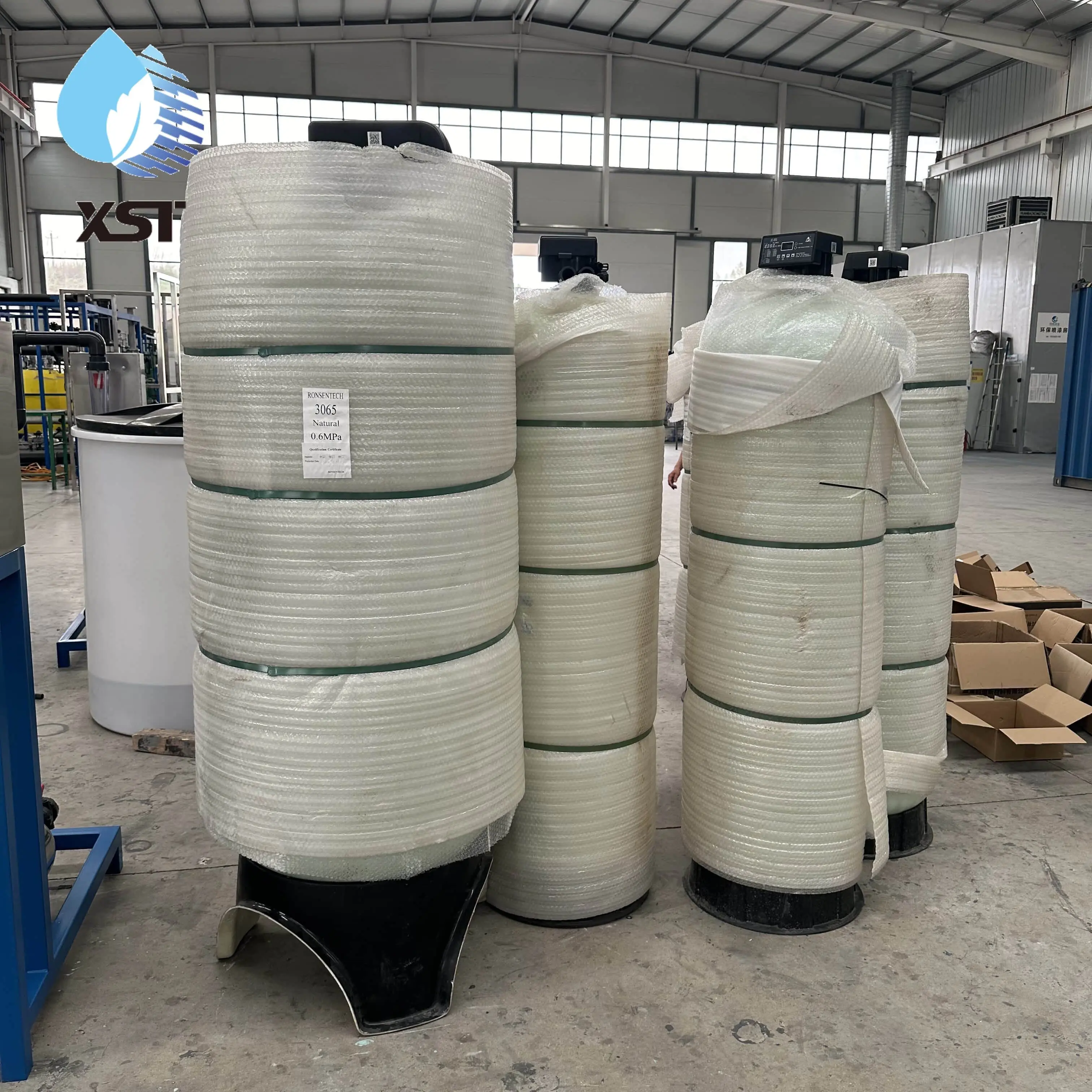
Common processes for softening pretreatment of high-salt wastewater 1
High-salt wastewater usually contains high concentrations of calcium, magnesium, silicon ions and heavy metals, and needs to be softened pretreatment to reduce the water hardness to meet the requirements of subsequent membrane concentration or evaporation crystallization processes. The current mainstream softening technologies include chemical precipitation, membrane separation and ion exchange.
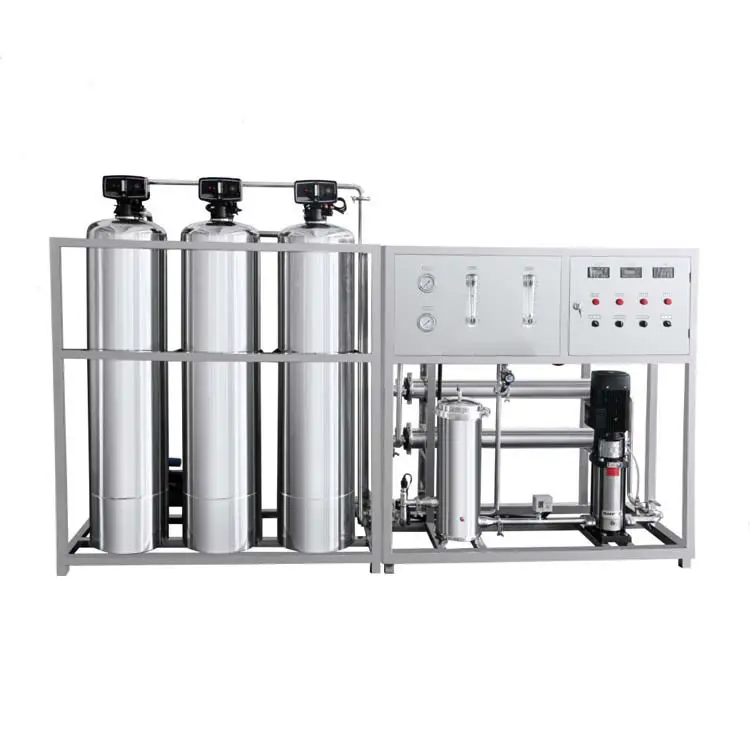
Water treatment knowledge | Ultrapure water equipment is also needed in the automotive manufacturing field? What is its role?
If you are not in the industry, many people may not know that pure water equipment is also needed in the new energy vehicle manufacturing industry. Why is this? We only know that chips are core components of communication electronic products, but we don’t know that they are also an important part of the automobile manufacturing in the new energy industry, which is in full swing. It is indispensable.
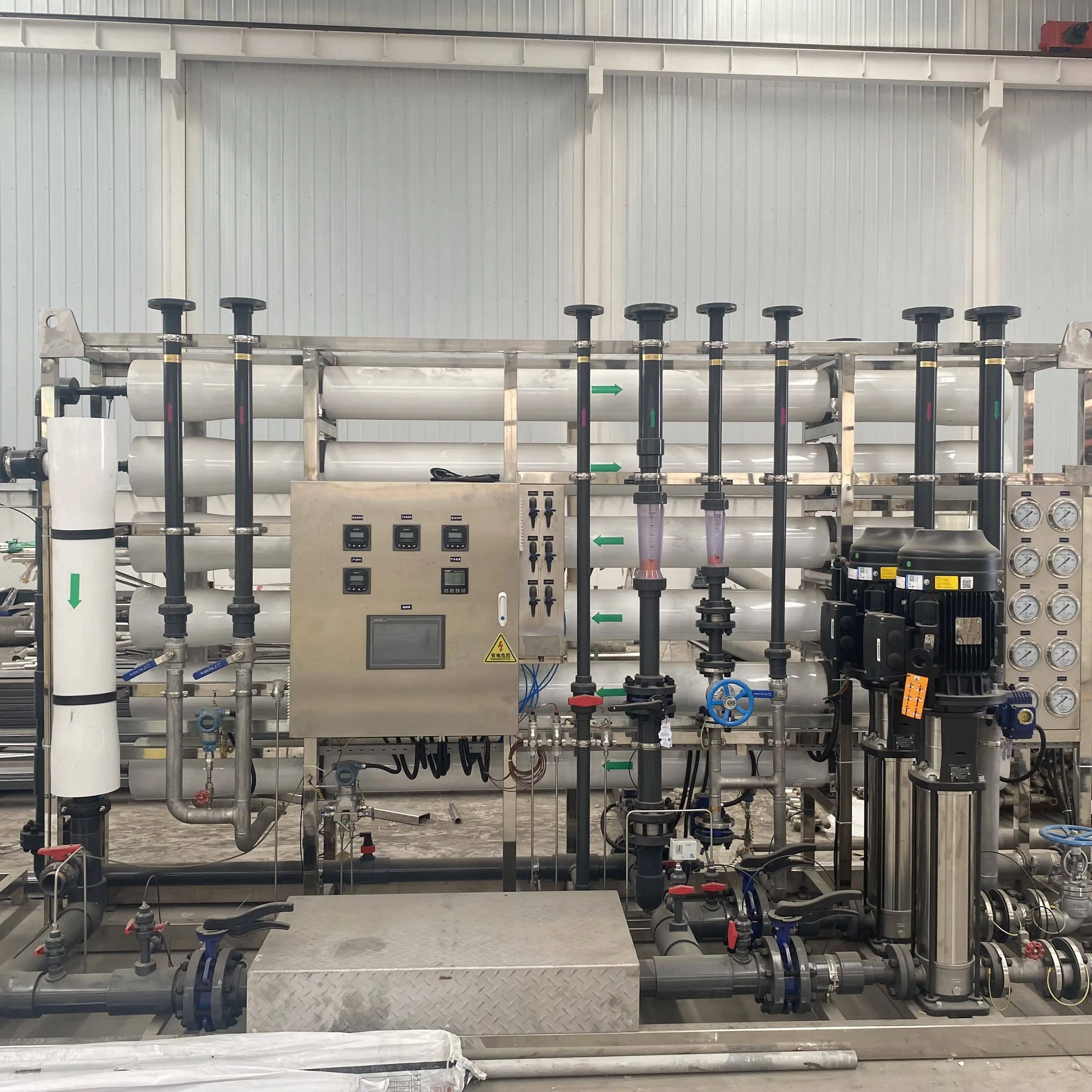
How to understand water quality based on the relationship between hardness and alkalinity?
Hardness and alkalinity in natural water are important indicators of water quality. Hardness mainly refers to the total concentration of calcium ions (Ca²⁺) and magnesium ions (Mg²⁺) in water, while alkalinity is mainly determined by bicarbonate ions (HCO₃⁻). The relationship between the two directly affects the composition of dissolved salts in water, and thus reflects the chemical properties of the water body. According to the concentration ratio of the two, it can be divided into the following three situations: