







News
Industrial Pure Water Equipment Introduction
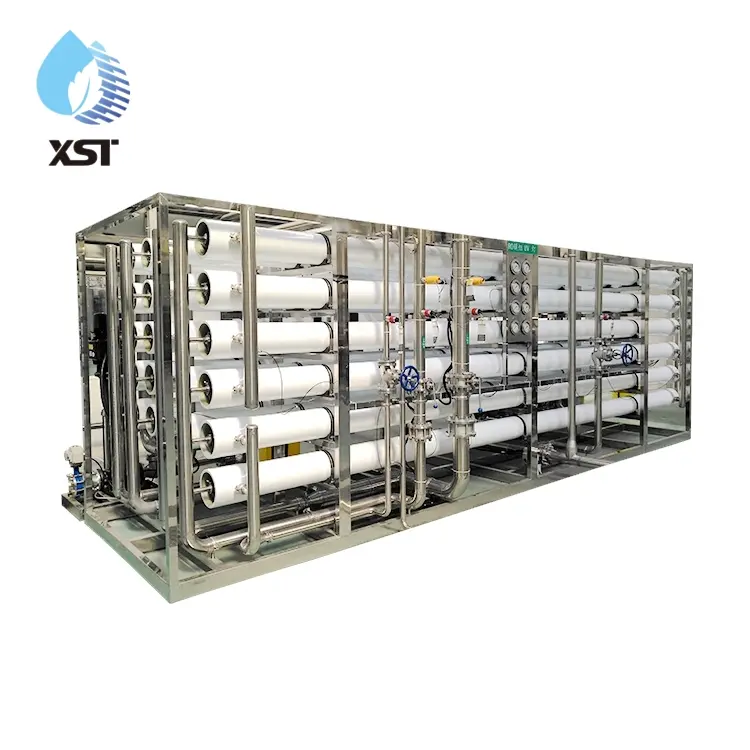
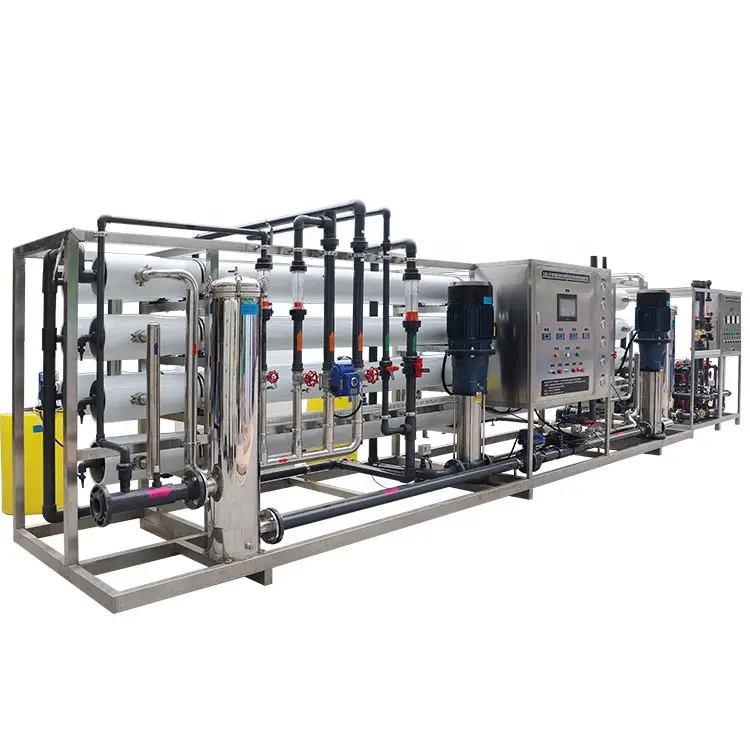
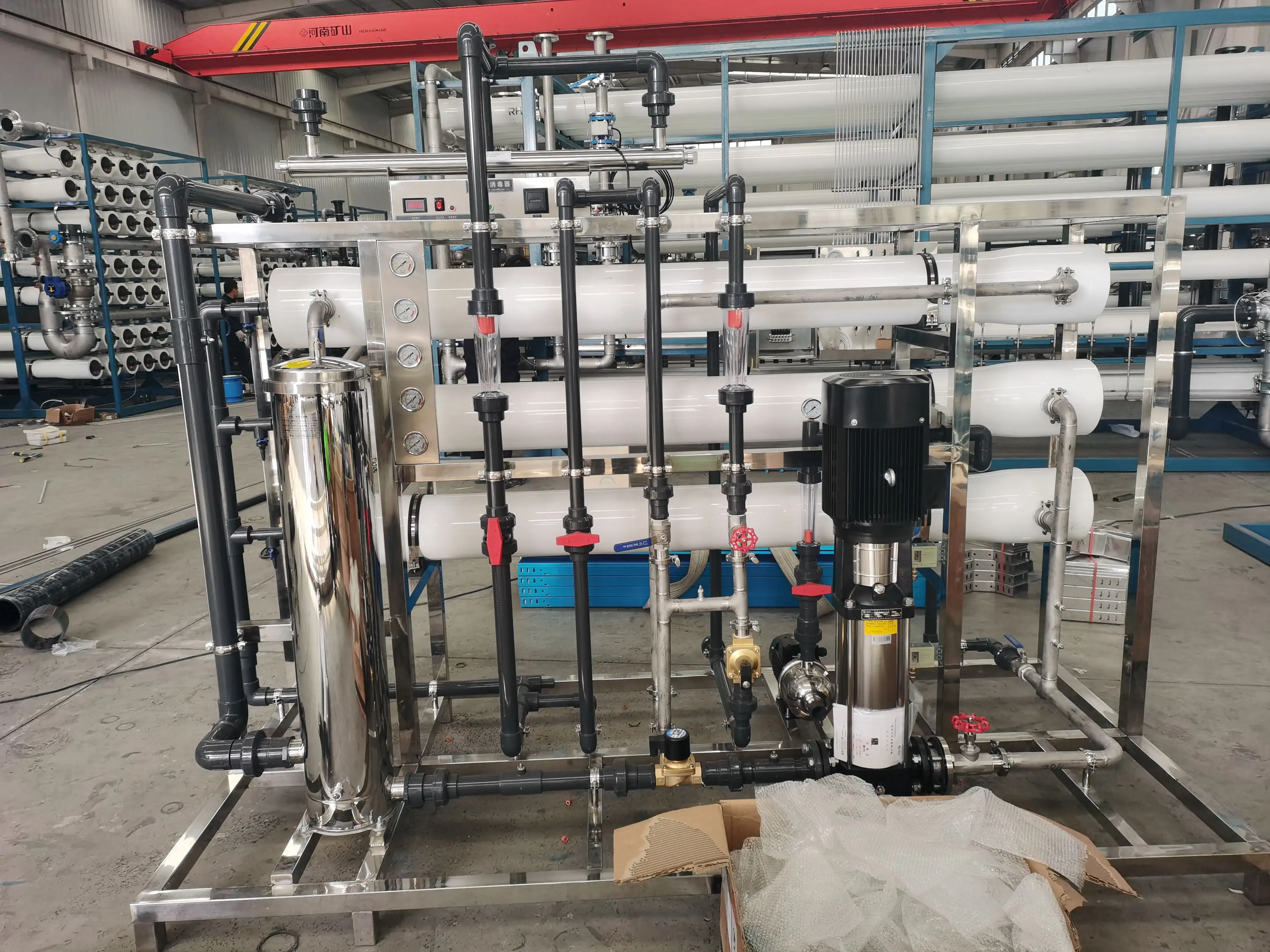
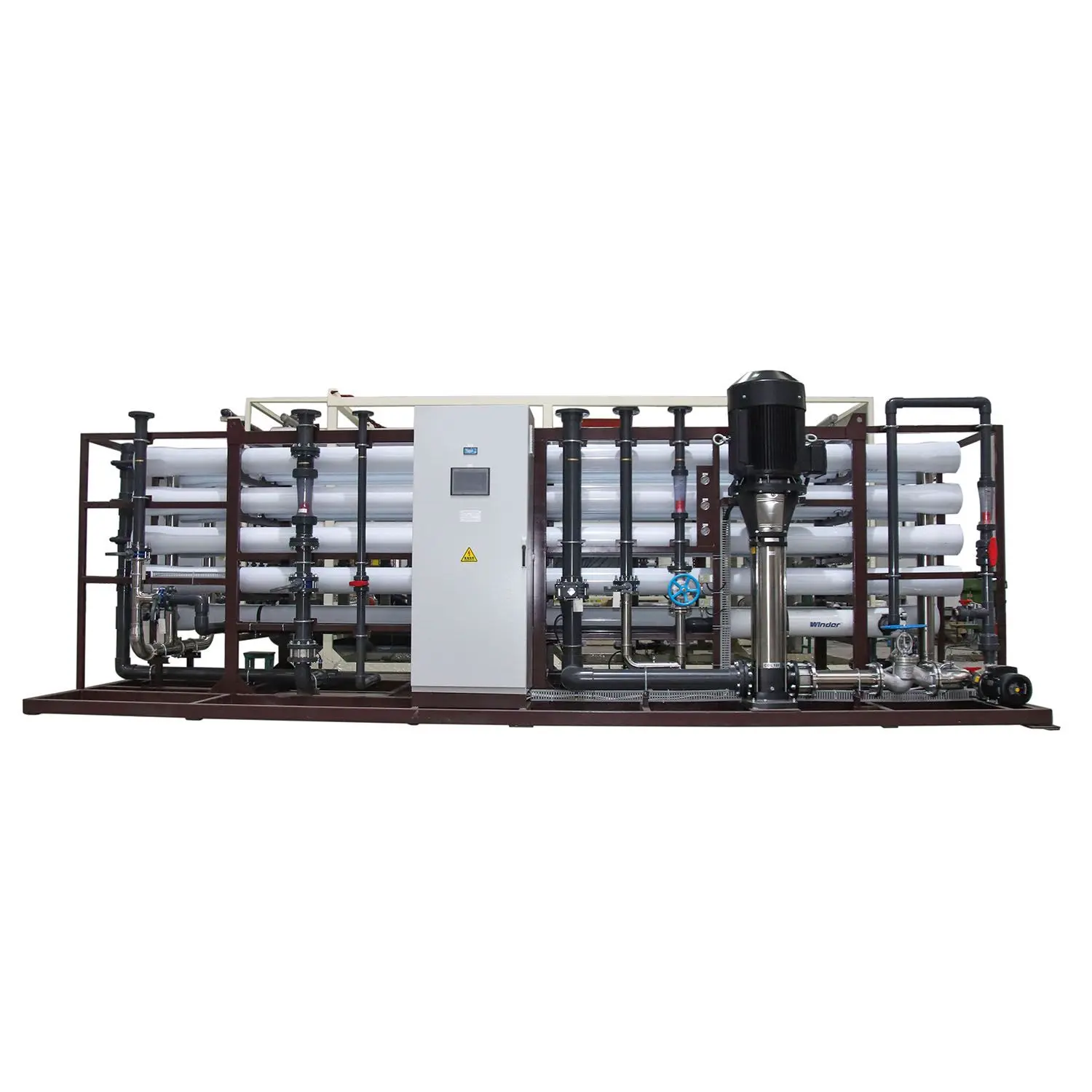
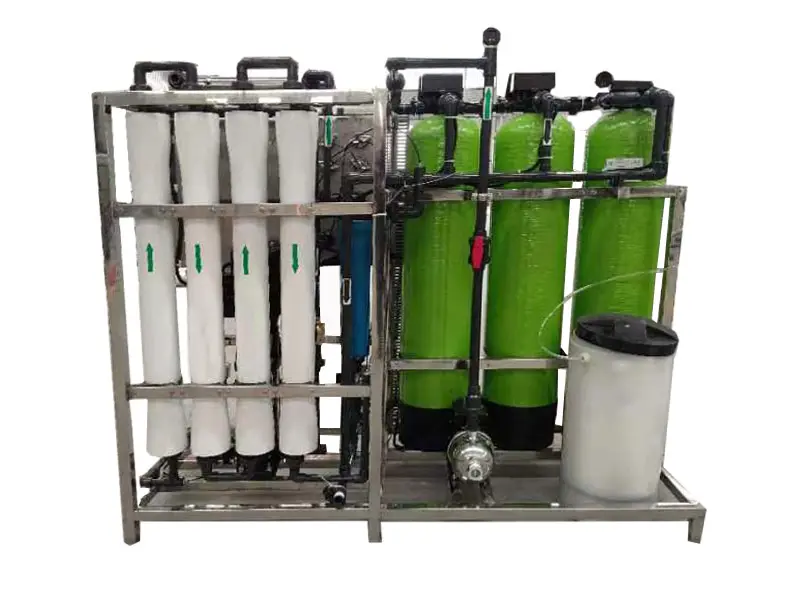
Pure water equipment is commonly known as reverse osmosis pure water equipment, reverse Osmosis Water purification equipment, reverse osmosis water equipment, water treatment reverse osmosis equipment, deionized water equipment, reverse osmosis pure water machine, etc.
Why are water treatment equipment becoming increasingly necessary in various places?
Why do we need Water Treatment equipment?
The tap water we use daily undergoes multiple filtration processes to remove large particles and is disinfected. After testing at the water treatment plant, the water meets national standards before being discharged to households through numerous pipes and pressurized storage tanks. Before reaching households, the water pipes traverse complex terrains, sometimes resulting in damaged or unrepaired pipes. This can lead to minor intersections between water pipes and sewage pipes, causing water contamination.
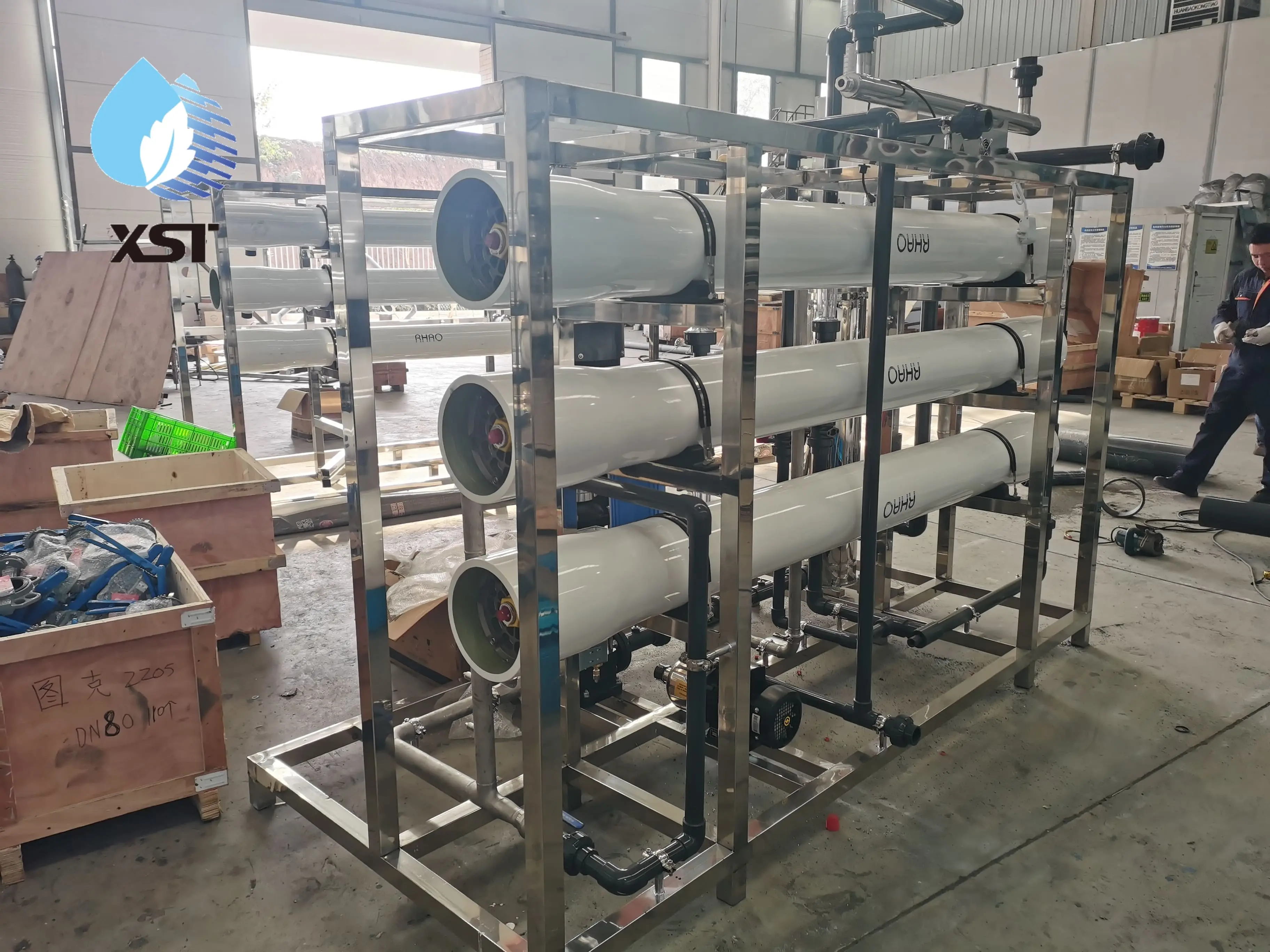
The Impact of Feed Water Salinity on Reverse Osmosis Systems
Feed water salinity, usually expressed as total dissolved solids (TDS), is the sum of the concentrations of all inorganic salts (such as sodium, calcium, magnesium, chloride, sulfate, etc.) in the water. It is one of the most critical parameters in the design, operation, and economic efficiency of a reverse osmosis system, and its impact is comprehensive and interconnected.
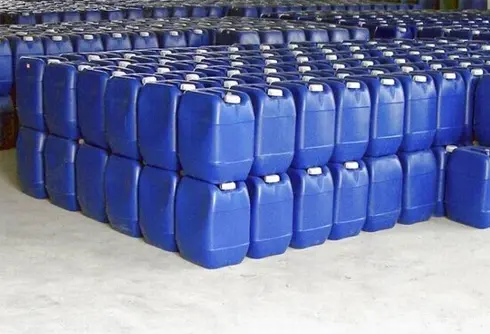
Reverse Osmosis Antiscalant vs. Circulating Water Antiscalant
1. Circulating water antiscalant is a compound of organophosphonates, multi-component copolymers, and corrosion inhibitors, exhibiting good chemical and thermal stability and resistance to hydrolysis.
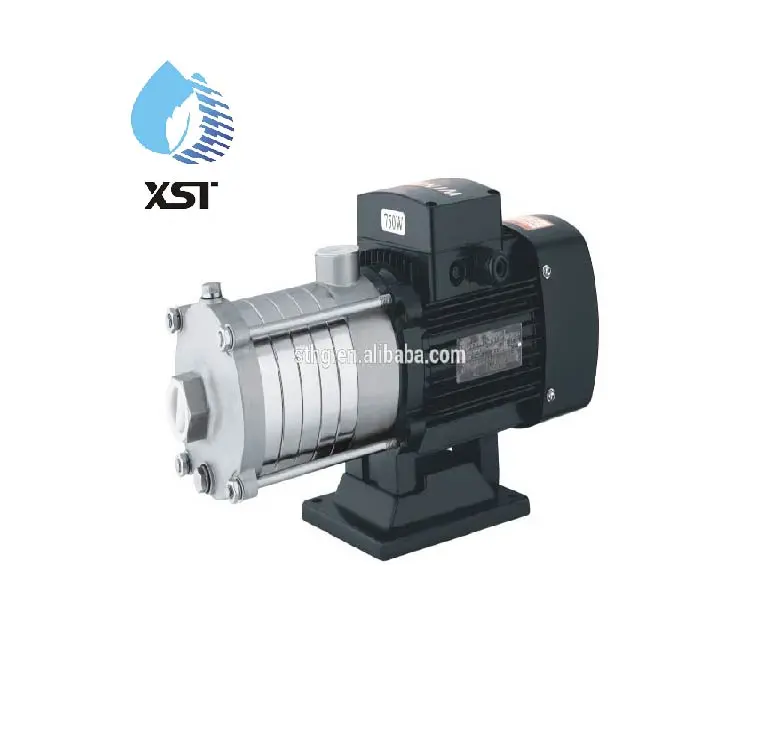
The Impact of Oversized or Undersized Pumps
Engineers often worry about being too conservative in their system designs. Many uncertainties exist during the design process, including variations in actual operating conditions, changes in fluid characteristics, equipment aging over time, and pipe scaling. Engineers use design factors to account for these factors and prevent undersized selection/purchase. They also account for the effects of aging on the system.
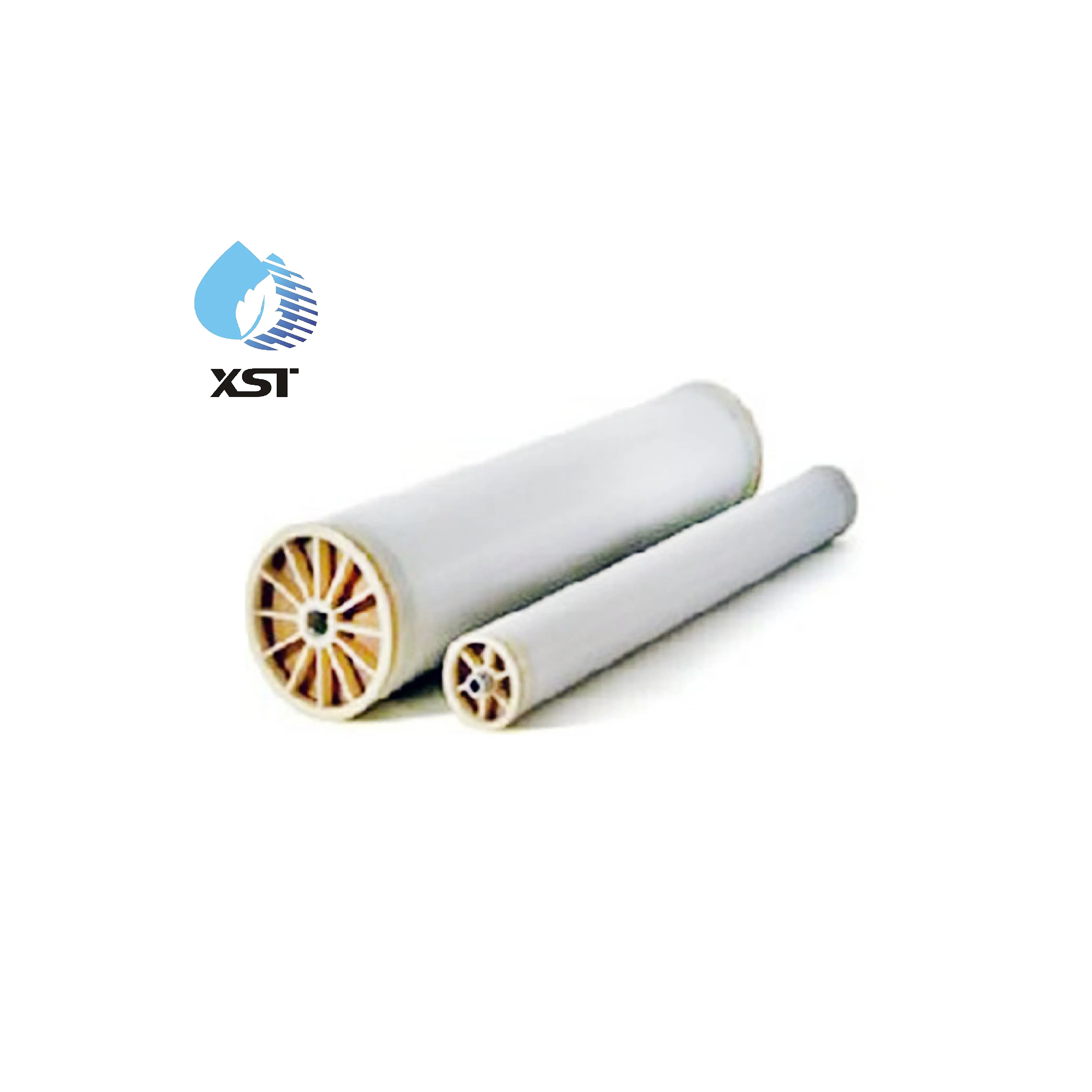
How to determine whether to use a 4" or 8" membrane element for reverse osmosis?
According to the membrane company's design guidelines, the recommended average water flux is 8-14 gfd (using surface water as the feed water source), 14-18 gfd (using groundwater as the feed water source), and 20-30 gfd (using permeate from the first-stage reverse osmosis system as feed water to the second-stage reverse osmosis system).
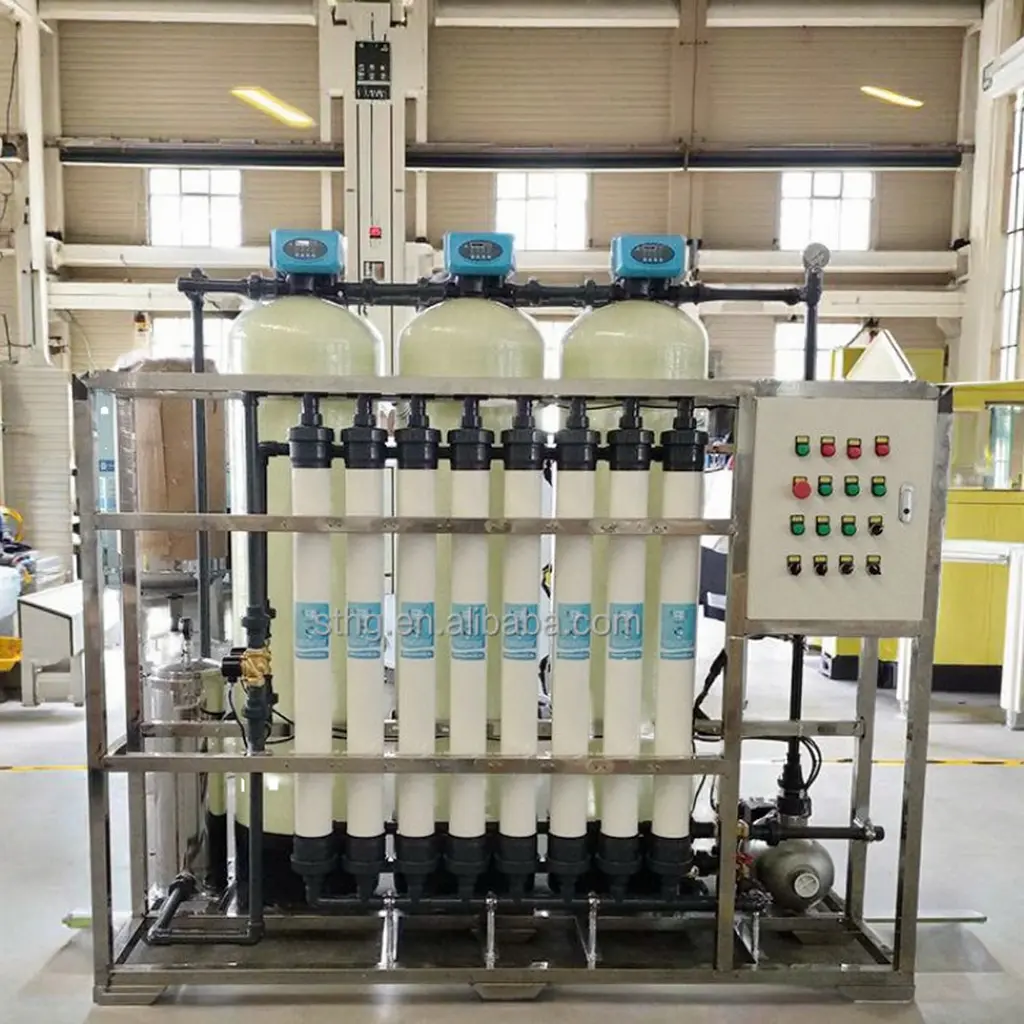
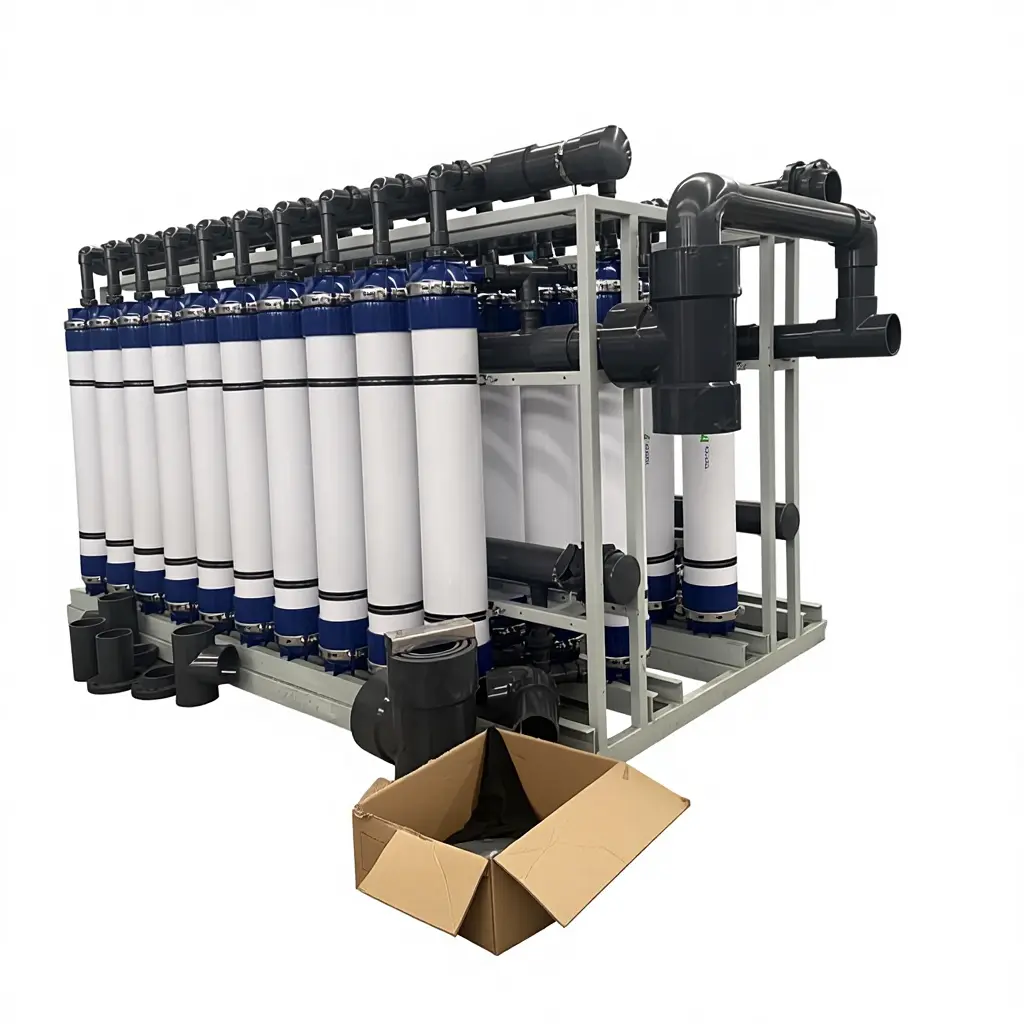
Analysis of the Application Scope of Ultrafiltration Equipment in Various Fields
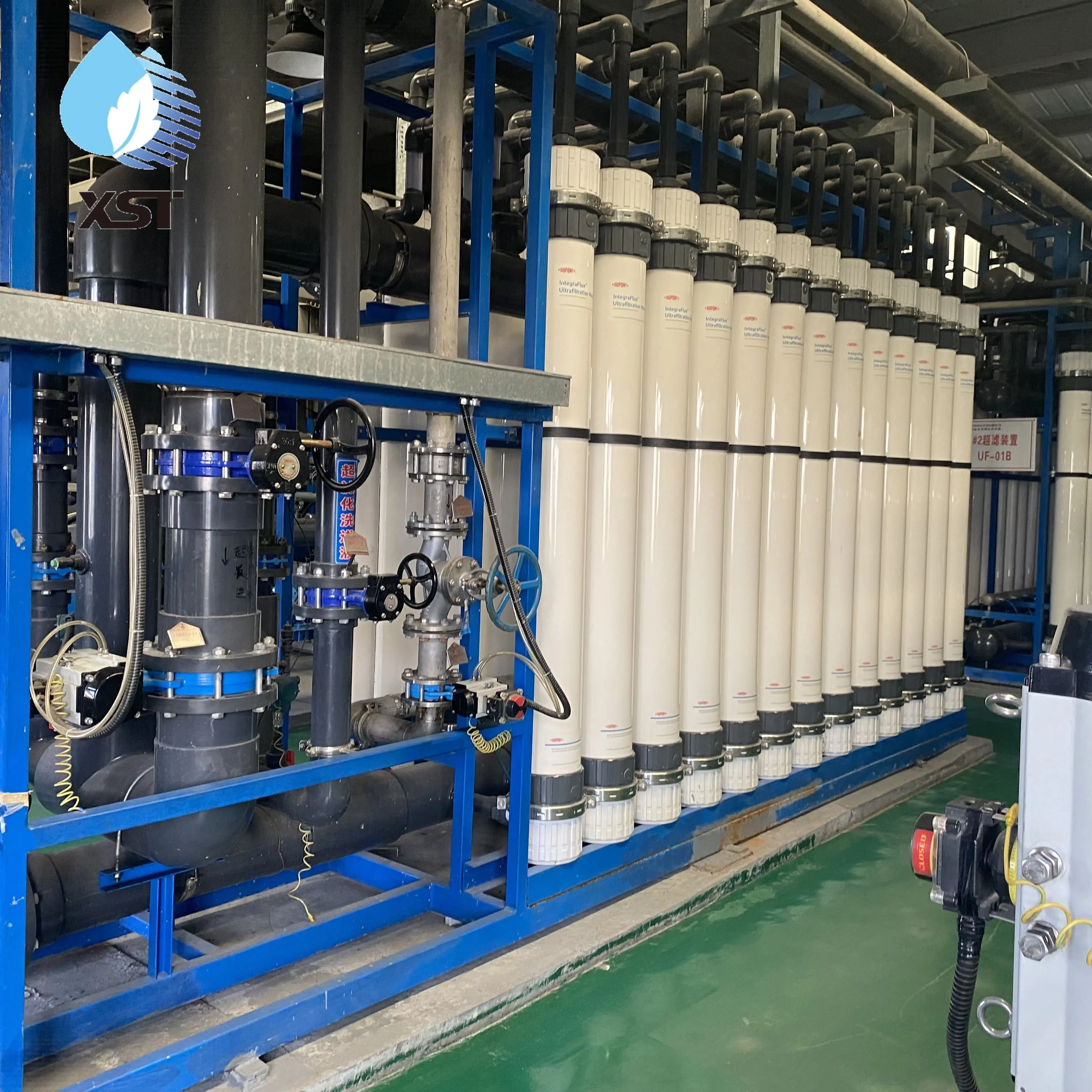
Ultrafiltration is a novel membrane separation technology. Among all membrane separation methods such as microfiltration, ultrafiltration, reverse osmosis, osmosis, electrodialysis, and gas membrane separation, ultrafiltration has the most extensive application and is the most mature.
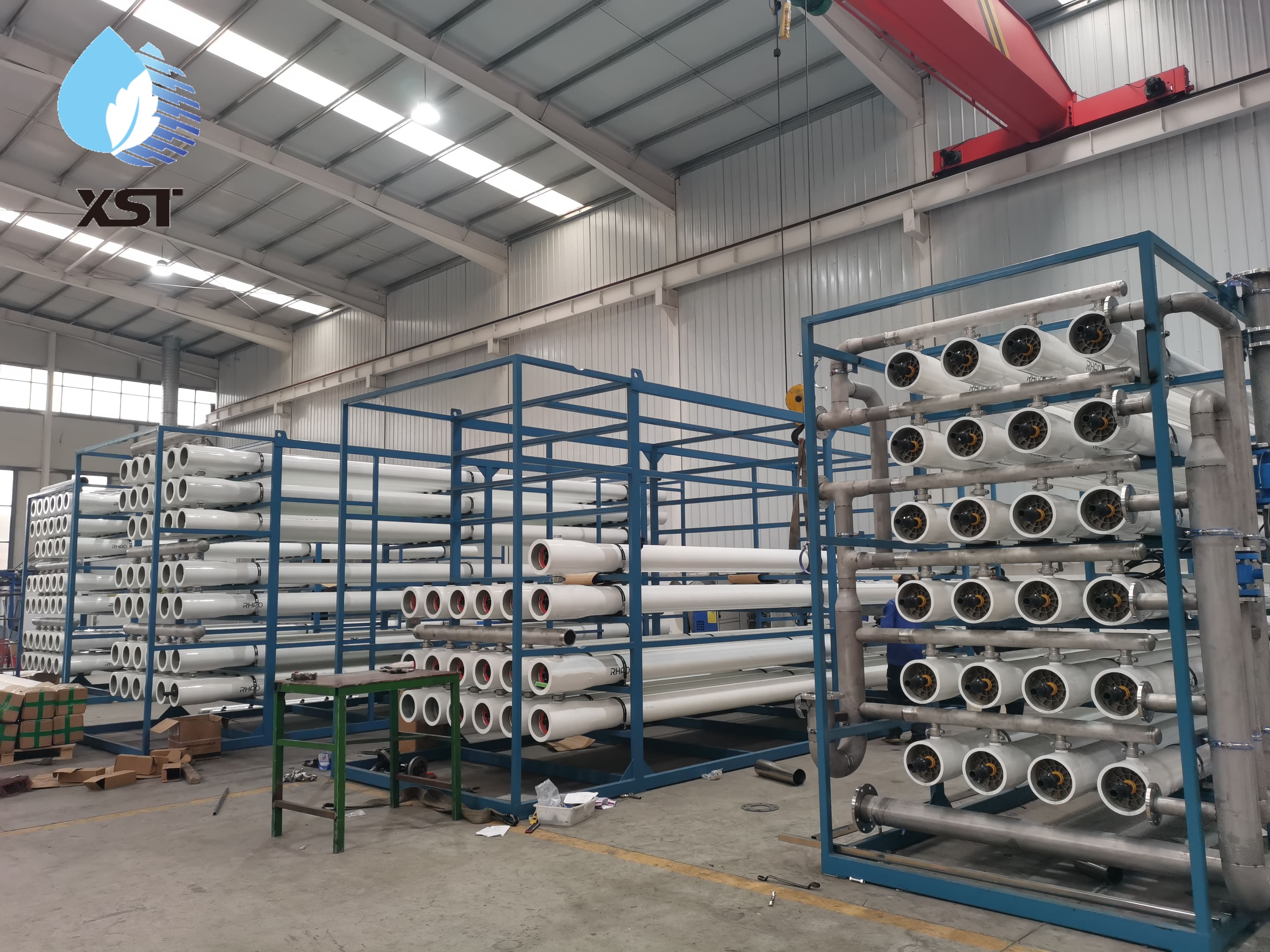
The Impact of Excessive Reducing Agent Addition on Reverse Osmosis
The impact of excessive reducing agent addition on reverse osmosis (RO) systems is a very practical and important issue in RO operation and maintenance. Many operators mistakenly believe that "more is better," but this is not the case.
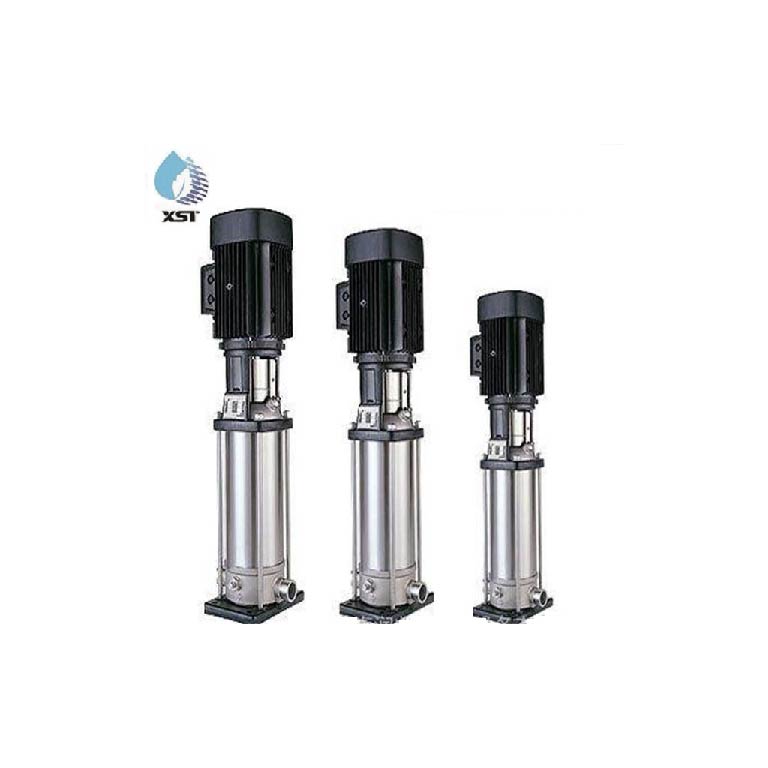
Common Sewage Pump Failures and Solutions
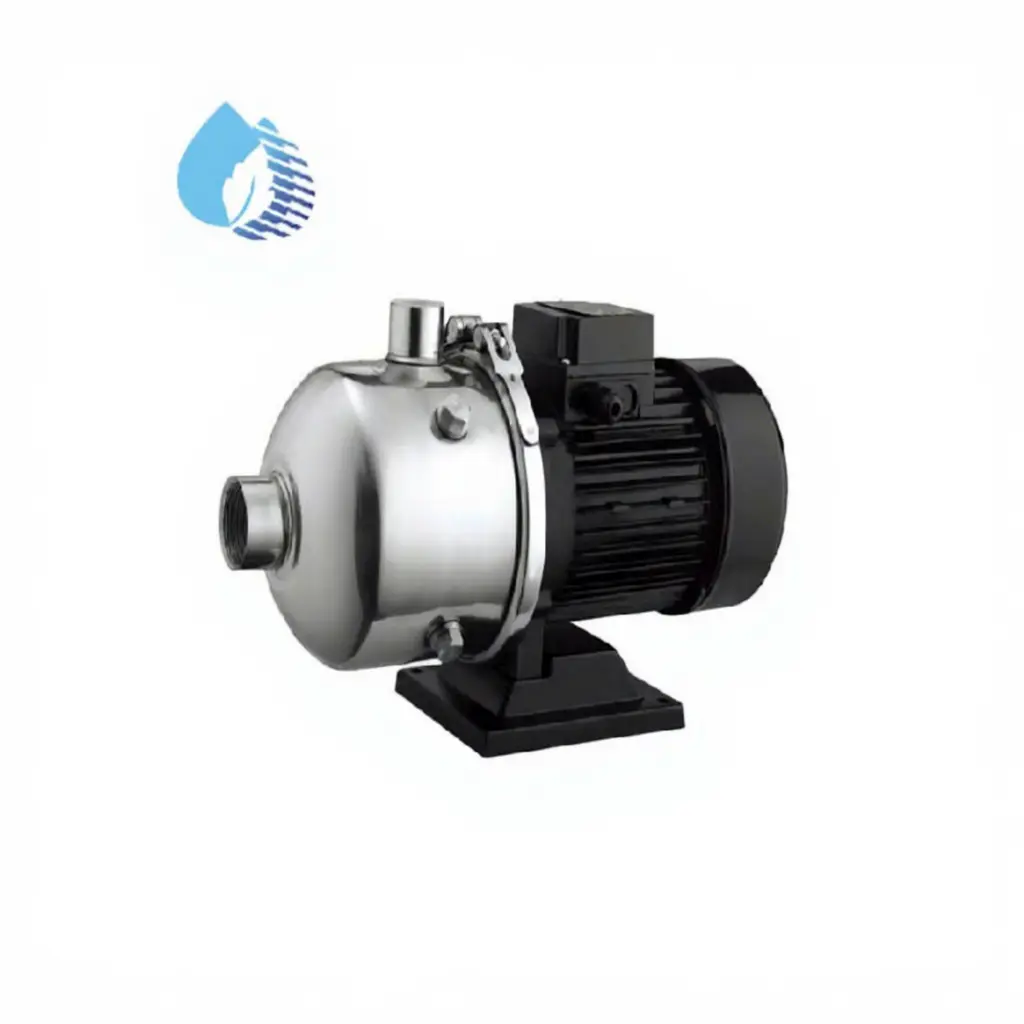
As the most fundamental component of all sewage treatment plant equipment, the proper functioning of the pump directly impacts the plant's economic performance. Given the diverse types of sewage, such as industrial and domestic wastewater, and the varying composition of industrial wastewater, the pump requirements for each sewage treatment process also vary. However, the general goal is to achieve non-clogging, slow wear, a relatively long lifespan, corrosion resistance, energy conservation, environmental protection, and high efficiency.
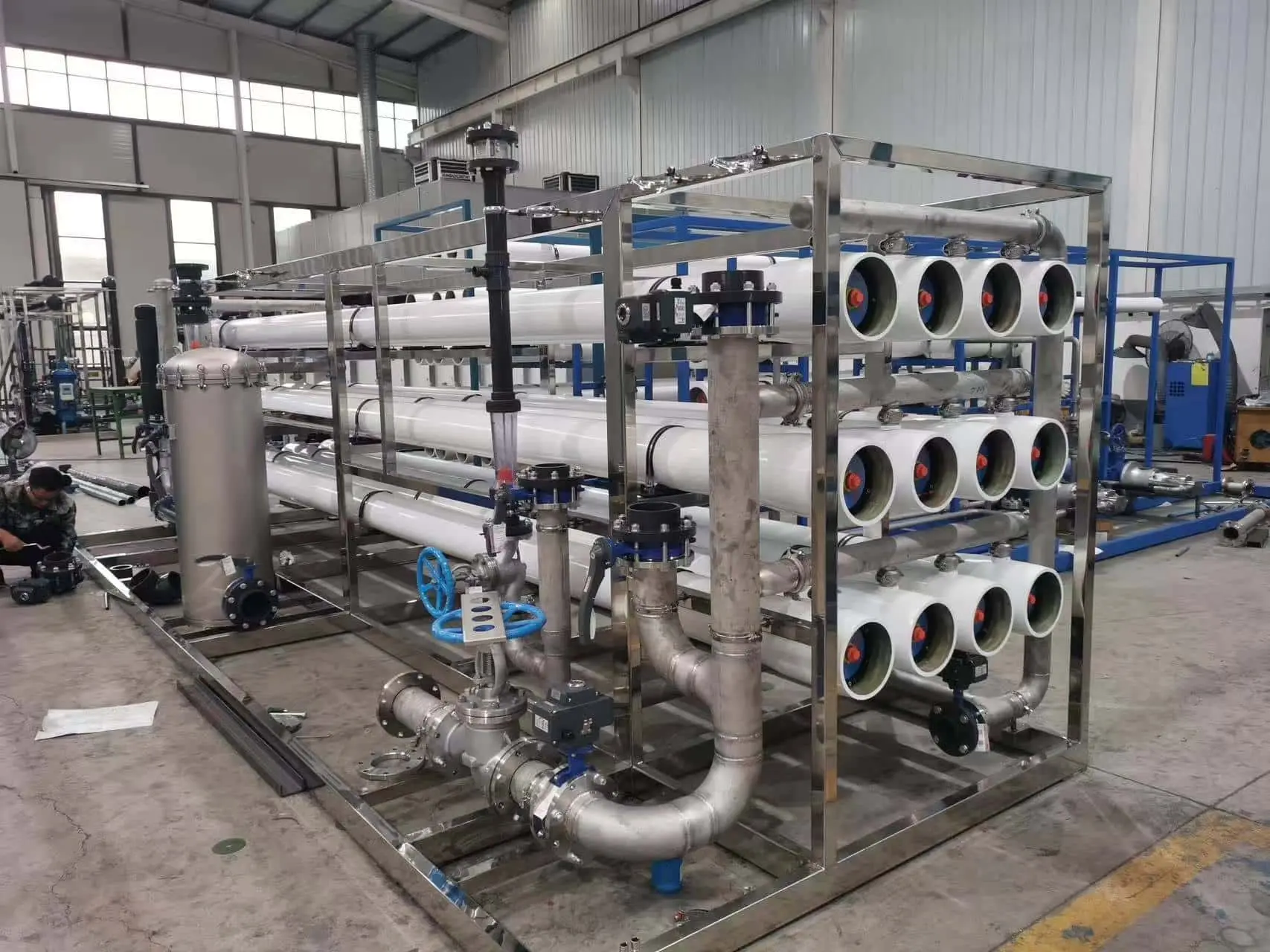
Working Principle and Maintenance of Reverse Osmosis Water Treatment Equipment (2)
IV. Reverse Osmosis System Introduction
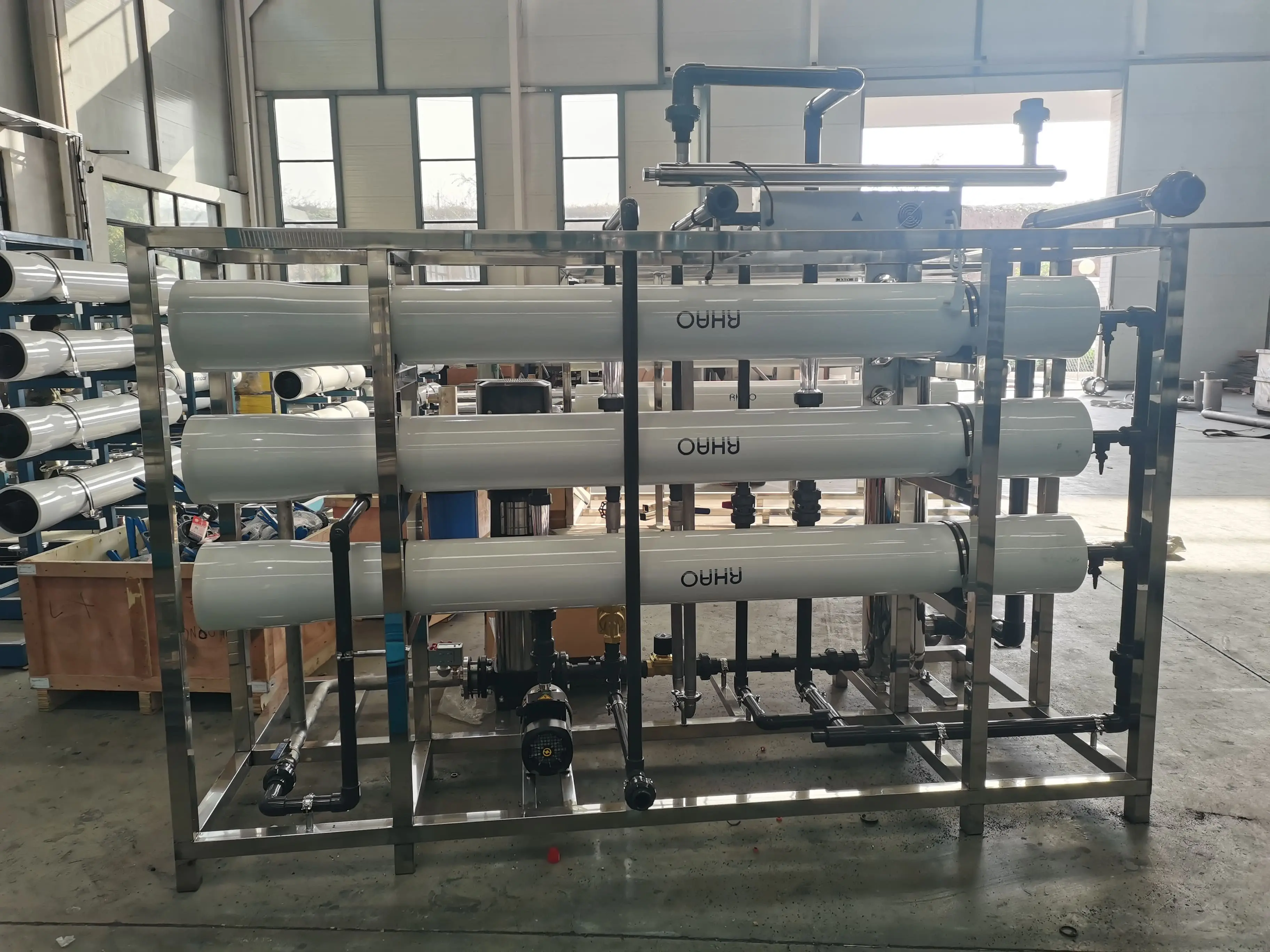
The reverse osmosis system primarily consists of a multi-stage high-pressure pump, reverse osmosis membrane elements, membrane housing (pressure vessel), and support. Its primary function is to remove impurities from water, ensuring that the output water meets usage requirements.