







News
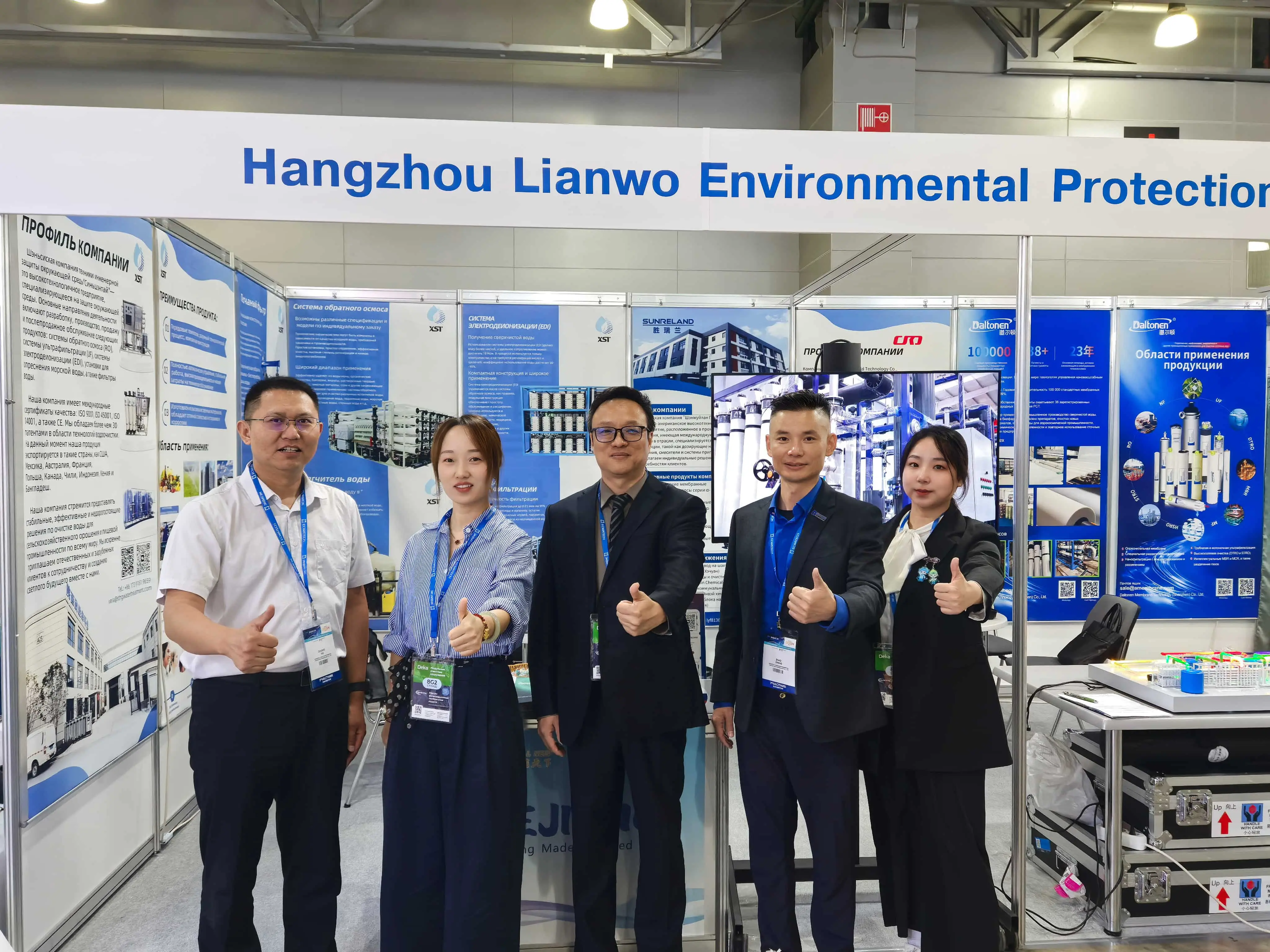
XST appeared in Russia's largest environmental protection exhibition
As a professional Water Treatment Equipment manufacturer, Xi'an Xinshengtai, along with General Manager Lei Sheng and Foreign Trade Sales Manager, attended this exhibition and engaged in extensive and in-depth exchanges and collaborations with industry partners from Russia and neighboring countries.
At the exhibition, Xi'an Xinshengtai's advanced water treatment technologies and equipment attracted numerous customers. Our team, with professionalism and enthusiasm, provided detailed explanations of our product features and solutions to each customer, creating a lively atmosphere and a bustling crowd at the booth.
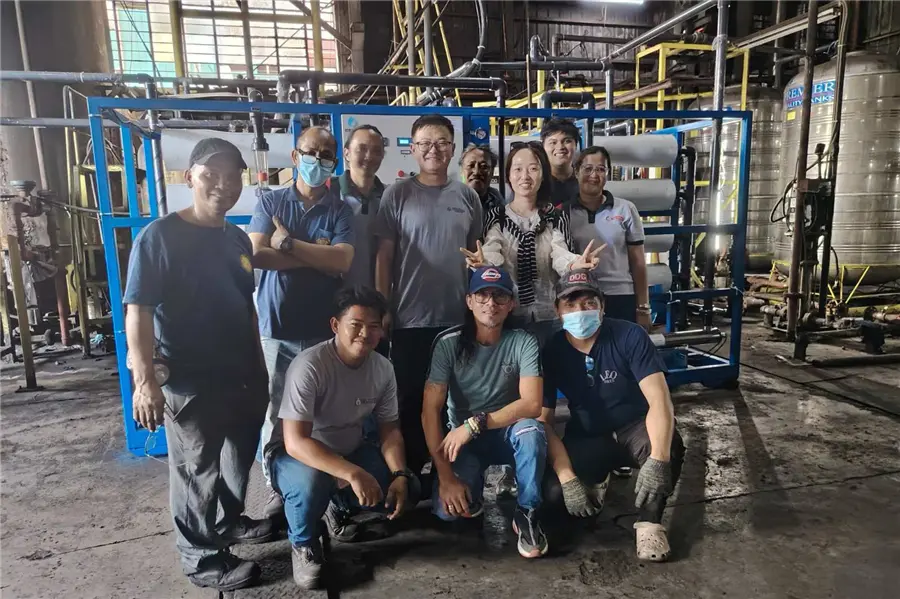
Philippines Customer IWS Site Installation and Commissioning and Visit Report
Arrived at the customer site on March 7, conducted preliminary communication with the relevant person in charge of the customer and the owner, understood the site situation and installation requirements, and preliminarily determined the site installation plan.
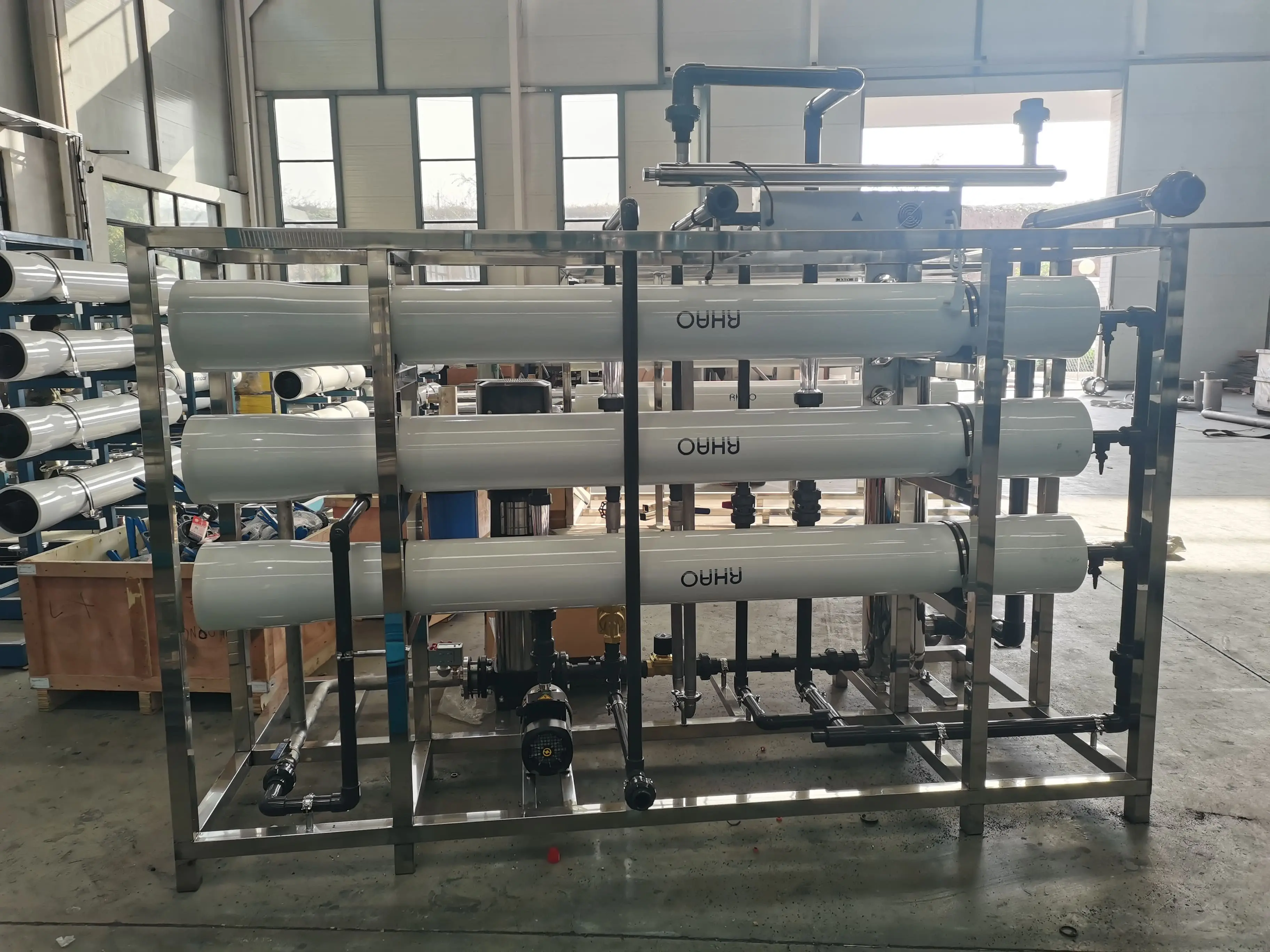
The Relationship Between Permeate Volume and Water Temperature in Reverse Osmosis (RO) Operation
Inlet water temperature is one of the most significant and direct operating parameters affecting the permeate volume of an Ro System. With a constant inlet water pressure, the higher the inlet water temperature, the greater the permeate volume of the RO system; conversely, the lower the inlet water temperature, the significantly lower the permeate volume. This is not a simple linear increase, but its impact is very significant. The underlying scientific principles mainly involve the following two points:
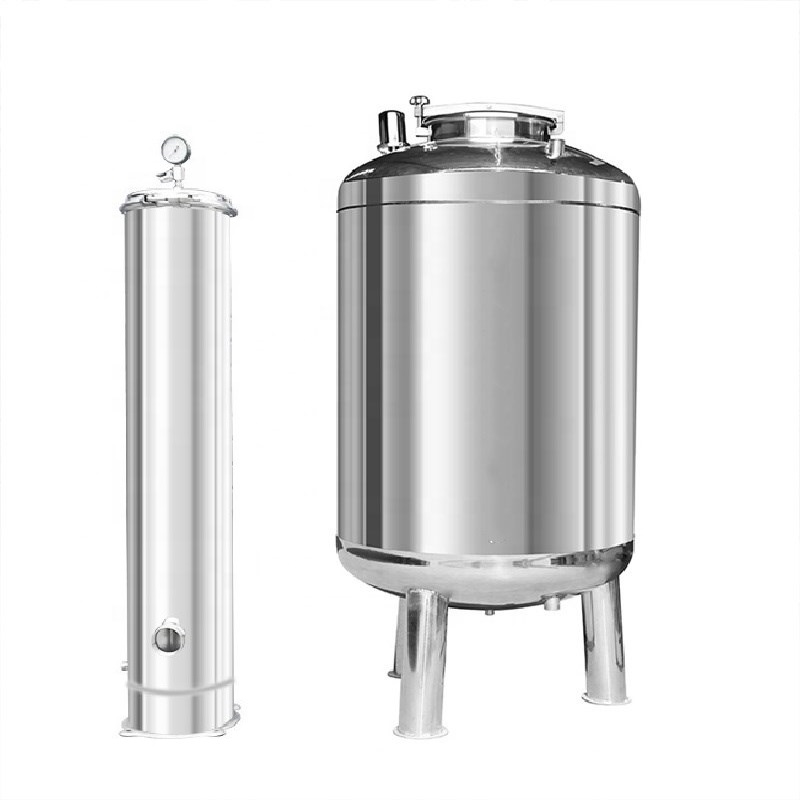
Security Filter Design and Calculation Selection
Security filters are mainly used to remove small particles (such as suspended solids, colloids, microorganisms, etc.) from liquids, protecting downstream equipment (such as reverse osmosis membranes, ion exchange resins, etc.). Their design and selection require comprehensive consideration of factors such as fluid properties, filtration accuracy, flow rate, pressure drop, and material compatibility. The following are the core steps and key points of design and calculation selection:
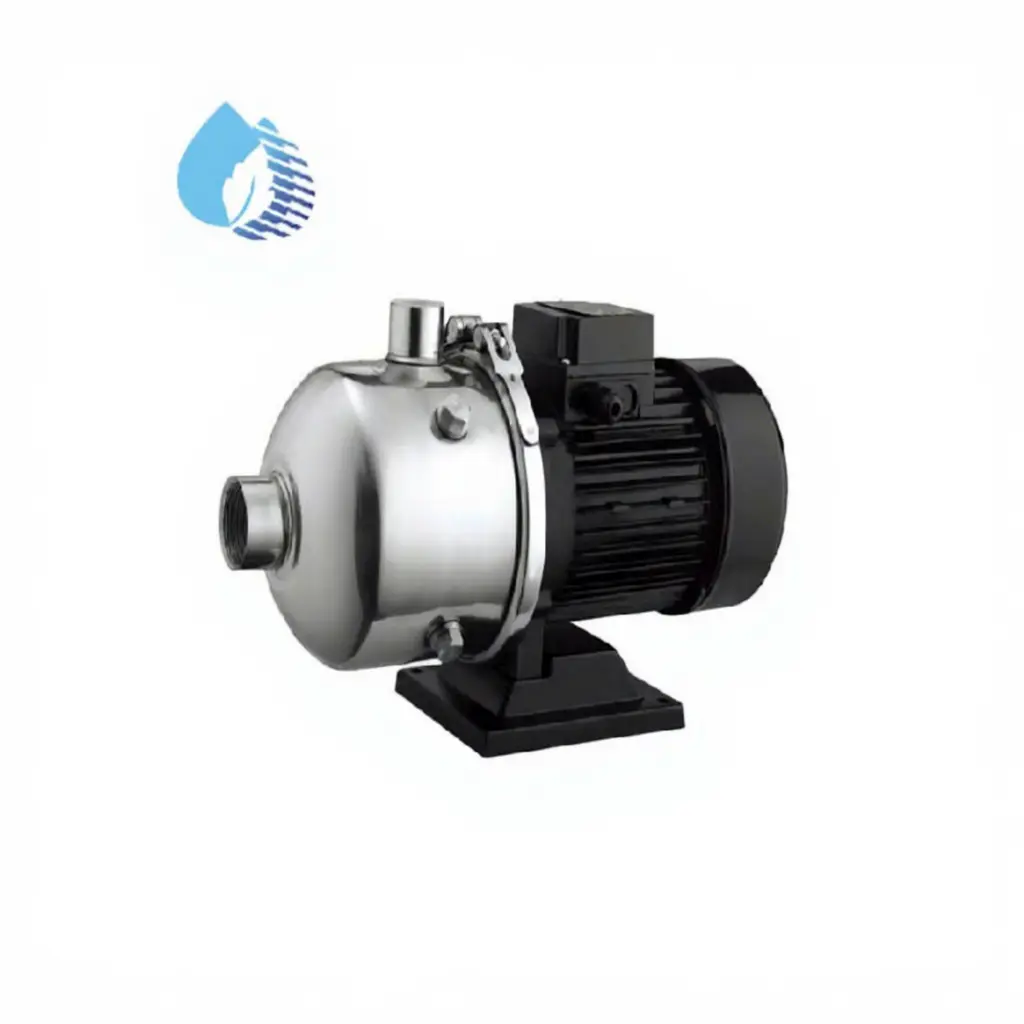
When starting a centrifugal pump, should you turn on the pump first or open the valve first?
The starting sequence of a water pump and the opening/closing status of the valves directly affect its operational safety and efficiency. Different pump types have drastically different starting methods due to differences in their working principles.
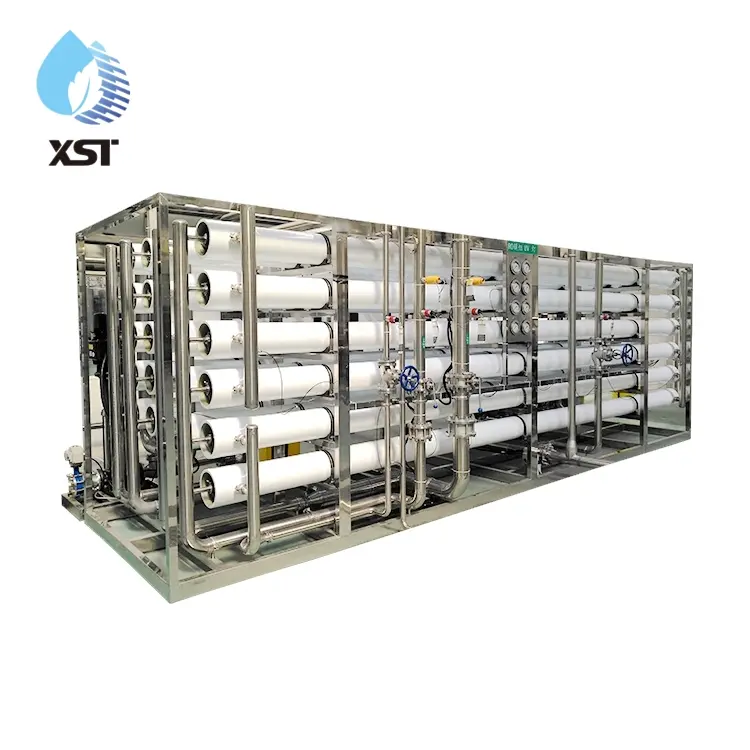
The Working Principle of Water Purification Equipment is Surprisingly Simple!
The Working Principle of Water Purification Equipment is Surprisingly Simple! This article will guide you through the secrets of water treatment!
How exactly does a water purification system work? You'll understand after reading this article!
Do you know what's in the water you drink every day? Besides water, there are many other substances, some beneficial, such as minerals and trace elements, and some harmful, such as bacteria, heavy metals, pesticides, and residual chlorine. With increasing water pollution, is the water we drink safe?
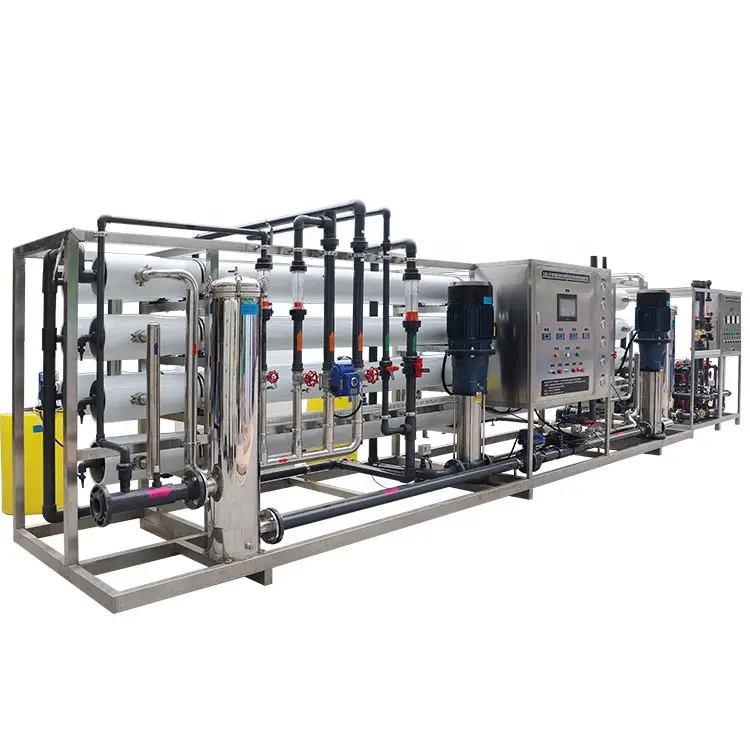
Double-stage Reverse Osmosis EDI Ultrapure Water Equipment – Meeting High-Standard Water Requirements
In EDI equipment, various ions in the feed water are removed after passing through the resin, purifying the water. This process utilizes the principle of ion exchange to remove ions from the water. Because a voltage is applied across the ion exchange membrane, water molecules are electrolyzed into H+ and OH- ions, which are then sent to regenerate the resin. Simultaneously, the ions exchanged by H+ and OH- ions are migrated to the concentrate chamber and discharged under the influence of a stable voltage and current power supply, thus achieving continuous regeneration and continuous use.
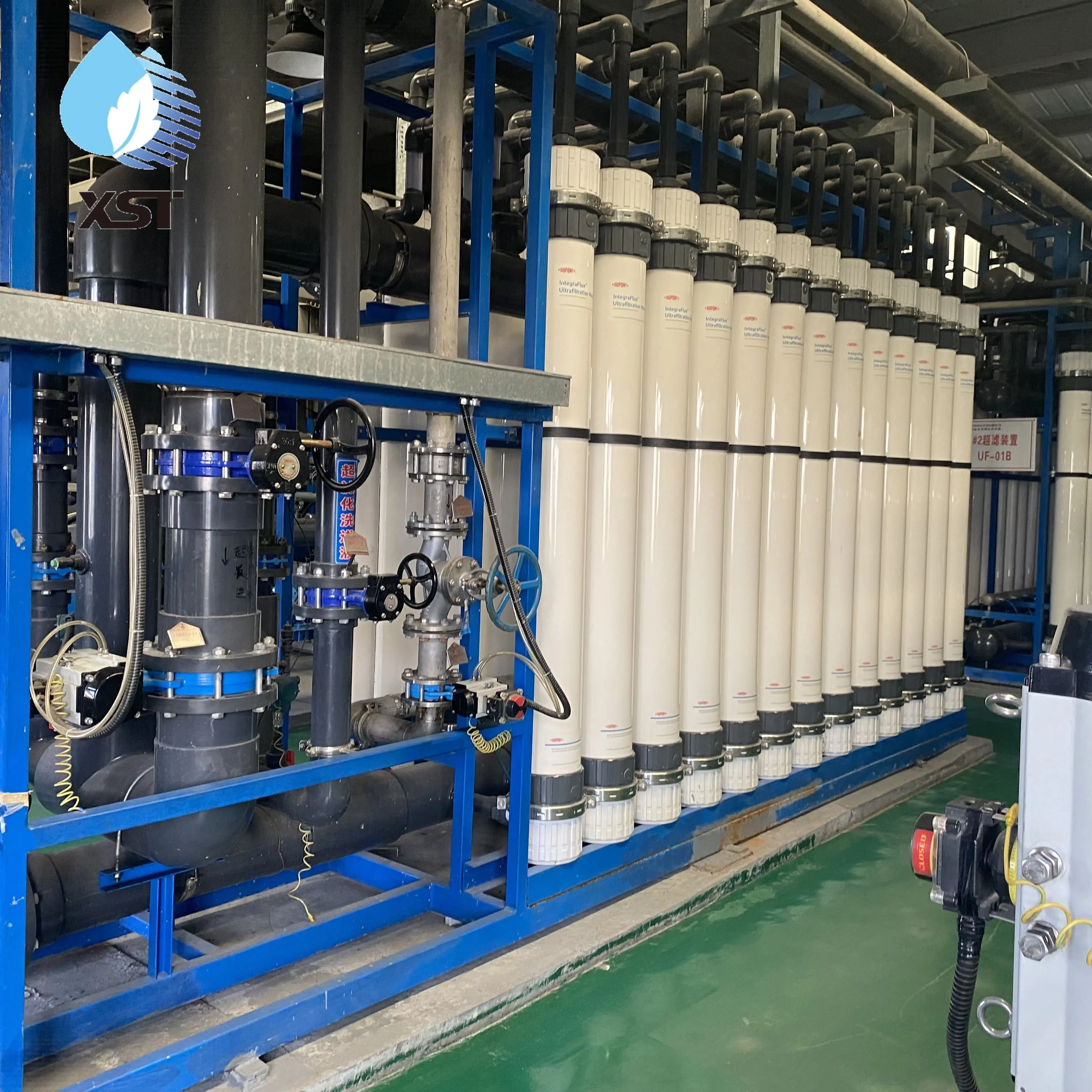
Process Analysis of Ultrafiltration Membranes in Water Treatment Applications (II)
Water Supply Quality Adjustment
【Adjustment of Water Supply Temperature】
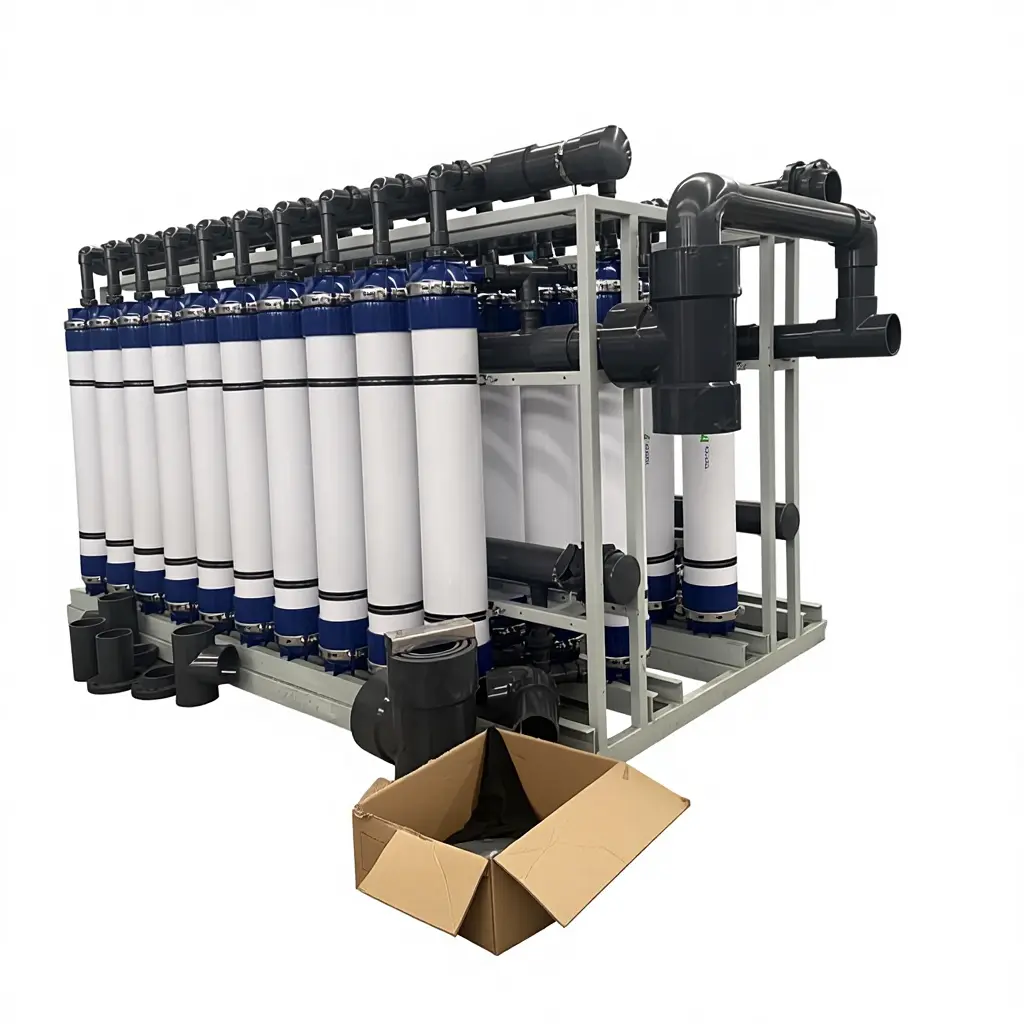
The permeability of ultrafiltration membranes is directly related to temperature. The permeation rate of ultrafiltration membrane modules is generally tested with pure water at 25℃. The permeation rate of ultrafiltration membranes is directly proportional to temperature, with a temperature coefficient of approximately 0.02/1℃. That is, for every 1℃ increase in temperature, the permeation rate increases by approximately 2.0%.
Process Analysis of Ultrafiltration Membranes in Water Treatment Applications (I)
The permeability of ultrafiltration membranes increases with increasing temperature. Generally, the viscosity of aqueous solutions decreases with temperature, thus reducing flow resistance and correspondingly increasing the permeability rate. The actual temperature of the supply solution at the work site should be considered in engineering design.
The Impact of Feed Water Salinity on Reverse Osmosis Systems
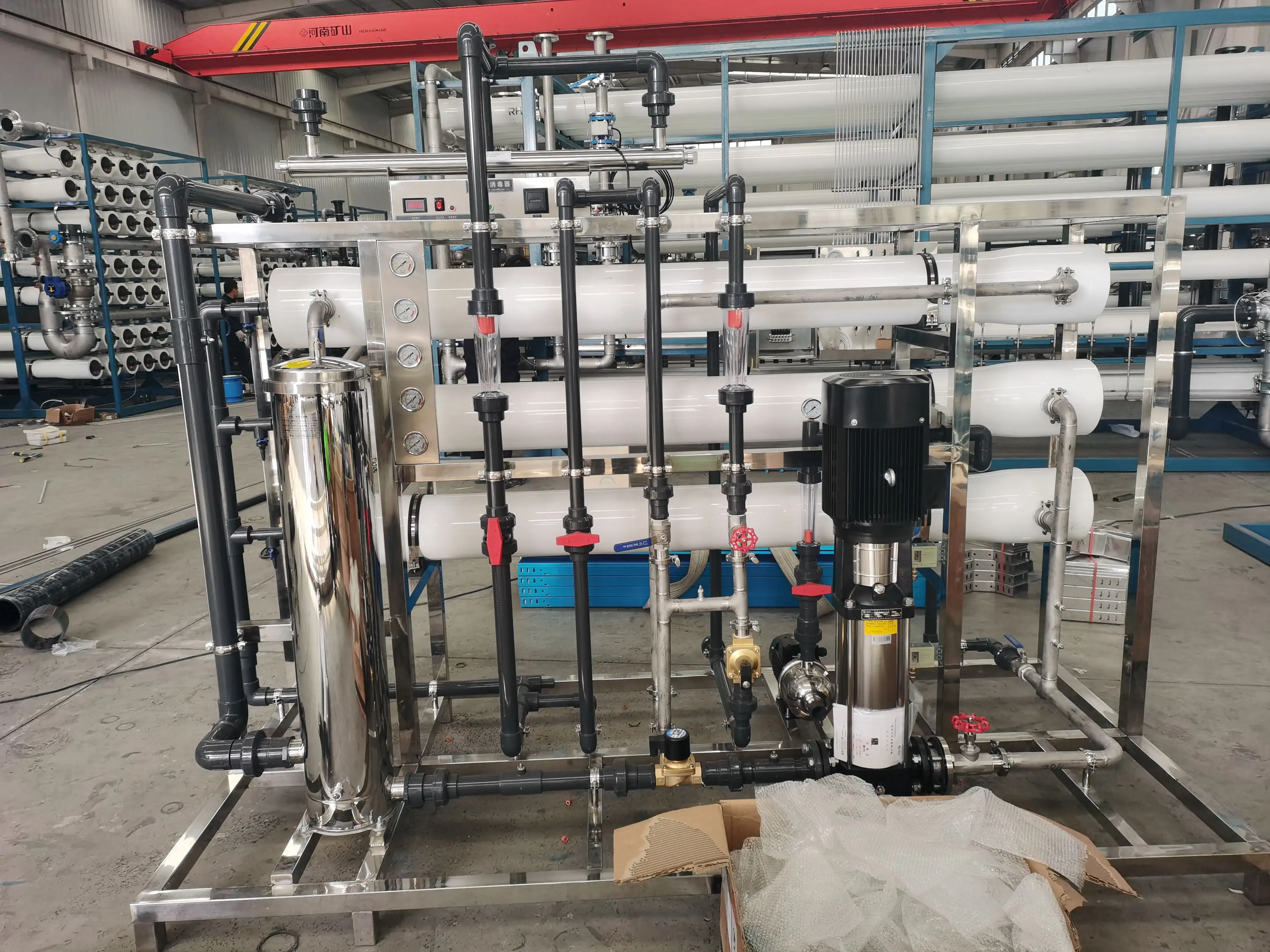
Feed water salinity, usually expressed as total dissolved solids (TDS), is the sum of the concentrations of all inorganic salts (such as sodium, calcium, magnesium, chloride, sulfate, etc.) in the water. It is one of the most critical parameters in the design, operation, and economic efficiency of a reverse osmosis system, and its impact is comprehensive and interconnected.