







Company News
Why are water hardness and alkalinity often measured as CaCO₃?
Water hardness and alkalinity, seemingly different indicators, are both typically expressed in terms of equivalent amounts of calcium carbonate (CaCO₃).
1. What are hardness and alkalinity?
Hardness: Primarily refers to the concentration of calcium ions (Ca₃⁺) and magnesium ions (Mg₃⁺) in water. These ions primarily originate from the dissolution of minerals such as limestone (primarily composed of CaCO₃) and gypsum in strata. High hardness can lead to scaling (water scale) and reduced soap efficiency.

What are the characteristics of polyaluminum chloride in wastewater treatment applications?
Polyaluminum chloride has a wide range of applications and is compatible with a wide range of water properties. It quickly forms large flocs and has excellent settling properties. Polyacrylamide molecules can form bridges and adsorb to suspended particles dispersed in the solution, resulting in a strong flocculation effect. Using the two together can achieve twice the result with half the effort. The correct combination of polyaluminum chloride and polyacrylamide is as follows:
Why is it necessary to remove residual chlorine before using ion exchange resins?
Before using ion exchange resins (whether for water softening, desalination, or other polishing processes), residual chlorine must be rigorously removed from the water. This is not just a standard operating procedure; it's crucial for protecting resin performance, ensuring long-term stable operation, and ensuring economic efficiency.
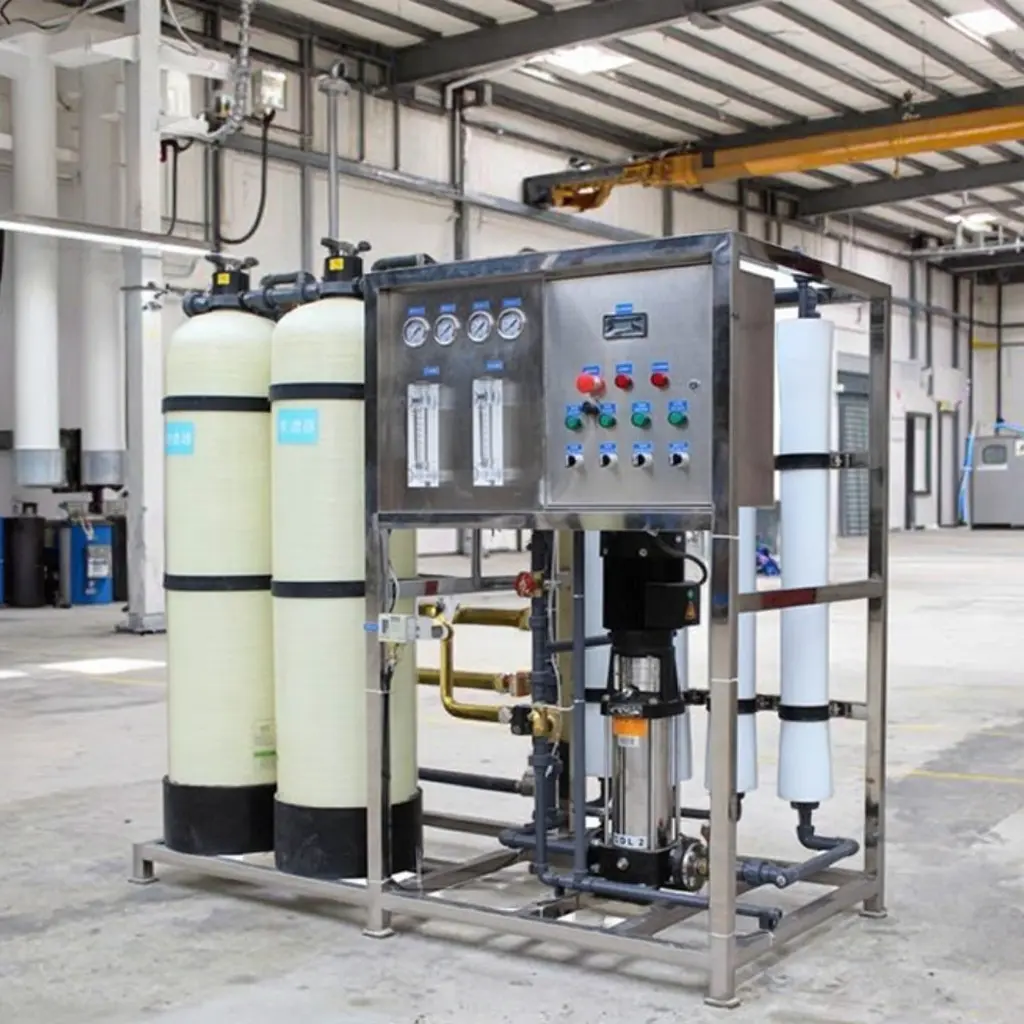
What common instruments are required for reverse osmosis operation?
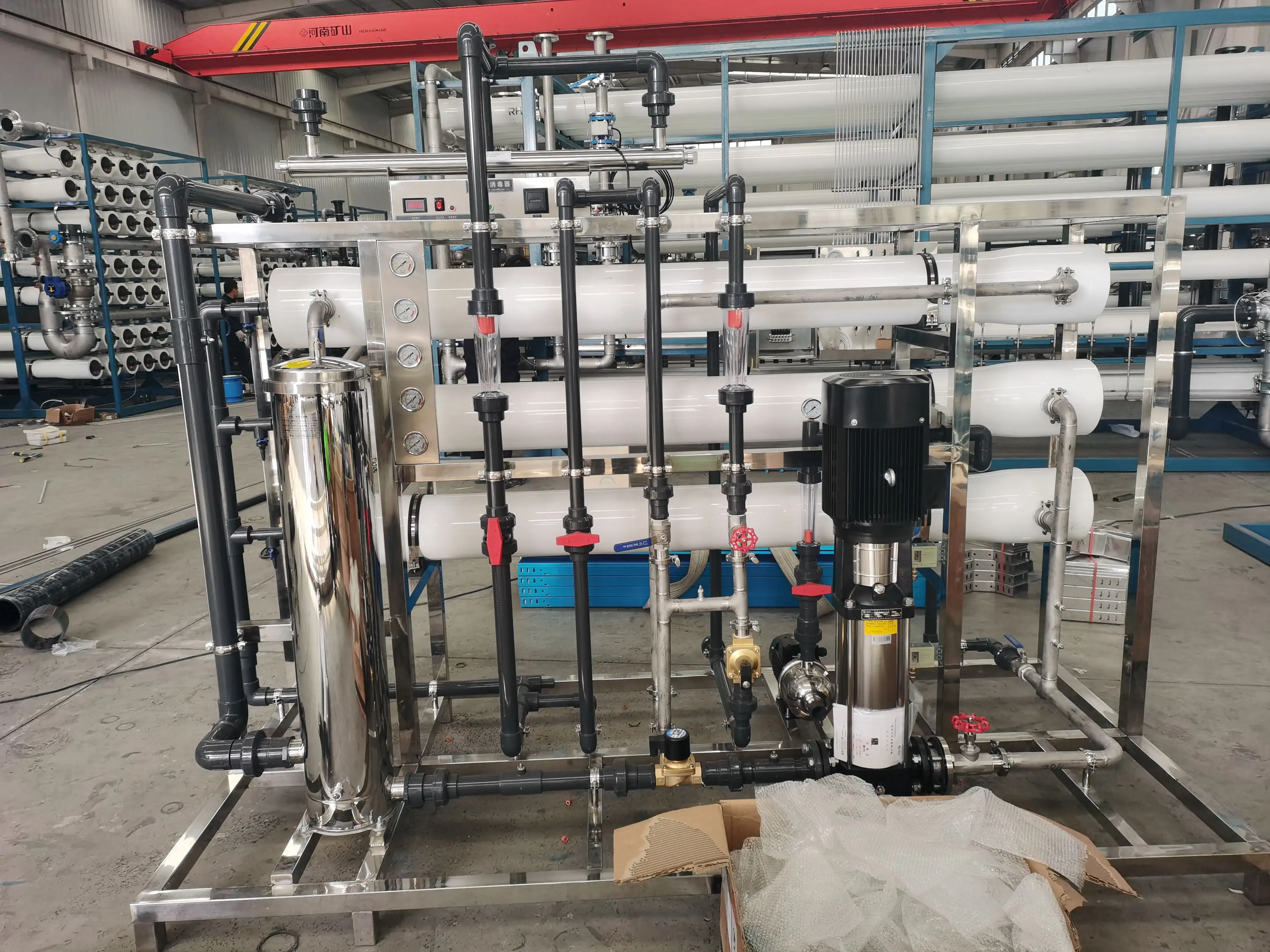
This is a list of essential instruments for Reverse Osmosis system operation. These instruments serve as the "eyes" and "ears" for ensuring safe, stable, and efficient system operation and meeting water quality standards:
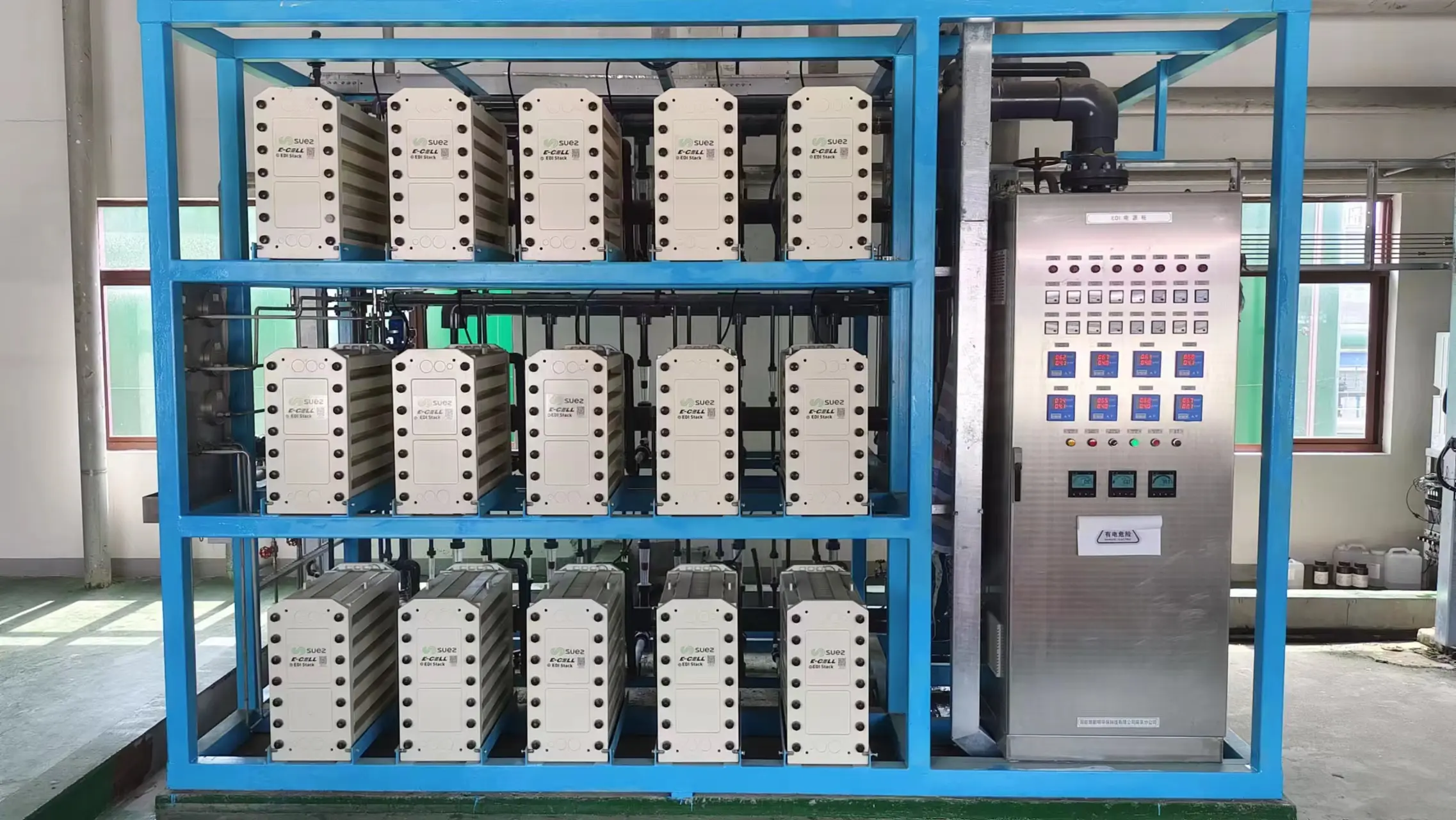
Why does EDI design require a flow rate range?
Unlike traditional ion exchange or reverse osmosis, EDI is an electrochemically driven continuous deionization process. Its core is to maintain a dynamic balance of hydraulic conditions within the dilute, concentrate, and cathode chambers. Flow rate is one of the key variables in this balance.
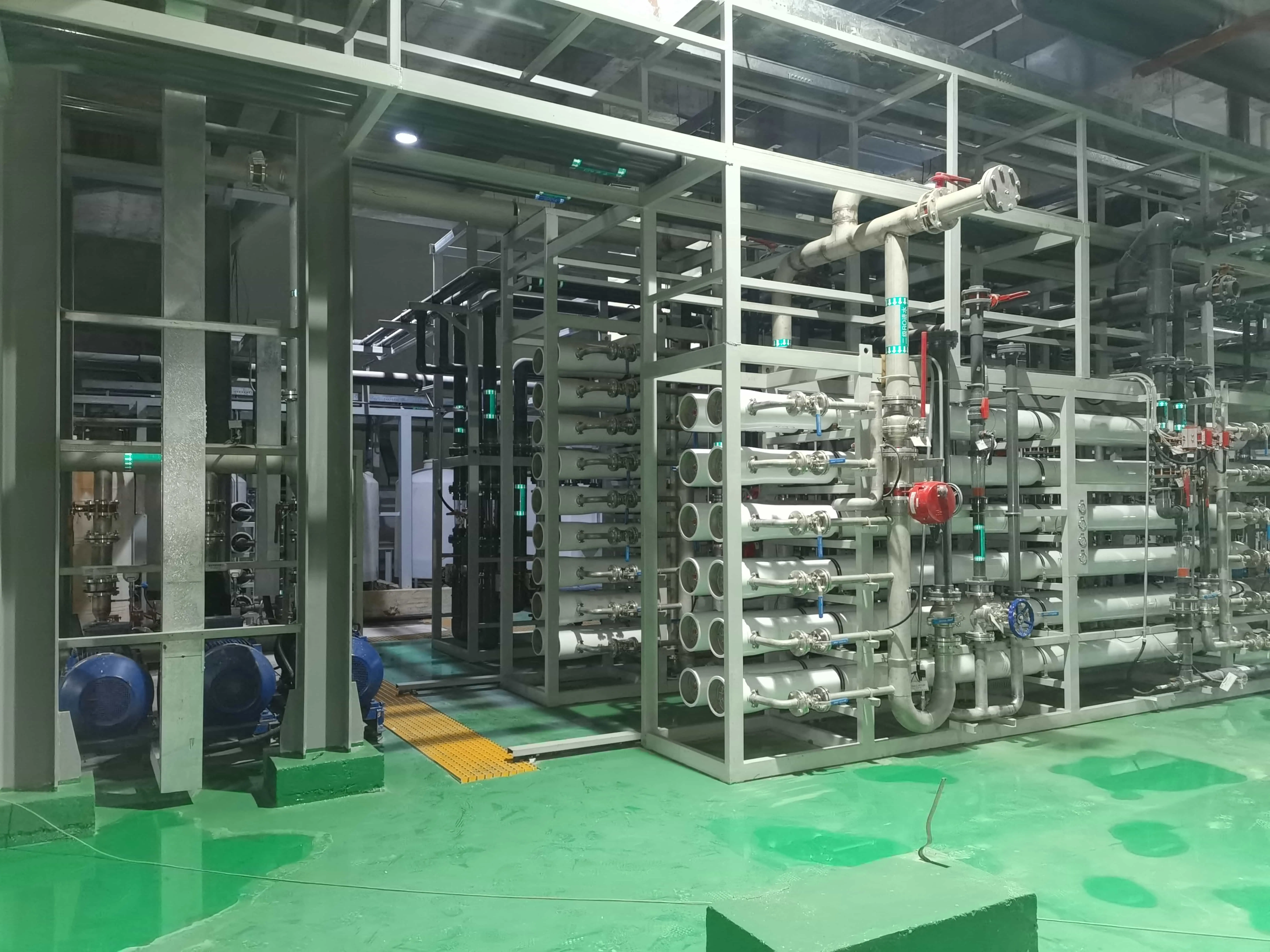
Analysis and Solutions for Siphoning in Reverse Osmosis and Ultrafiltration Systems
I. Causes of Siphoning
The siphon effect in membrane systems is typically caused by system downtime or pressure imbalance. Specific causes are as follows:
1. Driven by Liquid Level Difference During Downtime
When the system is down, the inlet pump stops operating, causing a sudden drop in pressure on the inlet side. If there is a high-level reservoir in the product water pipeline or the outlet is lower than the membrane assembly (for example, the product water tank is higher than the membrane), the liquid level difference will create a siphoning force (ΔP = ρgh, where ρ is the liquid density, g is the acceleration due to gravity, and h is the liquid level difference).
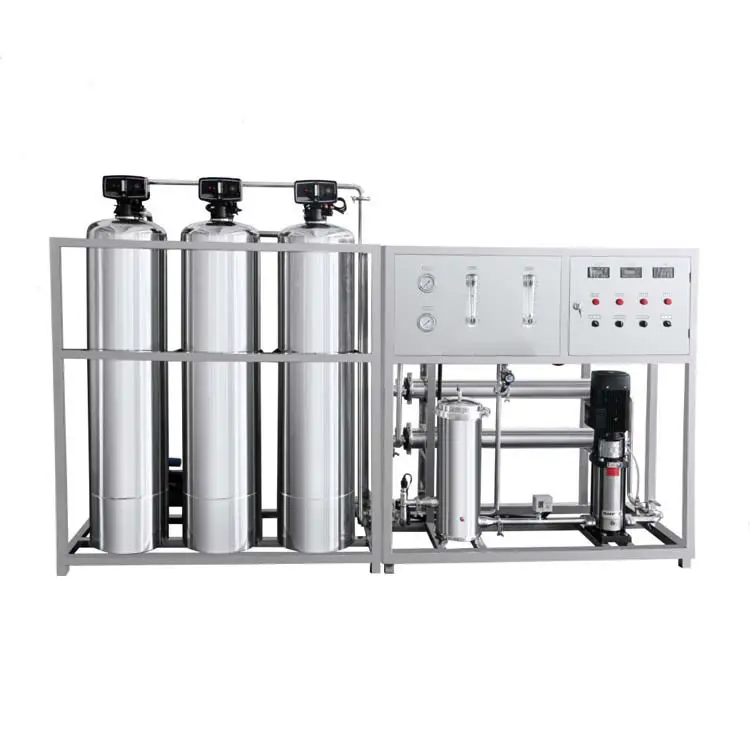
Water treatment knowledge | Ultrapure water equipment is also needed in the automotive manufacturing field? What is its role?
If you are not in the industry, many people may not know that Pure Water equipment is also needed in the new energy vehicle manufacturing industry. Why is this? We only know that chips are core components of communication electronic products, but we don’t know that they are also an important part of the automobile manufacturing in the new energy industry, which is in full swing. It is indispensable.
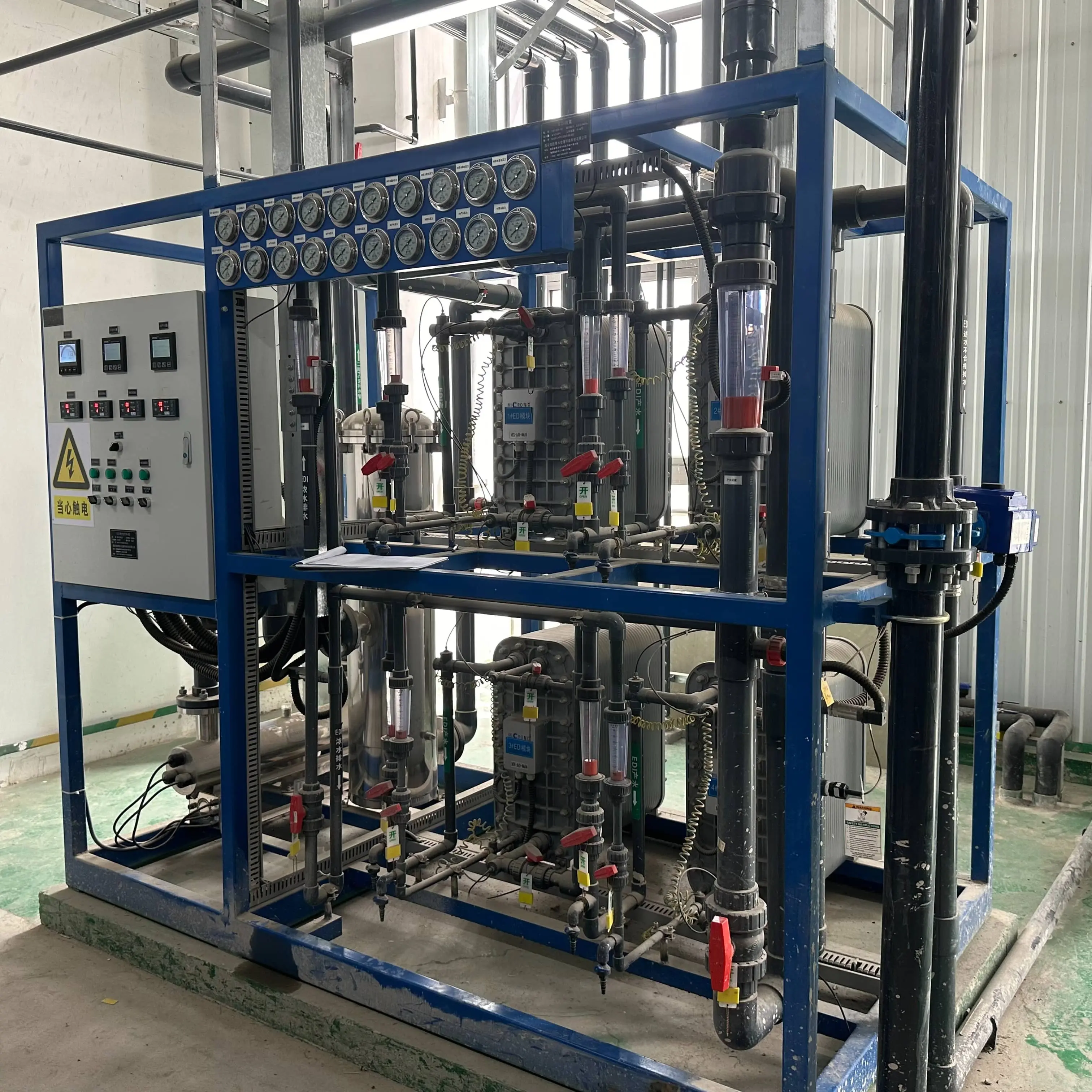
Several processes for pure water treatment (1)
Pure water refers to pure water. Generally, it uses city tap water as the water source and passes through multiple layers of filtration to remove harmful substances such as microorganisms, but it also removes minerals such as fluorine, potassium, calcium, and magnesium that are needed by the human body.
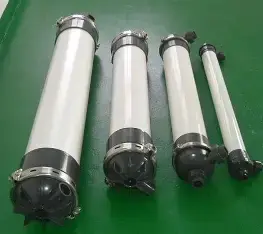
A brief talk about ultrafiltration membrane
What is ultrafiltration membrane?
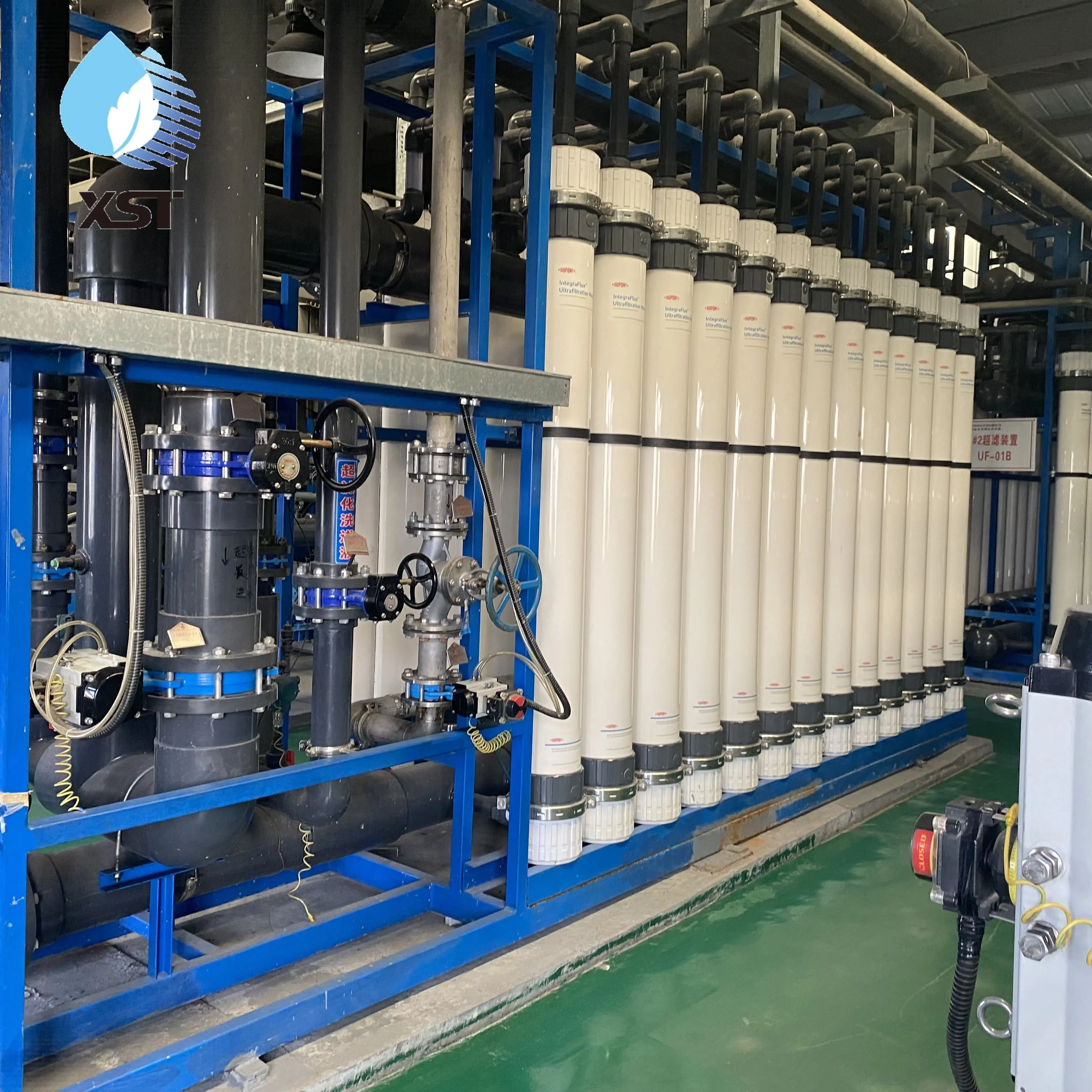
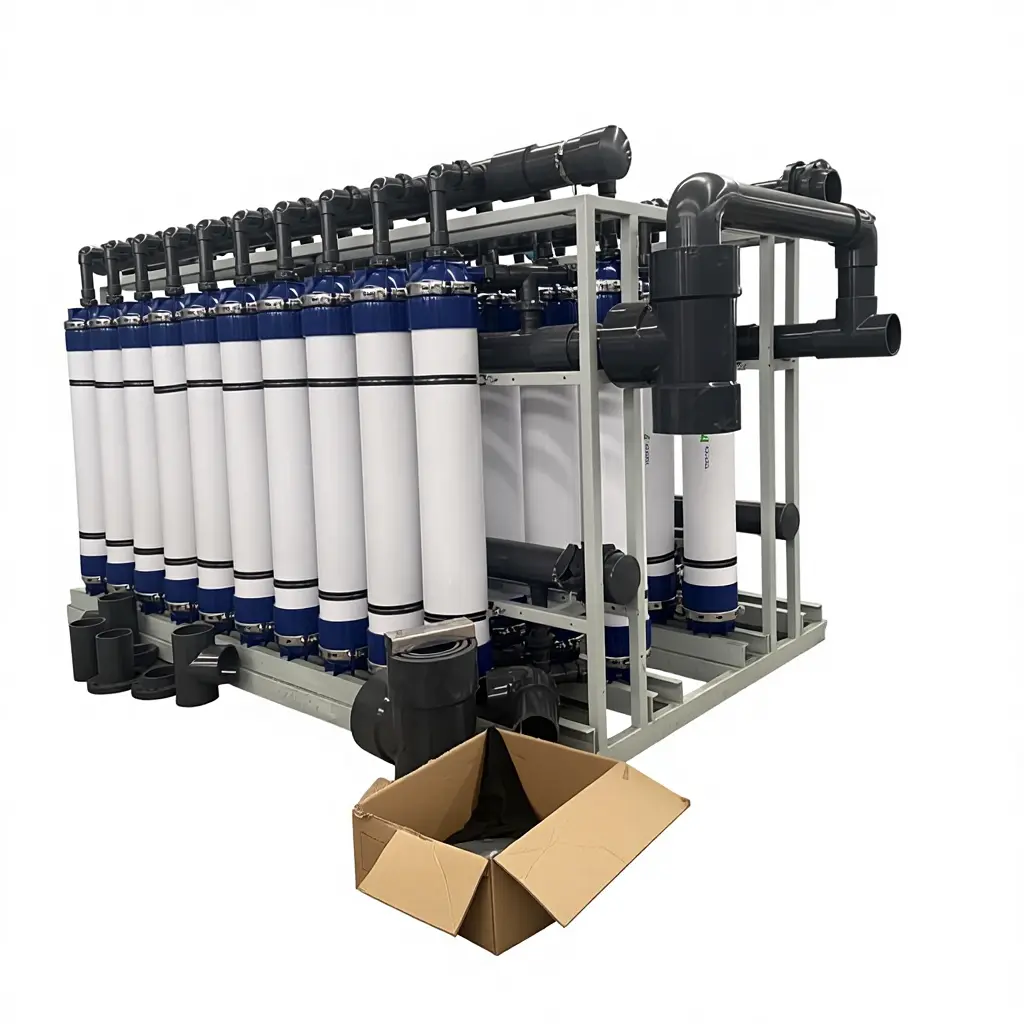
Ultrafiltration membrane is one of the earliest developed polymer membranes. It is a microporous filtration membrane with a rated pore size range of 0.001~0.02 microns. When appropriate pressure is applied to one side of the membrane, the solvent in the solution and some solutes with lower molecular weight penetrate from the tiny pores of the ultrafiltration membrane to the other side of the membrane, while solutes with higher molecular weight or some emulsified micelles are retained, thereby achieving the effect of filtration separation.
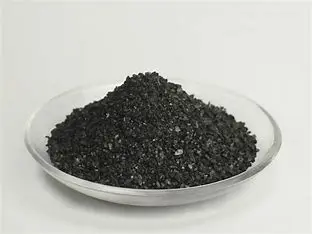
Multifunctional application of activated carbon in membrane water treatment
Activated carbon plays a key role in drinking water purification, industrial wastewater treatment and other fields due to its unique physical and chemical properties. Its core functions include: