







Company News
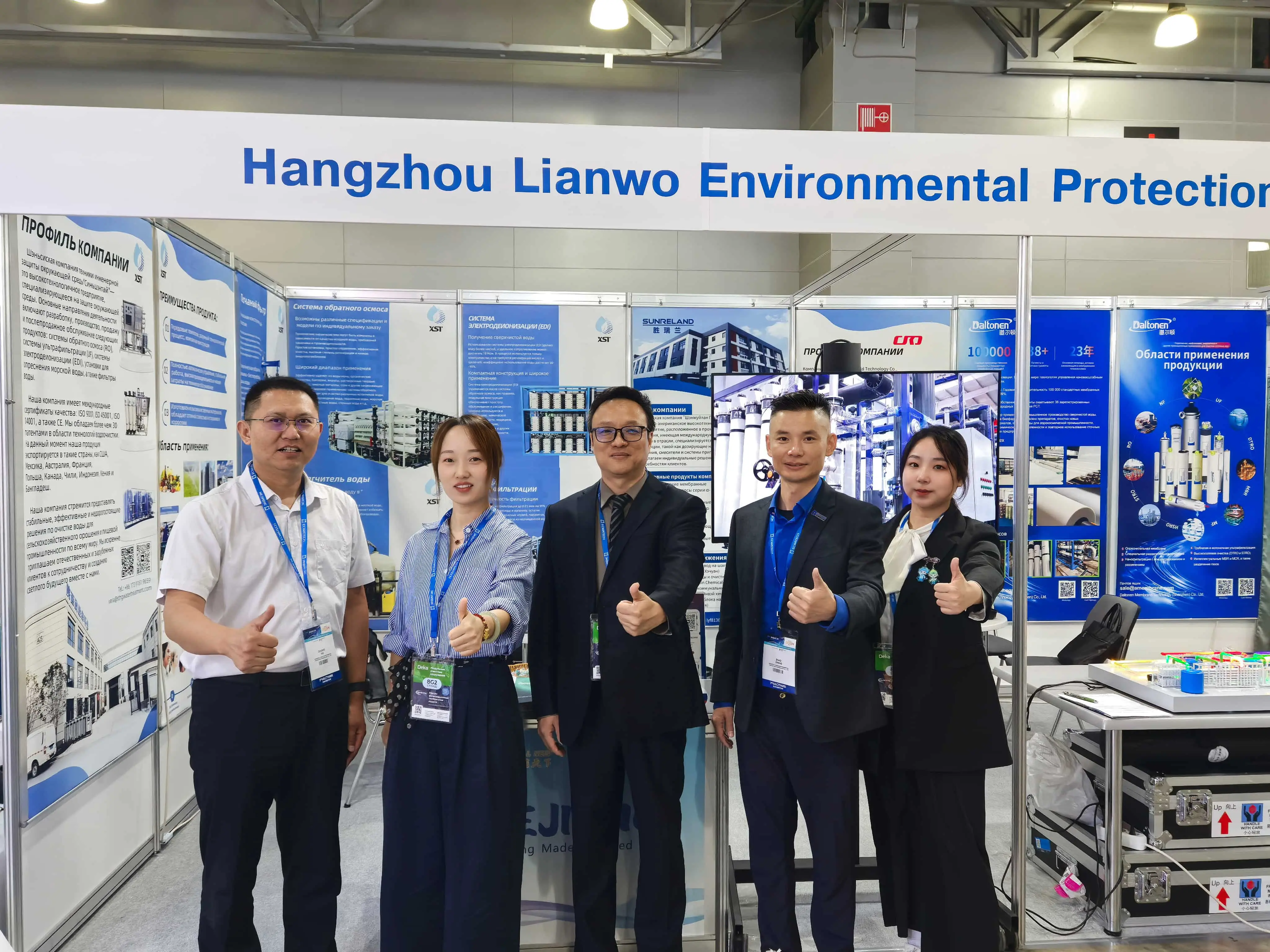
XST appeared in Russia's largest environmental protection exhibition
As a professional Water Treatment Equipment manufacturer, Xi'an Xinshengtai, along with General Manager Lei Sheng and Foreign Trade Sales Manager, attended this exhibition and engaged in extensive and in-depth exchanges and collaborations with industry partners from Russia and neighboring countries.
At the exhibition, Xi'an Xinshengtai's advanced water treatment technologies and equipment attracted numerous customers. Our team, with professionalism and enthusiasm, provided detailed explanations of our product features and solutions to each customer, creating a lively atmosphere and a bustling crowd at the booth.
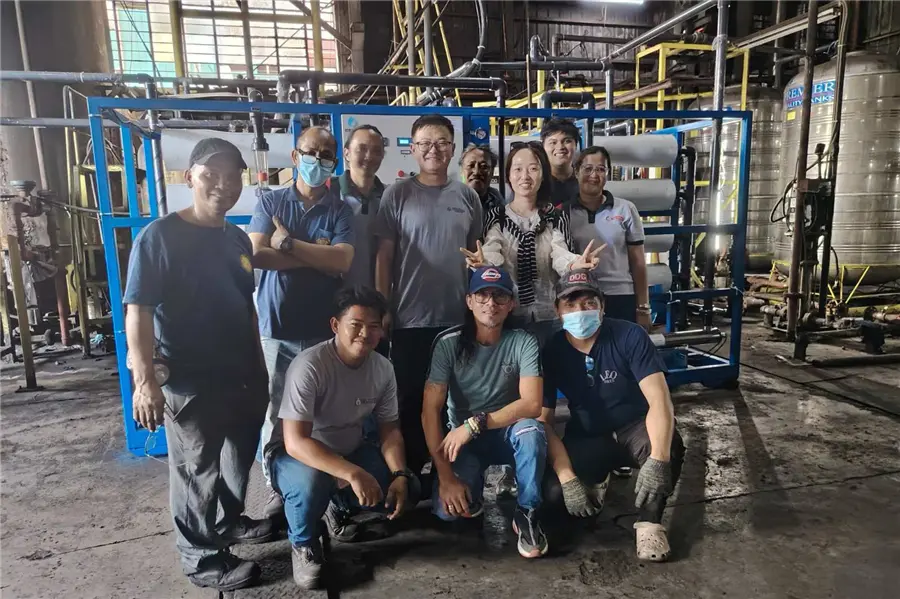
Philippines Customer IWS Site Installation and Commissioning and Visit Report
Arrived at the customer site on March 7, conducted preliminary communication with the relevant person in charge of the customer and the owner, understood the site situation and installation requirements, and preliminarily determined the site installation plan.
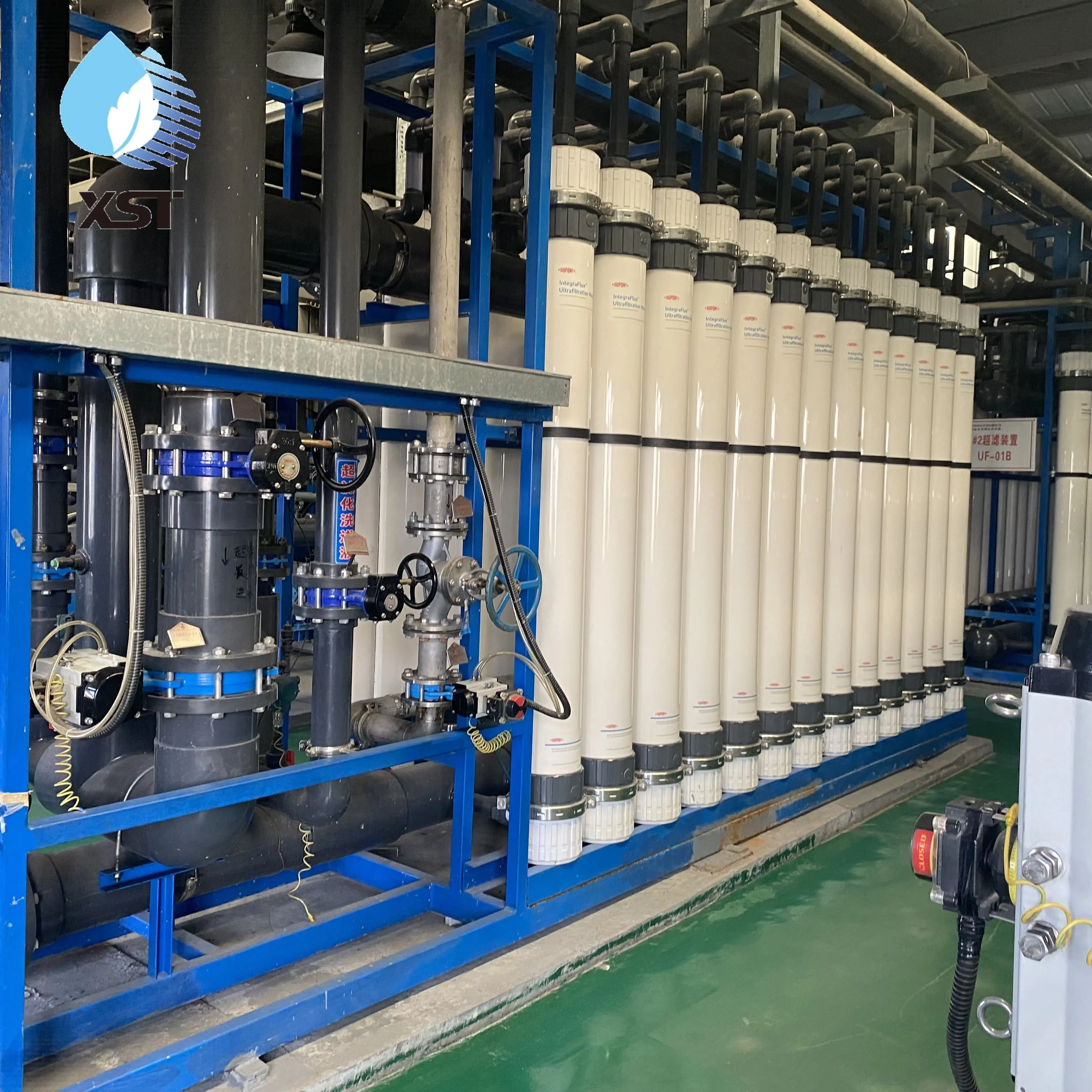
Process Analysis of Ultrafiltration Membranes in Water Treatment Applications (II)
Water Supply Quality Adjustment
【Adjustment of Water Supply Temperature】
The permeability of ultrafiltration membranes is directly related to temperature. The permeation rate of ultrafiltration membrane modules is generally tested with Pure Water at 25℃. The permeation rate of ultrafiltration membranes is directly proportional to temperature, with a temperature coefficient of approximately 0.02/1℃. That is, for every 1℃ increase in temperature, the permeation rate increases by approximately 2.0%.
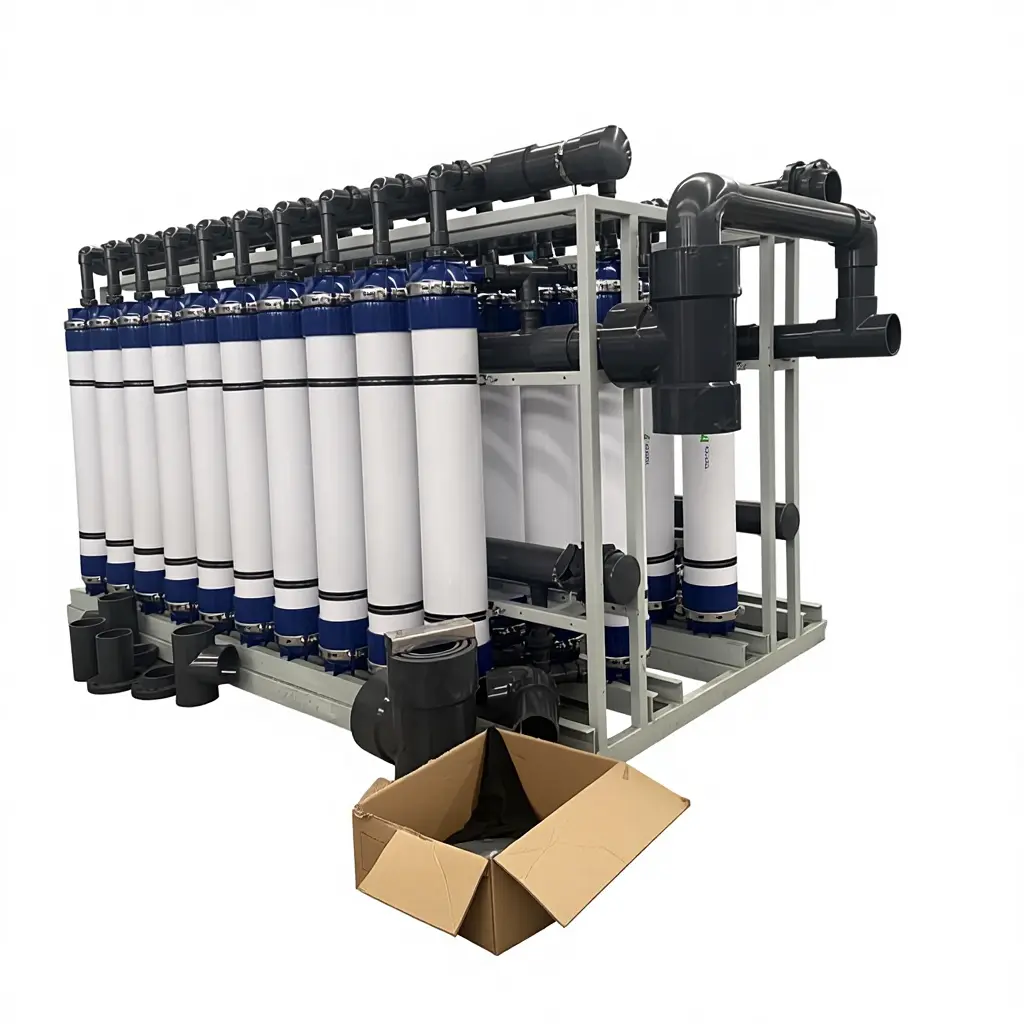
Process Analysis of Ultrafiltration Membranes in Water Treatment Applications (I)
The permeability of ultrafiltration membranes increases with increasing temperature. Generally, the viscosity of aqueous solutions decreases with temperature, thus reducing flow resistance and correspondingly increasing the permeability rate. The actual temperature of the supply solution at the work site should be considered in engineering design.
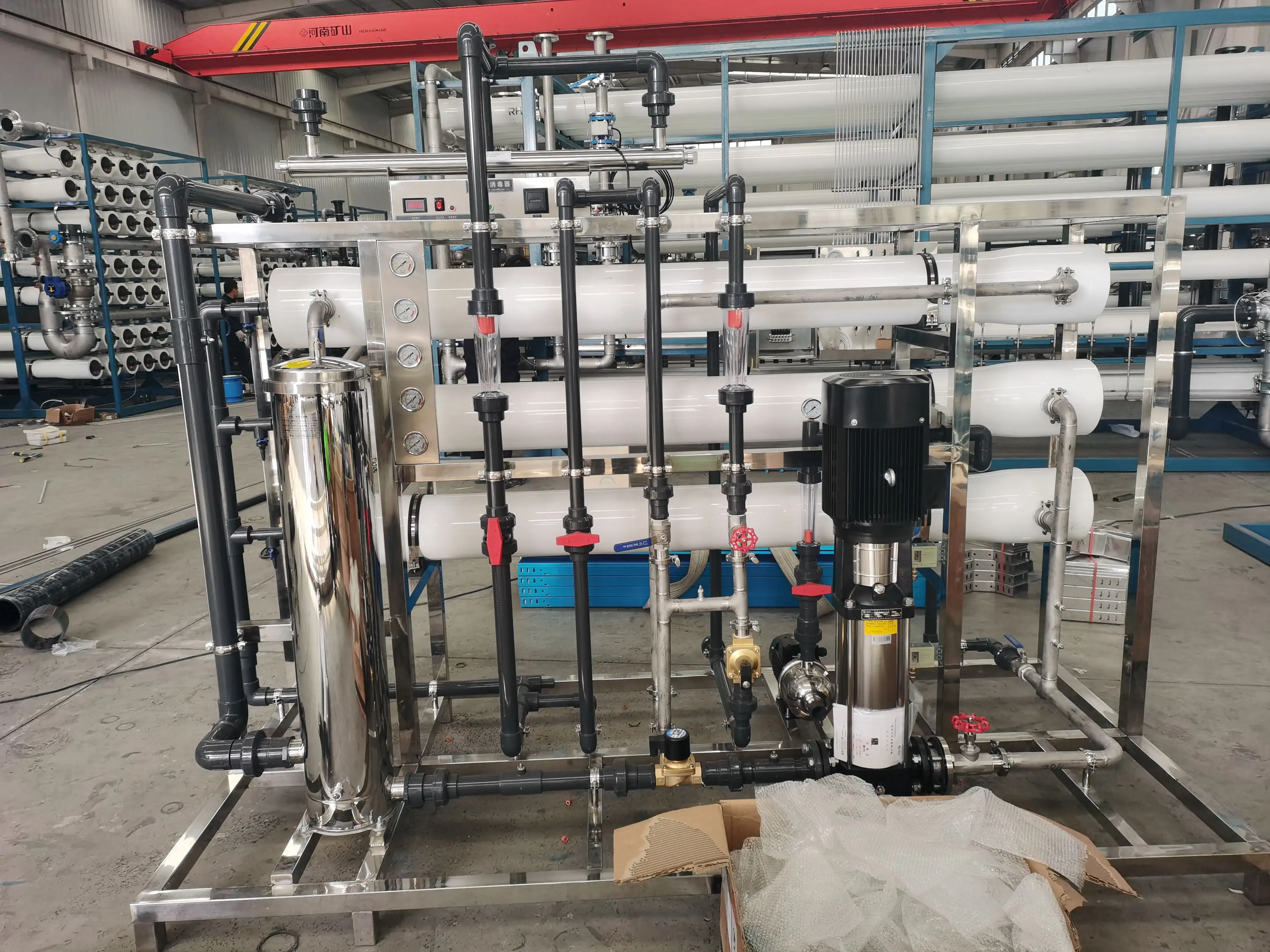
The Impact of Feed Water Salinity on Reverse Osmosis Systems
Feed water salinity, usually expressed as total dissolved solids (TDS), is the sum of the concentrations of all inorganic salts (such as sodium, calcium, magnesium, chloride, sulfate, etc.) in the water. It is one of the most critical parameters in the design, operation, and economic efficiency of a reverse osmosis system, and its impact is comprehensive and interconnected.
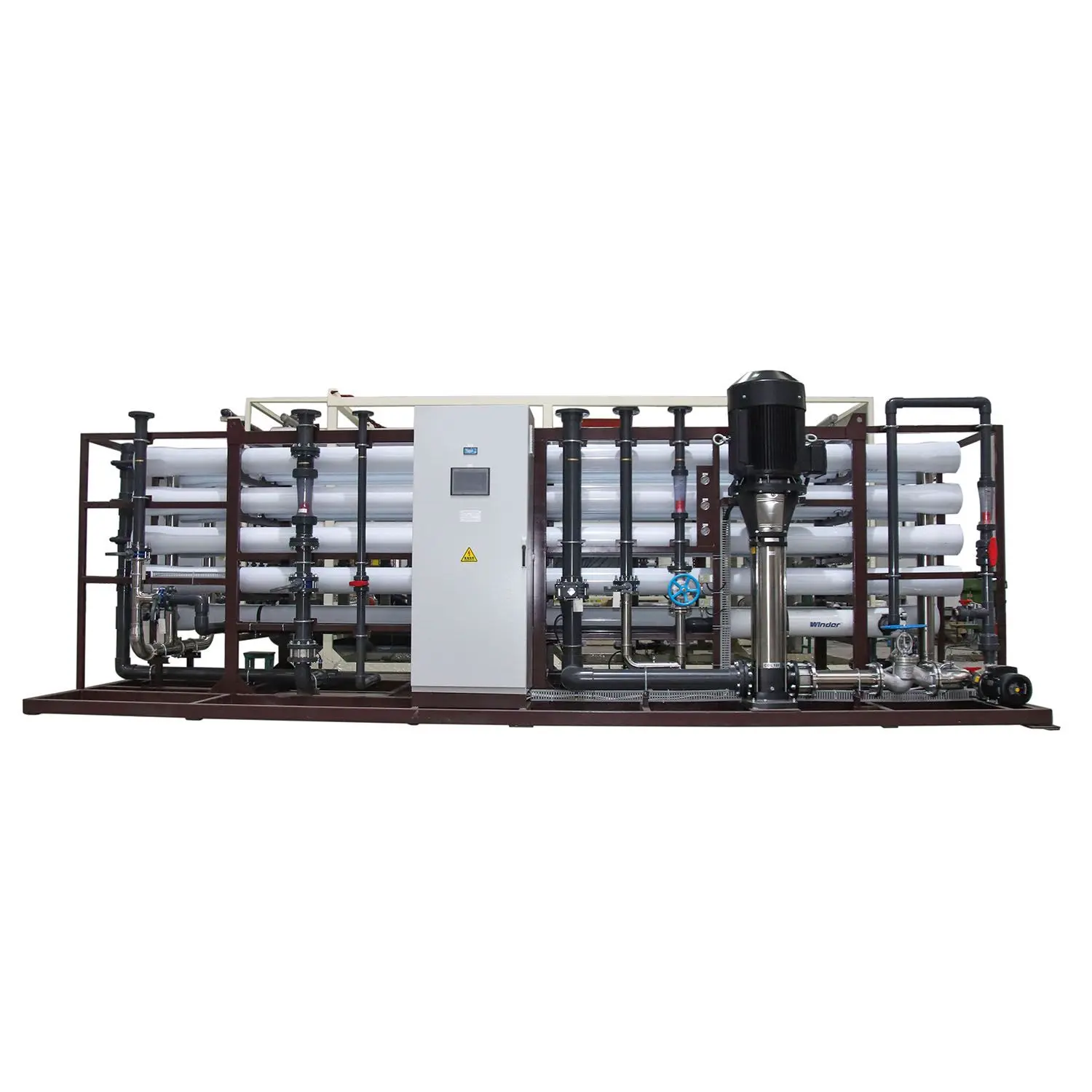
Industrial Pure Water Equipment Introduction
Pure water equipment is commonly known as reverse osmosis pure water equipment, reverse osmosis water purification equipment, reverse osmosis water equipment, water treatment reverse osmosis equipment, deionized water equipment, reverse osmosis pure water machine, etc.
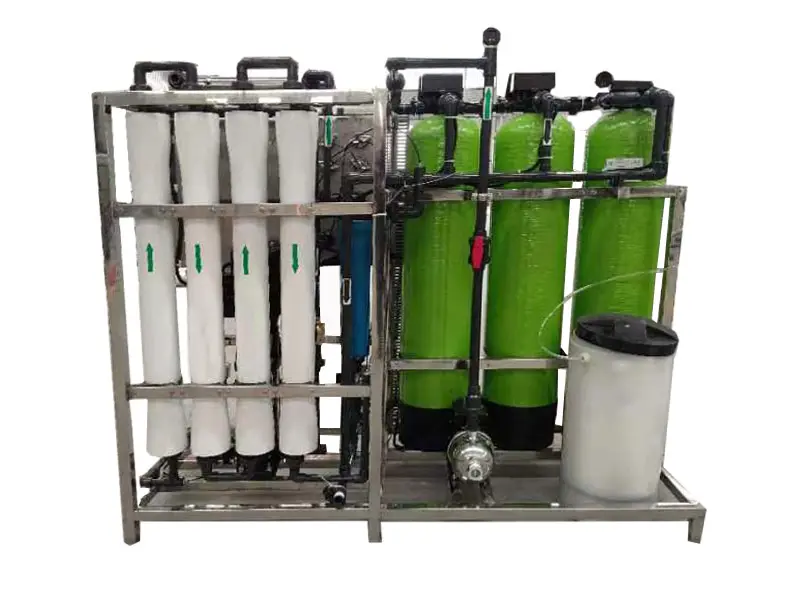
Why are water treatment equipment becoming increasingly necessary in various places?
Why do we need water treatment equipment?
The tap water we use daily undergoes multiple filtration processes to remove large particles and is disinfected. After testing at the water treatment plant, the water meets national standards before being discharged to households through numerous pipes and pressurized storage tanks. Before reaching households, the water pipes traverse complex terrains, sometimes resulting in damaged or unrepaired pipes. This can lead to minor intersections between water pipes and sewage pipes, causing water contamination.
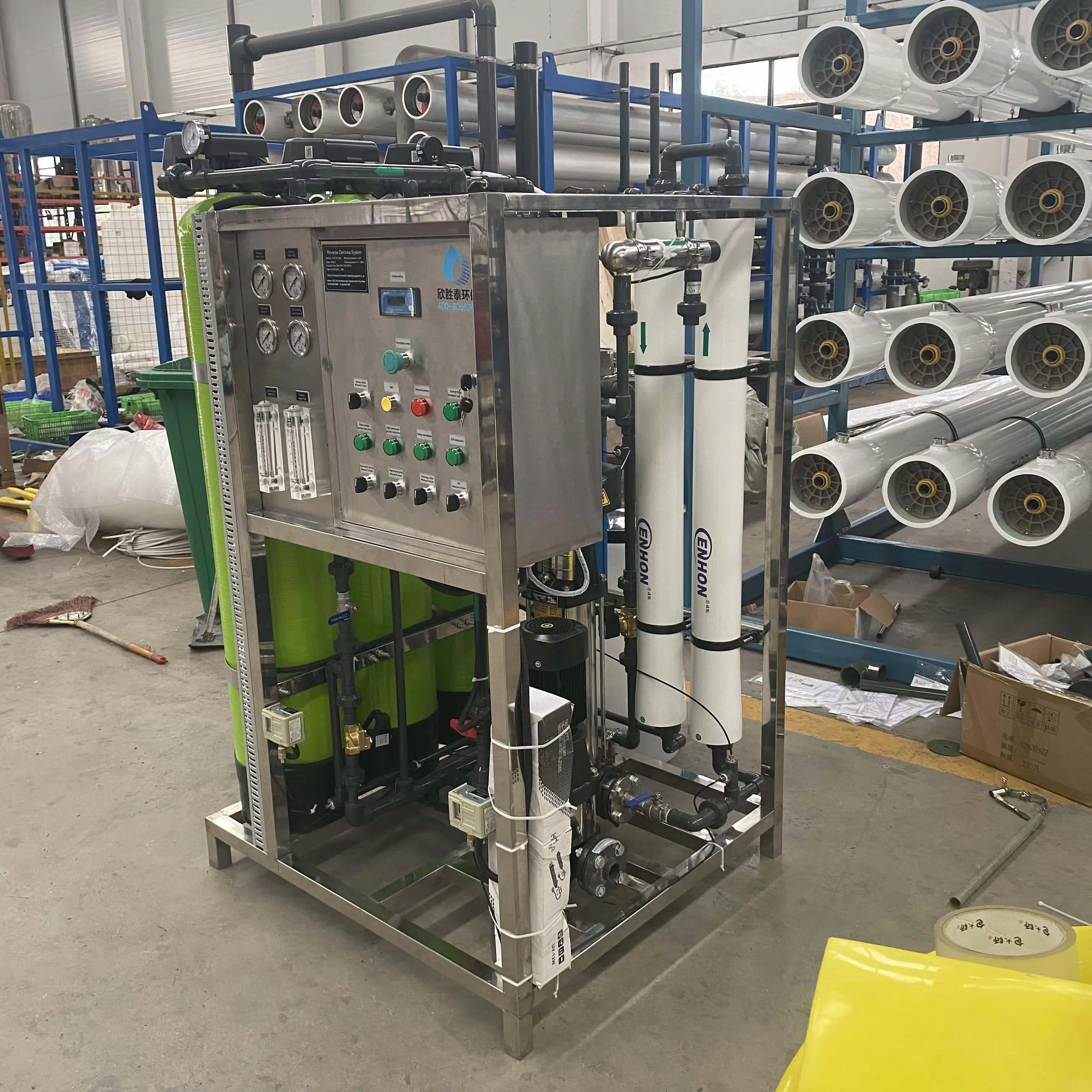
The Dynamic Relationship between Alkalinity and pH in Zero Wastewater Discharge
Alkalinity in wastewater is primarily contributed by three species: hydroxide (OH⁻), carbonate (CO₃²⁻), and bicarbonate (HCO₃⁻). These form a dynamically balanced buffer system, with the dominant species evolving with pH:
CO₂ + H₂O ⇌ H₂CO₃ ⇌ H⁺ + HCO₃⁻ ⇌ 2H⁺ + CO₃²⁻
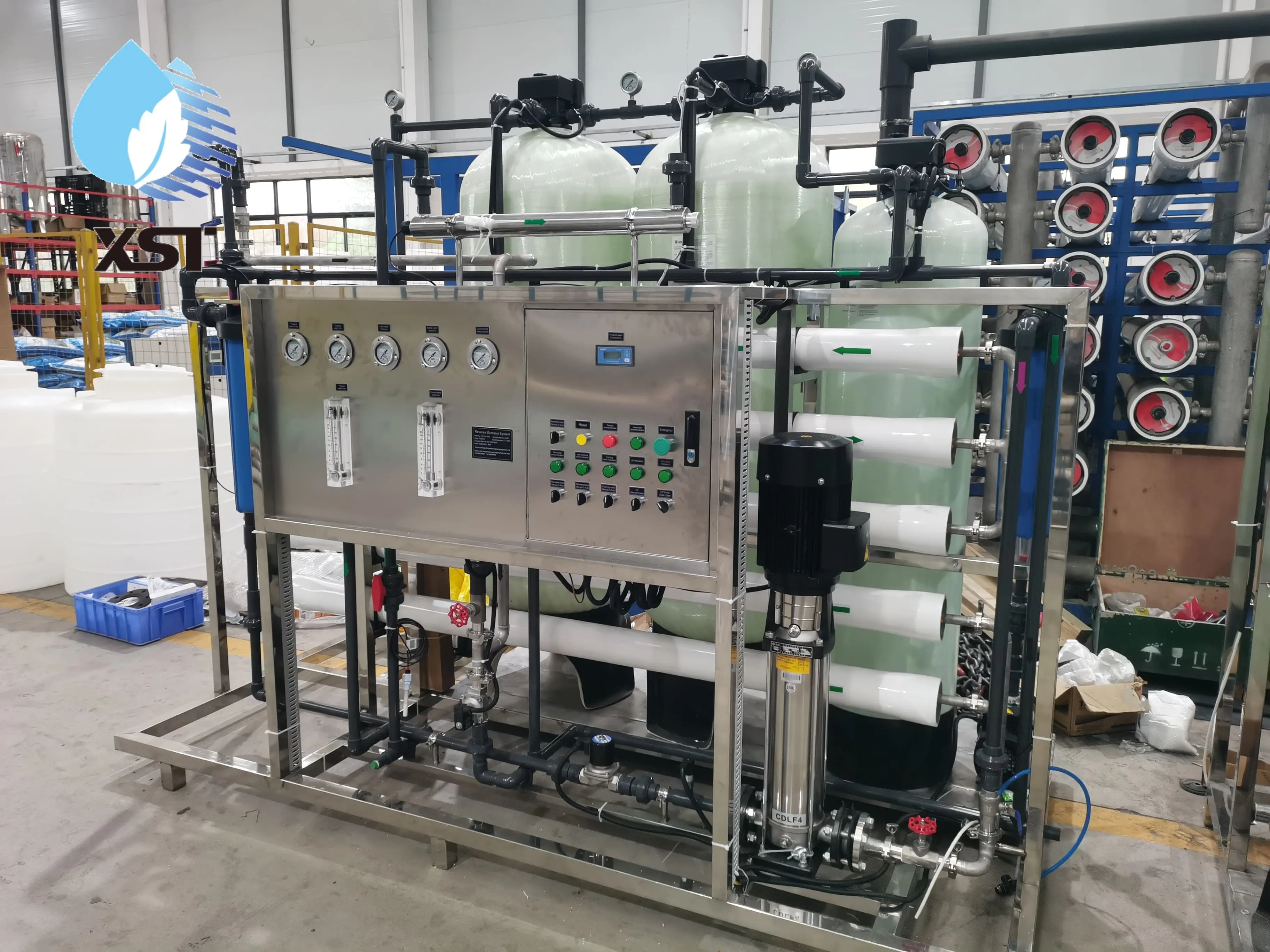
Why isn't the resistivity of ultrapure water infinite?
In our ideal world, "absolutely pure" water should, like a vacuum, offer infinite resistance to electric current, and its resistivity should approach infinity. However, when we measure this with the most sophisticated instruments, we find that even with today's cutting-edge technology, the resistivity of ultrapure water remains at an extremely high, yet finite, value. The inherent properties of water and the limits of our technology dictate that there is a theoretical maximum resistivity for ultrapure water.
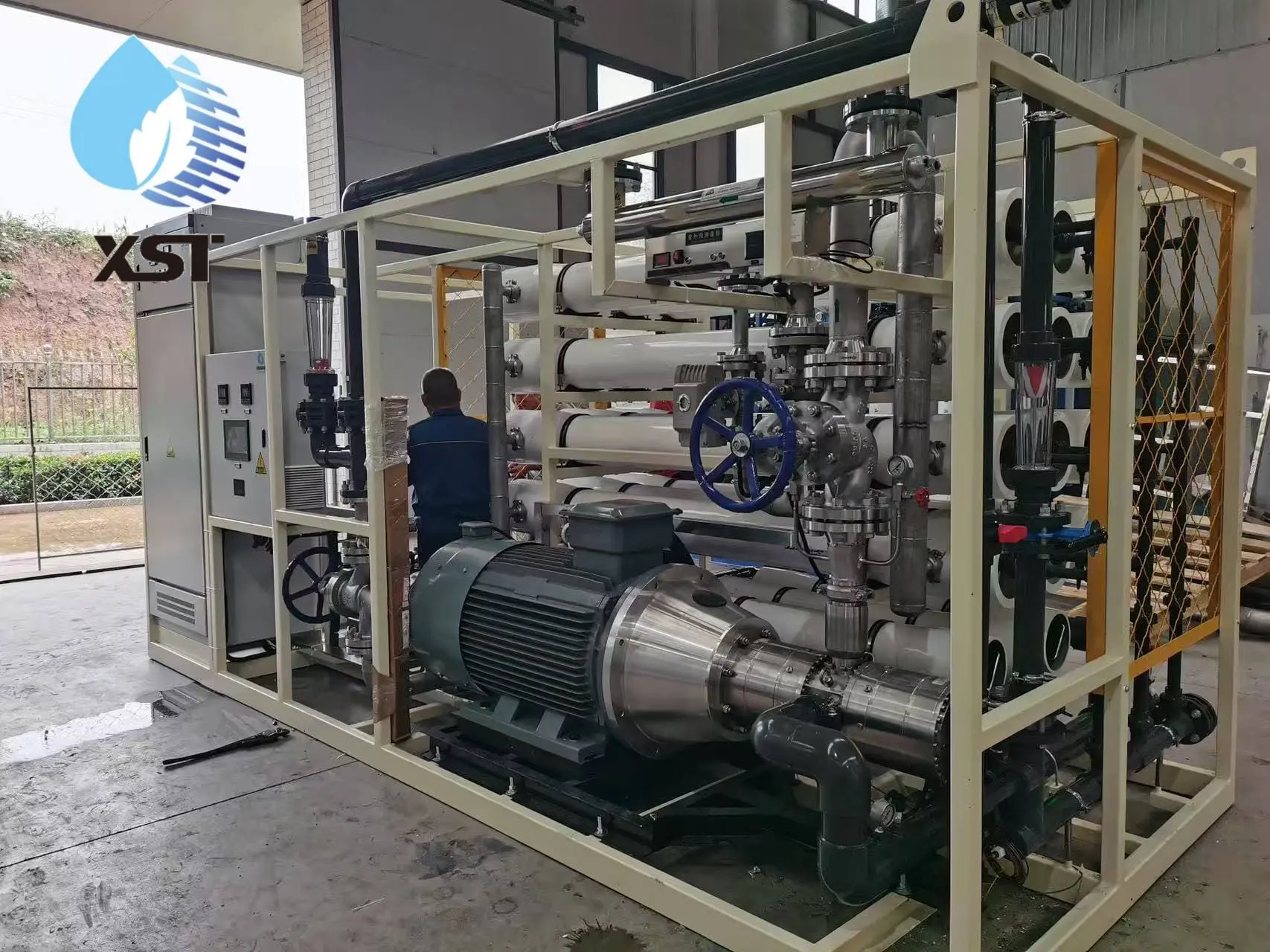
Factors Affecting the Fouling Rate of Surface Water Reverse Osmosis Treatment Equipment
I. Membrane Material Type (Cellulose Acetate or Polyamide)
Common reverse osmosis membranes on the market are categorized by material: CAB (Cellulose Acetate) membrane elements or CPA (Aromatic Polyamide) membrane elements. CAB membranes are often chosen over CPA membranes for difficult-to-treat surface water or wastewater systems.