







01


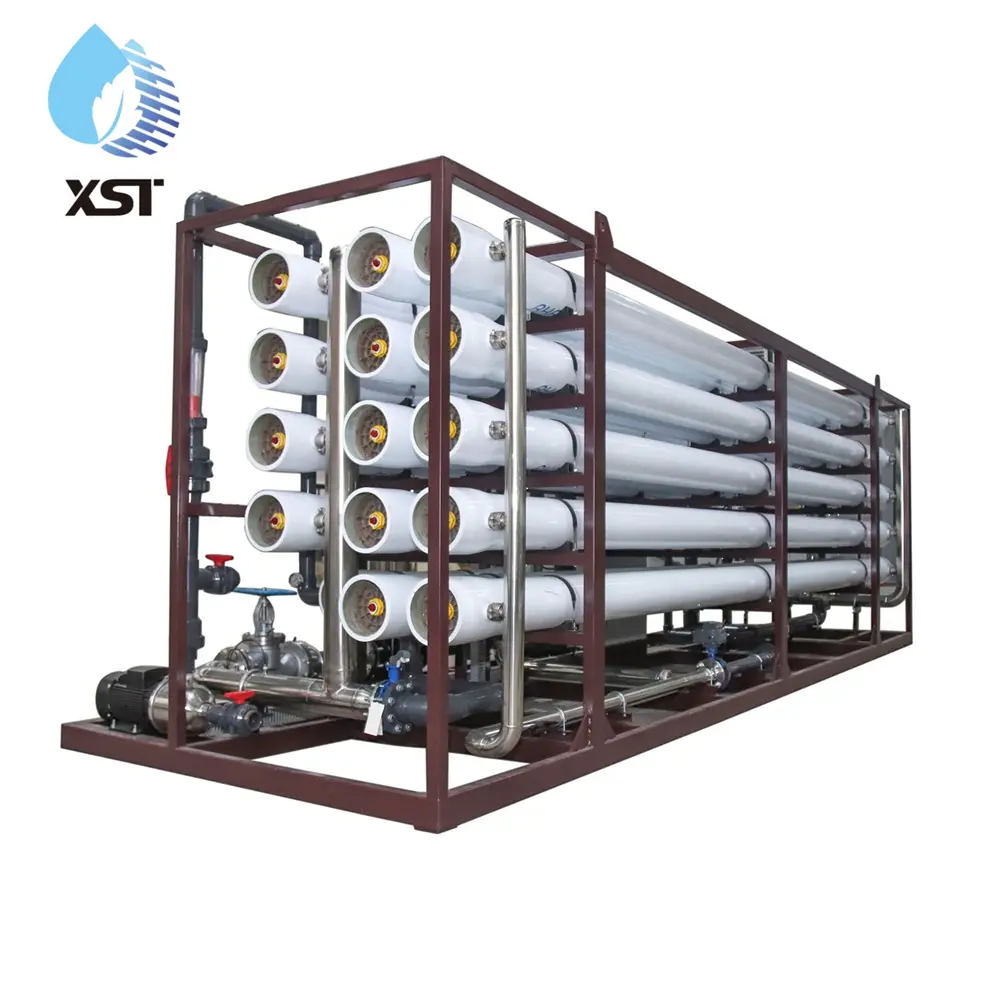
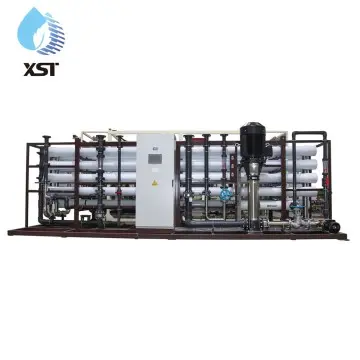
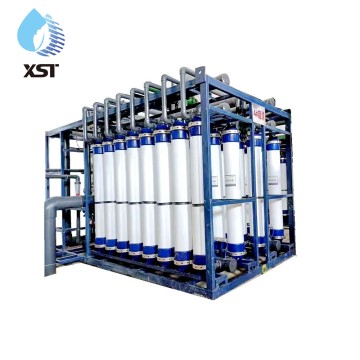
Commercial Reverse Osmosis System Without Pretreatment for Drinking Water
products Video
products description
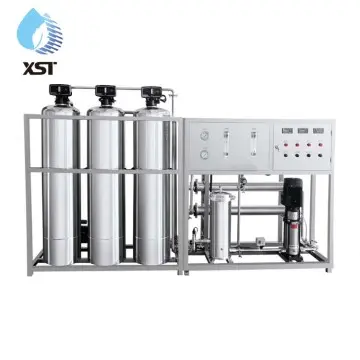
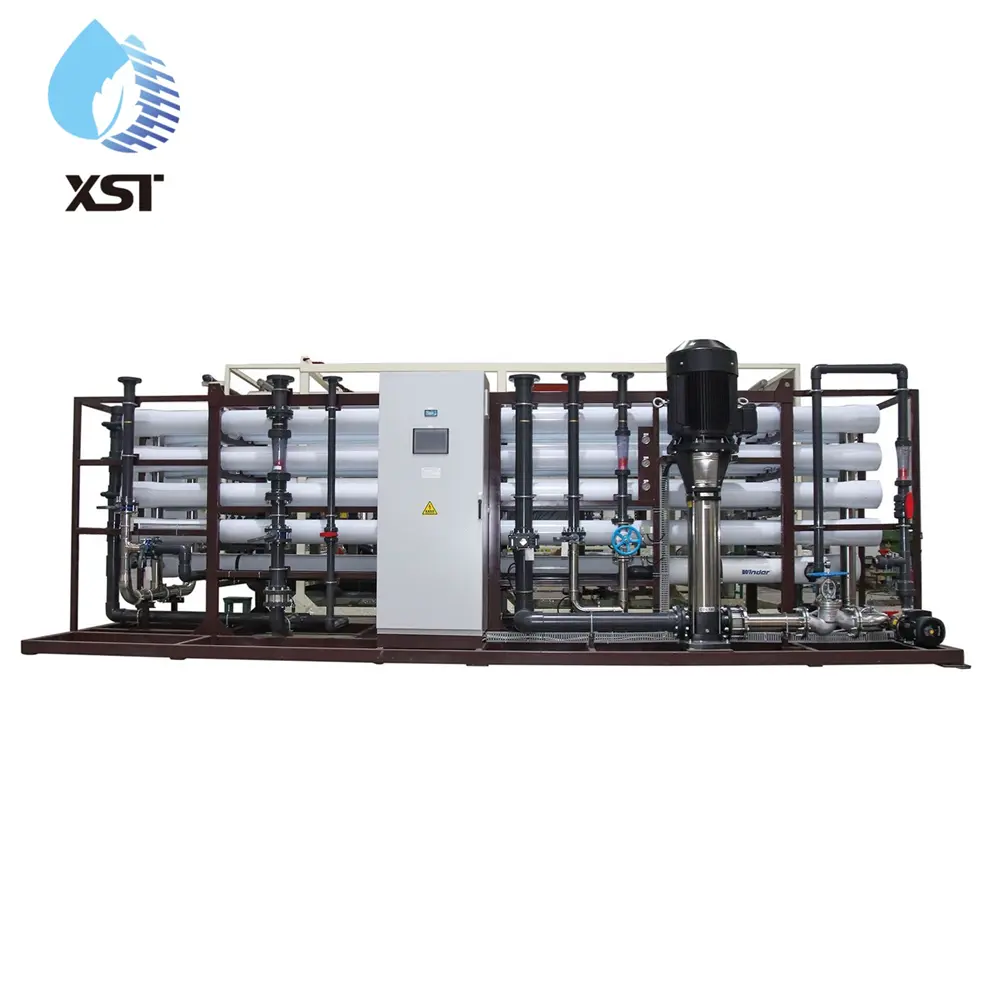
RO equipment is currently one of the most advanced systems for producing pure water in global water treatment technology. It features low operating costs, economic efficiency, ease of operation, and reliable performance, making it the preferred choice for businesses requiring pure water production. The production capacity of RO equipment is based on raw water at 25°C, which represents the standard production condition. Variations in water temperature and production conditions may influence the equipment's output capacity.
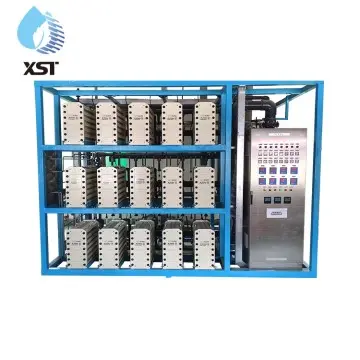
Industrial reverse osmosis equipment must be configured with different processes according to specific water quality requirements. Water standards vary across industries, such as resistivity levels ranging from 18 MΩ·cm to 0.5 MΩ·cm and conductivity ranging from 20 μS/cm to 0.1 μS/cm. Therefore, it is essential to configure appropriate pretreatment systems, single-stage or double-stage reverse osmosis processes, and post-treatment systems (e.g., EDI electric demineralization systems, polishing mixed bed systems, ultraviolet sterilization, ozone generators, chlorine dioxide systems, etc.) to meet these diverse standards.
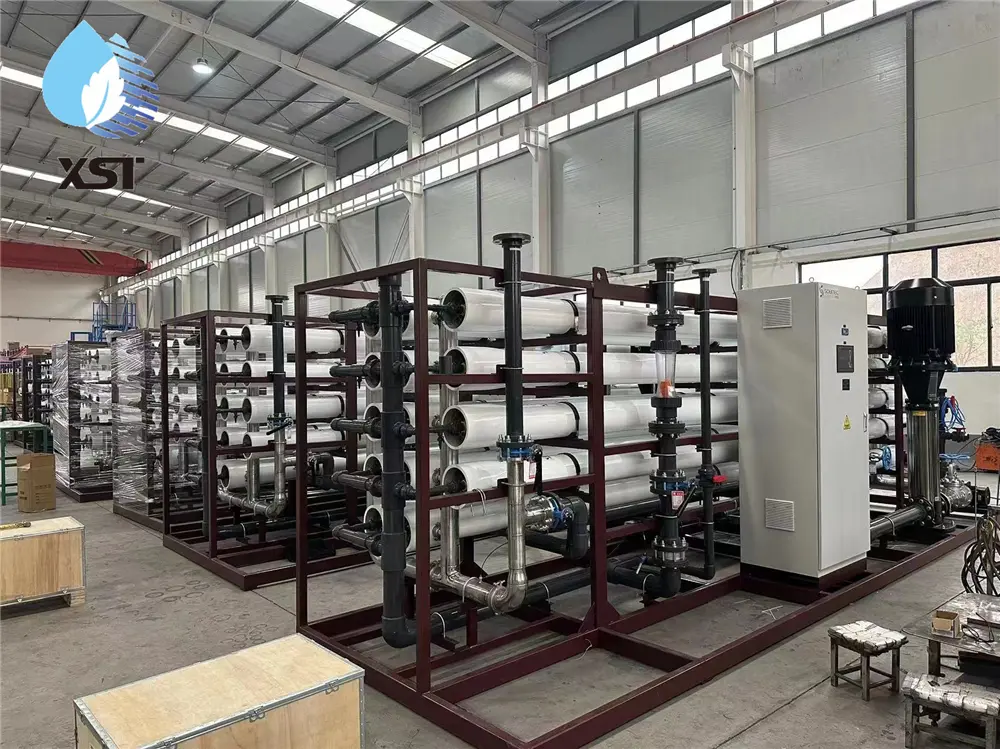
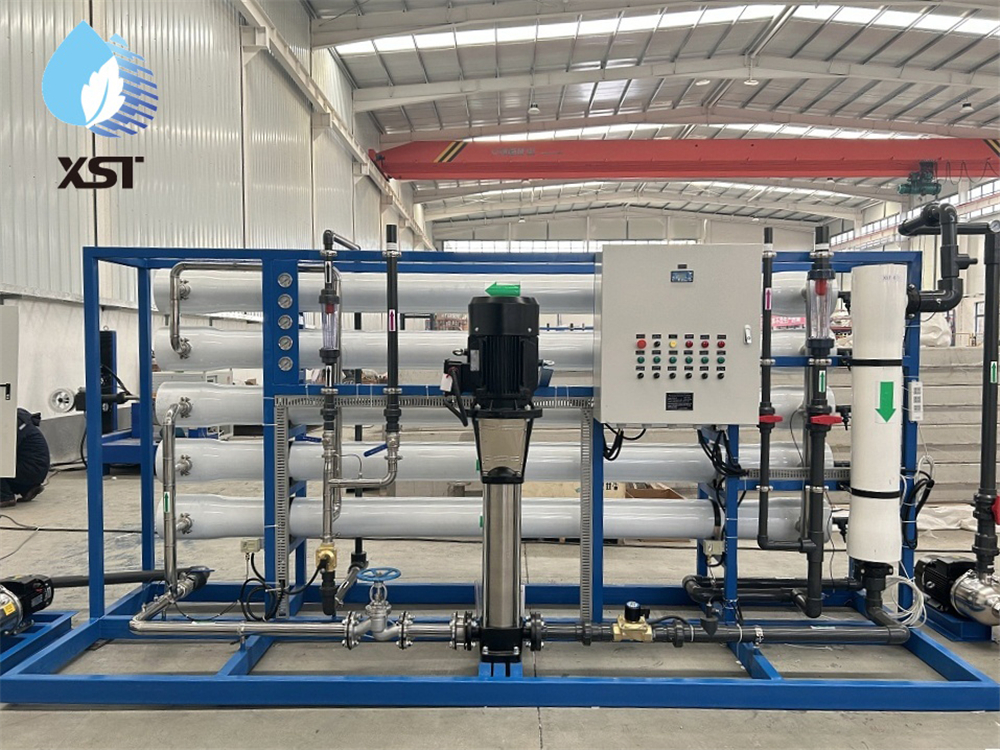
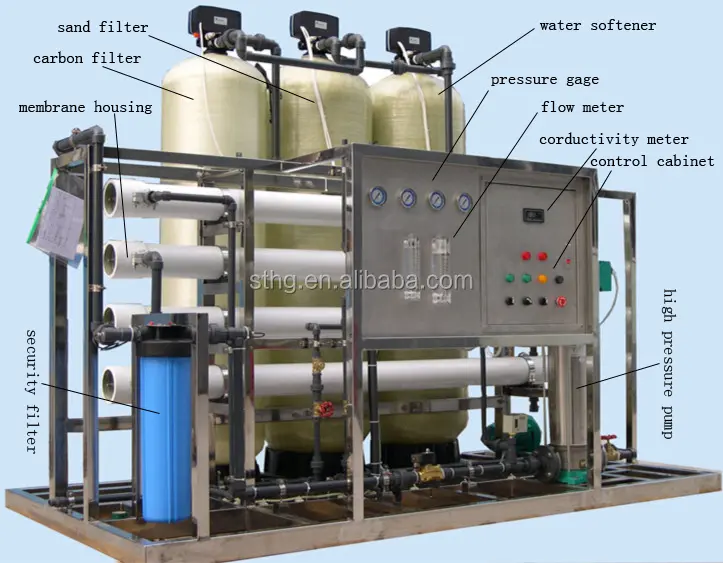
Major ComponentS
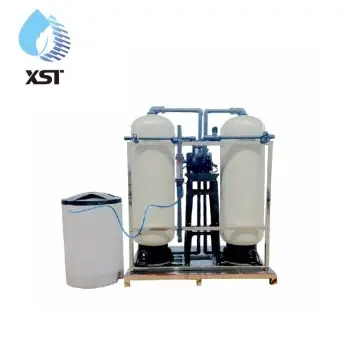
1. Pretreatment System:
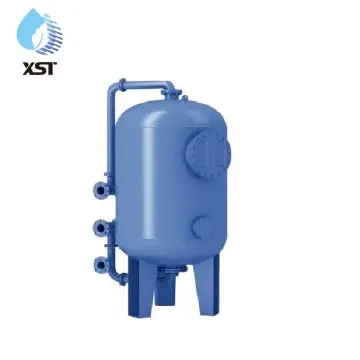
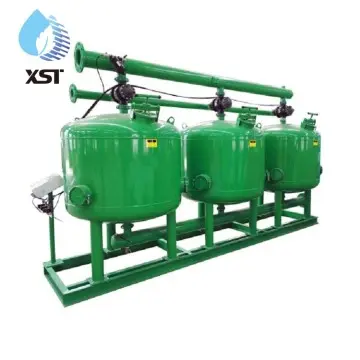
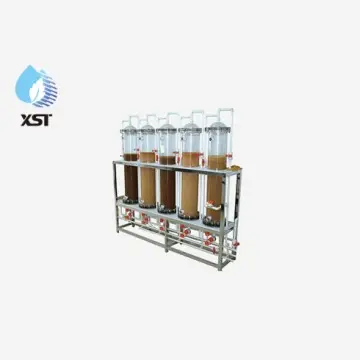
- Multi-media Filter: Removes suspended solids, sediments, and other large particulate impurities.
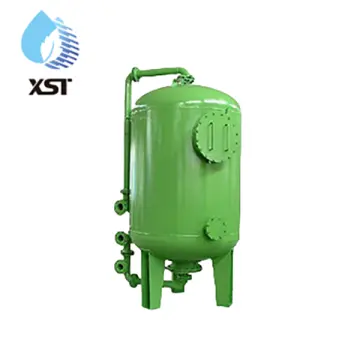
- Activated Carbon Filter: Adsorbs organic compounds, residual chlorine, odors, and other contaminants.
- Softener: Eliminates calcium and magnesium ions from water to prevent scale formation.
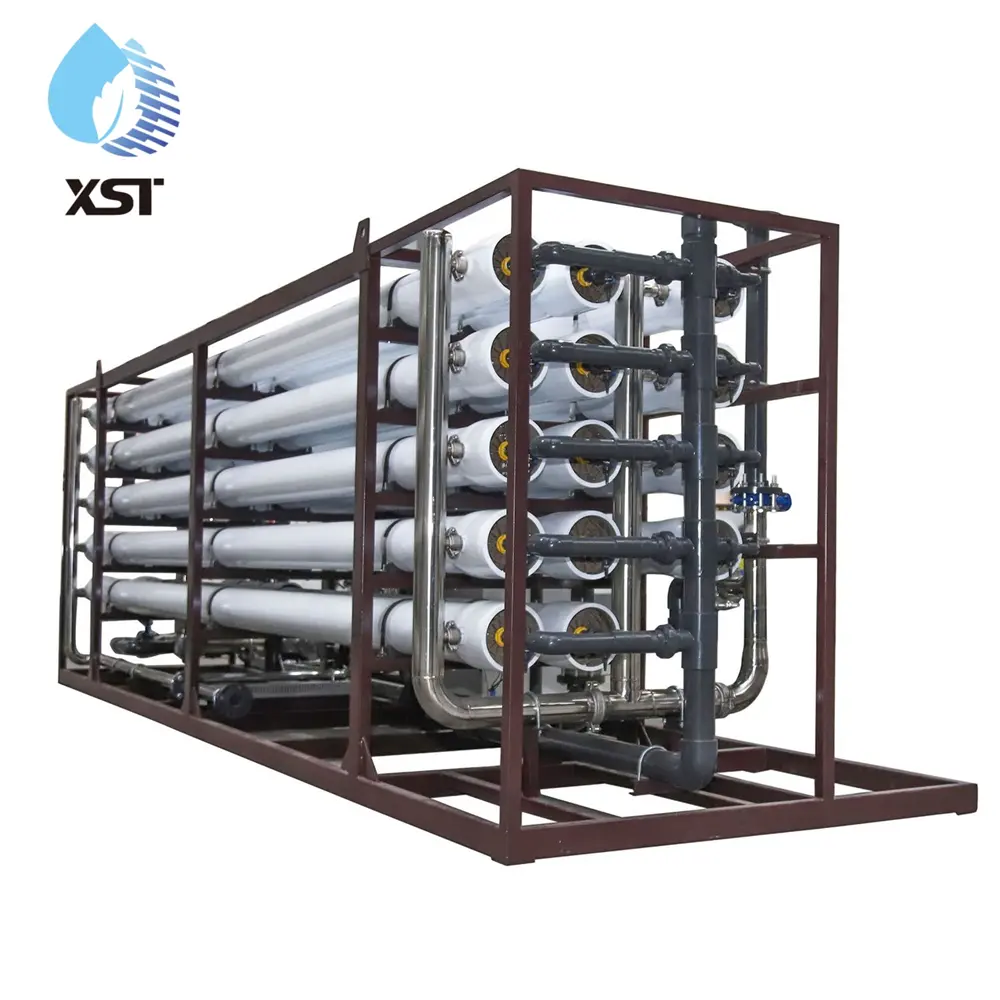
2. Reverse Osmosis Membrane:
Core component, typically constructed of polyamide or cellulose acetate materials, with an extremely small pore size (approximately 0.0001 microns). It effectively intercepts dissolved salts, bacteria, viruses, and other microorganisms.
3. High-Pressure Pump:
Supplies sufficient pressure (generally ranging from 100 to 1000 psi) to enable water molecules to permeate through the reverse osmosis membrane.
4. Post-treatment System:
- UV Sterilizer: Provides additional sterilization by eliminating bacteria and viruses.
- Ozone Generator: Utilized for disinfection and odor removal processes.
5. Control System:
- PLC Controller: Automates equipment operation and monitors parameters such as pressure, flow rate, and water quality.
- Instruments: Devices such as pressure gauges, flow meters, and conductivity meters are employed for real-time monitoring and data collection.
products specification
Reverse osmosis feed water requirements
| Project | Unit | Indicator |
| pH(25℃) | 4~11 (running) 2~11 (cleaning) | |
| Turbidity | NTU | <1.0 |
| Silt Density Index (SDI) | <5 | |
| Free residual chlorine | mg/L | <0.1[1],Control to 0.0 |
| Iron | mg/L | <0.05(Dissolved oxygen >5mg/L)[2] |
| Manganese | mg/L | <0.3 |
| Aluminum | mg/L | <0.1 |
| Water temperature[3] | ℃ | 5~45 |
Note:
[1] At the same time to meet the total dose of less than 1000 h.mg / L during the life of the membrane.
[2] Iron oxidation rate depends on the iron content, dissolved oxygen concentration in water and water pH, when pH <6, dissolved oxygen <0.5mg/L, allowing the maximum Fe2+<4mg/L
[3]reverse osmosis unit of the optimal design of the water temperature of 20℃ ~ 25℃.
Advantages
- Broad removal of impurities: Capable of removing not only inorganic salt ions but also various organic impurities from water.
- No phase change during the water separation process, achieving a high desalination rate (up to 99.7%).
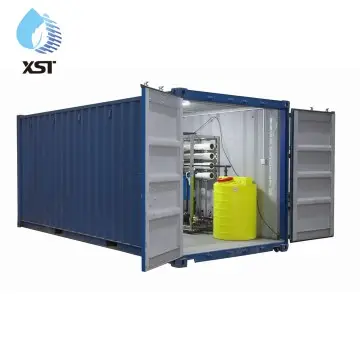
- High water production capacity with compact equipment size, enabling skid-mounted installation or customization based on site dimensions.
- Low energy consumption, automatic operation, and minimal investment cost.
- Strong adaptability, wide application range, and no environmental pollution.
Scope of Application
As the core treatment equipment for water desalination systems, reverse osmosis equipment, when combined with pretreatment and subsequent desalination systems, has been widely applied in water treatment, electronics, chemicals, pharmaceuticals, food and beverages, metallurgy, and environmental protection sectors.