







01


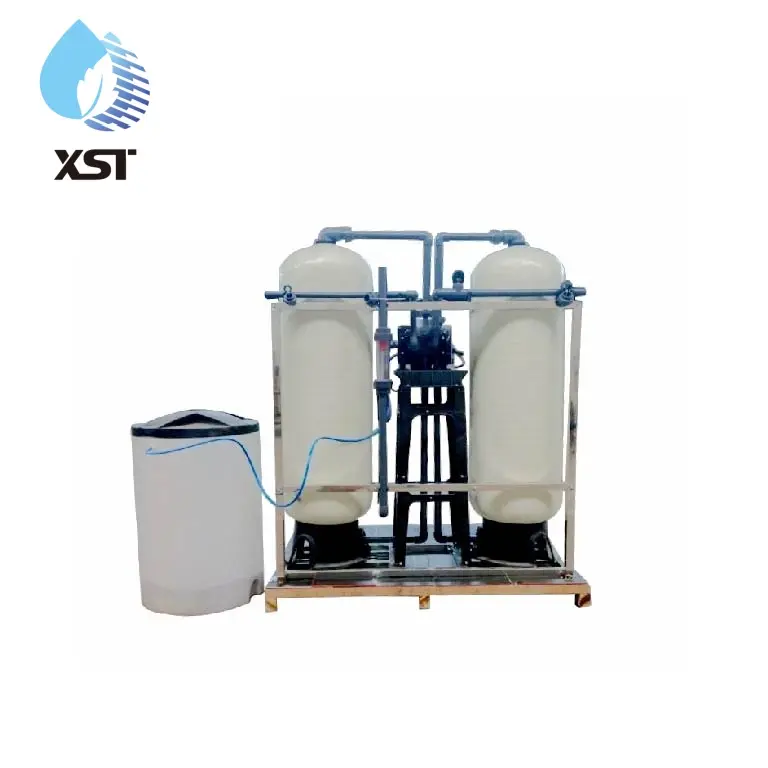
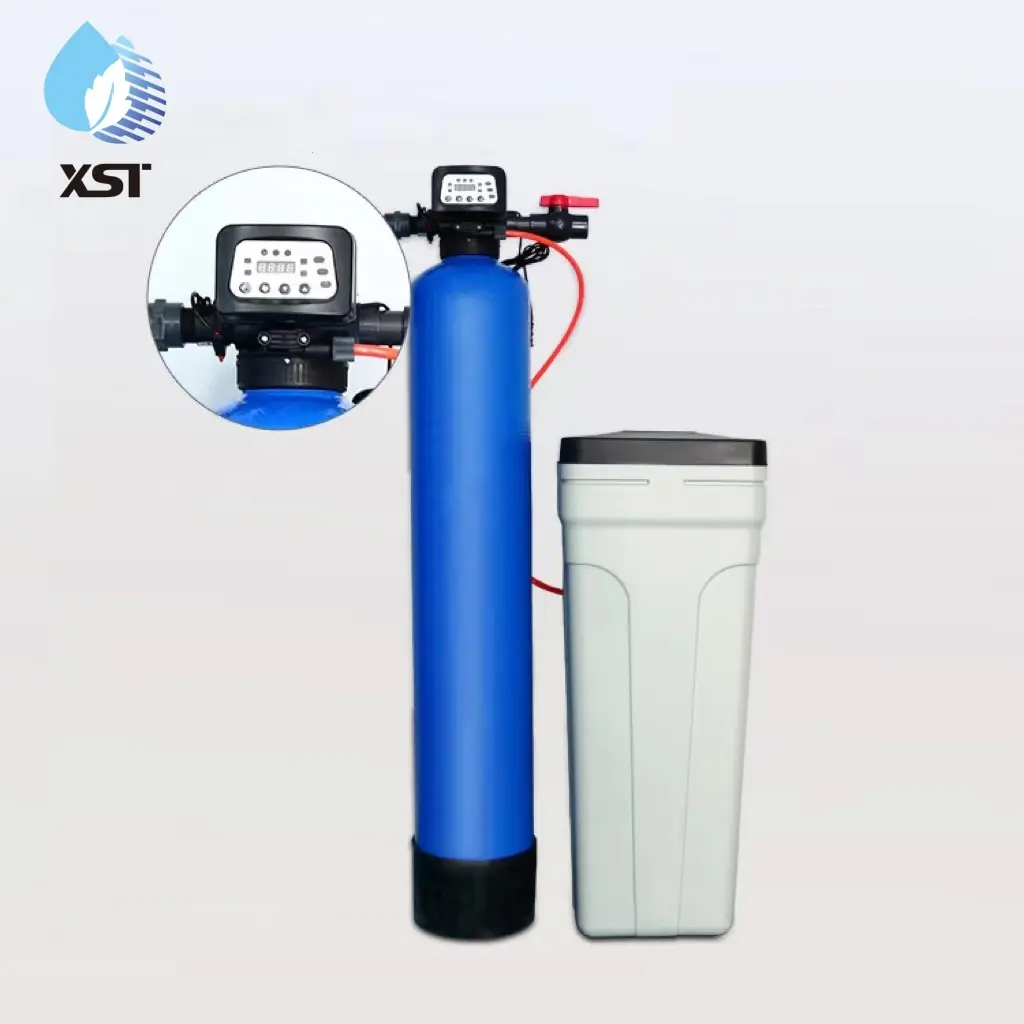
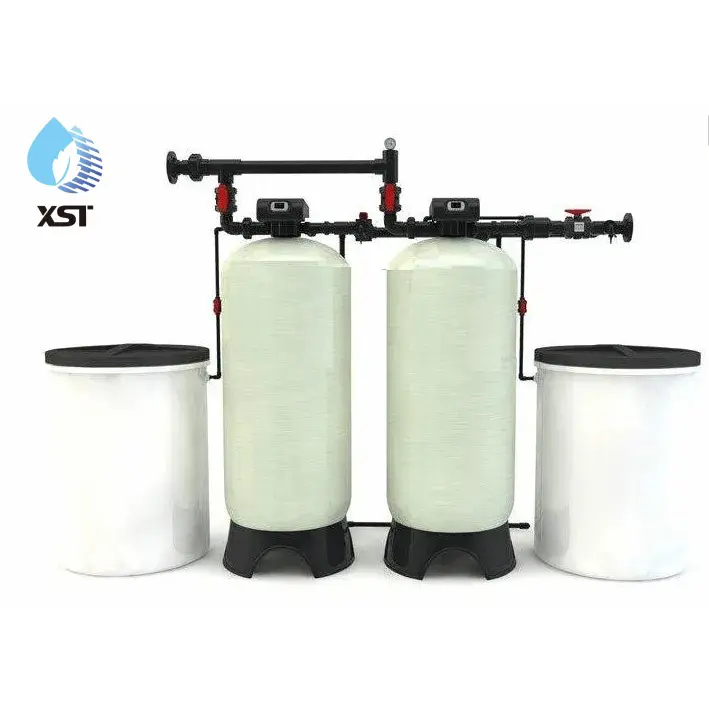
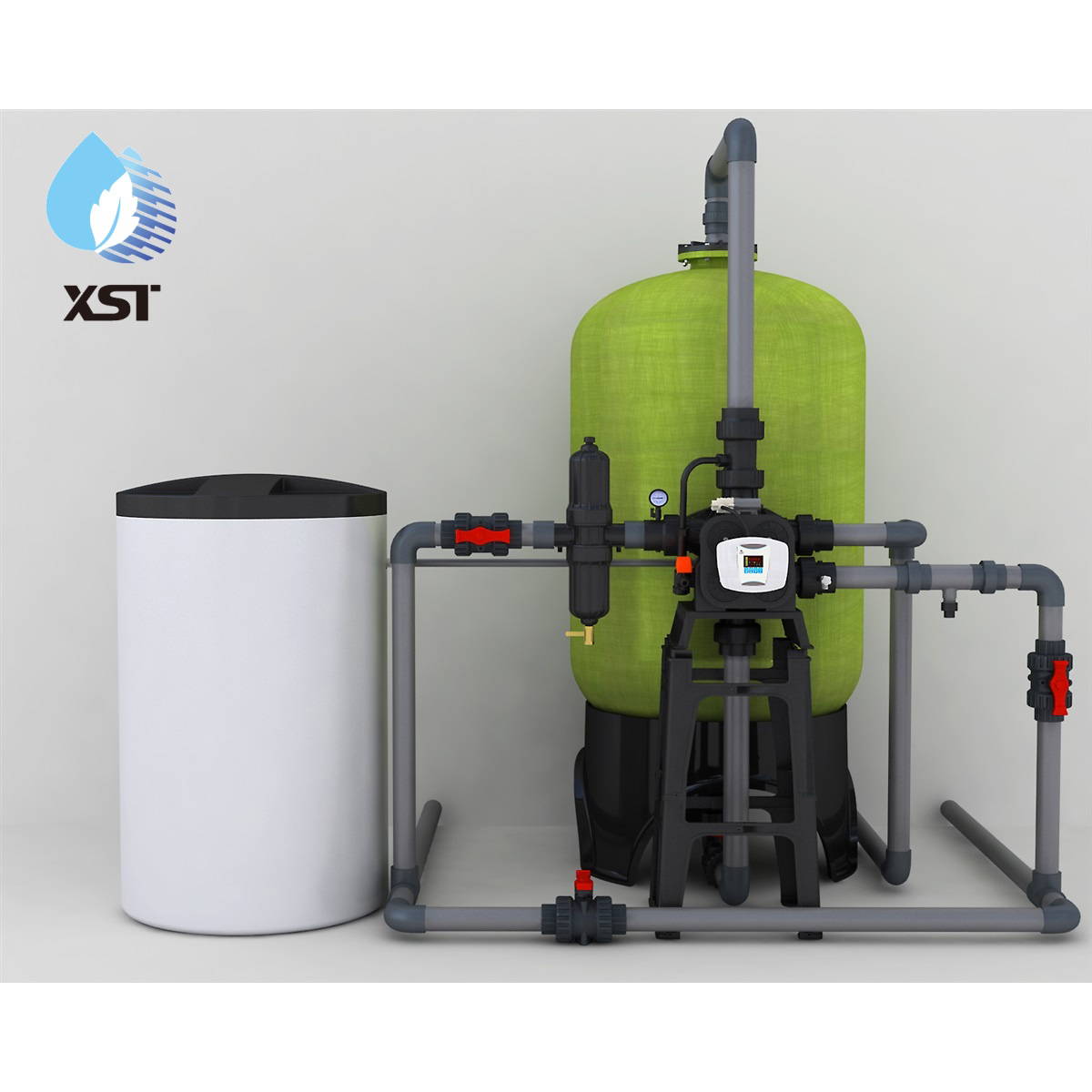
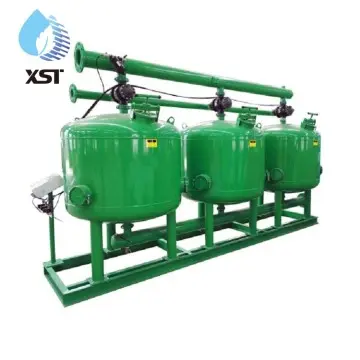
Central Water Descaler High Efficiency Scale Water Softener System
products Video
Equipment description
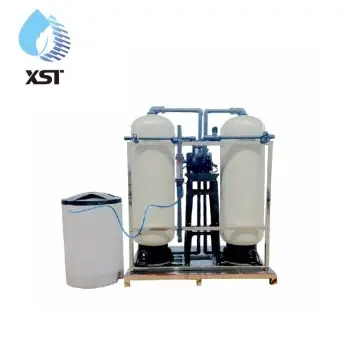
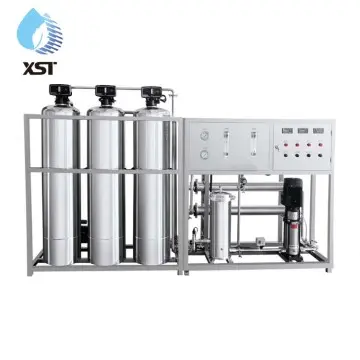
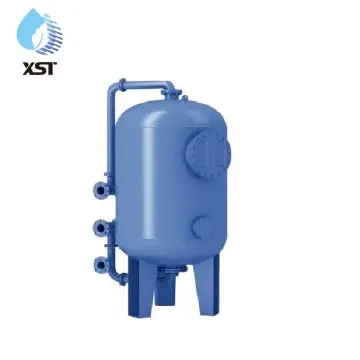
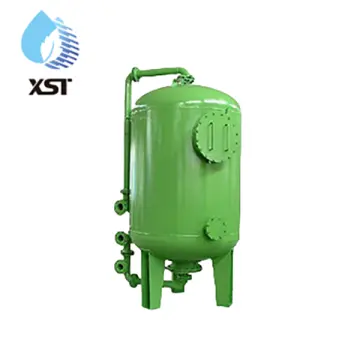
The water softener functions as a sodium ion exchanger, consisting of an ion exchange pressure vessel (or column), sodium-type cation resin, a multi-port valve, and a salt regeneration system. The shell of the ion exchange column is typically constructed from materials such as hard polyvinyl chloride (PVC), PVC-glass fiber composites (PVC-FRP), polymethyl methacrylate (PMMA), PMMA-glass fiber composites (PMMA-FRP), steel-lined vessels (JR), or stainless steel-lined vessels.
How It Works
The resin releases sodium ions while exchanging them with calcium and magnesium ions in the water, thereby reducing water hardness. Once the resin becomes saturated and ineffective, it is regenerated using NaCl to restore its functionality.
2NA-R (resin) + Ca²⁺ → CaR + 2Na⁺
2NA-R (resin) + Mg²⁺ → MgR + 2Na⁺
The softener system operates in the following sequence: Operation → Regeneration (backwash, brine absorption, displacement, forward wash) → Operation.
Equipment Characteristics
1. High degree of automation ensures stable water supply conditions, extended service life, and fully automated operation without manual intervention.
2. Regeneration does not require acids or alkalis; regular addition of salt suffices, with wastewater salinity matching that of the input water.
3. High efficiency, low energy consumption, and economical operating costs.
4. Compact and well-designed structure facilitates easy operation and maintenance, minimizing footprint and reducing investment costs.
5. User-friendly design simplifies installation, debugging, and operation, ensuring stable performance of control components.
Conditions of Use:
1. Operating pressure: 0.2-0.6 MPa (optimal value: 0.3 MPa).
2. Raw water hardness: ≤6 mmol/L (if raw water hardness exceeds 6 mmol/L, lime softening should be applied first).
3. Raw water temperature: 5°C-50°C.
4. Power source: AC 220V, 50 Hz; Power consumption: 10-40 W.
5. Water hardness after treatment: ≤0.03 mmol/L.
Scope of Application
Widely utilized in industries such as chemical, petroleum, manufacturing, air conditioning, and central heating. Primarily used for boiler feedwater, thermal power stations, chemical plants, light industry, textiles, pharmaceuticals, biology, electronics, atomic energy, and pre-treatment of pure water systems. It is also suitable for industrial applications requiring hard water softening or deionized water preparation, as well as food and drug decolorization, purification of precious metals, recovery of chemical raw materials, and treatment of electroplating wastewater.